Lasting Effects of Poor Leadership: Why a Bad Boss’s Impact Can Linger for 10 Years
Do you have a bad boss story? I know loads of people who do because of the nature of my work. Do you think they all have one thing they have in common?
The emotional scars linger long after the boss is gone or they’ve left the department/company.
What Makes A Bad Boss
Let’s face it: it’s all about perspective. What I call a lousy boss might not be the same for you. Here’s my top 10 list:
- Micromanagement: They constantly oversee every tiny detail of their employees’ work, not allowing them autonomy or trust.
- Poor Communication: They fail to provide clear instructions, feedback, or expectations, leading to confusion and frustration.
- Lack of Empathy: They do not consider or understand their employees’ feelings, concerns, or circumstances.
- Inconsistency: They change rules, expectations, or directions frequently, causing uncertainty and insecurity among the team.
- Favouritism: They treat some employees better than others without apparent reason, leading to resentment and division within the team.
- Unavailability: They are frequently absent or too busy to deal with issues, concerns, or questions, making them appear disconnected or uncaring.
- Defensiveness: They cannot accept feedback or criticism, often taking it personally or retaliating against the messenger.
- Failure to Recognise or Reward: They do not acknowledge or reward hard work, dedication, or achievement, leading to decreased morale and motivation.
- Lack of Vision or Direction: They do not provide a clear path or goal for the team, making it difficult for employees to align their efforts or see the bigger picture.
- Toxic Behavior: They engage in or tolerate bullying, harassment, or other negative behaviours, creating an unhealthy and harmful work environment.

The Lasting Effects of a Bad Boss
- Decreased Self-Esteem: Constant criticism or belittling can make employees doubt their workplace skills, abilities, and worth.
- Mental and Physical Health Issues: Chronic stress from dealing with a bad boss can lead to problems like anxiety, depression, insomnia, and even physical ailments like high blood pressure.
- Lower Job Satisfaction: Employees may dread going to work, leading to decreased passion and enthusiasm for their roles.
- Increased Turnover: Many employees will seek other employment opportunities to escape a toxic boss, leading to higher attrition rates and recruitment costs for the company.
- Reduced Productivity: Constant interference, lack of clarity, or a hostile environment can hamper efficiency and output.
- Stifled Professional Growth: Lack of proper mentorship, guidance, or constructive feedback can hinder career development and skill enhancement.
- Loss of Trust: Employees may lose faith in their direct supervisor and the larger organisational structure if a lousy boss’s behaviour is tolerated or overlooked.
- Conflict and Team Fragmentation: Favoritism, poor communication, and other negative behaviours can lead to infighting, gossip, and a lack of unity within teams.
- Loss of Innovation: In environments where ideas are not encouraged, or employees fear retribution for speaking up, creativity and innovation can be stifled.
- Long-term Career Impact: Negative evaluations, lack of opportunities, or being trained with improper techniques can impact an individual’s professional trajectory and prospects beyond their tenure under a bad boss.
Throwing your ‘toys out of the pram’ isn’t help. So, how do you deal with a bad boss? Here are some steps to consider:
- Self-Assessment: Reflect on your behaviour and performance. Ensure you’re meeting your job responsibilities and not contributing to any conflicts. Sometimes, the friction may arise from misunderstandings or performance issues.
- Open Communication: Arrange a private meeting with your boss to discuss your concerns. Use “I” statements to express your feelings rather than making accusatory “you” statements. For instance, “I feel overwhelmed when I receive last-minute tasks” is better than “You always give me tasks at the last minute.” Try to keep the emotions out of the conversation. Otherwise, things could escalate out of control quickly.
- Seek Clarification: If you receive vague or contradictory instructions, seek clarification. This can prevent potential issues down the line.
- Document Everything: Keep a record of incidents or problematic behaviours. This can be useful for HR complaints if it comes to that or to keep track of patterns.
- Stay Professional: Avoid gossiping about your boss with coworkers. This can come back to haunt you and create a more toxic work environment.
- Build Alliances: Cultivate solid and supportive relationships with colleagues. They can offer advice, provide alternative perspectives, or sometimes act as conflict intermediaries. However, don’t create a ‘them and us’ approach either; otherwise, you might involve your colleagues in uncharted territory.
- Seek Mentorship: Find a mentor outside of your direct reporting line. They can offer guidance, support, and strategies based on their experiences.
- Consider HR: If the behaviour is consistently problematic or breaches company policy, consider speaking to your HR department. They can provide guidance or intervene if necessary.
- Manage Stress: Dealing with a demanding boss can be emotionally taxing. Find ways to manage stress outside work, such as exercise, meditation, hobbies, or counselling.
- Be compassionate towards yourself. Why? If you start feeling angry or bitter, you might create more emotional baggage for you to carry.
- Set Boundaries: If your boss consistently asks you to work late or gives you tasks outside your job description, learning to set boundaries is essential. This might mean having a conversation about reasonable expectations or occasionally saying no.
- Seek Feedback: Ask for regular performance reviews or feedback. This can clarify your boss’s expectations and offer a platform to discuss concerns.
- Educate Yourself: Read books or take courses on conflict resolution, communication, and assertiveness. These skills can be invaluable when dealing with a challenging supervisor.
- Consider a Change: If all else fails and the situation doesn’t improve, it might be time to consider transferring to a different department or seeking a new job altogether.
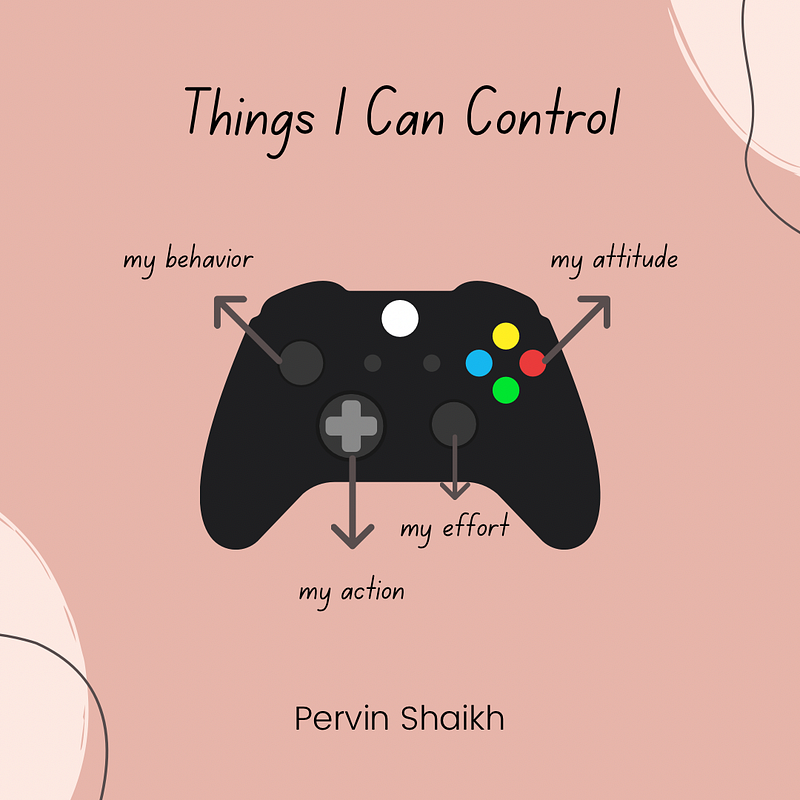
Some Final Thoughts
Having a bad boss isn’t just about the here and now — it can stick with you, affecting your peace and career path for years.
It can feel like a shadow over your happiness and your professional climb. But here’s the thing: you’ve got power in this situation.
Finding ways to handle a tricky boss and making time for self-care can lessen the impact on your future. Remember, you shouldn’t have to put up with a harmful work vibe.
Taking charge and making changes is suitable for your job and good for your soul.
Thank you for your attention.
Follow me for more valuable tips.
Pervin
linktr.ee/AimHighLtd


