
Smartphones
The Xiaomi 13 Ultra Is Resurrecting a Samsung Camera Feature to Get Ahead of the Competition
Xiaomi has incorporated a dual-aperture camera on their latest flagship smartphone.
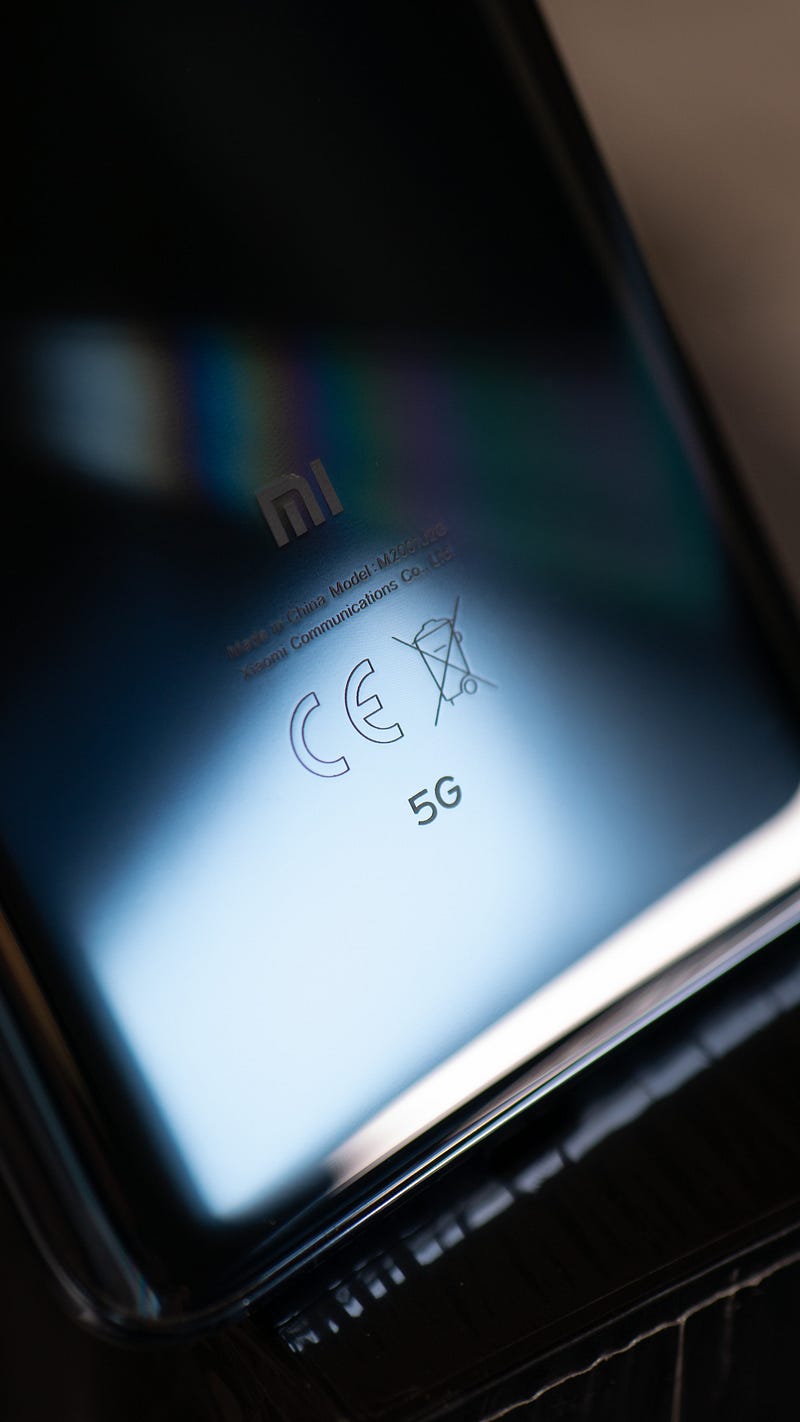
In several of my previous stories, I have spoken about various types of smartphones and smartphone technologies. A few examples will be linked at the end of this post. In this post, I will discuss Xiaomi’s latest smartphone and its impressive features.
What Is Dual-Aperture On A Smartphone?
Dual aperture on a smartphone is a feature that allows the camera to adjust the aperture size of the lens depending on the lighting conditions of the scene being photographed. Aperture refers to the size of the opening through which light enters the camera lens.
The larger the aperture, the more light enters the lens, resulting in a brighter image. The aperture size also affects the depth of field or the range of focus of the picture.
In traditional cameras, the photographer manually sets the aperture size using a dial or a button. However, the aperture size is fixed in smartphones, and the camera software automatically adjusts the exposure settings based on the available light.
Dual aperture technology allows the smartphone camera to switch between two different aperture sizes depending on the lighting conditions.
The first smartphone to feature dual aperture technology was the Samsung Galaxy S9. The device had a rear camera with a 12-megapixel sensor and a dual aperture of f/1.5 and f/2.4.
In low-light conditions, the camera automatically switches to f/1.5 to allow more light into the lens, resulting in brighter and clearer photos. In sunny conditions, the camera would switch to f/2.4 to reduce the amount of light entering the lens and prevent overexposure.
The Samsung Galaxy S10 and S20 series also featured dual aperture technology, with improved sensors and larger aperture sizes. The S10 had a 12-megapixel camera with a dual aperture of f/1.5 and f/2.4, while the S20 had a 64-megapixel camera with a dual aperture of f/1.8 and f/2.2.
Dual aperture technology has several advantages over fixed aperture lenses. One benefit is improved low-light performance.
By allowing more light into the lens, the camera can capture brighter and clearer photos in low-light conditions. This is particularly useful for indoor or nighttime photography, where lighting conditions can be challenging.
Another advantage of dual aperture technology is improved depth of field. By adjusting the aperture size, the camera can control the amount of background blur, or bokeh, in the image.
A wider aperture (lower f-number) will create a shallower depth of field, while a narrower aperture (higher f-number) will create a deeper depth of field. This allows the photographer to focus selectively on the subject and blur out the background, creating a more visually appealing image.
However, there are some limitations to dual aperture technology. One limitation is the cost of implementation. Dual aperture lenses are more complex and expensive to manufacture than fixed aperture lenses, which can increase the cost of the smartphone.
Additionally, the mechanical components that allow the lens to switch between apertures can be more prone to failure or damage than a fixed aperture lens.
The Xiaomi 13 Ultra And Its Impressive Camera
Xiaomi has unveiled its latest flagship smartphone, the Xiaomi 13 Ultra, in China, which will be launched globally later in the year. This phone is a high-end device that offers users something unique with its main camera feature, the dual aperture.
It can switch between f/1.9 and f/4, which we first saw on the Samsung Galaxy S9 in 2018. However, while the feature did not seem to be a game-changer at the time, the massive sensor on the Xiaomi 13 Ultra has made it a killer tool.
Smartphone cameras have come a long way, and the Xiaomi 13 Ultra’s 1-inch sensor is proof of that. This is the same size as Sony’s pro-grade compact camera, the RX100, and Samsung’s Galaxy S23 Ultra’s massive 200MP resolution.
The bigger the camera sensors get, the more stylized the photos become, specifically in a blur. Larger camera sensors create a blurry background or shallow depth of field, giving photos an artistic touch.
Older phones, such as the iPhone 8 or Galaxy S7, would take a photo with everything in focus, while the new iPhone 14 Pro or Galaxy S23’s shots have a sharp foreground and a blurry background.
This effect is not just computer-generated portrait mode. It is the real McCoy, created by the lens and camera sensor working together perfectly. While a blurry background is perfect for shots of people and close-up objects, it is not ideal for other things.
For example, when scanning documents, a large 1-inch sensor and a wide aperture can result in only one part of the document being pin-sharp, while the rest is a beautiful but not useful amorphous blob of soft focus.
Other camera phones, such as the iPhone 14 Pro, handle this issue by switching to an inferior secondary camera when taking pictures of documents.
The Xiaomi 13 Ultra, on the other hand, can solve this problem with its dual aperture feature, which determines the amount of background blur in its shots. A bigger number like f/4 results in less blur, and a smaller number like f/1.9 results in more blur.
While the Samsung Galaxy S9’s dual-aperture feature was not as useful due to its small camera sensor, the Xiaomi 13 Ultra has the largest smartphone sensor available. Therefore, having a dual aperture feature on this phone could make a huge difference in photo quality.
The aperture-switching feature also plays a role in shooting videos. A wide aperture and a big sensor can cause footage to be too bright on a sunny day, resulting in blown-out skies and a hazy appearance.
Unlike traditional cameras, smartphones have historically been unable to change the aperture or dial-down exposure to compensate for too much sun. The Xiaomi 13 Ultra’s ability to toggle between f/1.9 and f/4 makes it an excellent phone for anyone shooting videos in particularly sunny conditions.
The Xiaomi 13 Ultra is also perfect for long-exposure photography, as photo enthusiasts can capture light trails or turn running streams into ethereal pillowy brush strokes with a slow shutter speed of f/4.
The Xiaomi 13 Ultra has other features besides the dual aperture and the massive 1-inch main sensor. It has an ultra-wide and two telephoto cameras that can capture 8K video and reach up to 120mm (5x zoom equivalent). Each camera has a 50MP Sony sensor.
The phone also has an attractive design inspired by the Leica M1 camera, with a nano-tech antibacterial vegan leather surface with a blasted metal frame. It comes in Black, Olive Green, or White.
However, the Xiaomi 13 Ultra’s massive 1-inch sensor sets it apart. As smartphone cameras continue to improve, we expect to see more innovations like this that push the boundaries of what’s possible with mobile photography.
The Xiaomi 13 Ultra looks like an incredibly impressive smartphone that offers users a wide range of features and capabilities. From its powerful camera to its sleek design and impressive hardware specs, this device has a lot to like.
Whether you’re a professional photographer looking for a powerful camera phone, or just someone who wants a high-end smartphone with all the latest features and capabilities, the Xiaomi 13 Ultra is a device to watch.
Final Words
Xiaomi’s latest flagship smartphone, the Xiaomi 13 Ultra, has a dual aperture camera that can switch between f/1.9 and f/4, making it unique.
This feature adjusts the amount of background blur or bokeh in the image, allowing the photographer to focus selectively on the subject, creating a visually appealing image.
The Xiaomi 13 Ultra has a massive 1-inch sensor, the same size as Sony’s pro-grade compact camera, which creates a shallow depth of field, giving photos an artistic touch.
While other camera phones handle document scanning by switching to an inferior secondary camera, the Xiaomi 13 Ultra solves this problem with its dual aperture feature, determining the amount of background blur in its shots.
The dual-aperture feature on this phone can significantly affect the photos' quality. It also plays a role in shooting videos by adjusting the aperture size based on lighting conditions.
If you enjoy my posts and would like to stay updated on the latest gaming-related news, technology advancements, design trends, and social media insights, I invite you to follow my profile.
I will continue to share my thoughts and insights on a wide range of topics in the world of entertainment and technology.
With that being said, thank you for reading my post, and have a good one.
Here are a few of my previous stories relating to smartphones:
Here’s Why Foldable Devices Are the Future of Smartphones and Tablets
The Nothing Phone (2) was just Announced to be Released Late This Year
About Me
I write articles in my field covering gaming, film-making, social media, and design. I am also a YouTuber. Thank you for subscribing to my account to get notifications when I post on Medium. I also created a new website to share my content for free and promote stories of writers contributing to my publications on Medium. Let’s connect on Twitter and LinkedIn.
I own two publications on Medium. One for video gamers and another for YouTubers and Podcasters. I also support Illumination Integrated Publications as a volunteer editor and participate in collaborative activities in the Slack Workspace. Writer applications for my publications can be sent via this weblink. Please add your Medium ID.
If you are new to Medium, you may join via my referral link. You may also consider being a Vocal+ member to monetize your content. I write for both platforms and repurpose my content to reach a larger audience. Here is more information about Vocal Media.
This post includes my Medium and Vocal Media referral links.


