
The Twelve Steps Of Transition
Transition, like recovery, depends on the little things
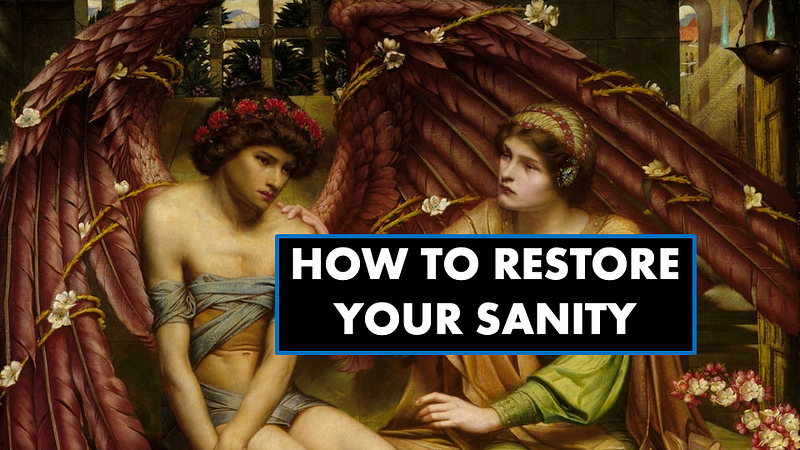
Are you ready to take twelve essential steps to your transition?
12-step programs saved my life, and each night, they return me to sanity.
Who knew they could also help me complete my transition?
My most dangerous drug
I don’t drink, and I’m an atheist, so my first sponsor had to adapt the program in a few ways. They had no idea how far I’d take the limits of the 12 steps — or how far they would take me.
Like many people in fellowships such as Al-Anon, ACoA, and CODA, my most dangerous drug was mood-altering people. An abuser can give you a euphoric high like no other if you last long enough to receive a Love Bomb.
A Love Bomb isn’t just about intense affection. The abuser seduces you into a state of vulnerability so they can then feed off that energy. It’s why you’re likely to find seemingly benevolent abusers (like my qualifier) hiding in the plain sight of health industries like massage, medicine, teaching, and social work.
They validate your most vulnerable parts, all while planting the seeds of dependency.
My most vulnerable parts
As a kid, I survived my family’s cult, then trans conversion therapy, then a quasi-incestuous and co-dependent relationship with the seduction guru/con artist I once called my brother.
I grew up in extreme dysfunction. Even when I broke free from those people, I carried the pattern of dysfunction with me. I became my own worst abuser.
It’s no wonder I felt insane
For a time, drugs — be they a substance or a person — gave me a false sense of sanity. And in that deception, they numbed me enough to hide my true self.
12-step programs didn’t just help me feel again. They helped me face the fear of feeling at all.
To be here, to be in my body, to be alive means to see myself as I truly am. And I spent decades terrified of what I would find.
A path to self-empowerment
I already knew the 12 steps could return me to sanity. I had no idea that same process could restore my gender identity. But when I stopped to re-read the big books in AA, ACA, and CODA again…the promises were there all along.
A healed self is an authentic self. Of course that was going to include my gender.
12-step programs helped me cultivate the courage to face the deep-rooted terror, trauma bonds, and dysfunction holding me back in the past. But more than that, they gave me the clarity to confront the part I can play in every moment after this one.
Here is my version of the twelve steps and how they help me take bold steps each day in my transition.
The Twelve Steps of Transition
- Admitted we were powerless over our gender identity.
- Came to believe that finally living as our true selves could restore us to sanity.
- Made a decision to turn our will and our lives over to a gender-affirming way of life.
- Made a searching and fearless inventory of our authentic gender.
- Admitted to ourselves and to another human being our authentic gender (or lack of gender).
- Were entirely ready to have transition remove all possible pieces of our transition disguise.
- Humbly asked the Gender Gods to transition the behaviors that hide our true selves.
- Made a list of how our (perhaps unwitting) deception harmed those we love — including ourselves — and became willing to make amends to them all.
- Made direct amends to such people — starting with ourselves — wherever possible, except when to do so would injure them or others.
- Continued to take personal inventory, and when we were again deceptive about our authentic gender, promptly admitted it (even if just in private).
- Sought through meditation to improve conscious contact with our authentic place on or off the gender spectrum, praying only for knowledge and the power to carry out the will of the Gender Gods.
- Having had a spiritual awakening as the result of these steps, we tried to carry this message to other transgender and queer allies, and to practice these principles in all our affairs.
Additional reading
My Recovery | Carla: Transgender and Alcoholic (The Recovery Book)
Leaving the Drug Addict Role and Creating a Recovering IdentityVariations by Gender: A Qualitative Study (Scholar Works)
The F*** Yeah! Approach To Your Transition (Transgender Soapbox)
What Do You Do With The Dysphoria That You Feel? (An Injustice)
How I Recognize DARVO In Toxic Relationships (Honestly Yours)
If you like my work and want to support it, send me a tip or become a subscriber for Queer History on Patreon, Medium, YouTube, or Substack


