
The Rise of the Data-Driven World
How Data and AI are reshaping the World

Long Story, short: In this article, we’ll explore how data-driven insights are revolutionizing different industries like healthcare, retail, finance, and transportation. We’ll delve into the opportunities and challenges presented by this new wave of innovation and emphasize the importance of adapting and learning new skills to stay ahead of the competition. So, if you’re curious to learn about the impact of data on business and society, keep on reading!
As someone who lived through the age when computers first massively entered the workplace and witnessed the rise of email, I also had the unique opportunity to build a fintech startup in the 90' during the first internet bubble. In 2003, I also ventured into the mobile space with another startup. I saw the astronomical rise of smartphones and how this transformative technology completely changed how we live and work. I can say I surf the different digital innovation waves.
But now, as we enter a new era of innovation, I believe we are on the cusp of even more significant and transformative changes. With the massive influx of data and advancements in AI, the pace of innovation is accelerating, and we are seeing entire industries being disrupted and reshaped. This new age of creation brings the potential for unprecedented growth and prosperity, but it will also bring challenges and upheaval as many jobs become obsolete and new ones emerge.
We are entering a data-driven world where those who can harness the power of data and AI will have a significant competitive advantage. But this will not be easy. As we navigate this new era, we must adapt and learn new skills to stay relevant and competitive. But if we can rise to the challenge, we have the potential to create a brighter, more prosperous future for ourselves and for generations to come.
Data is everywhere. It comes from our smartphones, computers, and other devices. Social media, sensors, and other sources generate it. Advanced technologies such as machine learning, artificial intelligence, and data analytics have made it possible to derive insights and knowledge from this data. The challenge is managing and making sense of this vast amount of data.
Businesses now use data-driven insights to make better decisions, create new products, and improve their operations. Companies can analyze customer data to understand their needs, preferences, and behaviours. This allows for personalized experiences, improved customer satisfaction, and increased revenue.
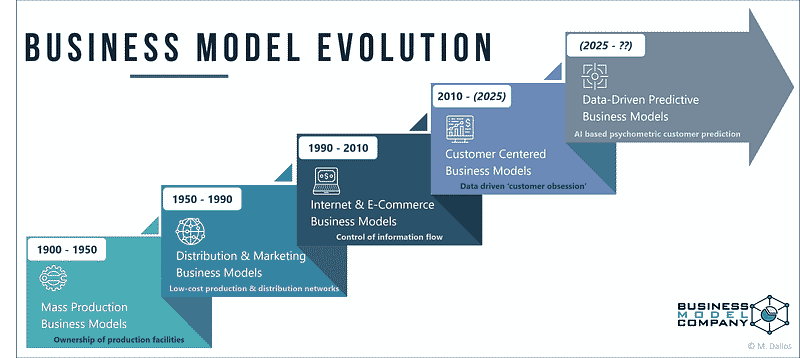
Data-driven insights can also help businesses identify potential risks and opportunities. For example, a retailer can use data analytics to identify trends and adjust their inventory accordingly. A bank can use data-driven insights to identify fraudulent activities and enhance cybersecurity.
The arrival of the Data-Driven World is also bringing about significant changes in the job market. Many jobs or tasks will disappear, and new ones will emerge. Individuals and organizations must learn new skills to thrive in this data-driven World.
The Data-Driven World is not without its challenges. Ensuring the data is accurate, relevant, and ethically sourced is essential. Privacy concerns must also be addressed, and individuals must have control over their data.
Here’s a short list of different industries and examples of how they have used data-driven insights to drive innovation and success:
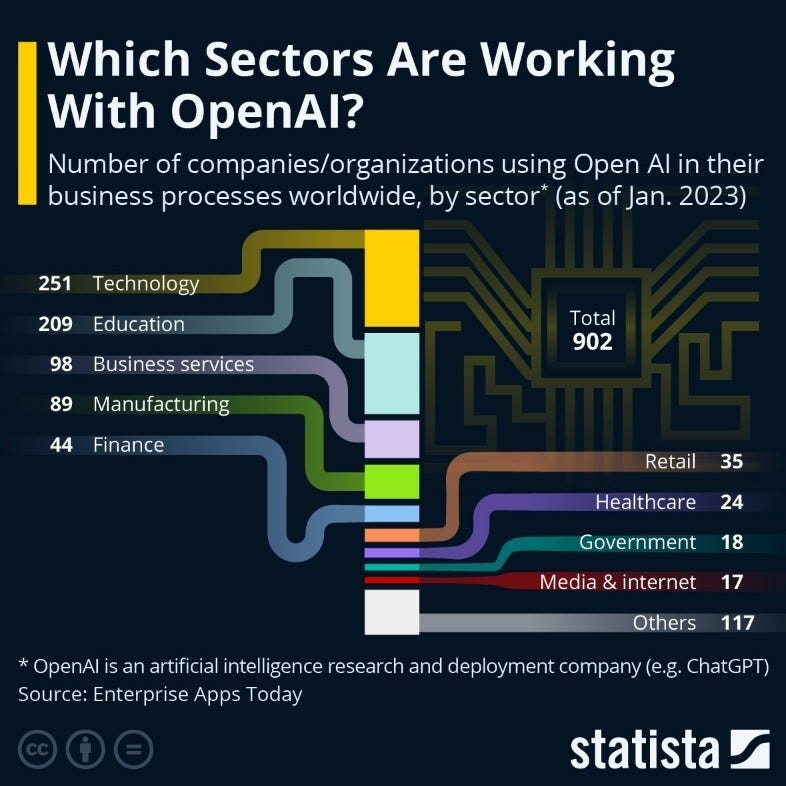
- Healthcare: Personalized medicine and improved patient outcomes with machine learning algorithms analyzing medical imaging data. Companies like Flatiron Health and Prognos Health leverage data-driven insights to improve cancer detection and diagnosis.
- Retail: Improved customer experience and increased revenue by providing personalized recommendations and promotions with data analytics. Companies like Amazon and Walmart leverage data-driven insights to improve customer experience and sales.
- Financial services: Improved fraud detection and risk management with machine learning algorithms detecting fraudulent transactions and identifying potential risks. Companies like PayPal and Capital One leverage data-driven insights to enhance fraud detection capabilities.
- Manufacturing: Optimized supply chain operations and improved quality control with data analytics analyzing sensor data from production equipment. Companies like General Electric and Siemens leverage data-driven insights to optimize manufacturing processes.
- Transportation: Improved efficiency and safety with data analytics optimizing routes and reducing passenger wait times. Companies like Uber and Lyft leverage data-driven insights to improve ride-sharing services.
- Education: Improved student outcomes and informed instructional decisions with data analytics tracking student progress and identifying areas where they may need additional support. Companies like Blackboard and Edmentum leverage data-driven insights to improve student outcomes and learning.
- Machine to Machine: Optimized performance and reduced downtime with data analytics and machine learning analyzing device sensor data — companies like Caterpillar and John Deere leverage data-driven insights to optimize their equipment performance and maintenance.
- Logistics: Optimized logistics and improved delivery times with data analytics analyzing traffic patterns and identifying the most efficient delivery routes. Companies like UPS and FedEx leverage data-driven insights to improve logistics operations and delivery times.
These are just a few examples of how big companies and startups in each industry leverage data-driven insights to drive innovation and success.
While data-driven decision-making can provide valuable insights and help businesses optimize their operations, it’s essential to recognize that data is not always the only factor to consider when making decisions. Incomplete, inaccurate, or biased data can lead to incorrect conclusions and poor decision-making. Additionally, data cannot always capture the full complexity of human experience or emotions and cannot replace creativity and intuition in decision-making.
Finally, data cannot always predict the future with certainty, significantly when external factors impact the outcome. As such, businesses must balance data-driven decision-making with other factors such as experience, intuition, and creativity. This can help ensure that decisions are made with a well-rounded perspective and that outcomes are optimized for success.
So, while data can be an invaluable tool for decision-making, it’s essential to consider the potential ethical implications. Bias in algorithms is a primary concern, as it can perpetuate existing inequalities and lead to discriminatory outcomes. Privacy concerns must also be taken seriously, especially when data is collected without consent. Fairness and equity must also be considered, as data-driven decisions can significantly impact people’s lives. Additionally, using data without transparency or accountability can erode trust in businesses and institutions. By being aware of these ethical considerations and ensuring that data is used responsibly, transparently, and accountable, businesses and organizations can build trust with their customers and stakeholders while optimizing outcomes.
The arrival of the Data-Driven World is one of the most significant changes of our time, and it’s nothing to be afraid of. Embracing this new wave of innovation can be incredibly empowering. Data is the most valuable asset, and businesses leveraging data-driven insights will be the most successful. But it’s not just about companies — individuals can benefit greatly from the wisdom that data can provide.
Of course, there will be challenges that come with this change. Individuals and organizations will need to learn new skills and address privacy concerns. But the rewards of this data-driven World are too great to ignore. The demand for data-driven insights and knowledge will only increase as we continue to generate more data.
So don’t be afraid to dive into this new World. Study and play with new technologies like ChatGPT, and be open to change. Individuals and organizations must embrace this data-driven culture and leverage the power of data to drive innovation, growth, and success. Let’s not shy away from the opportunities in the Data-Driven World.
The AI Saga: is a series of four articles that explore the advancements and implications of artificial intelligence (AI) in our world. The articles cover various topics, including generative AI, the role of data and AI in reshaping the world, the backbone technology driving the new AI revolution, and the complex relationship between humans and AI. Together, these articles offer a comprehensive look at the current state of AI and its potential impact on society.