
The Psychology Behind Horror Movies
The Halloween aesthetic is gradually permeating into every corner of our lives, whether it is through our music choices or through our favourite TV shows or movies, while the real-world is full of dreaded horrors.

After a long day, we sometimes like to sit down and watch a good movie or two. For many of us, we watch thrilling but macabre movies and walk out of it, much more calm and relaxed than we were before.
The existing scientific literature suggests that there are two main reasons why people enjoy horror movies:
- The fear surrounding the movie excites us.
- We go through the fear to feel the euphoria that follows it.
However, neither theory is wholly correct. Instead, some people are just happy to be scared, and that fear also makes us happy, lending itself to a twisted and infinite loop of simultaneous happiness and fear.
That’s right — we experience surges of both positive and negative emotions simultaneously while watching a movie. The prospect of being scared without actually exhibiting danger is addicting, without any of the consequences associated with the real world.
Why Does Fear Make us Excited?
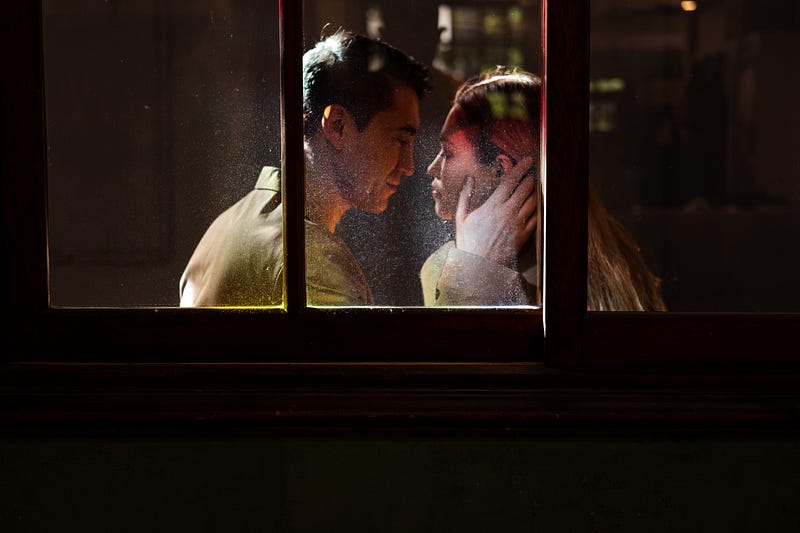
Fear makes us excited as people have a tendency to confuse their feelings, whether they realize it or not. For example, if you were trapped in a deserted cabin in the middle of nowhere, with no means of communication, but you’re with a beautiful and hot stranger, you’d be secretly confused too.
On one hand, you’re in danger, but on the other, you’re with someone so incredibly beautiful, that your level of arousal is overriding your ability to consciously see the imminent dangers, such as bears or the stranger being a serial killer.
However, there might be an unconscious part of you that still knows you’re in danger. Instead, the fear fuels your love or lust towards the hot stranger, and you find them even more attractive than usual. Then, when it’s too late — you feel thrown off.
Channelling Fear into Excitement
If you’re the anxious type, you can transform your fears into delights, whether it was through courage or compassion against darkness, or even curiosity to make sense of the scary world. According to researchers, this is called anxious reappraisal.
I’ll give an example — when you’re performing or doing something strenuous, you might be feeling anxietal pressure. A little anxiety is quite normal. With the right amount, you can increase your focus and motivation.
If you have too much anxiety, it becomes hard to process information, and you might self-sabotage your own performance. To curb this kind of anxiety, you might try to do calming exercises, like yoga or breathing exercises.
However, the mental gymnastics associated with shifting your high-energy anxiety towards low-energy calmness might be too much. Instead, you “reappraise” the anxiety by reframing it into a more positive circumstance. Instead of going for calmness, you go for excitement.
Reframing fear into excitement requires less mental gymnastics and is physiologically similar to anxiety. Many circumstances can provoke this, such as surprise birthday parties, the wild rushes of a roller coaster, and even horror movies.
The next time you watch a horror movie, perhaps you will find yourself repurposing your own fears into excitement, or even foster both at the same time.
For more spooky articles from the author, please visit:


