
How Horror Movies Reduce Psychological Distress
According to a recent study at the University of Chicago, horror fans are better equipped with managing the real-life horrors of the world, including, but not limited to, the pandemic.
Horror Reduces Real-Life Distress
The basic rationale is this: frightening experiences are simulations of things we may anticipate in the real world. When you watched a particular movie, perhaps the director consulted with various experts on things that could theoretically happen or could happen in the future.
After watching a horror movie, perhaps you consciously or unconsciously conjured up theoretical scenarios of your own, such as your survival rate in a supposed zombie apocalypse, the actions you would take to reduce your likelihood of getting harmed by those zombies, and many more.
Participant Measurements
In this study, conducted in April, during the height of uncertainty on the status of the world, over 300 participants were asked a variety of questions on their media preferences.
These included questions on whether they felt they were a horror fan or were a fan of another media genre. As well, emotional and psychological states were measured by asking participants to respond to assessment scales with statements that addressed irritability, sleeplessness, perspective, ability to do tasks, and many more.
From this study, it was determined that horror fans felt less psychological distress than their other genre counterparts, and this was after the researcher controlled for miscellaneous third-party variables, such as age, personality, sex, and horror enjoyment level.
It seems that horror fans were less likely to feel anxiety, depression, sleeplessness and many more.

Why Were Horror Movies Appealing?
There are a few specific explanations surrounding the appeal for horror. These include hedonic reversal and the ordeal simulation hypothesis.
Hedonic reversal, also known as benign masochism, suggests that when people know that they are safe, they are more likely to enjoy an experience that would typically be not enjoyable. For instance, we can appreciate the euphoric thrills associated with roller coasters, without actually having to perish.
The ordeal simulation hypothesis suggests that we enjoy horror because we can conjure up intense situations to subconsciously prepare ourselves for a similar but real life danger. Writers and filmmakers sometimes do this when they kill off characters in a story.
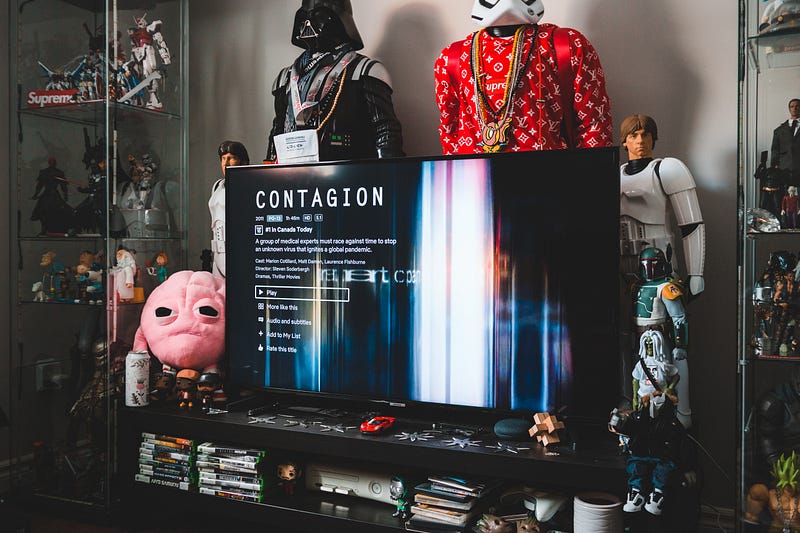
Considering world events, plenty of people have been making comparisons to multiple movies that explored similar concepts, such as Contagion, World War Z, and The Andromeda Strain.
Overall, while horror fans may have exposed themselves to scary film simulations that are not fully grounded in reality, it may prove to be helpful in handling the psychological distress of the real-world, especially in the years to come.
For similar spooky articles from the author, please visit:


