
Our Brains are Neuroplastic
Trauma tries to ruin it.

According to The Conversation, neuroplasticity is defined as the ability of the brain to shift and change across the lifespan in response to ongoing experiences, ranging from our genes to our environment. It changes by rewiring itself, re-learning and strengthening the bonds between the multiple synapses in our brain.
There are two main types of neuroplasticity:
- Structural plasticity: The ability of the brain to change its physical structure when learning new things, such as when learning a new language.
- Functional plasticity: The ability of the brain to move functions from a damaged area to a newer area, like during a traumatic event.

The Gene-Environment Interaction
Our genes alone do not change neurocognitive circumstances, it relies on information from our environment to do so. Concurrently, the environment we live in does not change our brains on its own, it relies on our genes to make it happen. In other words, the gene-environment interaction influences the rate and speed of neuroplasticity.
This is not to say that our brains are made from Play-Doh and can be molded so simply. No, what I’m suggesting here, is that the brain is quite malleable at times, for better or for worse.
Making Your Brain Shift
- Learning a new skill, such as learning a new language.
- Traumatic incidents and injuries.
- Resilience against cognitive decline, including dementia.
- Increases in intelligence, as your brain builds connections between previously two unrelated concepts.
- Forgotten memories are replaced by, or maintained by, newer memories.
- General neurological and physical growth across the lifespan.
- The advent and onset of puberty…and many more.
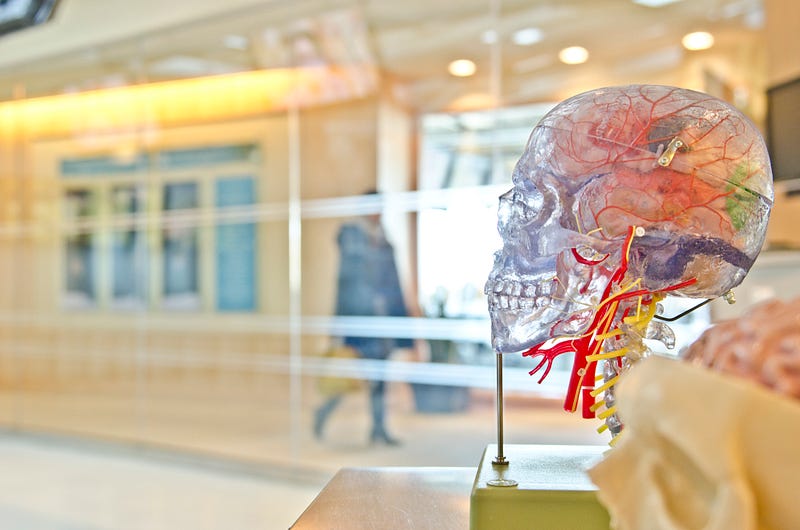
Neuroplasticity in Childhood
Neuroplasticity is most profound during the formative years, particularly during the onset of birth, called synaptogenesis. For each skill or cluster of skills learned, we generate synapses that bridge a series of synapses together, allowing us to make connections between multiple concepts/ideas.
In infancy, we have about 2500 synapses, which turns into an amazing 15,000 by age three. If anything untoward happens when we are young children, any potential damage can be addressed and repaired in the later years, but the effort to change is much harder. This is because the childhood years are the optimal peak years of neuroplasticity.
When we stop using certain skills, our brain does something called synaptic pruning. Imagine the synapses in our brain as telephone wires. After a while of not using a certain wire, it fades away and a series of these older wires get sometimes replaced by a new wire that optimizes the connection. If the original wire didn’t fade away, it would entangle with the other wires in our brain, overwhelming us with unnecessary information.
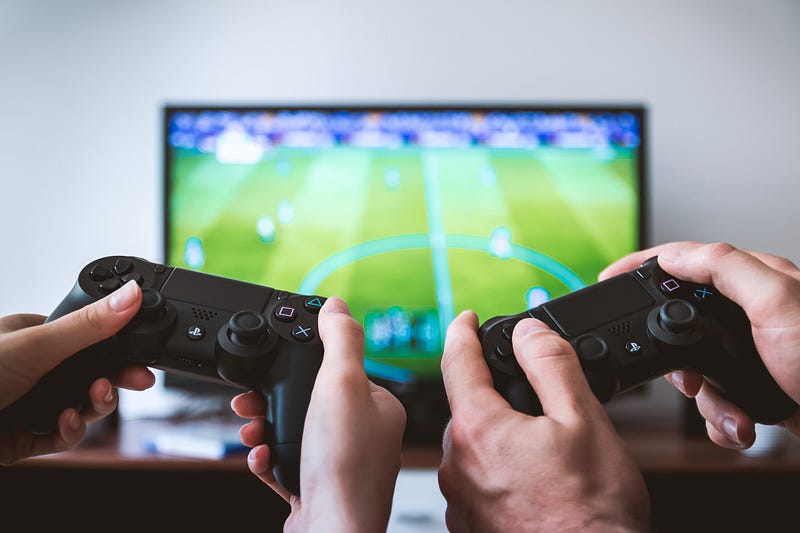
However, if new wires are being built all the time, then we just need to continue utilizing old skillsets to keep them stable. This is most likely why you’ve heard that playing word games and video games might help seniors combat potential memory disorders.
Why Trauma Impacts Neuroplasticity
Trauma is a curious thing. Many disorders and circumstances can generate trauma, including the physical kind, like an accident, or the psychological verbal abuse from another person. Since we established that children are the most vulnerable, trauma can and will influence how their brain develops.
According to Psychology Today, at least 50% of the North American population will have some semblance of trauma at some point in their lives. While reactions vary significantly, the brain can be both unpredictable and predictable.
Trauma injures neuroplasticity. The brain will attempt to repair itself during a terrible situation, but sometimes not everything can be salvaged, invoking elements of functional plasticity. For example, some traumatic people have the inability to recall specific past events but have it stored in another part of the brain that usually does not house that sort of info, so they don’t know to look for it in the first place.
How Trauma Alters the Brain
To broadly simplify:
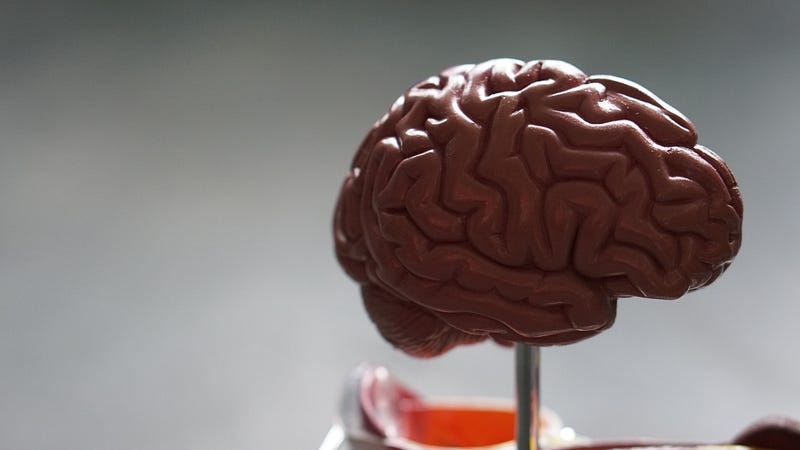
- Our prefrontal cortex (PFC) is associated with critical thinking and works closely with the anterior cingulate cortex.
- Our anterior cingulate cortex (ACC) is associated with emotional regulation, including managing difficult thoughts.
- The amygdala is associated to fear. This is the same device that elicits during our “fight-or-flight” response. In other words: do we run away from the bear or do we fight the bear?
Each of these areas might get impacted in various ways. The PFC might become underutilized, making it harder to think. The ACC might be under-activated, making it harder to contain emotion. The amygdala might be over-activated, making one fearful all the time, even if there is no bear nearby.

Reducing Trauma As It Happens
While dealing with trauma is not easy, I’ll list a series of recommendations based on prior subject matter knowledge on the topic and prior research undertaken for this article:
For adults:
- Mental health apps that specifically enrich a person with gamification incentives, like word games — this is to reduce brain decline.
- A supportive network of patient family and friends — if they’re making your trauma worse, you might need to spend less time with that person.
- Mindfulness training specific to people with traumatic histories — there may be seminars in your area that are specifically for people with PTSD, for example.
For children:
- Determine if the children have a diagnosis in the first place and provide individualized support based on the recommendations of their medical physician, social worker, and/or psychotherapist.
- Minimize traumatic triggers and complications in learning, including environmental cues and specific people.
- Focus on generating real-life hands-on skills, like motor skills and communication skills — to avoid losing important skillsets down the line.
- Attend parental sessions to provide customized support and resources to the child.
- Motivate the children with incentives that match the task being provided to them. Highlight and focus on the child’s strengths, to help them foster motivation.
For both:
- A long-term therapist that can help generate ongoing exercises, validation, and support for the individual across the lifespan — this is to ensure that you have an impartial third party to soundboard off of, regardless of age.
- Acknowledge personal feelings. They’re valid.
- Re-establish routines as comfort is found in familiarity.
- Limit media exposure to traumatic stressors.
- Engage in casual volunteer time if possible to distract yourself from stress.
- Join a support group….and many more.
For more current stories from Synthia, please read:
To support Synthia and other writers on Medium, you can join Medium’s Membership program. For you, this means unlimited access to millions of stories — alongside an ability to write for the masses as well.


