avatarSynthia Stark

Free AI web copilot to create summaries, insights and extended knowledge, download it at here

4741

Abstract

racter not seen previously, particularly through this character’s endearing charm and wit.</p><p id="e378">When a loved one dies, it impacts us because of the emotional attachments we had with them. If you want an impactful death scene, you have to make sure that the character you are writing is someone worth investing for.</p><figure id="5328"><img src="https://cdn-images-1.readmedium.com/v2/resize:fit:800/0*58eoWnnnYukfR1KY"><figcaption>Photo by <a href="https://unsplash.com/@freestocks?utm_source=medium&amp;utm_medium=referral">freestocks</a> on <a href="https://unsplash.com?utm_source=medium&amp;utm_medium=referral">Unsplash</a> — I love you, and you love me.</figcaption></figure><p id="1469">We are rooting for this character to fulfill their dreams. We want this character to be loved, not feared. Sometimes, this character is likeable and funny too, serving to assuaging different scores of characters in the overall narrative.</p><p id="1690">If you’re unable to write about someone that you love, you can instead write about a character that you absolutely loathe. The readers will be able to feel the anger as you write out this outright rude character. They may shout with glee when this terrible character has finally died.</p><figure id="f174"><img src="https://cdn-images-1.readmedium.com/v2/resize:fit:800/0*sUiKZwox1teBnAgK"><figcaption>Photo by <a href="https://unsplash.com/@stywo?utm_source=medium&amp;utm_medium=referral">Stephan Seeber</a> on <a href="https://unsplash.com?utm_source=medium&amp;utm_medium=referral">Unsplash</a> — This might be an evil laugh.</figcaption></figure><h2 id="ec04">Character Impact</h2><p id="7faf">As I hinted earlier, for a character’s death to be impactful, the character will cause multiple characters to react in different ways, resulting in a new series of domino effects.</p><p id="93bd">For example, as a result of this character dying, perhaps the main character, a well-grounded but humble individual, will abandon their regular duties and move to another country. Perhaps they become free-spirited, and do something so tragic or so wonderful, that they go on to become famous.</p><figure id="d9d6"><img src="https://cdn-images-1.readmedium.com/v2/resize:fit:800/0*7XhUCLeAf8wJZfu_"><figcaption>Photo by <a href="https://unsplash.com/@krysamon?utm_source=medium&amp;utm_medium=referral">Krys Amon</a> on <a href="https://unsplash.com?utm_source=medium&amp;utm_medium=referral">Unsplash</a> — Maybe they will avenge the death of their loved one.</figcaption></figure><p id="618a">Alternatively, perhaps the death unites different scores of people who did not know each other previously. Perhaps two strangers find comfort in one another, forming solidarity against a new enemy.</p><p id="fc1f">When considering the impact of this character, consider the following:</p><ul><li>How do each of the survivors react to the death?</li><li>Which characters remain together? Which ones permanently leave?</li><li>Do any characters reunite, ignited by their shared trauma?</li><li>Does this death cause someone to do something stupid?</li><li>Will someone be driven by grief and/or vengeance to get what they want?</li><li>Do old enemies become friends now? Do new romances flourish?</li></ul><figure id="0ca8"><img src="https://cdn-images-1.readmedium.com/v2/resize:fit:800/0*l-I7k73sKRm62WMi"><figcaption>Photo by <a href="https://unsplash.com/@ksudu94?utm_source=medium&amp;utm_medium=referral">Kyle Sudu</a> on <a href="https://unsplash.com?utm_source=medium&amp;utm_medium=referral">Unsplash</a> — Maybe the death united two enemies who became lovers, instead.</figcaption></figure><h2 id="178a">Foreshadowing and Shock Value</h2><p id="a43e">Sometimes it’s tempting to write a random death scene just for the sheer absurdity and shock associated to it. A lot of TV shows do it when their viewership is teetering too low, so why can’t we?</p><p id="c0ce">However, a good death scene is one that secretly serves a greater purpose for one or many characters. Plus, good writers make a lot of mental calculations to ensure that there was some kind of subtle foreshadowing and/or red herring leading up to the death.</p><figure id="7c80"><img src="https://cdn-images-1.readmedium.com/v2/resize:fit:800/0*Z7z78VAOu9X4Cjsk"><figcaption>Photo by <a href="https://unsplash.com/@anniespratt?utm_source=medium&amp;utm_medium=referral">Annie Spratt</a> on <a href="https://unsplash.com?utm_source=medium&amp;utm_medium=referral">Unsplash</a> — Maybe someone presents a riddle.</figcaption></figure><p id="69b6">In other words, perhaps there was a very subtle clue that a death was going to happen. For example, the character starts to act a bit funny, but you think it’s because they are

Options

secretly a villain.</p><p id="840a">They are not.</p><p id="7c03">While they seem like a potential villain, another character, the side-hero, conjures up a trippy nightmare involving this character. This dream includes some kind of significant symbol. The side-hero tells the protagonist. The protagonist dismisses it, as do you.</p><p id="2115">Then you get to the death scene itself, full of tears. You feel blindsided, but then you re-read the book again. You think to yourself, “Why didn’t I notice that detail before? I should have known!”</p><figure id="df50"><img src="https://cdn-images-1.readmedium.com/v2/resize:fit:800/0*g4jAIbah-G1L8Pl5"><figcaption>Photo by <a href="https://unsplash.com/@nathangbingle?utm_source=medium&amp;utm_medium=referral">Nathan Bingle</a> on <a href="https://unsplash.com?utm_source=medium&amp;utm_medium=referral">Unsplash</a> — She was very surprised.</figcaption></figure><h2 id="83f1">Unfinished Business</h2><p id="1e42">As with any character in a story, each person has their own intrinsic and extrinsic motivations to succeed, whether it is solving a murder mystery, running a successful political campaign, or taking down the evil guy.</p><p id="6d91">It makes sense for these goals to be similar to our own, or at least comparable to some extent.</p><p id="22c8">Even though we are flawed creatures, we have the capacity to learn and grow from our mistakes. Perhaps this character was originally a rotten character, who over time, learned to be a better person, through their overarching redemption arc. We were rooting for this character to survive.</p><ul><li>We see ourselves in this character.</li><li>When this character dies, a piece of us dies.</li><li>We get no closure.</li></ul><figure id="8707"><img src="https://cdn-images-1.readmedium.com/v2/resize:fit:800/0*M9oloxQCM8CqSORJ"><figcaption>Photo by <a href="https://unsplash.com/@reubenmcfeeters?utm_source=medium&amp;utm_medium=referral">Reuben Mcfeeters</a> on <a href="https://unsplash.com?utm_source=medium&amp;utm_medium=referral">Unsplash</a> — This trek upward will symbolize the redemption arc.</figcaption></figure><p id="ee3c">The sudden loss of this character means that this character’s goal will never be completed. It was barely out of reach. If they had a few more minutes, perhaps a few more seconds, they could have finished their goal.</p><p id="4896">But they didn’t.</p><p id="078a">The uncertainty of not knowing if their goals will ever be completed, keeps us up at night. We can now only hope that some other character attempts to finish what they started….but even then, it’s not the same.</p><figure id="0cdb"><img src="https://cdn-images-1.readmedium.com/v2/resize:fit:800/0*j-lqmIpVlZGOFaUq"><figcaption>Photo by <a href="https://unsplash.com/@enginakyurt?utm_source=medium&amp;utm_medium=referral">engin akyurt</a> on <a href="https://unsplash.com?utm_source=medium&amp;utm_medium=referral">Unsplash</a> — It’s not the same. It’s not fair.</figcaption></figure><h2 id="6fb3">Unpredictability</h2><p id="db0e">Finally, we didn’t anticipate this character dying. We were lulled into a false sense of security, knowing that they were surrounded by strong and loving characters, and/or perhaps were one of the main characters themselves.</p><p id="ad09">For example, a group of friends hiked into a rather public park, after being driven out of their home. Almost out of nowhere, an assassin whacks one of them in the face, where only one person dies.</p><ul><li>We didn’t expect that specific person to die.</li><li>It was rather sudden.</li><li>They were important for the rest of the story’s events.</li></ul><figure id="2858"><img src="https://cdn-images-1.readmedium.com/v2/resize:fit:800/0*BCewZDYa1uZ4L8Qy"><figcaption>Photo by <a href="https://unsplash.com/@mirajadeofficial?utm_source=medium&amp;utm_medium=referral">Shanique Wright</a> on <a href="https://unsplash.com?utm_source=medium&amp;utm_medium=referral">Unsplash</a> — Their love was possibly temporary plot armour.</figcaption></figure><p id="2a12">Sometimes, a sudden death occurs…because that’s what happens in real life. We took for granted that this character would just survive. Since this character left behind a significant void, you’re left to wonder:</p><ul><li>How will the other characters handle this situation?</li><li>Did the other characters get hurt?</li><li>Can the team or friends move on knowing this character died?</li><li>Who will take over this person’s role? Will anyone even try to take it over?</li><li>….and why this person specifically?</li></ul><p id="924b">There doesn’t even to be a why. In real life, there isn’t a reason why someone suddenly dies. They just do, for better or for worse.</p></article></body>

Writing An Impactful but Killer Death Scene

Photo by Karina Tess on Unsplash — The fragility of humanity always startles us.

In a previous article, I wrote about daydreaming as if it were a metaphorical demon. Because of this so-called demon, I was able to craft a rough draft of a rather extensive, but potential novel.

The rough draft is now 300+ pages.

I did not work linearly to write the early draft.

Instead, I wrote the proposed ending, followed by the beginning. I am now adding the middle scenes. Every now and then, I am tweaking pretty much every single scene, colouring more details, and ensuring there is continuity, foreshadowing, and many more.

I have much more to write in the months to come, but I’m glad that I’m putting my daydreams to good use.

Photo by Luca Laurence on Unsplash — Writing is my coping mechanism.

Some time ago, I had been researching ways of potentially killing off a specific character in my story. It was pretty heartbreaking because it was a character that I put a lot of time, effort, and love into.

  • I invested time into this character.
  • I did research for this character.
  • This character is heavily involved with some of the other characters in the story.
  • This character bounded multiple characters together.

However, a part of me felt that this character was on limited time and that this character would serve a driving force for some of the other characters, including the protagonist.

Photo by Murray Campbell on Unsplash — Time is a temporary construct.

Trying to kill this character proved to be quite hard. Despite it all, I wrote out two proposed death scenes for this character. I’m still debating which death scene to use.

Below, I will assemble the tips I have learned about writing these impactful death scenes:

  1. The audience must be emotionally invested in the character.
  2. The other characters must be heavily impacted by this character’s death, leading to a major domino effect.
  3. The death must be sudden, but with very subtle hints of foreshadowing, but does not rely on pure shock value.
  4. There must be unfinished business for the character.
  5. The death was not predictable for the character, leaving behind uncertainty for the future of the other characters.

Photo by Cristina Gottardi on Unsplash — Life is full of uncertainty.

Let’s get into further detail shall we?

Emotional Investment

I took time to really flesh out this character. This character is quite close to the main character and brought out a new side of the main character not seen previously, particularly through this character’s endearing charm and wit.

When a loved one dies, it impacts us because of the emotional attachments we had with them. If you want an impactful death scene, you have to make sure that the character you are writing is someone worth investing for.

Photo by freestocks on Unsplash — I love you, and you love me.

We are rooting for this character to fulfill their dreams. We want this character to be loved, not feared. Sometimes, this character is likeable and funny too, serving to assuaging different scores of characters in the overall narrative.

If you’re unable to write about someone that you love, you can instead write about a character that you absolutely loathe. The readers will be able to feel the anger as you write out this outright rude character. They may shout with glee when this terrible character has finally died.

Photo by Stephan Seeber on Unsplash — This might be an evil laugh.

Character Impact

As I hinted earlier, for a character’s death to be impactful, the character will cause multiple characters to react in different ways, resulting in a new series of domino effects.

For example, as a result of this character dying, perhaps the main character, a well-grounded but humble individual, will abandon their regular duties and move to another country. Perhaps they become free-spirited, and do something so tragic or so wonderful, that they go on to become famous.
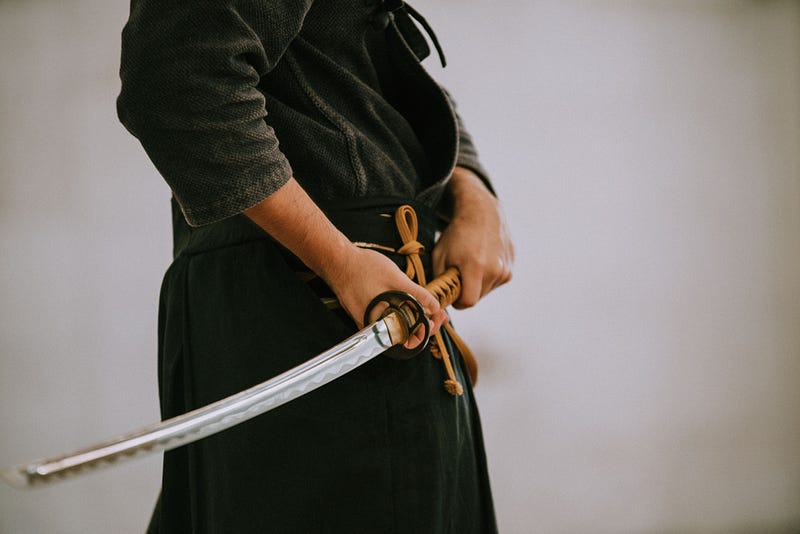
Photo by Krys Amon on Unsplash — Maybe they will avenge the death of their loved one.

Alternatively, perhaps the death unites different scores of people who did not know each other previously. Perhaps two strangers find comfort in one another, forming solidarity against a new enemy.

When considering the impact of this character, consider the following:

  • How do each of the survivors react to the death?
  • Which characters remain together? Which ones permanently leave?
  • Do any characters reunite, ignited by their shared trauma?
  • Does this death cause someone to do something stupid?
  • Will someone be driven by grief and/or vengeance to get what they want?
  • Do old enemies become friends now? Do new romances flourish?

Photo by Kyle Sudu on Unsplash — Maybe the death united two enemies who became lovers, instead.

Foreshadowing and Shock Value

Sometimes it’s tempting to write a random death scene just for the sheer absurdity and shock associated to it. A lot of TV shows do it when their viewership is teetering too low, so why can’t we?

However, a good death scene is one that secretly serves a greater purpose for one or many characters. Plus, good writers make a lot of mental calculations to ensure that there was some kind of subtle foreshadowing and/or red herring leading up to the death.

Photo by Annie Spratt on Unsplash — Maybe someone presents a riddle.

In other words, perhaps there was a very subtle clue that a death was going to happen. For example, the character starts to act a bit funny, but you think it’s because they are secretly a villain.

They are not.

While they seem like a potential villain, another character, the side-hero, conjures up a trippy nightmare involving this character. This dream includes some kind of significant symbol. The side-hero tells the protagonist. The protagonist dismisses it, as do you.

Then you get to the death scene itself, full of tears. You feel blindsided, but then you re-read the book again. You think to yourself, “Why didn’t I notice that detail before? I should have known!”
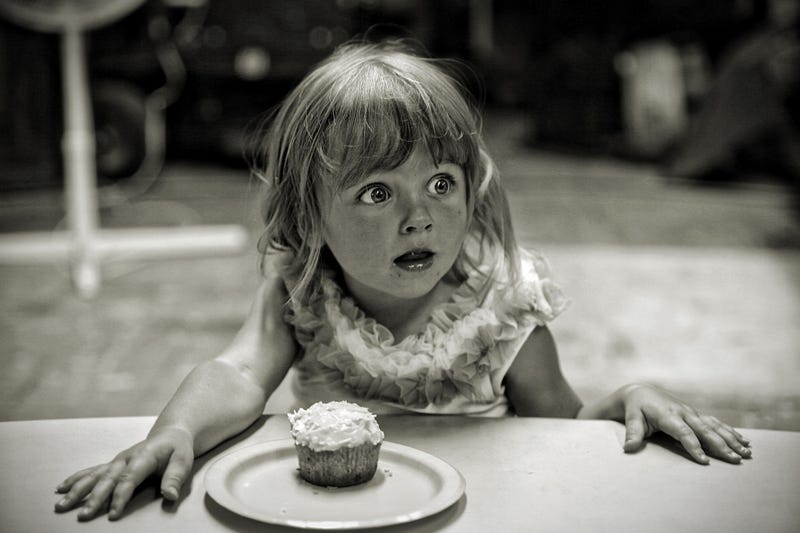
Photo by Nathan Bingle on Unsplash — She was very surprised.

Unfinished Business

As with any character in a story, each person has their own intrinsic and extrinsic motivations to succeed, whether it is solving a murder mystery, running a successful political campaign, or taking down the evil guy.

It makes sense for these goals to be similar to our own, or at least comparable to some extent.

Even though we are flawed creatures, we have the capacity to learn and grow from our mistakes. Perhaps this character was originally a rotten character, who over time, learned to be a better person, through their overarching redemption arc. We were rooting for this character to survive.

  • We see ourselves in this character.
  • When this character dies, a piece of us dies.
  • We get no closure.
Photo by Reuben Mcfeeters on Unsplash — This trek upward will symbolize the redemption arc.

The sudden loss of this character means that this character’s goal will never be completed. It was barely out of reach. If they had a few more minutes, perhaps a few more seconds, they could have finished their goal.

But they didn’t.

The uncertainty of not knowing if their goals will ever be completed, keeps us up at night. We can now only hope that some other character attempts to finish what they started….but even then, it’s not the same.

Photo by engin akyurt on Unsplash — It’s not the same. It’s not fair.

Unpredictability

Finally, we didn’t anticipate this character dying. We were lulled into a false sense of security, knowing that they were surrounded by strong and loving characters, and/or perhaps were one of the main characters themselves.

For example, a group of friends hiked into a rather public park, after being driven out of their home. Almost out of nowhere, an assassin whacks one of them in the face, where only one person dies.

  • We didn’t expect that specific person to die.
  • It was rather sudden.
  • They were important for the rest of the story’s events.
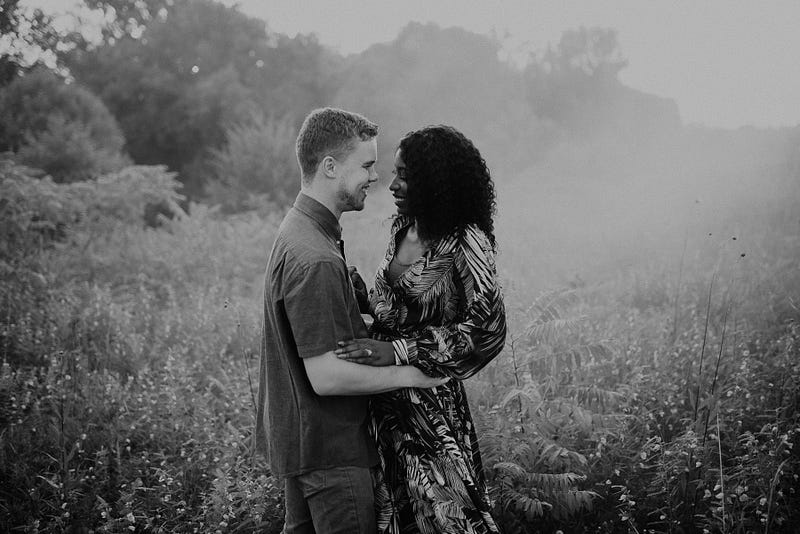
Photo by Shanique Wright on Unsplash — Their love was possibly temporary plot armour.

Sometimes, a sudden death occurs…because that’s what happens in real life. We took for granted that this character would just survive. Since this character left behind a significant void, you’re left to wonder:

  • How will the other characters handle this situation?
  • Did the other characters get hurt?
  • Can the team or friends move on knowing this character died?
  • Who will take over this person’s role? Will anyone even try to take it over?
  • ….and why this person specifically?

There doesn’t even to be a why. In real life, there isn’t a reason why someone suddenly dies. They just do, for better or for worse.

Death Scenes
Writing
Writing Tips
Storybuilding
Foreshadowing
Recommended from ReadMedium