
The Most Useful Item I Have Ever Bought As a Parent of Small Children
Time, sleep, and structure are priceless
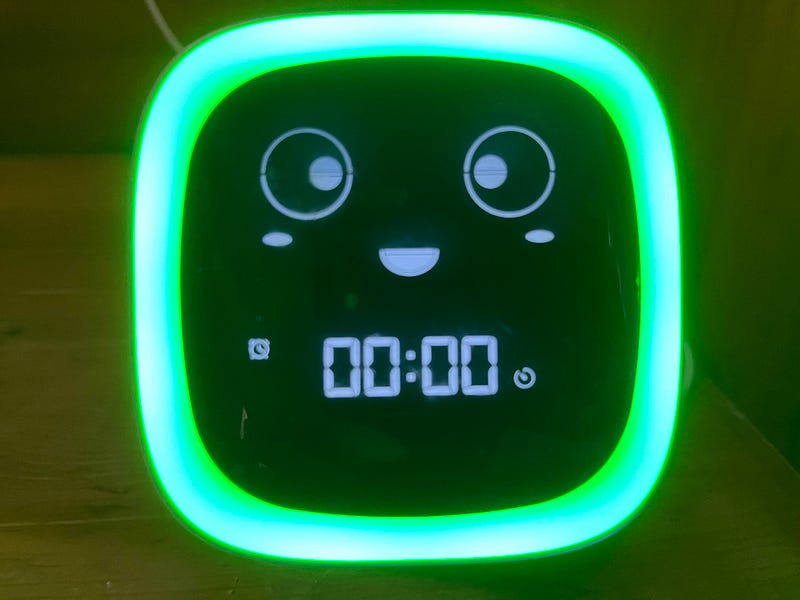
At exactly 7:00 AM each morning, the green light on my children’s toddler alarm clock glows green, and a cheerful tune plays. This is their signal that they can get up. They burst out of the door, shouting, “Mommy! Our alarm is going off!” A new day has begun in our household.
Up until 7:00 AM, the house is peaceful and still. I can get up early, make myself a cup of tea, spend time in prayer, do some work, write an article for Medium, or go for a run. Other days, I can choose to stay in bed and sleep until I hear the alarm. Either way, I know that the relentless series of demands from my two-year-old and four-year-old won’t start until the light turns green and the music plays.
At some point around 6:30, the kids wake up, but, because their alarm hasn’t gone off yet, they stay in their rooms. Sometimes they play quietly; sometimes they crawl into bed with each other. I don’t really know, because this is their time of quiet, and mine too.
At nap time, I set the toddler alarm clock for two hours. If they wake up before the two hours are over, they can read, they can sing, or they can go back to sleep, but they know rest time isn’t over until the alarm goes off. If they try to challenge the boundary, I have an external arbiter to point to: the alarm. Has it gone off? No? OK, then, back to bed!
In the days before the toddler alarm clock, my husband and I used to be at the mercy of our children’s wake-up whims. Sometimes my son would wake up at 5 AM, and we would go in there and sit with him in hopes of keeping him quiet. (You can read about our sleep-training woes in this article: https://readmedium.com/a-brutally-honest-story-about-toddler-sleep-training-6168b1a98ac6 ). At nap time, it was hard to relax and enjoy the childfree moments because we didn’t know if we had 45 minutes or two hours.
The toddler alarm clock has given all of us the gift of boundaries in our day. The kids get more rest and the parents have structured, predictable downtime that we can use meaningfully. Knowing that I can count on the morning hours and nap time has motivated me to claim this time as my own and plan how I want to use it. (See my article about making the most of time when kids are asleep here: https://readmedium.com/this-book-made-me-a-happier-parent-c3804d7229b1 ).
I’ve started taking Vietnamese classes with a teacher in Vietnam at 6 AM on Friday mornings. (See my article about that experience here: https://readmedium.com/how-italki-helped-me-finally-speak-vietnamese-e31a55ce8ced). My kid’s wakeup schedule is so predictable that I don’t hesitate to pay for a class during their pre-alarm hour, and, so far, I have never once been disturbed during class time. I’ve used the early mornings to meet important work deadlines, and I’ve scheduled times to talk on the phone to friends who are on the east coast and are three hours ahead.
If you have small children and don’t have a toddler alarm clock, I encourage you to consider trying it. Children as young as two (and, in some cases, younger) can be trained to wait until the alarm gets up to leave their rooms in the mornings and at nap time. The lights and music cue children who are too young to read numbers or tell time. Kids thrive on structure and clear boundaries, and the toddler alarm clock provides both. Ours even has a cute digital face with eyes that open up when it’s time to wake up!
This is a simple item that makes so many other aspects of my life possible. The links to other articles that I’ve included in this piece testify to the fact that my biggest problems as a parent as well as my biggest personal growth and productivity gains hinge consistent sleep schedules made possible by this one $30 purchase.
Toddler alarm clocks have helped us so much that we always pack them in our suitcases when we travel. We have alarm clocks over at both grandma’s houses. I’ve bought many devices that promise to make my life easier as a parent, but this is the only one that’s ever given what I needed most: time.
What are some practices and purchases that help make daily life with small children work better for you? How do you navigate sleep boundaries with your young children?


