
The Man Who Saw Jesus’ Penis
Leo Steinberg noticed a strange theme in Renaissance art
An art historian was visiting the Hermitage museum in Leningrad, back in the old Soviet Union days. He paused at a Renaissance portrait of baby Jesus.
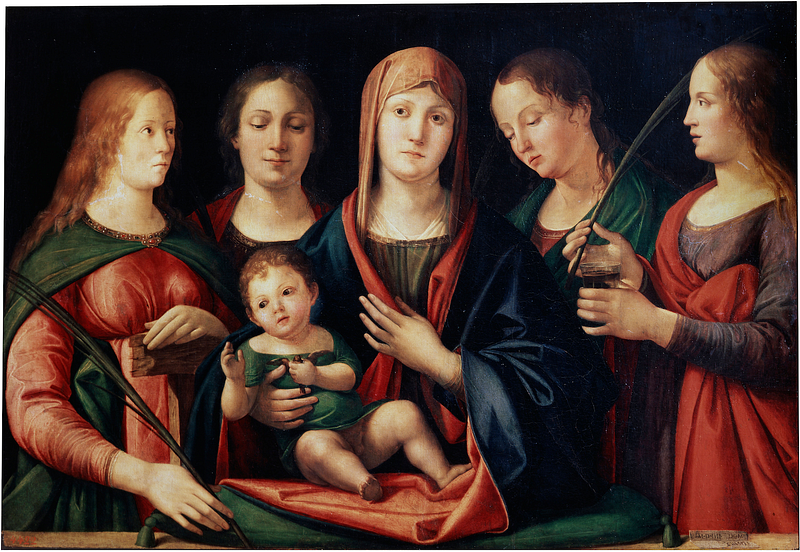
The painting was Christian, but Leo Steinberg noticed a bizarre detail. The viewer’s eye is directed down into Jesus’ crotch, where, as he put it, “the Christ child’s sexual member is clearly erect.”
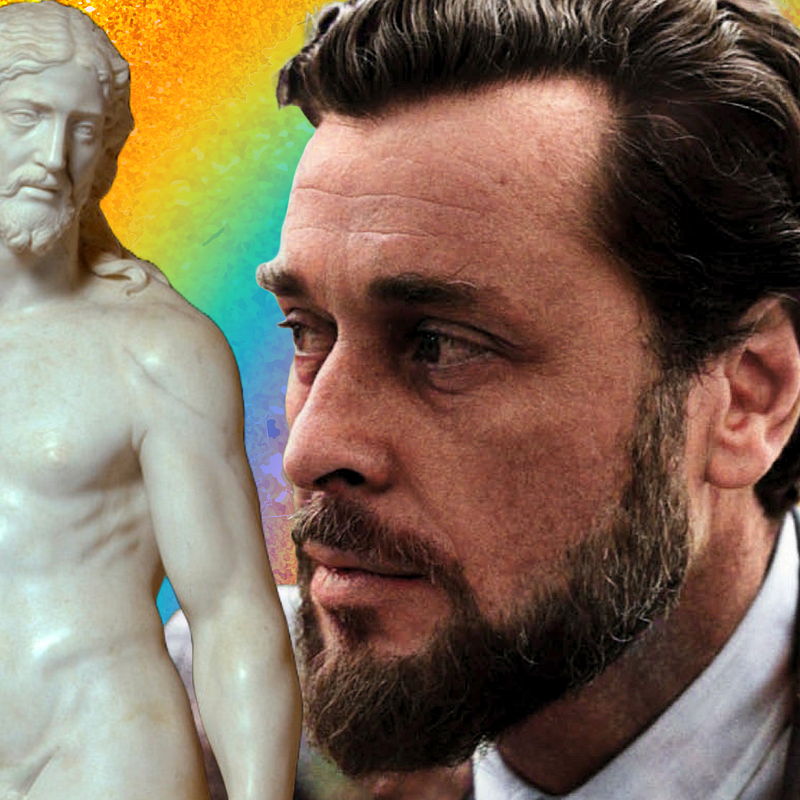
The painting was by Alvise Vivarini, a Venetian artist whose work is found in many churches.
This was not some heresy. This was Christianity. Steinberg asked the museum’s curator: “How do you explain this, because it is shocking.”
She replied: “Why are you interested in this?”
He said: “Because Vivarini is.”
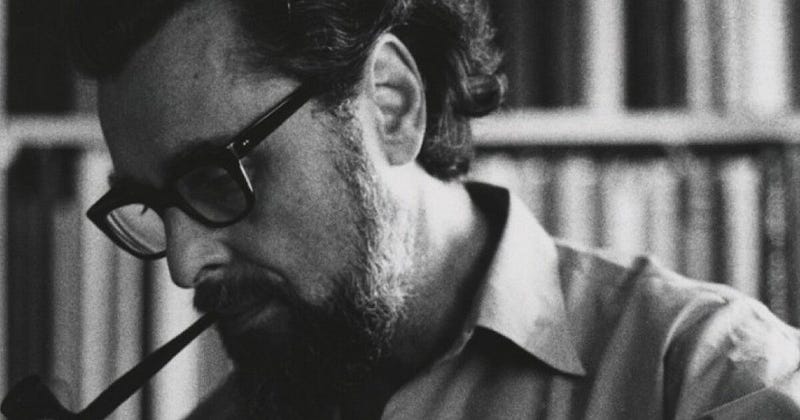
Leo Steinberg was Jewish, and not at all religious.
He was born in Moscow in 1920. His father had been an official under Lenin during the Russian Revolution, then fell out of favor. The family was exiled to Berlin.
When Hitler was rising to power, the family fled to London. ‘Leo’, as he was called, decided to be an artist, which horrified his father. To the Marxist mind, art was wasteful, degenerate, hedonistic.
Leo had different ideas about art. He went to art school, deciding by age 19 that he didn’t have the talent to be an artist himself.
He taught drawing. He did translation. He went to America.
By age 40, he resolved, he would get a Ph.D in art history and also a driver’s license.
He did manage the Ph.D., though he considered the coursework mostly “indoctrination.” Leo Steinberg had a unique way of seeing. He saw things others didn’t. To describe what he saw he sometimes made up new words. In 1968, he coined the term ‘postmodern’.
A Leo Steinberg study could seem a nearly violent encounter. He’d say:
“The most difficult thing in writing is to force the reader by means of your prose to really look. Looking is one of the most difficult things in the world. I sometimes feel as if I have to take the reader by the scruff of the neck and say, ‘Look, you bastard. Look.’”
He was interdisciplinary, crossing the chasm many saw between ‘art history’ and ‘art criticism’. He was willing to seem absurd. He liked a line from an old English play: “Exit Clown, Speaking Anything.”
As one colleague noted, Steinberg was “a dangerous model to follow.”
He had no personal life, as most think of it.
He’d married in 1962, and divorced. He lived for his work, which was chain-smoking, talking up a storm in some intense effort to look at the world, and then make the world see itself.
He seemed to keep up a kind of spiritual connection to the Hermitage. In 1979, it came to him. A traveling exhibit of the museum’s Renaissance collection was at a New York City gallery, and Steinberg went few times.
He found himself studying a painting by Andrea del Sarto of a Christ child who was laughing, and touching his groin.
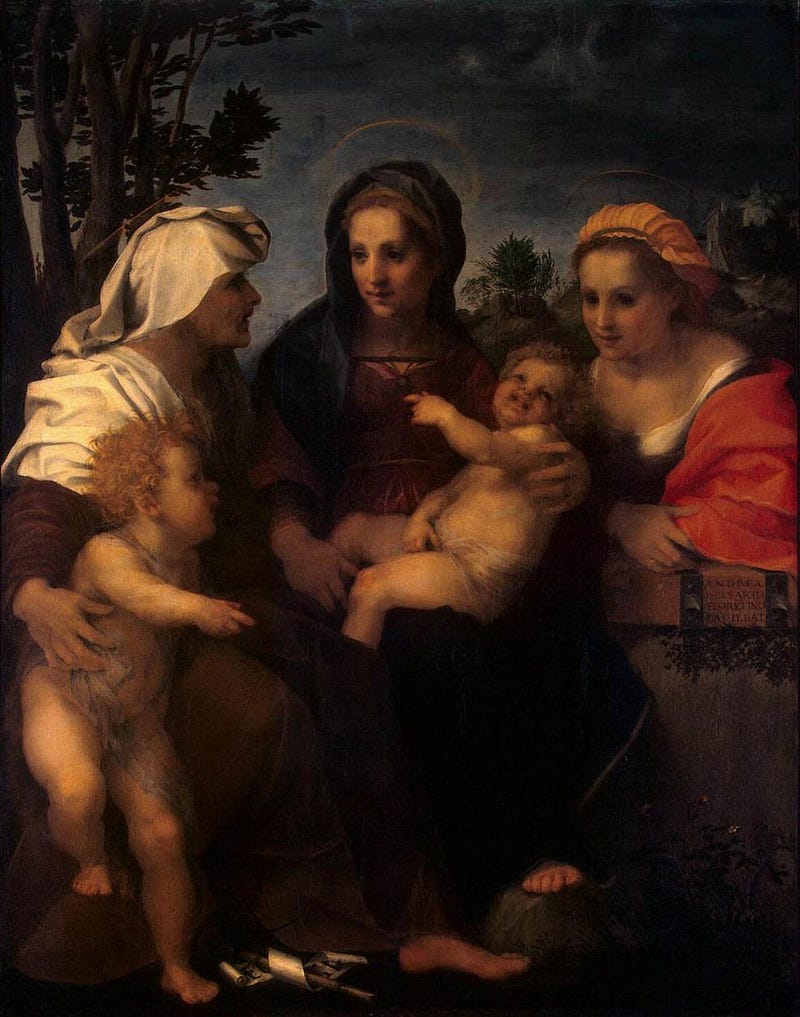
In a later interview, Steinberg thinks back to the painting, and offers his reading of it:
“The boy rejoices in his incarnation the way the angels jubilate at the nativity. He points to his mother’s breast because, in this artist’s conception, Christ enjoys being a man, tasting the goodness of his creation and the excellence of human milk.”
He was reading the painting in a way that a Christian never would. A Jesus who enjoys being human? That wouldn’t seem ‘Christian’ at all.
But yet, the child is laughing.
The reading does not venture into why Jesus’ hand is on his penis. Even Leo Steinberg could not say that the deity is masturbating.
On a second visit to the exhibit, Steinberg noticed a colleague looking at the same painting.
The man, whom he describes only as ‘well-known’, was among a group of people. They were, Steinberg recalls, “giggling” and “snickering…as if they had caught the Christ Child, or the painter, in some private moment.”
It offended him, he says, “to the depths of my soul, because Andrea del Sarto is always in earnest, as he is here. That’s when I felt, ‘I have to write something on this.’”
Christian art is full of depictions of Jesus’ penis.
Steinberg’s research took on the quality of an exposé in highlighting how many of the portrayals of Jesus in Renaissance art were were devoted to the unexpected theme of the deity’s groin.
It’s hugely featured in images of Jesus as a baby.
“Again and again,” Steinberg writes, “we see the young God-man parading his nakedness, or even flaunting his sex in ways normally reserved for female enticements.”
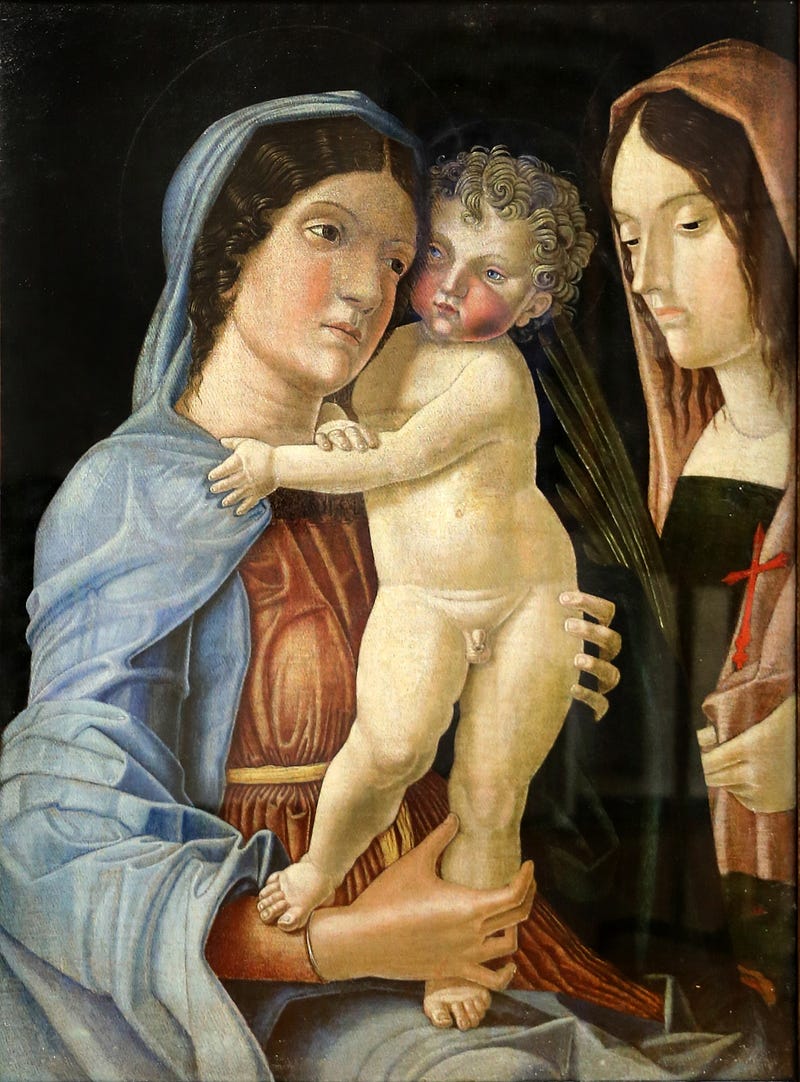
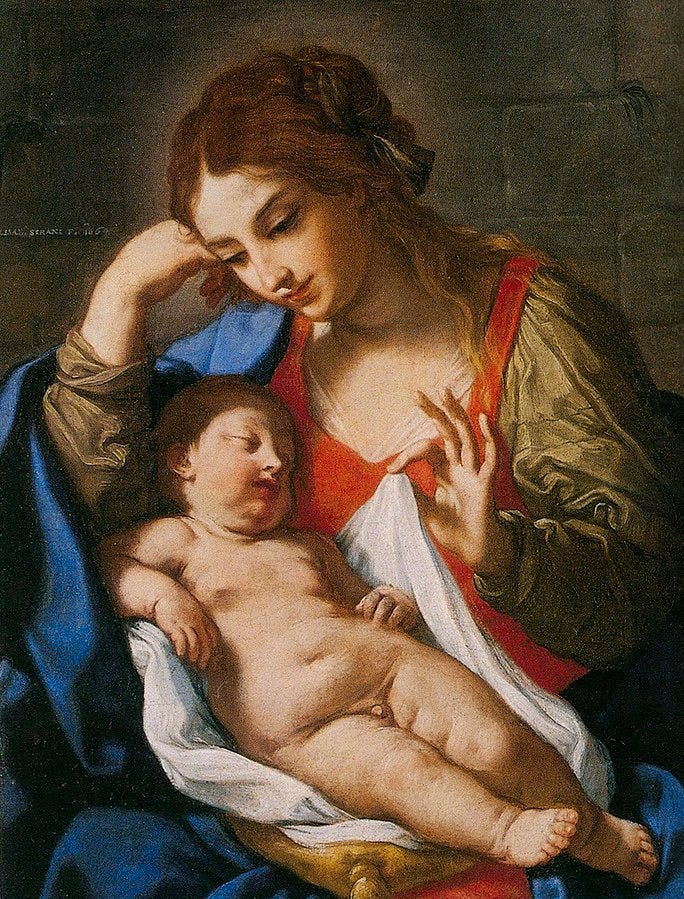
Painting after painting of Jesus, from birth to death, is oddly erotic.
It is a self-portrait, in a way, that Christianity doesn’t even recognize.
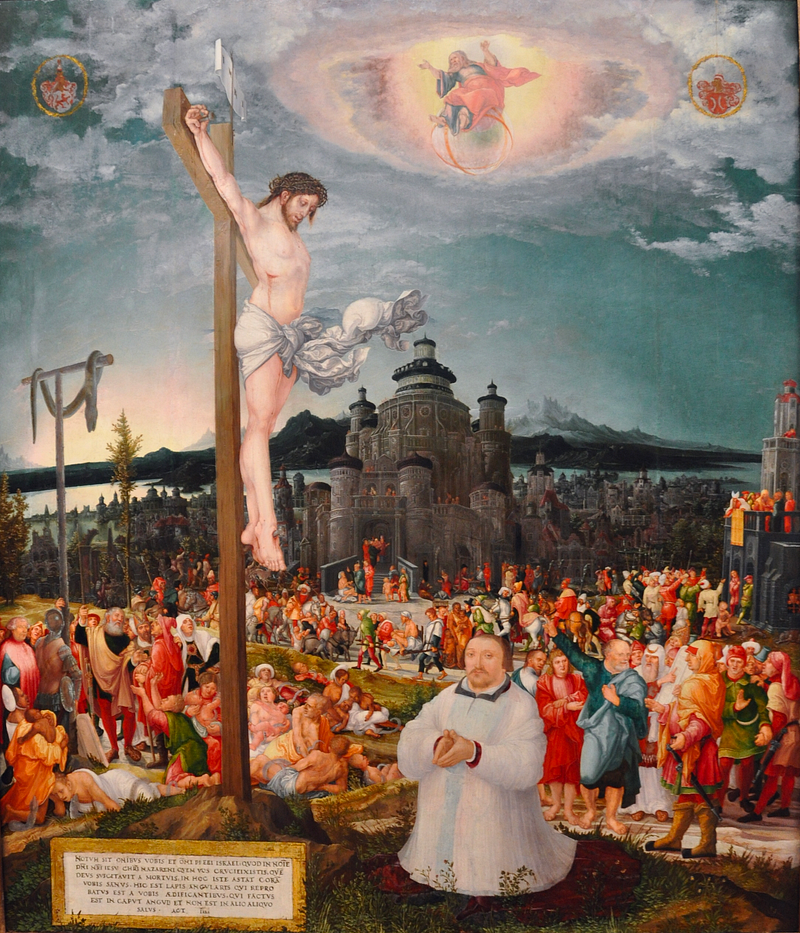
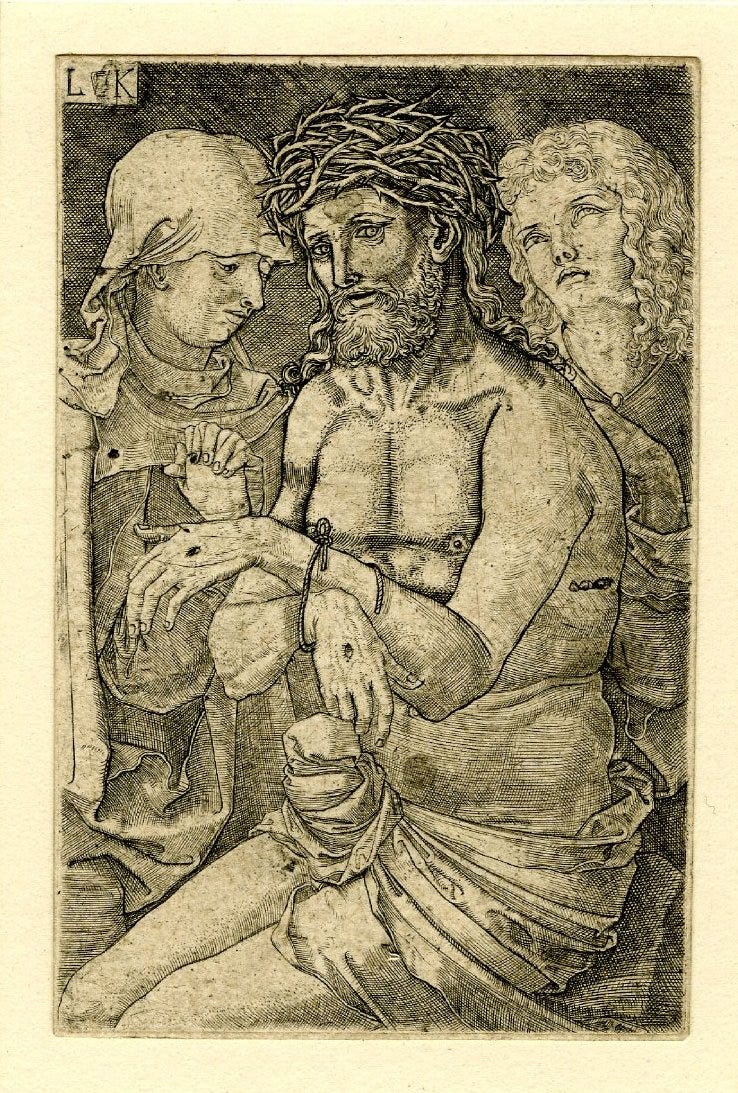
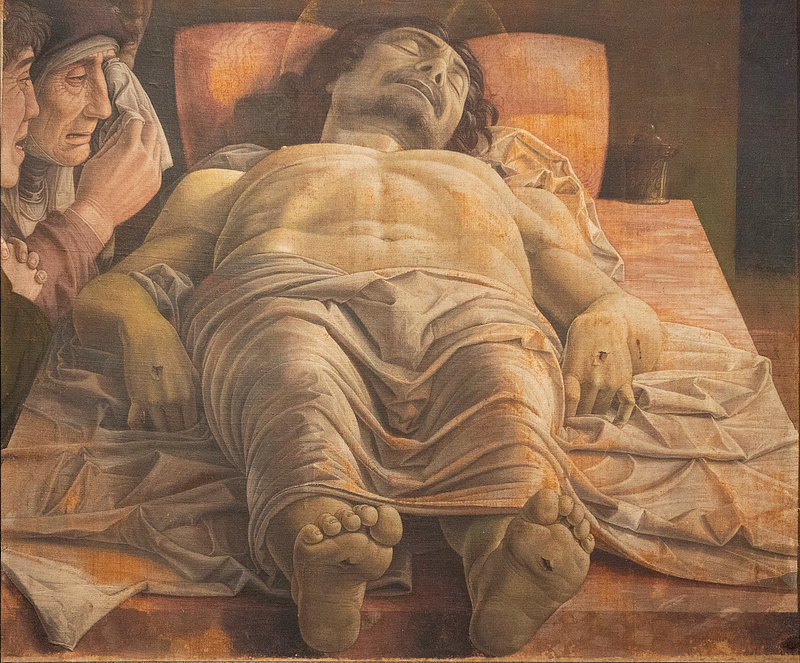
Christians would not even try to explain it.
If members of the religion see such works they would simply ignore the unusual element. Steinberg described this Christian process of seeing and pretending you hadn’t:
“Since nobody else talks about it, and you don’t want to seem prurient, you ignore it, and this may go on for thirty years, or a lifetime. You notice it and pay no further attention.”
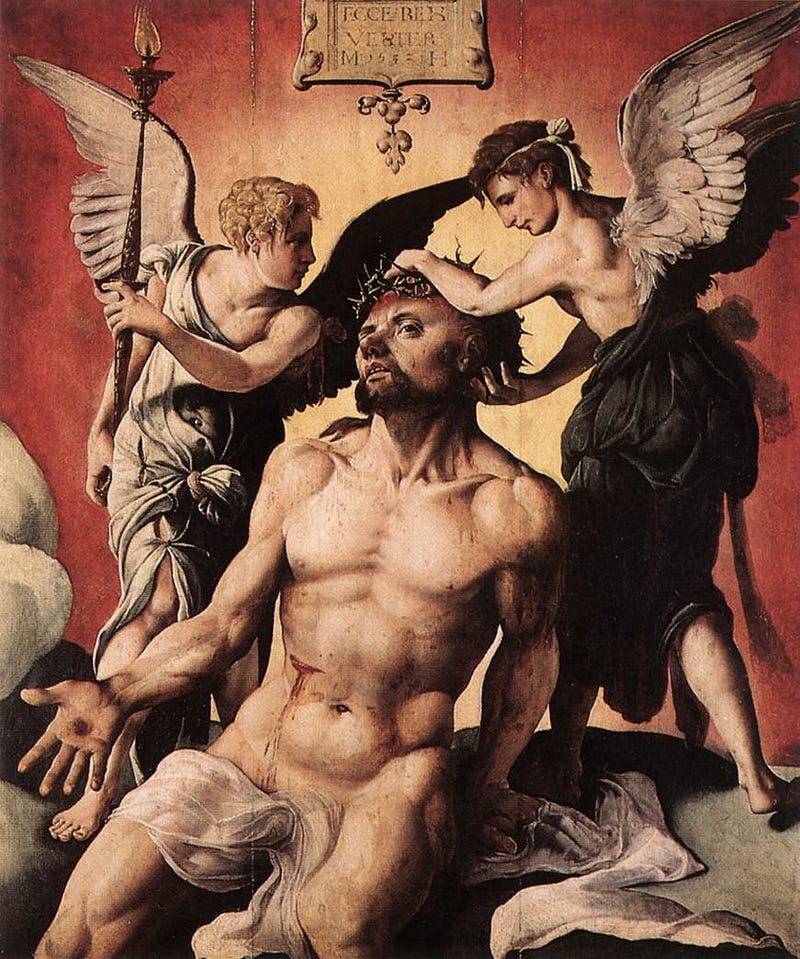
Christianity is all about the suppression of sex.
That’s how it seems. Within the religion, clothing is compulsory, and sexuality is policed. But then in Christian art, as Steinberg writes, there is “a disturbing connection of godhead with sexuality.”
Indeed, here was a deity who seems a very erotic being — and had been since he was a child.
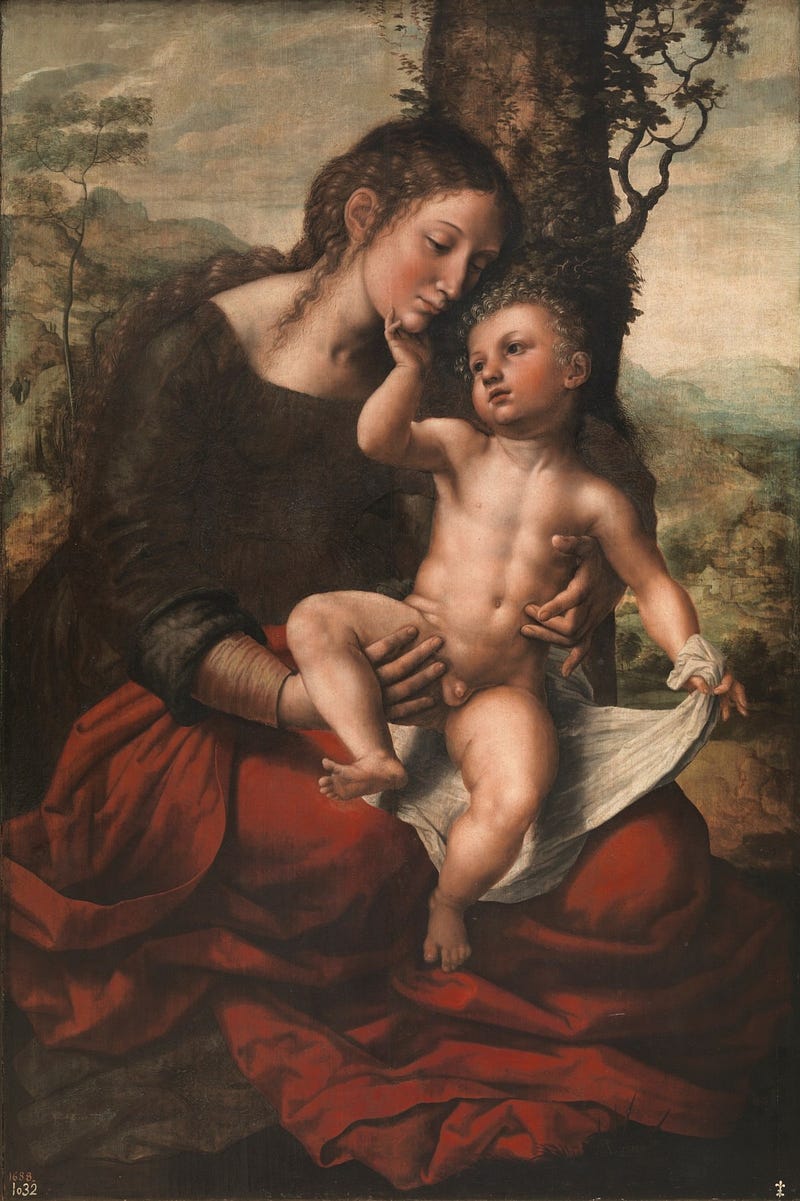
There could be a very unexpected erotic interplay between Jesus and Mary.
On the surface, in some paintings, it might seem mother and son were nearly lovers. But this was a symbolic language, Steinberg ventured, in which Mary is seen to represent ‘the Church’.
Their intimacies then indicate a relationship between humans and God. As Mary and Jesus interweave, we see a new level of communication between Heaven and Earth.
Steinberg doesn’t address the similarly curious Christian paintings of erotic play between infant Jesus and the John the Baptist. If it is symbolic, it is also same-sex eroticism as a profound divine event.
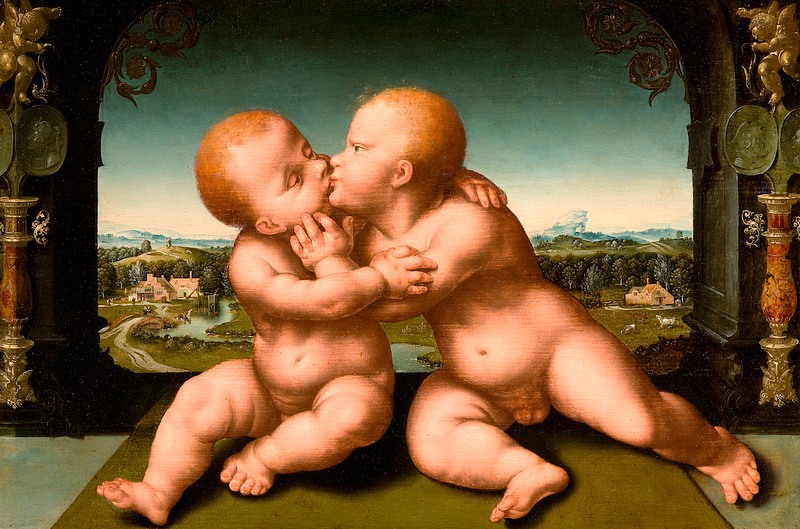
As an infant, Jesus’ hand was often at his groin.
It was the same when he was an adult. A Renaissance painting of the adult Jesus, especially when dead, has his hand resting near or on his penis.
If this is symbolic, what is that meaning?
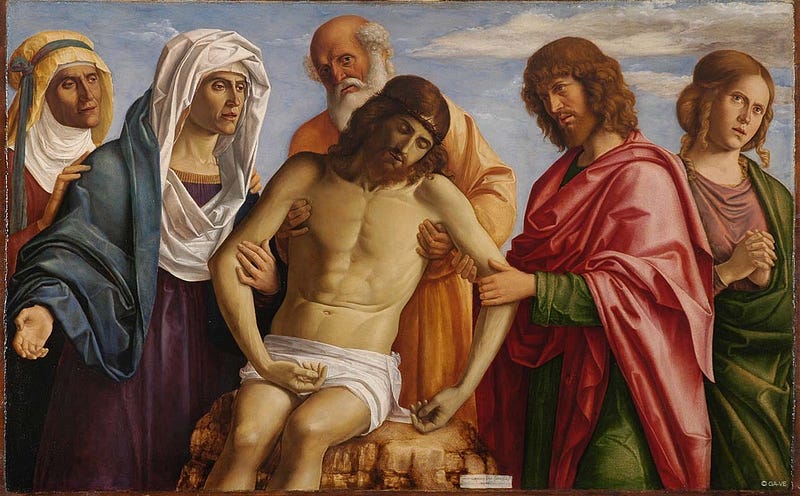
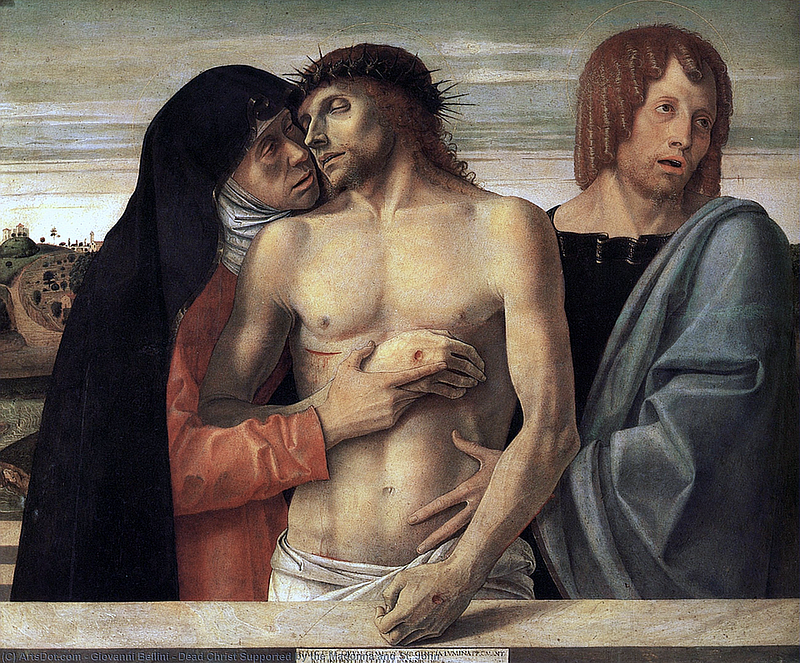
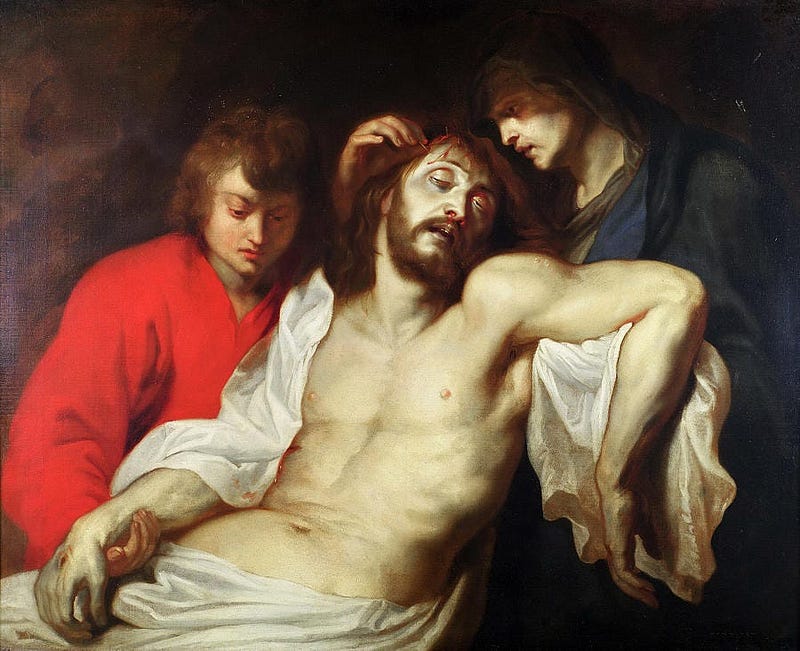
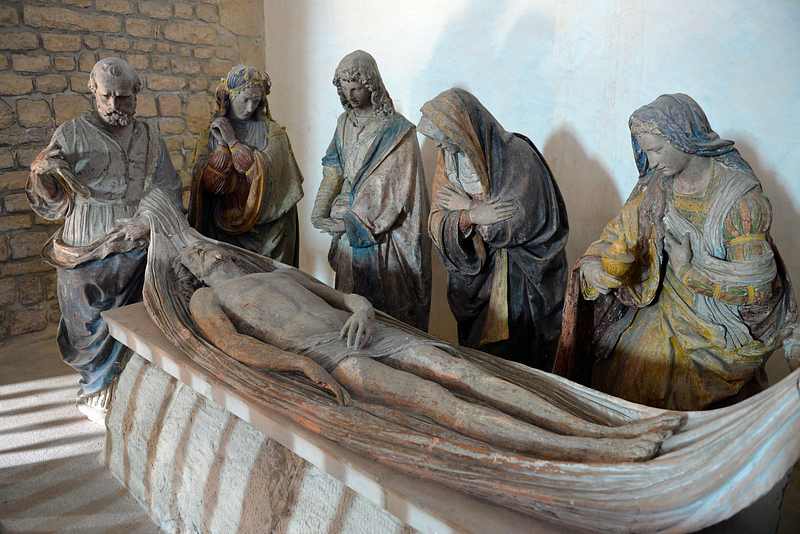
In paintings where God the Father holds His dead son in Heaven, Jesus is touched at the groin.
And as Steinberg writes: “It is no easy task assessing the pertinence of such poignant associations…”
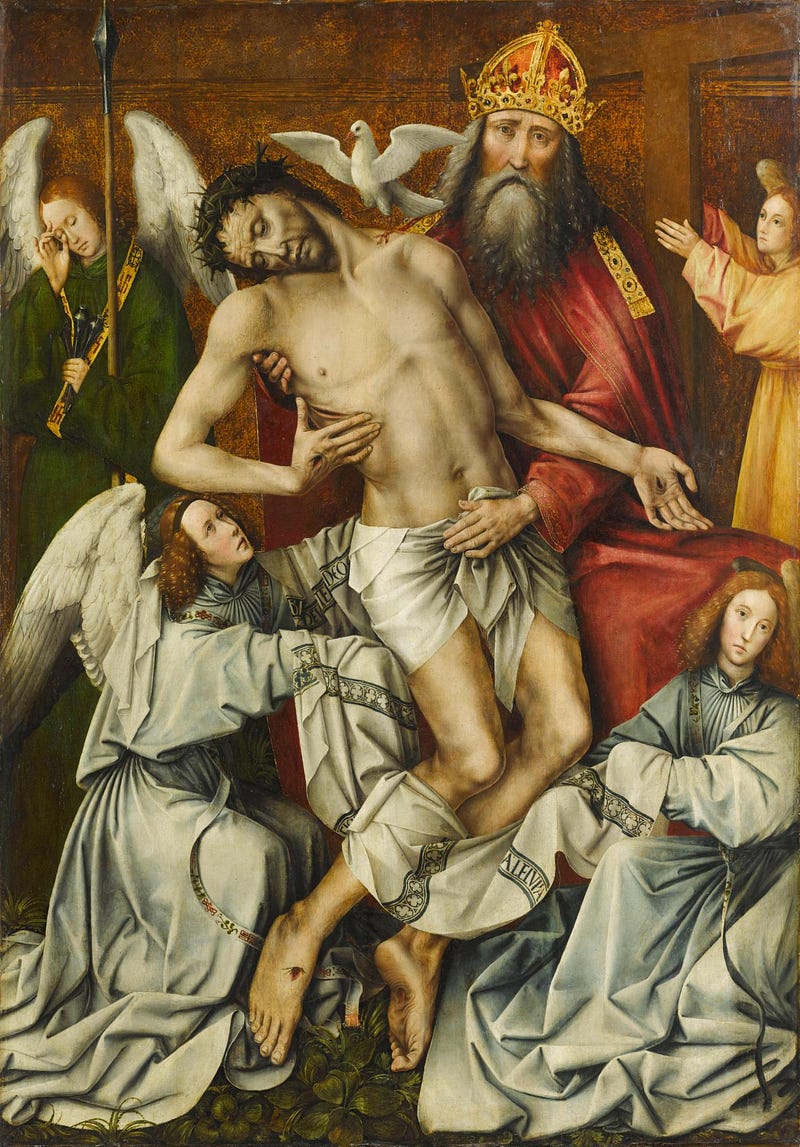
He saw there had been a long effort to destroy images of Jesus’ penis.
As many of the images as could be seen, Steinberg realized, they were the survivors of a long campaign of Christian censorship.
For centuries, he documented, the religion had been clothing images of the naked Jesus by whatever means necessary.
“If they were not destroyed, they were overpainted,” as he says. “Thousands of works were covered over, mutilated.”
The unusual status of the Hermitage museum in the Soviet Union comes in focus.
It had Christian art, but owing to a state policy of atheism, there was no motivation to conceal or overpaint the images of Jesus’ penis. The atheist Soviet Union had protected Christian art from Christianity.
The museum was also a place from which to view Christian art without Christian cultural pressures. Otherwise, the Jesus penis images existed in what Steinberg called the “modern oblivion.”
Would there be any forum to discuss this subject?
Ordinarily, not. But then Steinberg was invited to lecture on November 19, 1981 at a Lionel Trilling Seminar at Columbia University. The event would be open to upsetting scholarship, in honor of Trilling’s memory.
And so Steinberg gave his lecture on a subject that, he noted, “has been tactfully overlooked for half a millennium.”
There was no interest at all from Christian or established academic outlets. But the editor of the new postmodern art journal October inquired: “Where are you proposing to publish it?”
Steinberg replied he had no idea who would publish it.
She said, “Well, I will publish it.”
It would be very long, he said.
She said she’d give it the whole issue. And so an issue of October with a single article came out in 1983—and shortly afterward as a book.
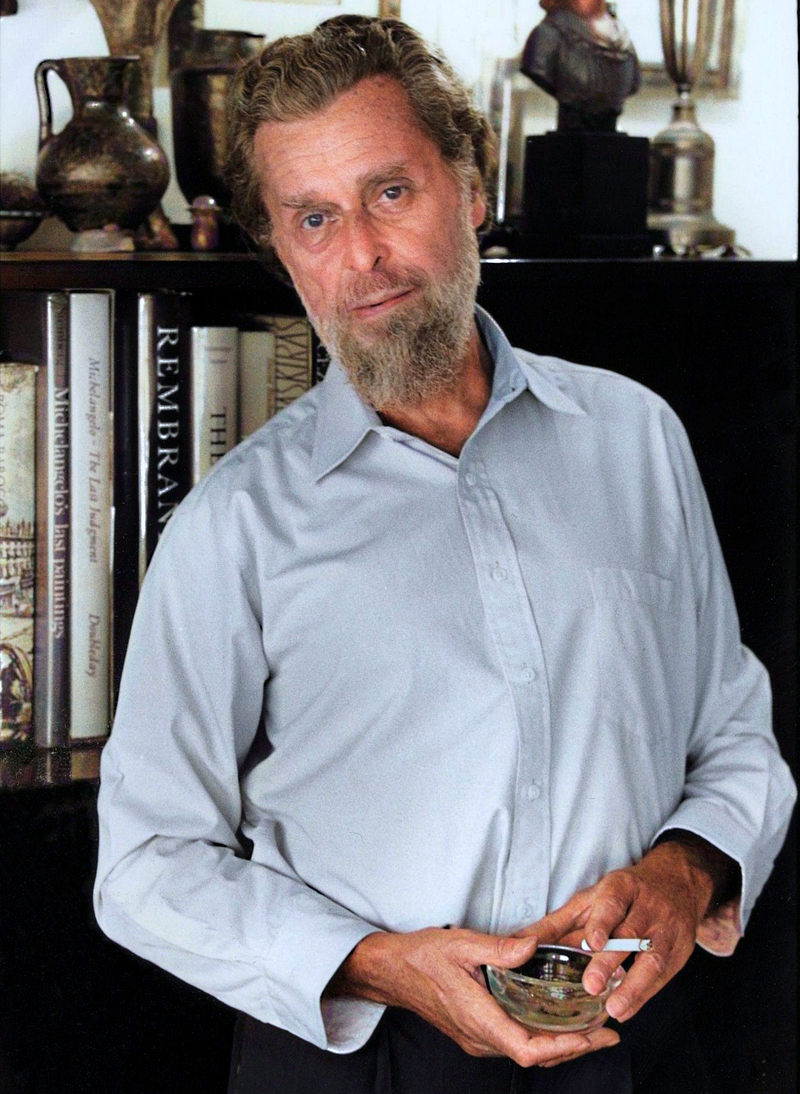
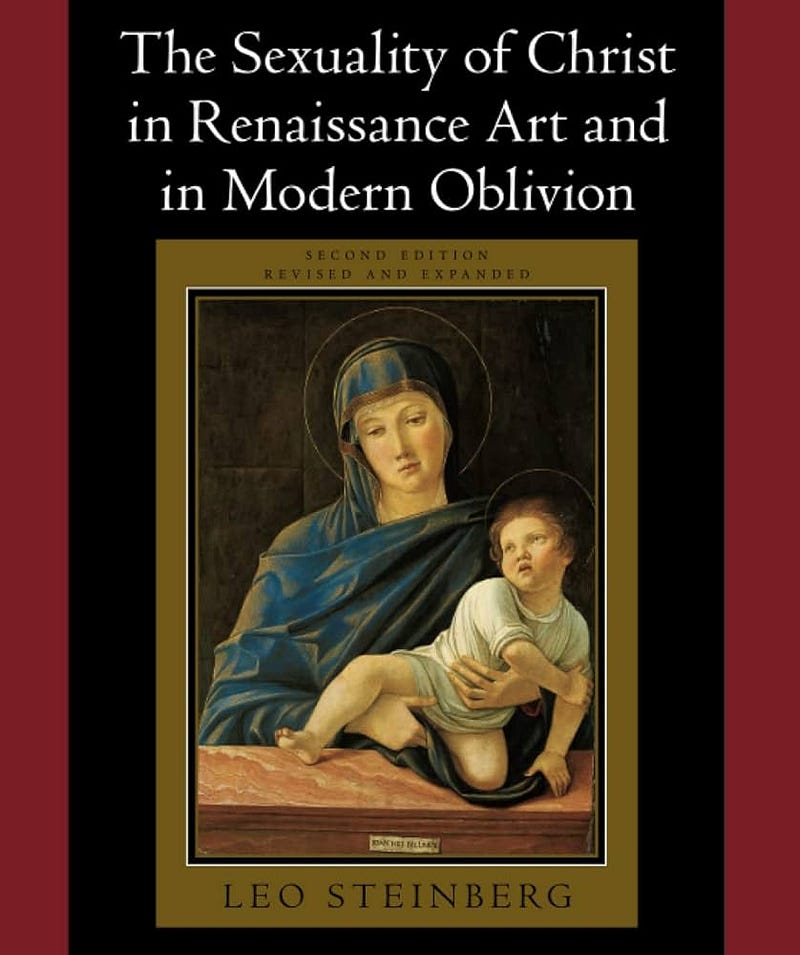
Steinberg died in 2011, a legend of art scholarship.
He was a curious man. A friend of his recalls that “though world famous, worshipped, and bold, he ever viewed his life as a failure.”
Many would say he‘d changed how they viewed Renaissance art. He was eulogized, indeed, as “the man who taught us to see.”
He changed how I see Christianity. It isn’t one religion, but two. One views sex as evil. The other sees sex as divine. 🔶


