
Jesus was a male stripper
The Christian messiah loves to flaunt that body
I’m looking over the history of Christian art when the deity is unclothed, or nearly so—and that’s a lot. Jesus is the most naked man in history.
Since I might be an unusual Bible commentator to have worked as a stripper, I ought to discuss the many times that Jesus does his routine. It all feels strangely familiar.
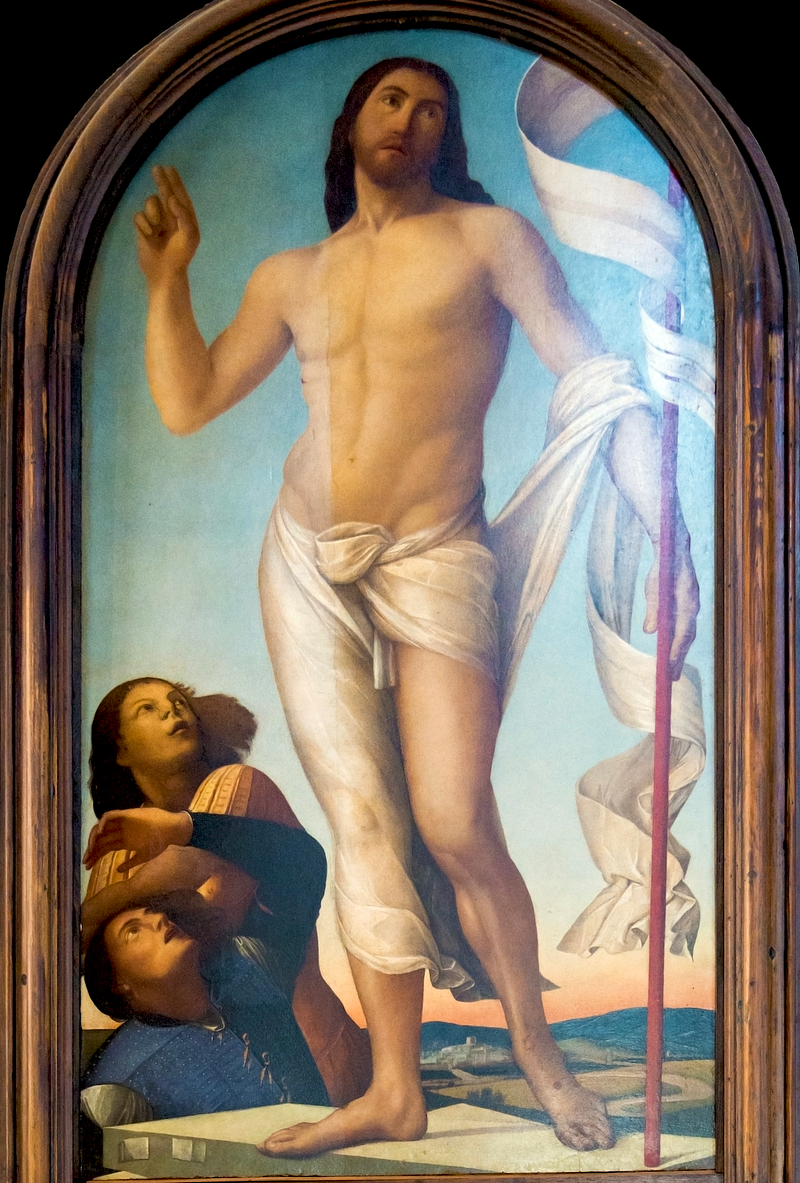
Over and over, Jesus is doing his routine.
He knows how to move, what to flaunt, and what to conceal.
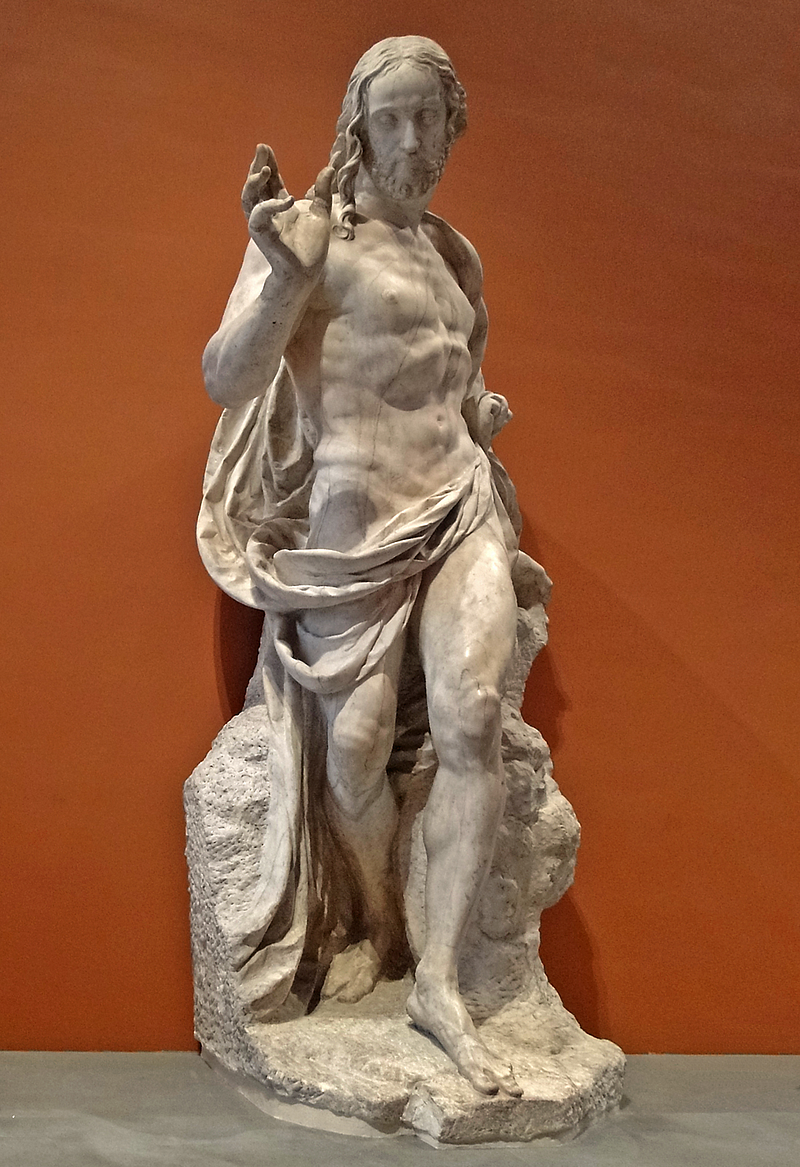
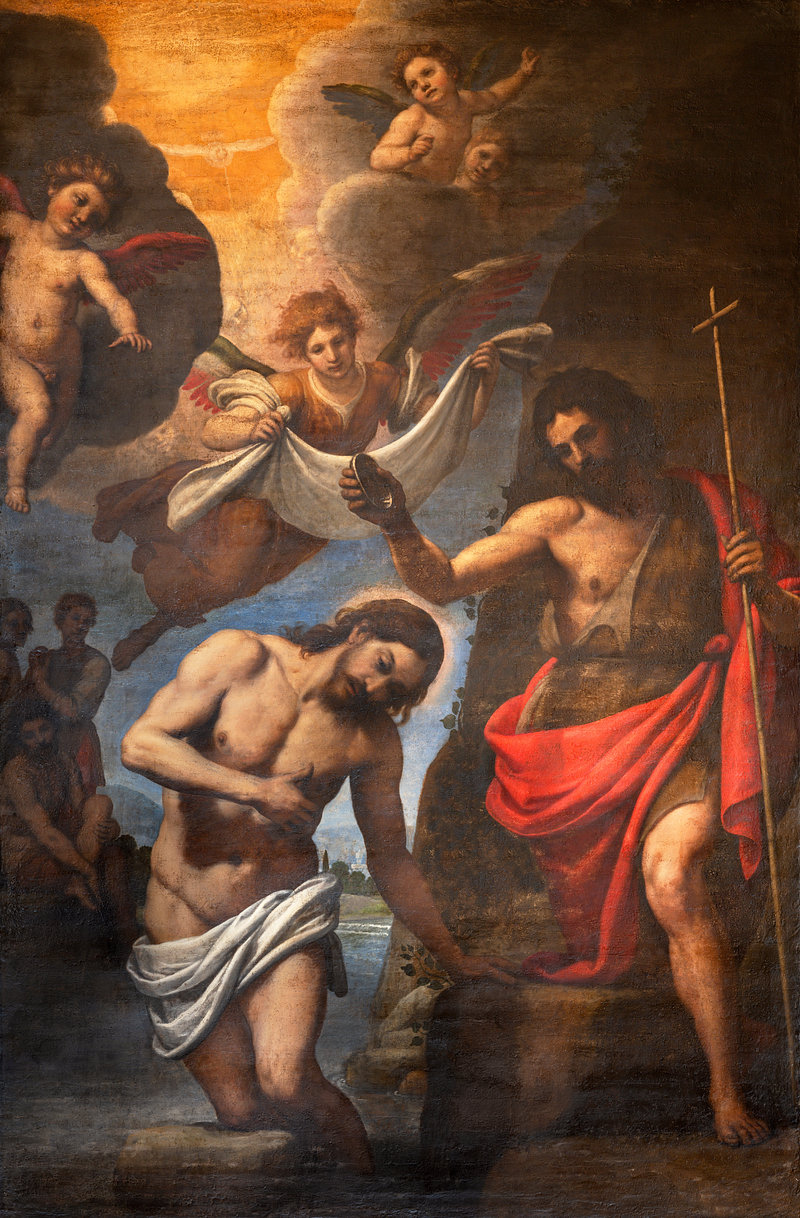
When Christians think of Jesus, they want to see a hunky man.
And who doesn’t?
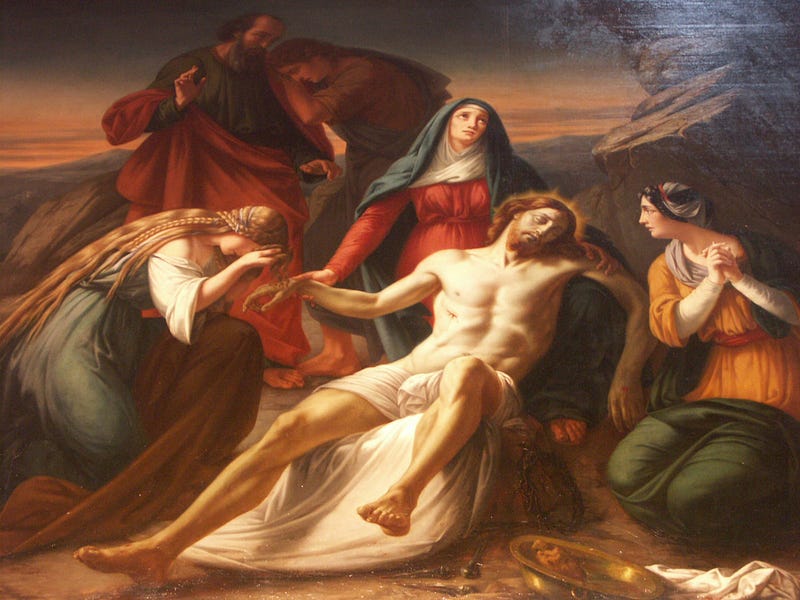
Christians wouldn’t say that God is hot.
Or rather, gay Christians might say it. As Donald Boisvert writes:
“I have no doubt that my first religious palpitations were intensely caught up subconsciously with this desirable figure of a man…”
And after all, Jesus is that muscular, magical, and mostly naked man who hovers above you. Doesn’t everyone wonder what’s under that loincloth?
Or wish it might ever-so-innocently…fall off?
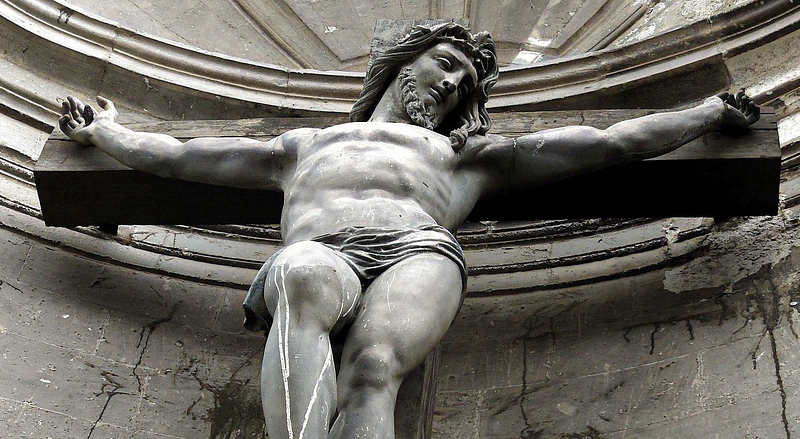
In depiction after depiction, there just seems to be erotic excess in odd contrast to the idea of Jesus being tortured or dead.
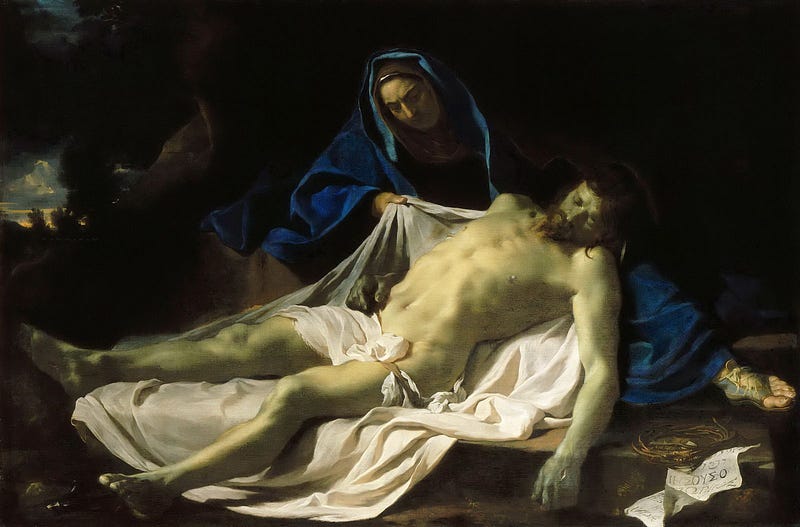
To this day, Jesus is often imagined as quite sexy.
There’s Diogo Morgado’s rather stunning turn as the Son of God in 2013.
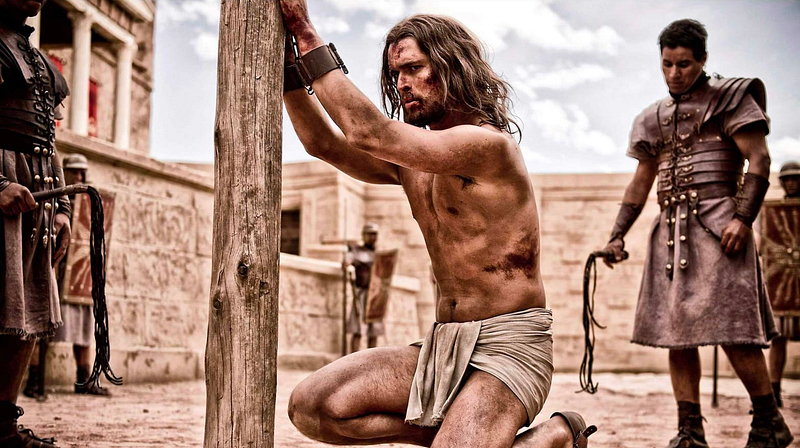
I think of many sexy Jesuses…including Raquel Welsh.
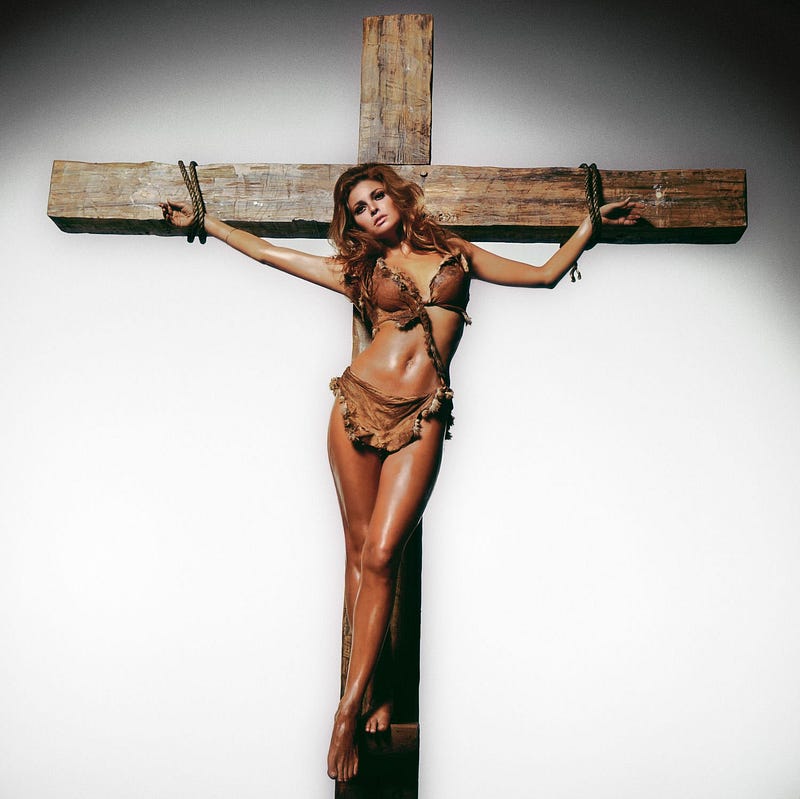
Sometimes Jesus is emaciated, or strange.
There are plenty of “weird Jesus” images in Christian history. Are they an effort to distract from sexy Jesus? For so many times, his body is a wonderland of rippling muscles.
Onlookers — human or angel — can seem agitated by his exposed form.
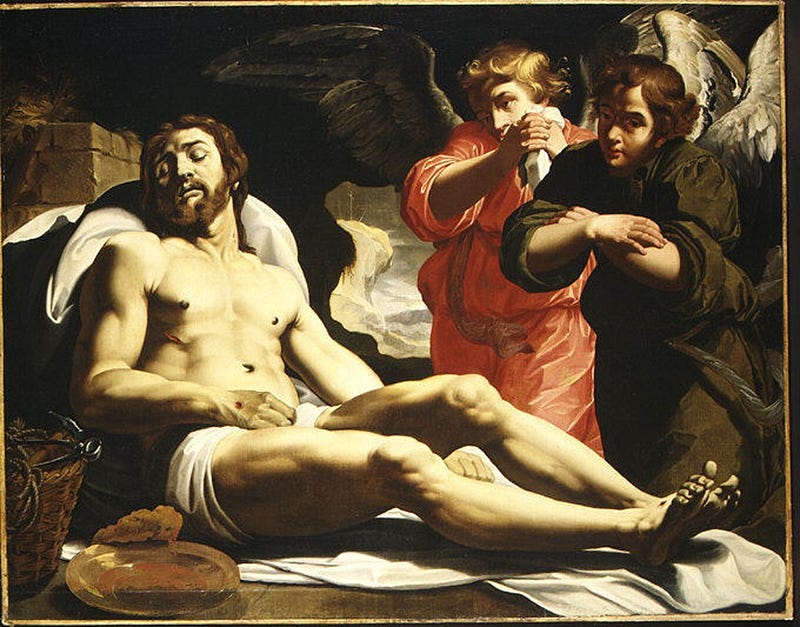
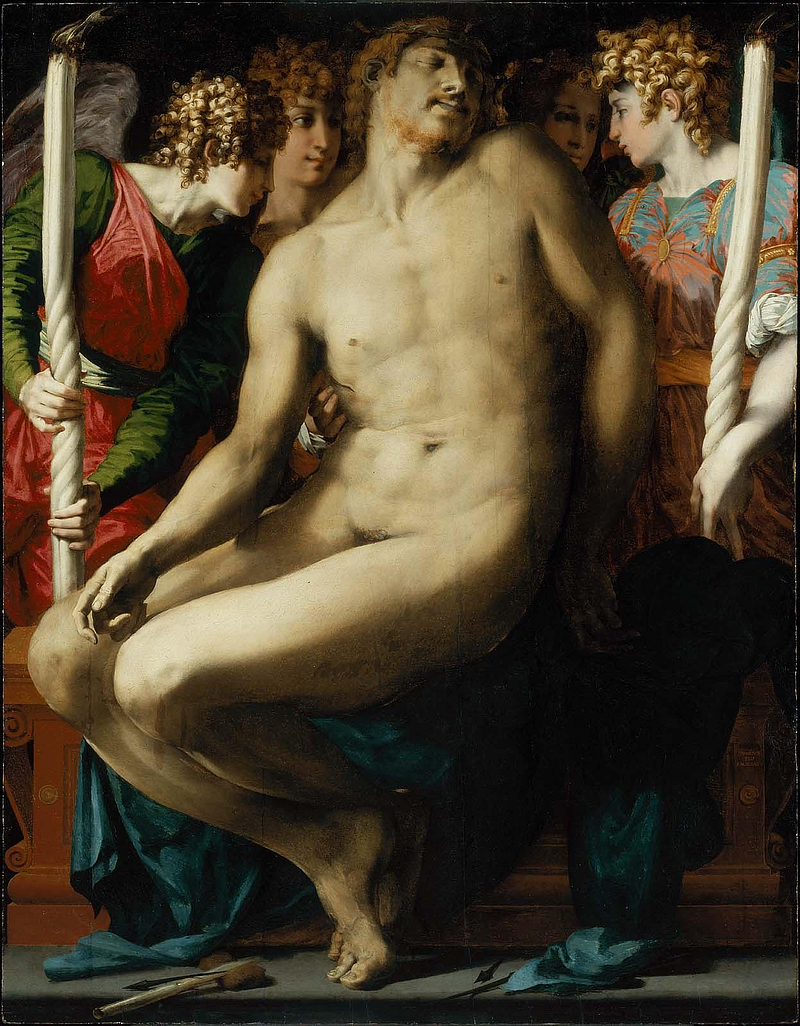
Sometimes Jesus works his stripper pole.
With Caravaggio’s Christ at the Column, I keep finding the focus is the nipple…until then, the eye glides down to his divine abs.
Jesus is always teasing us with that body.
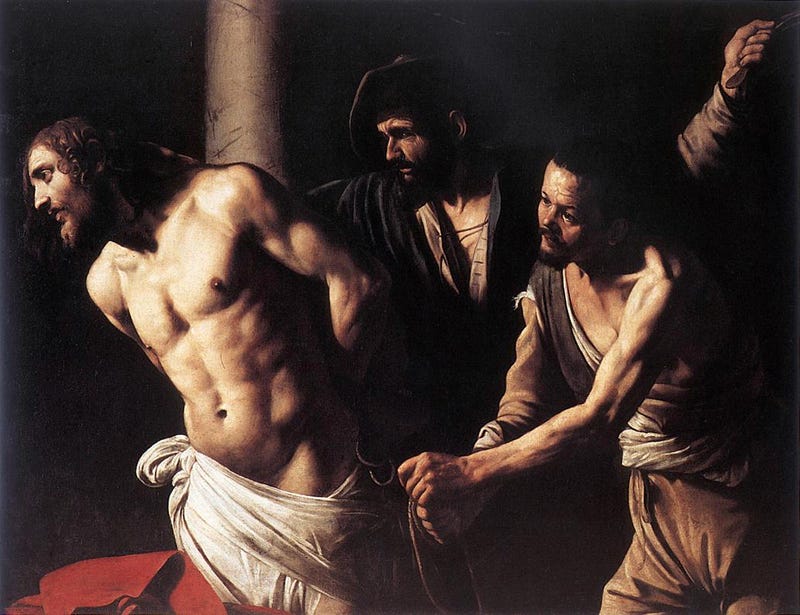
A painting of Jesus is an intricate interplay of eyes and hands.
In the paintings, Jesus is centrally positioned in his unusually unclothed state, often in langorous poses. He is also touched. Is this even the gospel story? Another narrative can seem to be playing out, in which the male body is a subtly sensual, but forbidden form.
Jesus is so teasing, so coy!—so often letting his hand fall to his groin.
Because of course he would.
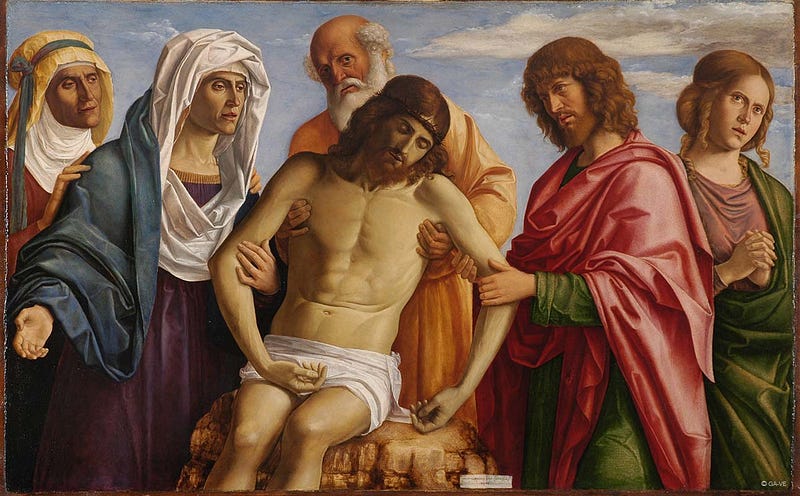
Lord knows, people around him are often trying to cop a feel.
The Jesus paintings often feature hands oddly placed on him, weirdly snaking into his space, approaching his divine package.
Isn’t that John the apostle…getting handsy?
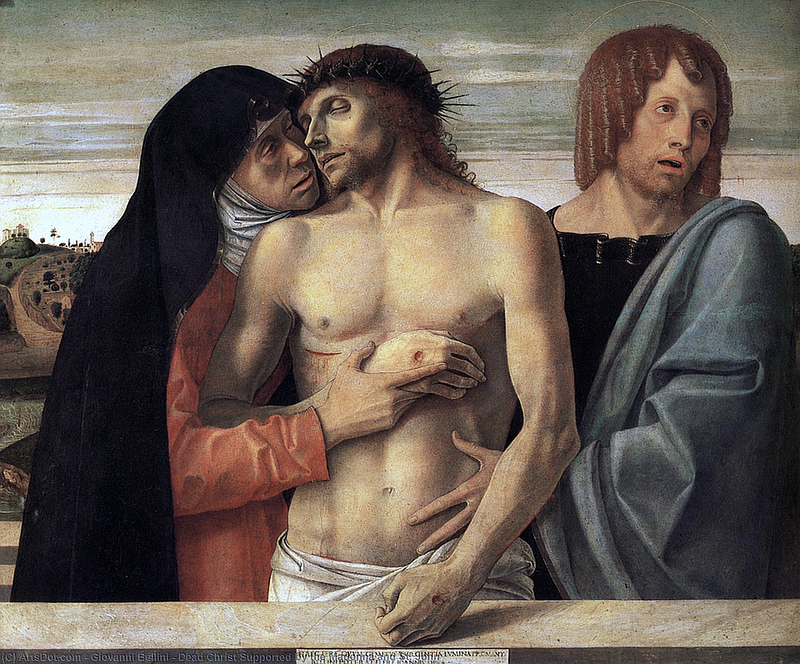
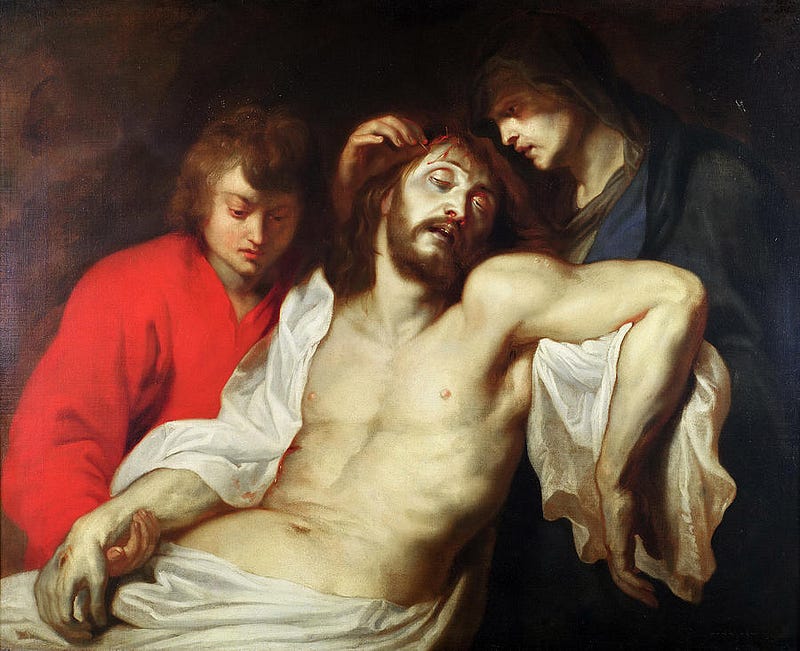
Sometimes, naked Jesus looks like a drunk guy at a bar being eagerly examined.
Even in a wasted state, the messiah’s body is a focus of intense, delighted scrutiny—the male eyes fixed on him, enraptured.
The deity sometimes has an erection.
Leo Steinberg discusses the subject in his 1996 book, The Sexuality of Christ in Renaissance Art and in Modern Oblivion, pointing to Maerten van Heemskerck’s Man of Sorrows in 1532.
This is Jesus…waking up with a woodie?
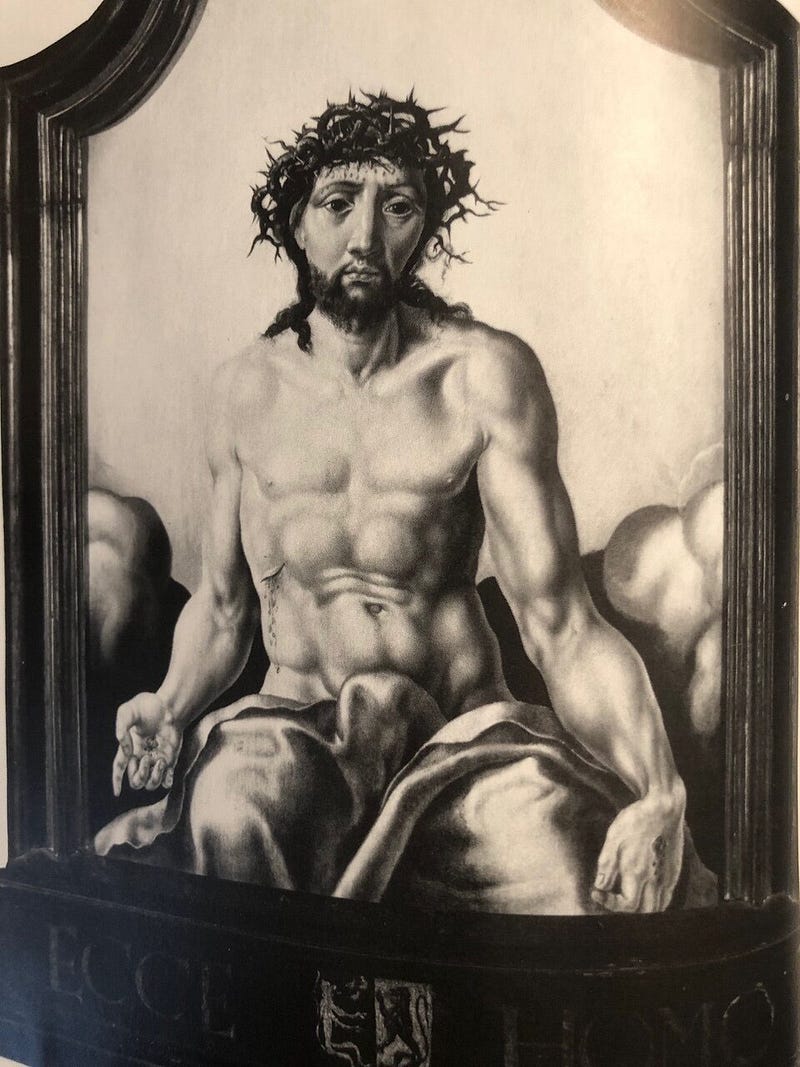
Maerten van Heemskerck did quite a series of sexy Jesus images. I always wonder how long it took to arrange the loincloth just that way.
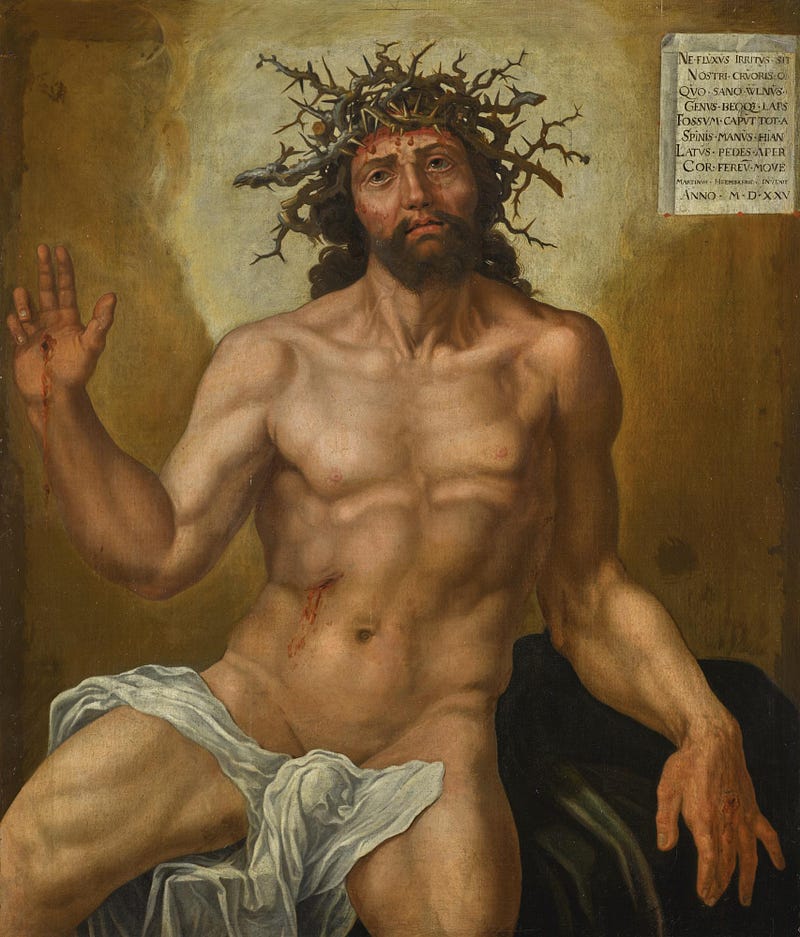
Then so often, Jesus is just curiously…flirty?
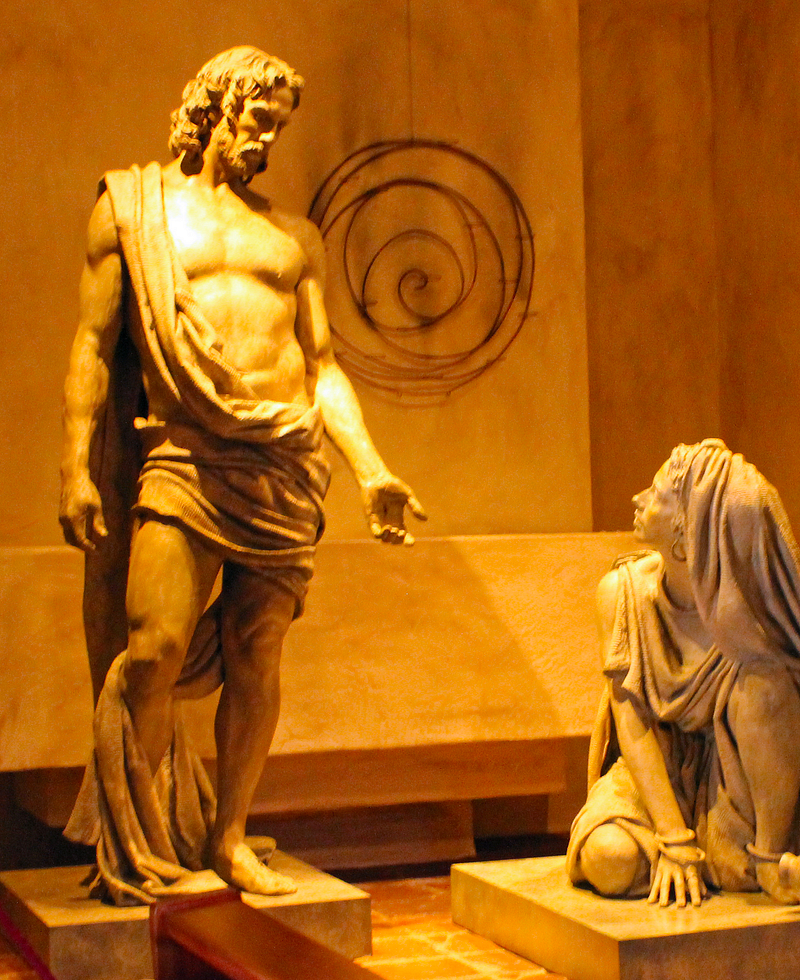
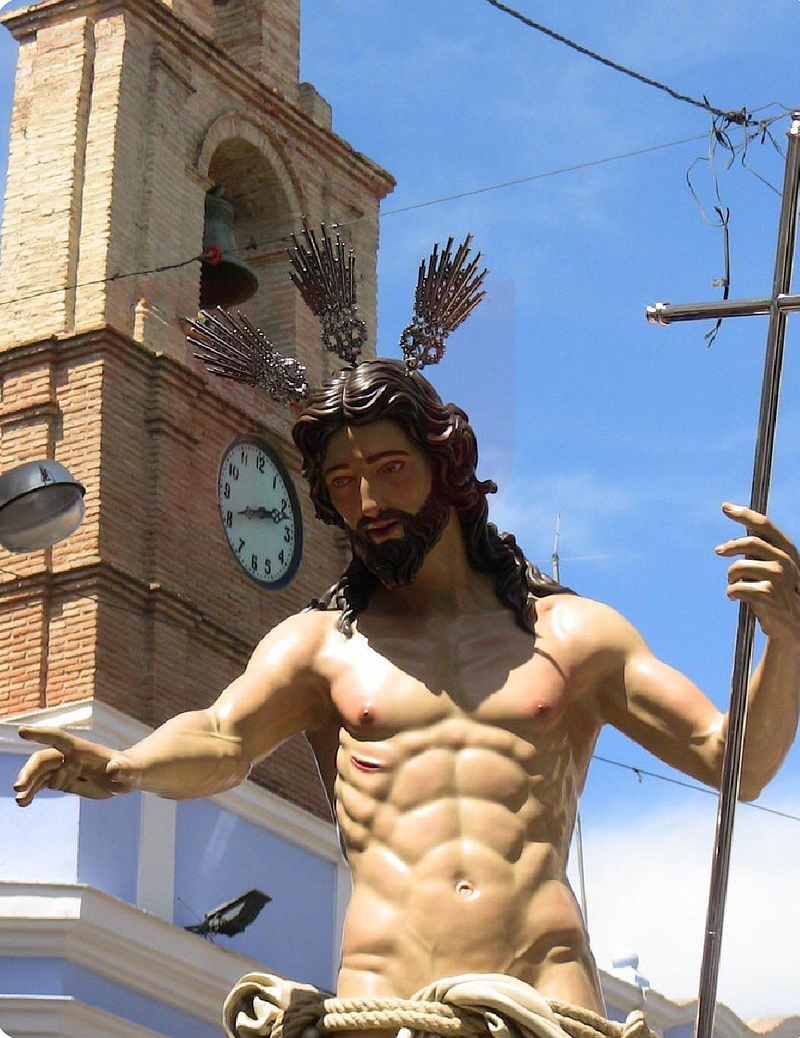
But Jesus is often naked in the gospel narratives.
Indeed, they draws attention to him as a naked figure. A birth would often be mentioned, for example, without needing to refer to the child being naked. But there in Luke 2:7 we’re told about when Jesus was “wrapped in swaddling clothes” — evoking the figure of him unclothed.
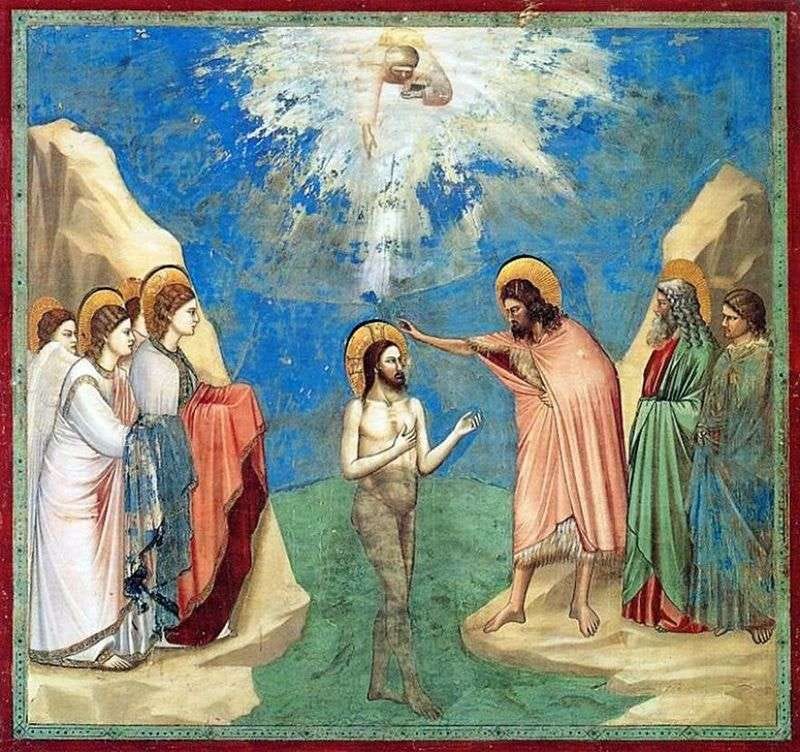
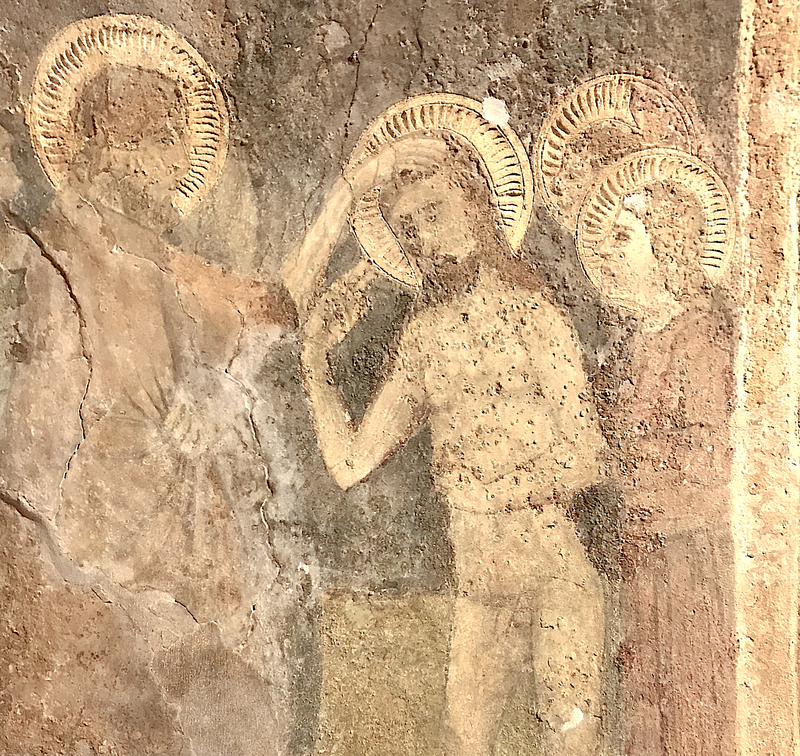
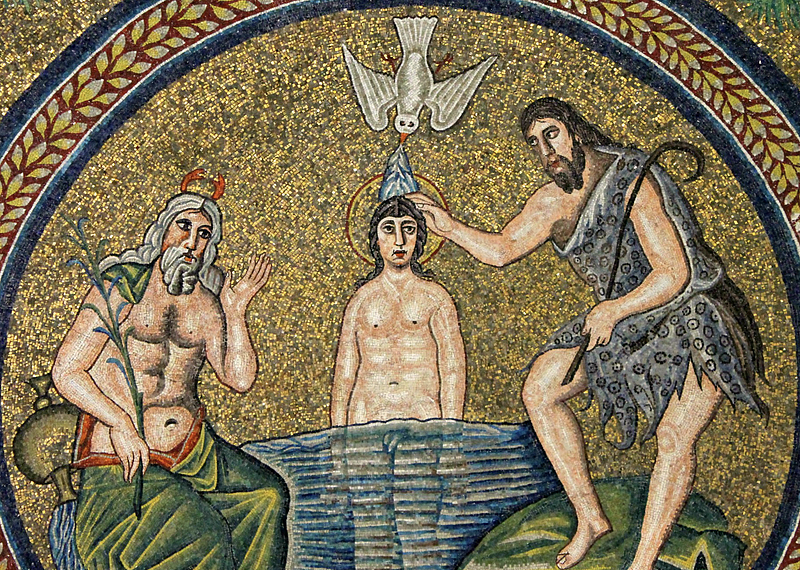
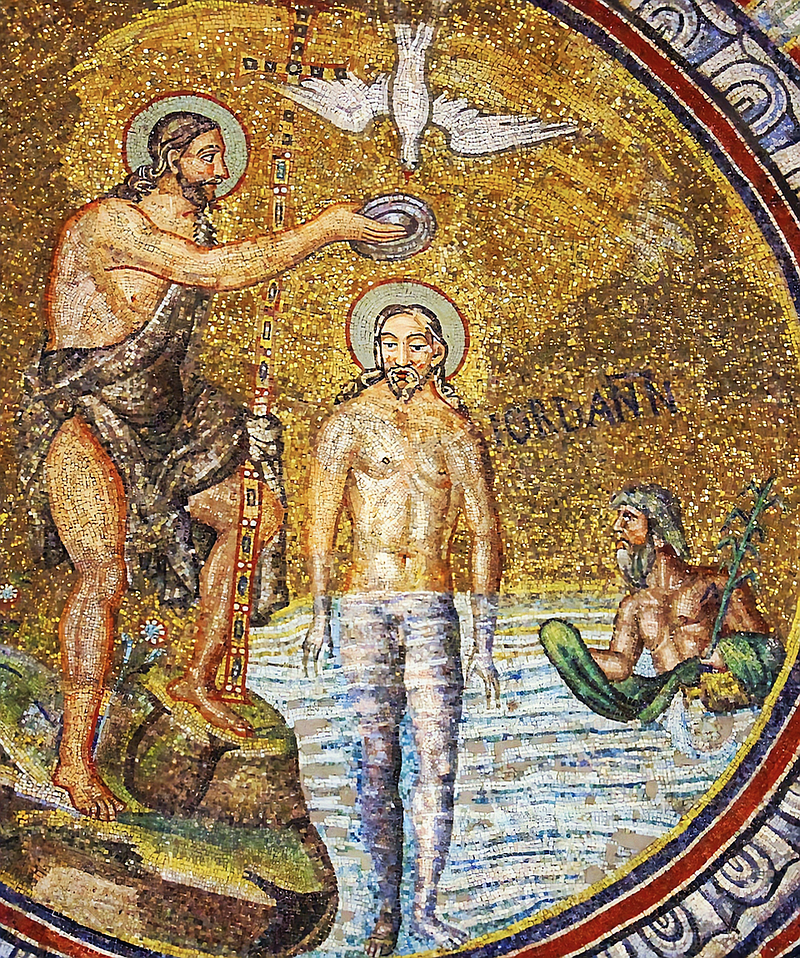
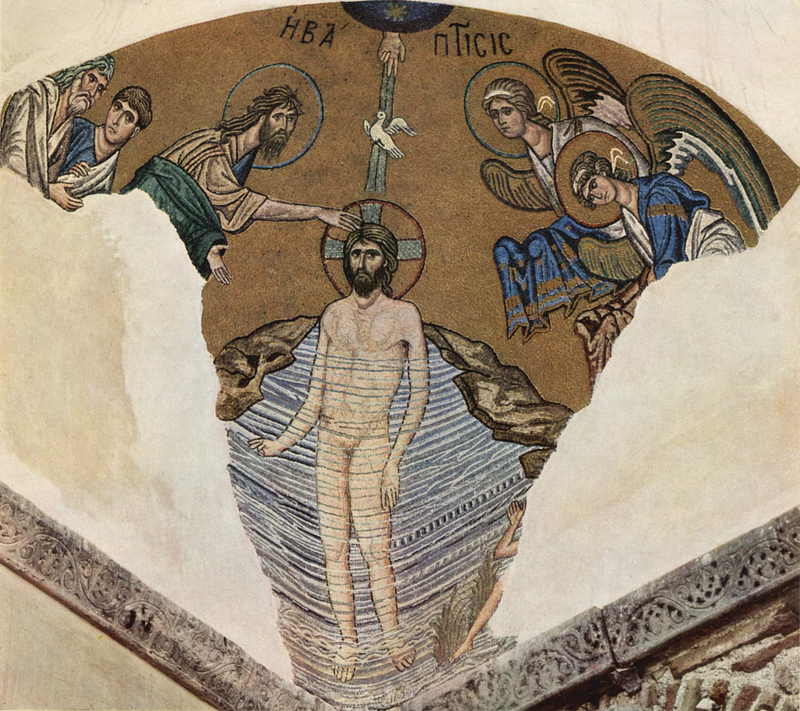
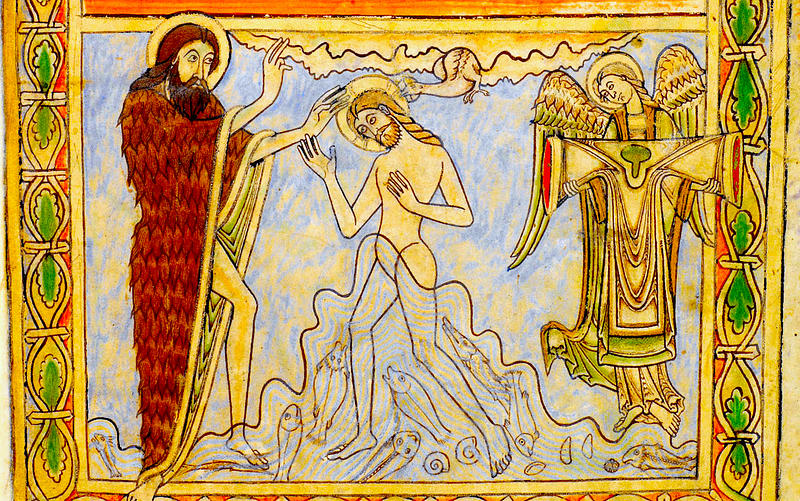
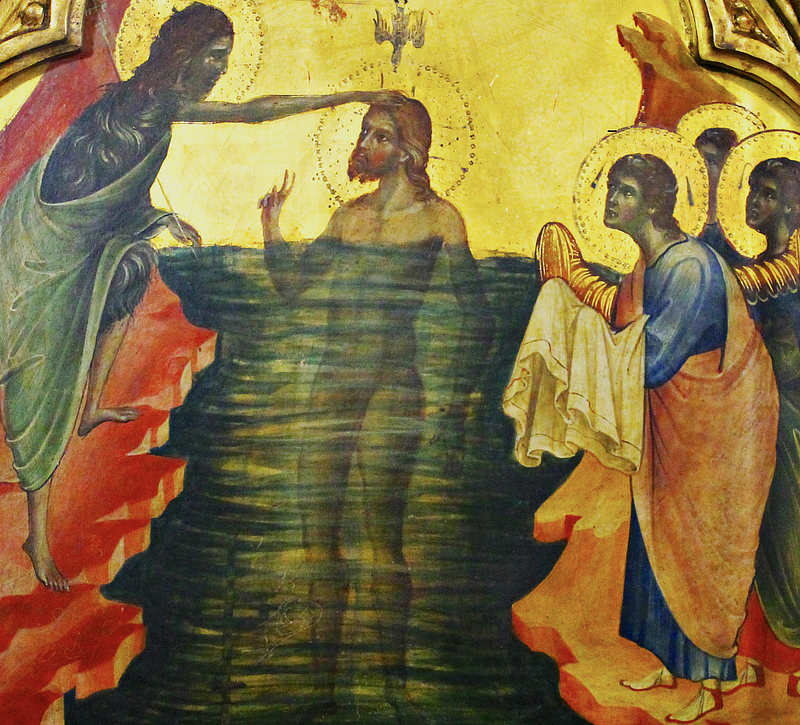
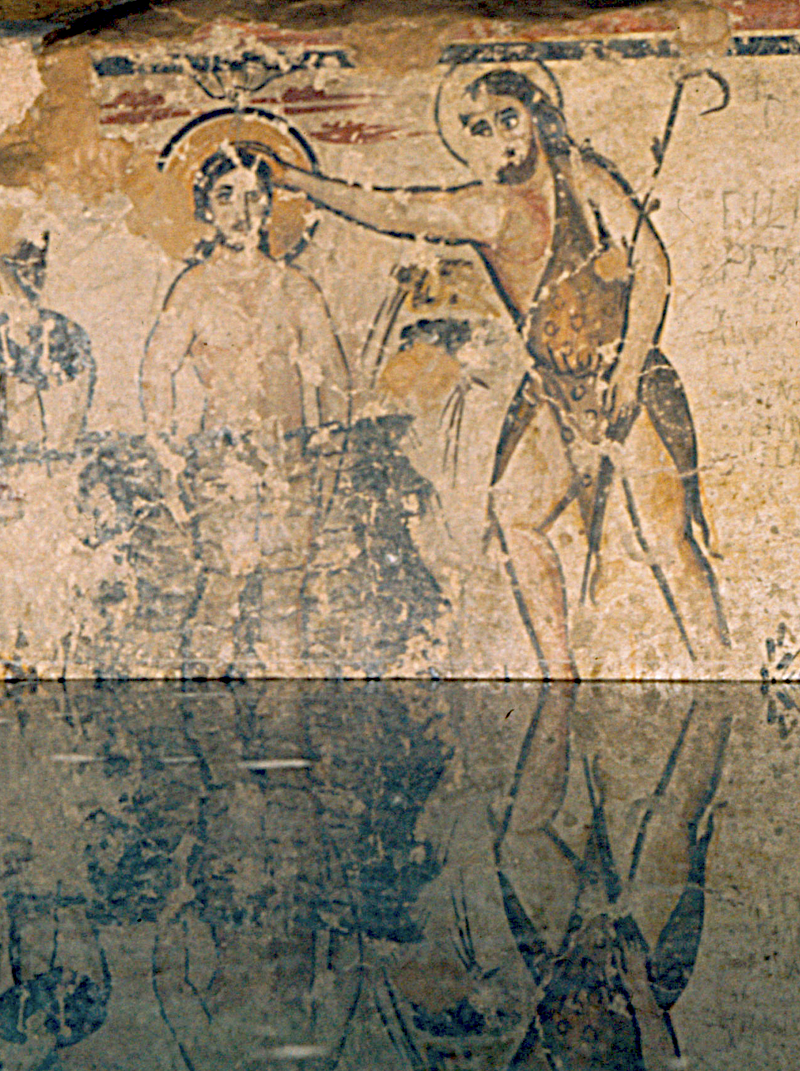
There’s his circumcision, and baptism. He’s naked in both scenes.
The baptism ritual practiced by John the Baptist isn’t described, but as Jonathan Z. Smith notes in his classic 1966, “The Garments of Shame,” the suggestion seems to be that “the proselyte was nude.”
Reading Matthew 3:13–17, we’re left to imagine a gloriously naked man. The warm winds blowing on his skin.
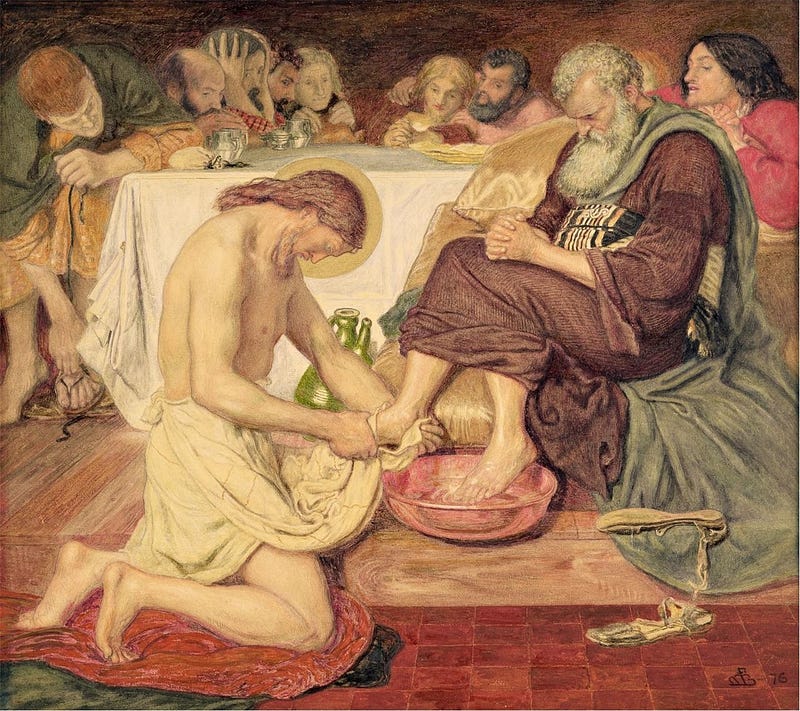
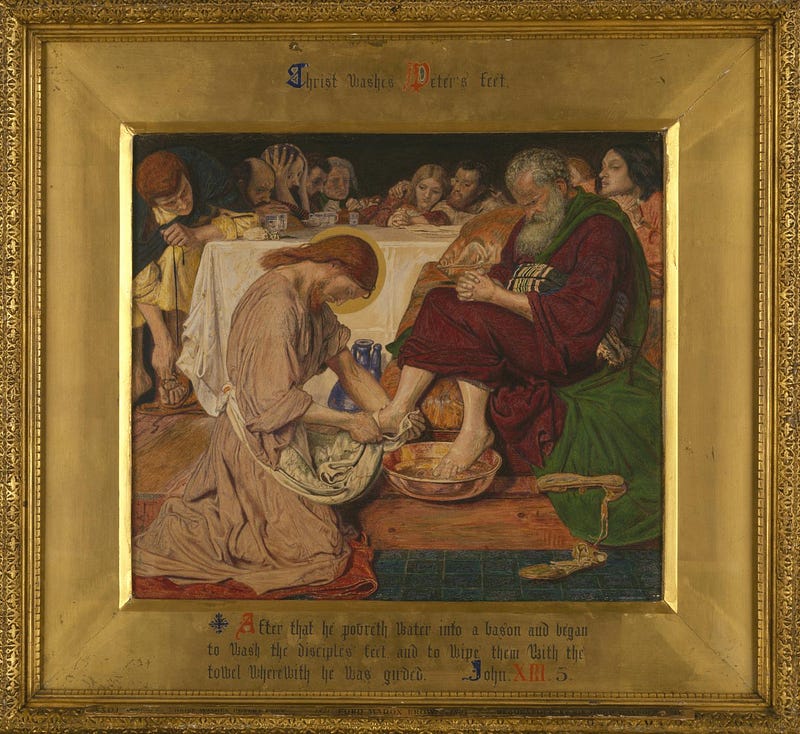
Jesus is naked in the footwashing scene.
The language of John 13:4 is a little vague. Jesus “removed his outer clothes, took a towel and tied it around himself.” As Joan E. Taylor notes:
“The ambiguity allows for us to imagine a completely naked Jesus with a linen cloth wrapped around his waist, using his only clothing to wash his disciples’ feet…”
The British painter Ford Madox Brown did a treatment — in two versions—of the footwashing scene. The first version was seminude, as survives in sketches and a watercolor. He wrote in his diary:
“…to suit the public taste…it must be clothed! To suit my own, not…”
That’s Christians for you. A painter is made to change the Bible’s scene into something else.
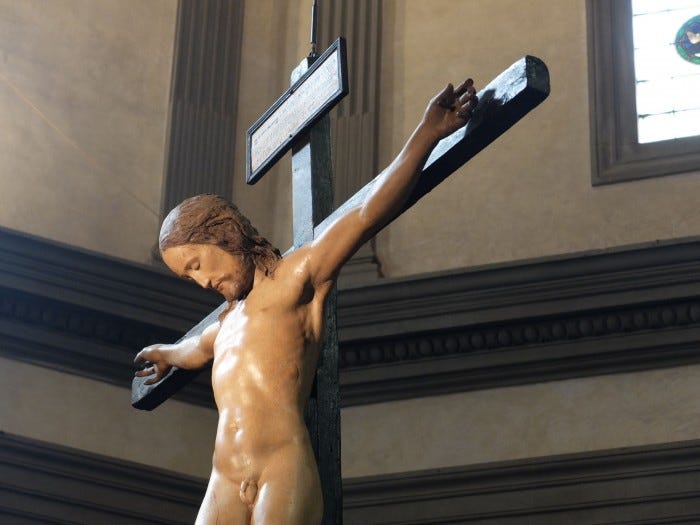
He’s naked in his crucifixion, of course.
Jesus being naked is indicated in the text of the gospels, and was very important to the narration. It was part of the perceived violation.
Jewish men, by tradition, did not appear naked in public. As the scholar Michael L. Satlow has noted, it was seen as “an offense against God.”
Christianity dislikes male nakedness just as much. Despite the gospel text indicating Jesus was naked on the cross, a loincloth is usually depicted—though not always.
Once you go Black Jesus, you never go back.
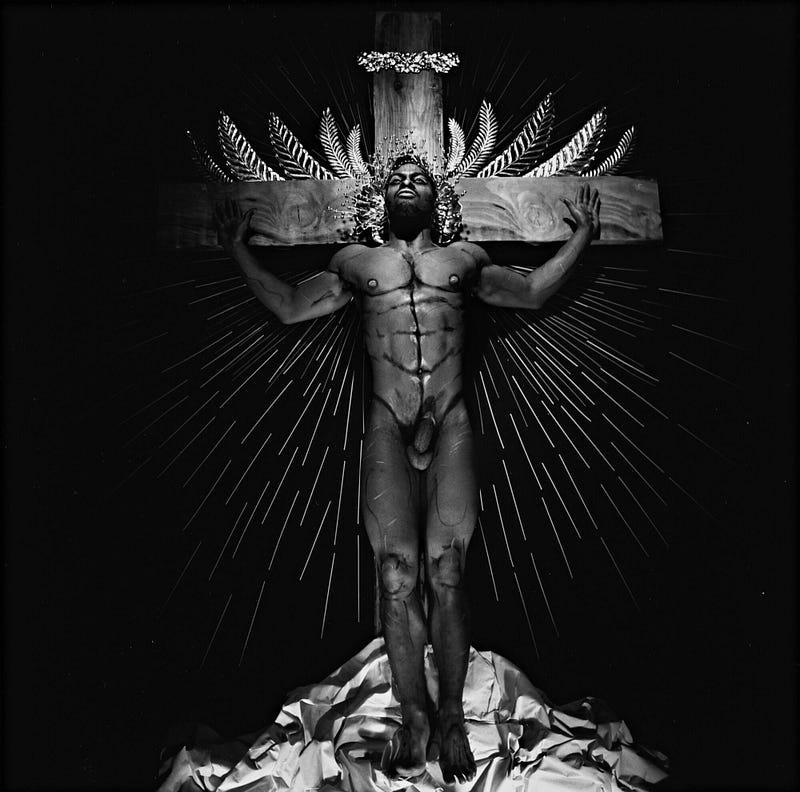
Baptisms were done naked.
That was a surprise to me. I never heard it in church, but early Christian records seem quite clear. Cyril of Jerusalem describes the ritual this way:
“Immediately, then, upon entering, you removed your tunics. This was a figure of the ‘stripping off of the old self with its deeds’. Having stripped, you were naked, in this also imitating Christ who was naked on the cross…”
“Naked we follow the naked Christ,” went the old baptismal motto.
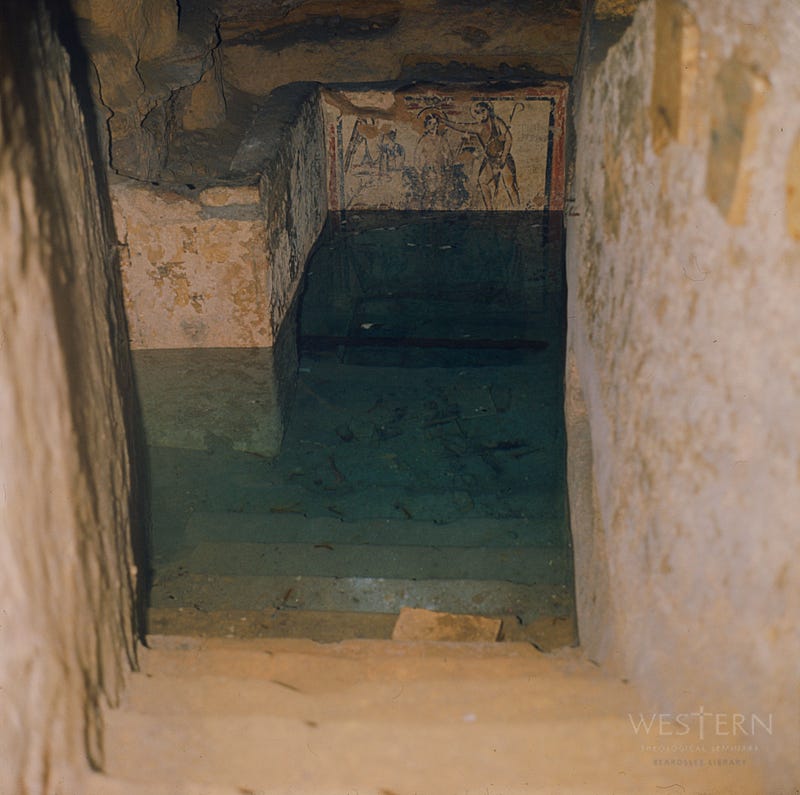
Nakedness returns us to the Eden we left.
The early Christian cleric John Chrysostom writes of early baptism:
“After stripping you of your robe, the priest himself leads you down into the flowing waters. But why naked? He reminds you of your former nakedness, when you were in Paradise and you were not ashamed.”
Jesus was the ‘new Adam’, and with him the follower re-enters the garden in a state of infancy—a new humanity, without concealment.
This is the New Testament theology, the ‘good news’.
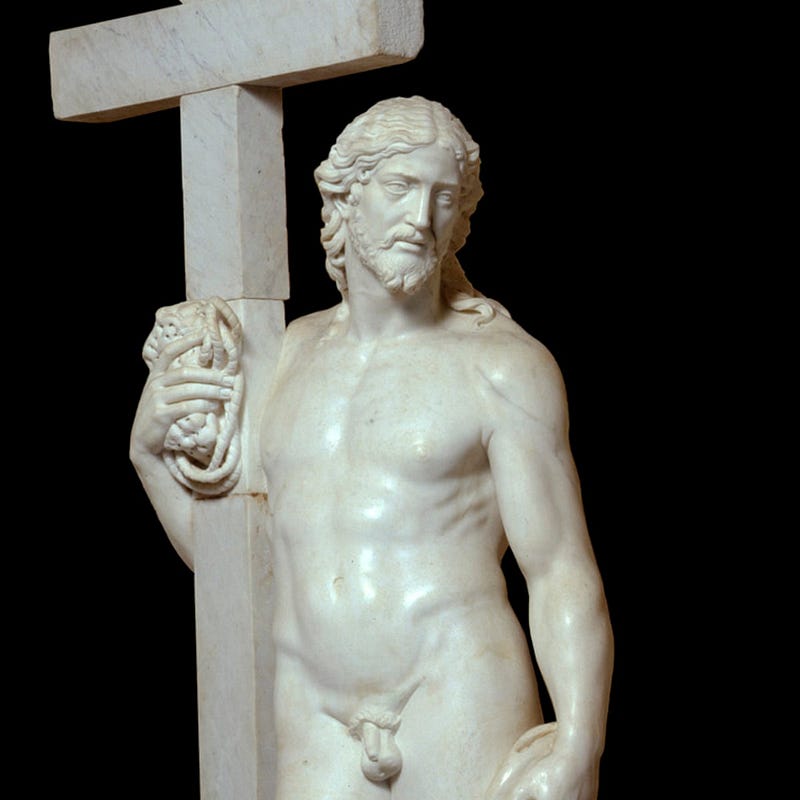
We conceal ourselves since our births.
We learn to lie about every imaginable subject. The truth becomes unthinkable. This is the story the Bible tells.
Then Jesus comes along and says: Naked is beautiful. 🔶


