
The History of Christmas
And it is not Christian.

My very first viral article was about the alternative way that some people can celebrate Halloween without offending any partygoers: Please Don’t Ban Halloween. Do this Instead. | by Christina Szeman | Readers Hope | Oct 2021 | Medium.
What does this have to do with Christmas? Well, since I am pagan, I thought I might research the origins of Christmas. However, unlike Halloween, there is no one source that it came from. Instead, Christmas is a combination of many cultures.
As for what I will write for you right now will be a general history of Christmas.

Many of you might believe that the Christians started to celebrate Christmas. You’re mistaken. Like many other holidays, the Christians had to adapt it to gain more followers.
There were other celebrations around the time of the Winter Solstice before that. For example, the ancient Romans had a festival called Saturnalia. This festival honors the god Saturn. I have already written about it here: Saturnalia. The Christmas of Ancient Rome. | by Christina Szeman | Nov, 2021 | Medium. But the Romans also had another holiday on December 25th called Juvenalia, which honors the god Mithras.
In Scandanavia, the Norse celebrated Yule, which I will also write about here The Interesting History of Yule.. Another Christmas Lesson. | by Christina Szeman | ILLUMINATION’S MIRROR | Dec, 2021 | Medium. There were pre-Christian cultures that marked the Winter Solstice on either December 21st or 22nd. So now you know why Christmas didn’t have one place of origin, but many.
When Christianity came into being, they put Christmas on December 25th. That’s even though Jesus was thought to have been born in January. However, his birthday is not mentioned in the bible. At that time, not many people want to give up the pagan Winter Solstice tradition. So instead of stamping it out, the church incorporated them into the practices that we know today.
The Puritan way of celebrating Christmas didn’t differ much from how the Puritans celebrated other holidays. They did not participate in any Christmas activities but instead worshipped God and read the Bible. The only difference was that they didn’t believe Christ had been born on December 25th, so they called it “Christ-tide” instead of Christmas.
We can also see this change through Charles II, who restored the holiday to its former glory. At first, he just celebrated with friends and family, but by 1660 he started to throw open his doors for all citizens to enjoy the holiday with him. We get our modern idea of a royal family celebrating with their subjects.
On the other hand, a few of those Puritans came to America and did not celebrate this holiday that we know so well. The Puritans were religious separatists who objected to the Church of England and sought to “purify” the Church and society in England and avoid what they saw as excessive rituals.

In the 19th century, Christmas really took off in the U.S. It was when the holidays were celebrated with families, close friends, and neighbors. So many signs of Christmas were designed to remind people of family togetherness.
Also in the 19th and 20th centuries, Americans and Canadians have changed the way they celebrate Christmas. We now associate with being a part of the holidays the customs adopted from European cultures, Immigrants to North America brought their own traditions, such as decorating a Christmas tree from Germany.
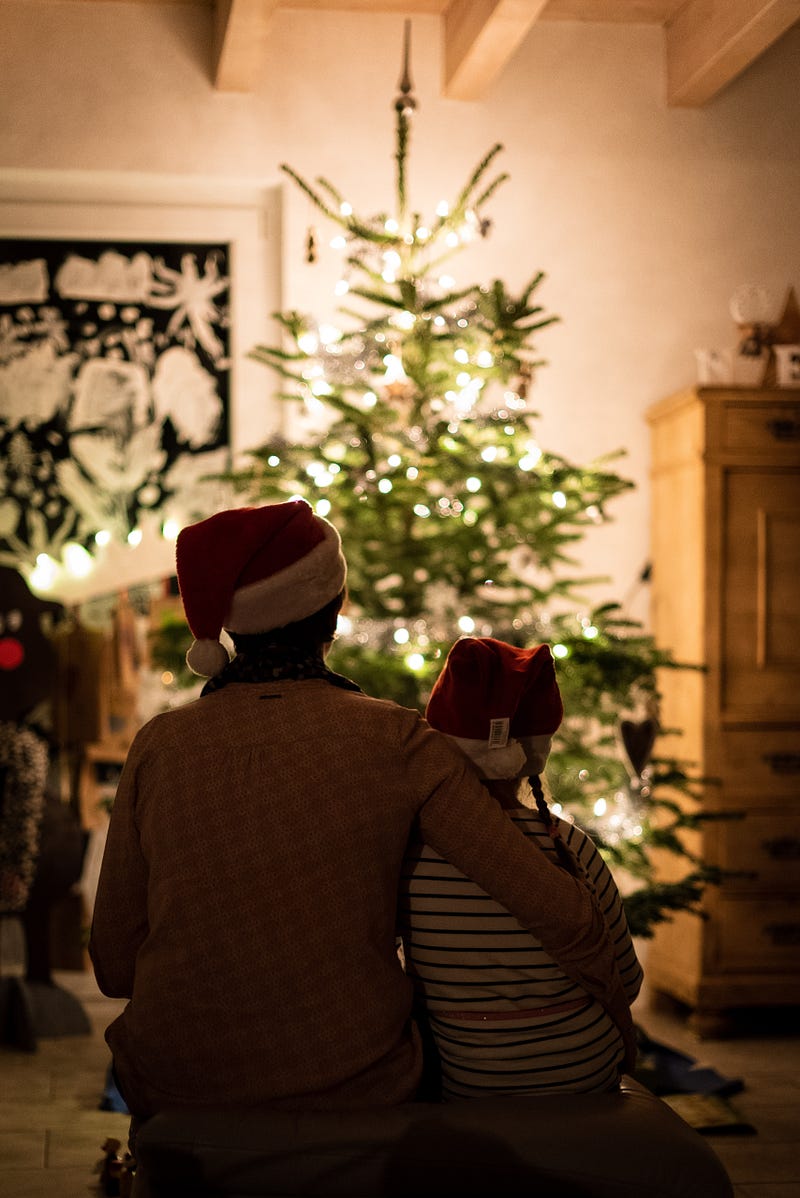
Even though we now have a more globalized culture, we still take pleasure in these Christmas traditions as if they were as old as time. The world is constantly changing, but the love of Christmas will always remain — no matter how much has changed.
References
Gorman, C. (2020, December 9). What Is The History of Christmas? — Why We Celebrate Christmas on December 25. Country Living Magazine. Retrieved December 6, 2021, from https://www.countryliving.com/life/a45594/the-history-of-christmas/
Hillerbrand, H. J. (2021, October 25). Christmas | Origin, Definition, Traditions, History, & Facts. Britannica. Retrieved December 6, 2021, from https://www.britannica.com/topic/Christmas
Irving, W., & Crayon, G. (2021, November 9). History of Christmas — Origins, Traditions & Facts — HISTORY. History.com. Retrieved December 6, 2021, from https://www.history.com/topics/christmas/history-of-christmas
Rockwood, F. (n.d.). Why is Christmas Celebrated on the 25th December? WhyChristmas.com. Retrieved December 6, 2021, from https://www.whychristmas.com/customs/25th.shtml


