
I Once Lived in a Small City.
And I will not go back to this particular anonymous one.
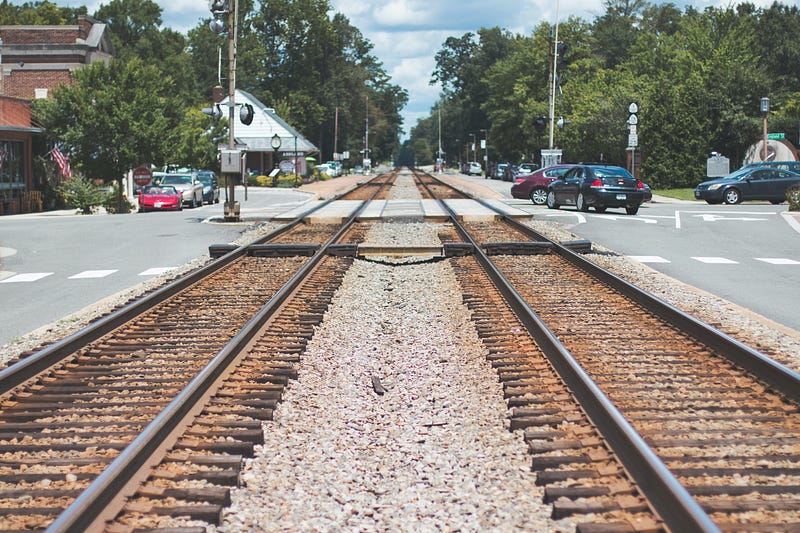
Before this pandemic, I lived on my own in a small city in a different province here in Canada. So I would say that this is more of a small city, not a town, because of its size. So I would say a small town, but it’s not relatively that small.
I was born and bred a big city girl. So when I first moved to this town nine years ago, I thought it would be like living at home. But it wasn’t like that.

Public Transportation.
The first difference that I have noticed was the times that the buses run. I am more used to having buses run from five in the morning until midnight. However, this small city ran from six in the morning until seven at night Monday through Friday and 10 a.m. until five p.m. Saturdays. It would have been mentioned to me in the welcome wagon pamphlets, but it wasn’t. My first week there, I remember sitting at a bus stop after seven at night, near the only Walmart in town. Then one of the locals driving by mentioned that to me. I thought that they might be lying, but they weren’t. I mean, what city’s transportation system ends at seven at night? Well, the times should have put up on all the stops in big letters, but it wasn’t. And because of this, I can only do my grocery shopping on Saturdays before five p.m.
The last time I took those buses, I heard from the driver why the buses run on those times. It’s because they are afraid of kids throwing pebbles at them while they were. But I think it has to do with the racist attitude this city has toward Indigenous Canadians.
The good news about living in this small city was that my apartment was just fifteen minutes away from my job. I had to walk to work. It was a bonus until I got canned by my boss for being late coming back from lunch. It is strange to me because back home, I usually go to work early.
The People.
The biggest problem I had living in this particular small city (Which I am not going to mention because I don’t want to get into trouble) is that all the locals there has a small-town mindset. I didn’t make any friends there because most of them would rather be friends with others they had known since kindergarten.
A couple of times, I was with some acquaintances, and two of them talked about one or two of the high schools in town they have been to. I am the only one that hasn’t been to either of these schools.
And, of course, being around people talking about other people they know, and I don’t.
This city’s population, according to Wikipedia, is 35,926, and everyone there still thinks of that city as a small town. Then, of course, there were a few friendly people, but not many of them.
Getting back to my story, I can’t volunteer there because most of those position starts when I am at work. Who wants to volunteer at two in the afternoon on a weekday?
The farmers market goes every Wednesday, either downtown or in the mall (Depending on the time of the year). And on Saturdays until one in the afternoon. This, to me, is laughable.
The Drug Problem.
I have never been to a city where downtown is like a ghost town after six p.m. My apartment was located near there. All the shops there close at six p.m., which is the dumbest time to close. There are still people who work from nine to five, some of them would rather go shopping after dinner. But none of the shops downtown are open after six, and I think most of them fail because of time constraints. No wonder locals would rather take the hour and a half drive to the nearest big city to shop there.
The reason for this curfew happens to be this small town’s fear of drug addicts and homeless people. By the way, I did see a few people inject themselves with drugs during the day. I have also spoken to a former gym instructor who can tell who is a pimp because a group of questionable people was hanging out near the gym and the mall. I think that racism also has to play a part in this.
I am probably the only female that is not afraid to go out at night alone. I’ve done that many times. One time, a suburban woman came up to me, scared, and warned me about a homeless person with a mental issue who she said was bothering her. It turns out that she was one of those racist Karens.
Another time, I just got out of the movie theatre after watching Star Wars: The Force Awakens. I was waiting for a cab when a blonde white kid asked people for money for the next provincial bus to the nearest big city. I know the times of that bus schedule. The last of those buses leave at eight in the evening, and the next one starts; I think about eight in the morning. I did mention that to the kid, and he avoided me. It turns out that he wanted money for drugs and not for a ride home.
The Provincial Public Transportation
I was lucky to use the provincial bus to travel on the weekends for the first years of my stay. It’s not called Greyhound, but something else. The only Greyhound there goes to one place. I like it because I can first bus in the morning and the last one at eight in the evening to return home.
I enjoyed it until the Provincial Government decided to get rid of that in one of their budget announcements. After that, I had to rely on an acquaintance for out-of-town travels.
Other Small Towns.
I know that some other small towns in Canada have very friendly people. However, I think that those are tourists towns. Those that don’t have closed-minded residents.
Where I was living, didn’t have anything that was a major tourist attraction. There were a few small museums and a waterpark and that is it.
In Conclusion
I understand that some people do love living in a small town because of the community. But because I don’t have a license (I’ve tried and failed three times), I have to rely on public transportation. I know that small cities do have that. But if I were to move to another small city, I would have to do my research first before going there.
Moving back to my hometown, I miss one thing, and that is being independent. Who wants to live with their parents again?


