
The Fastest Way to Lose Body Fat Is to Actually Lose It Slowly
The ugly reality of “fast” fat loss most coaches & influencers don’t reveal — and how to lose fat (and keep it off) effectively

My mother’s joyous face turned ashen.
“Surprised? All that ugly fat’s gone for good!” I lugged my bags in. “But you look so weak and ill,” she quailed.
“Ah! Bumpy ride, so zero sleep. Plus, this hoodie’s an XL, Mom.”, I consoled her.
My mom’s ominous look of alarm failed to warn me of the hellhole I was digging myself into.
Her love-infused force-feeding made me regain a kilo or two. But once I returned to college — the insidious cycle of undereating, over-obsessing, and overexercising restarted.
Eating just 800 daily calories — bland egg whites, oats, and whey protein shakes. Dragging myself through caffeine-fueled gym workouts. Checking my abs 4375 times a day. Biking 20+ km a week. Hunger-fueled insomnia despite absolute exhaustion.
All that torture only to end up skinny instead of “ripped” as I had envisioned?
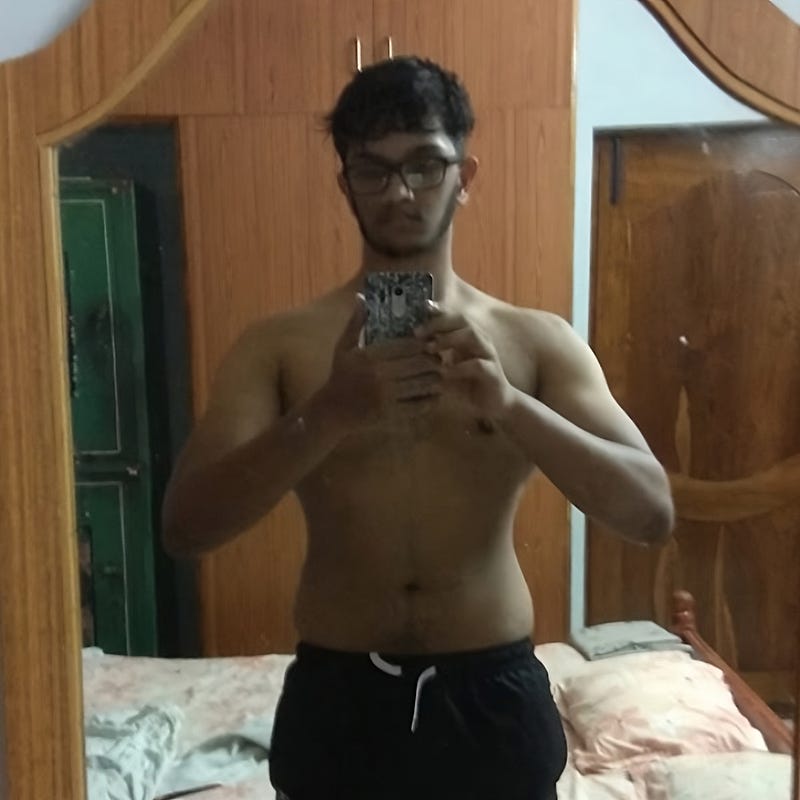

It was disheartening.
Oscillating between trying to regain muscle and keeping off the fat, I got stuck in a painful limbo of hating myself, my body, exercise, food, and life.
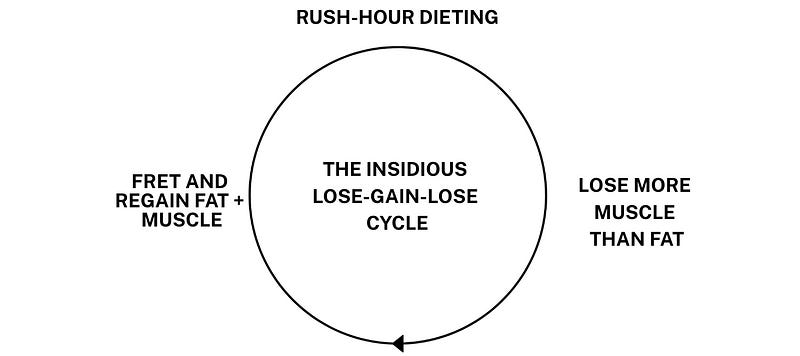
Despite doing exactly what most fitness “gurus” and coaches espoused, I neither got ripped nor felt healthy. In fact, I felt worse than before.
“Where had I gone wrong?” I often wondered in those days.
Only 2 years later would I find the answer.
The Unsexy Truth of the Sexy Physiques You See Online
The fitness industry sells false hope and unreal expectations to grease its billion-dollar pockets.
In my brief time as a fitness “micro-influencer,” I got a glimpse of this dirty business. The secret behind the shredded Greek-god physiques you see all over Instagram?
Yes, hard work and dedication. But more so — Photoshop. Steroids. Diuretics. Angles. Pump. Lighting. Clever flexing. Strategic posing. And shameless lies.
Hollywood’s poster boy Chris Hemsworth’s on this bandwagon — so is the rock and a gazillion other celebs. Zac Effron’s the only celeb I’ve seen come clean about his PED use.
Forget steroids. The other factors alone make a massive difference. Guess the duration of my “transformation” below.
4 weeks? 6 weeks? 2 months?
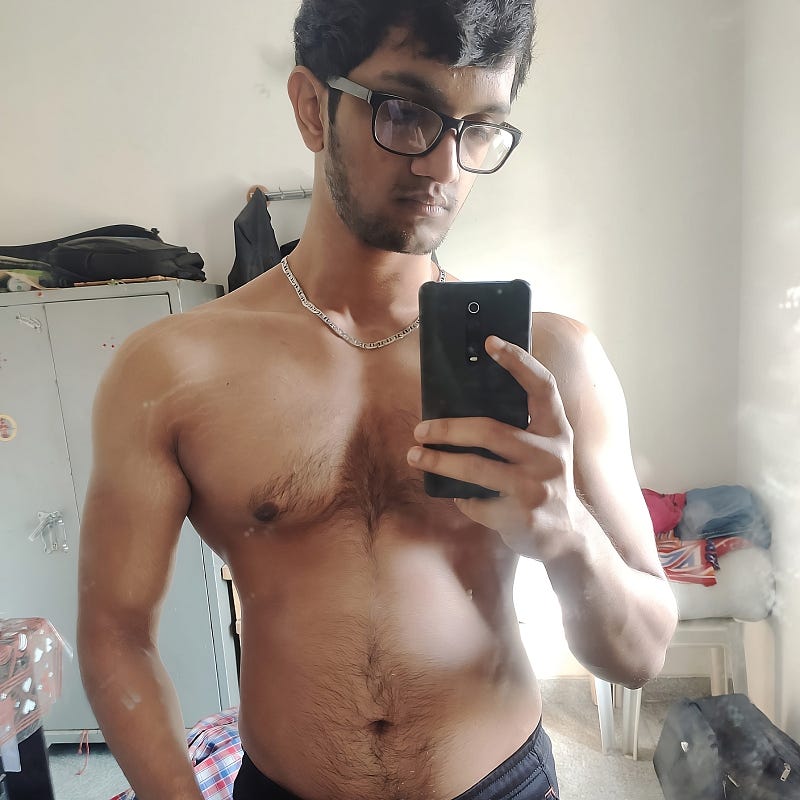
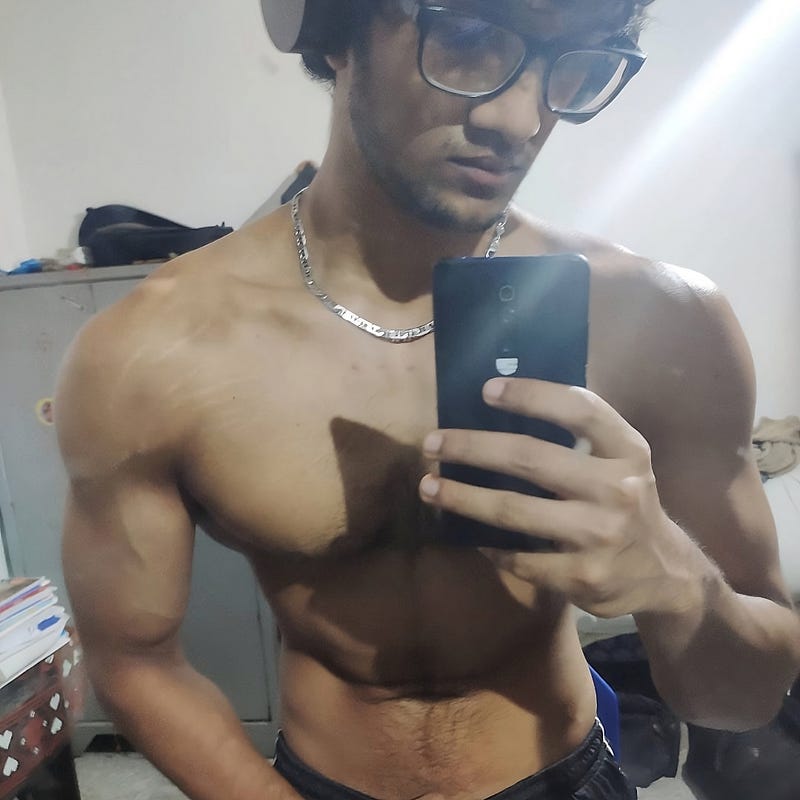
It’s 2 hours.
Yes, that’s how much of a difference a pump, lighting, and flexing can make. Throw in diuretics + professional photography + steroids + Photoshop — and you have unreal results.
Falling prey to such insidious lies, I went extreme — and lost muscle, morale, and mental health.
Thousands of impressionable young men and women beat themselves into insecure pulps over their bodies — and starve themselves, hoping to look like their Instagram idols.
No wonder we have an epidemic of body dysmorphia, eating disorders, anorexia, and bulimia.
Wanting to be fit is fantastic — but have realistic expectations. Nick’s Strength And Power’s 10-year bodybuilding journey and Alpha Destiny’s fat-loss journey are excellent honest examples.
Avoid These 4 All-Too-Common and Painful Mistakes
The more I learned, the more I awakened to the disaster I had embarked on. But crawling out of the hellhole was challenging.
For months, I remained wary of gaining weight. Every loo visit was an ab-checking session — irrespective of whether I was semi-asleep, drunk, or even “high”!
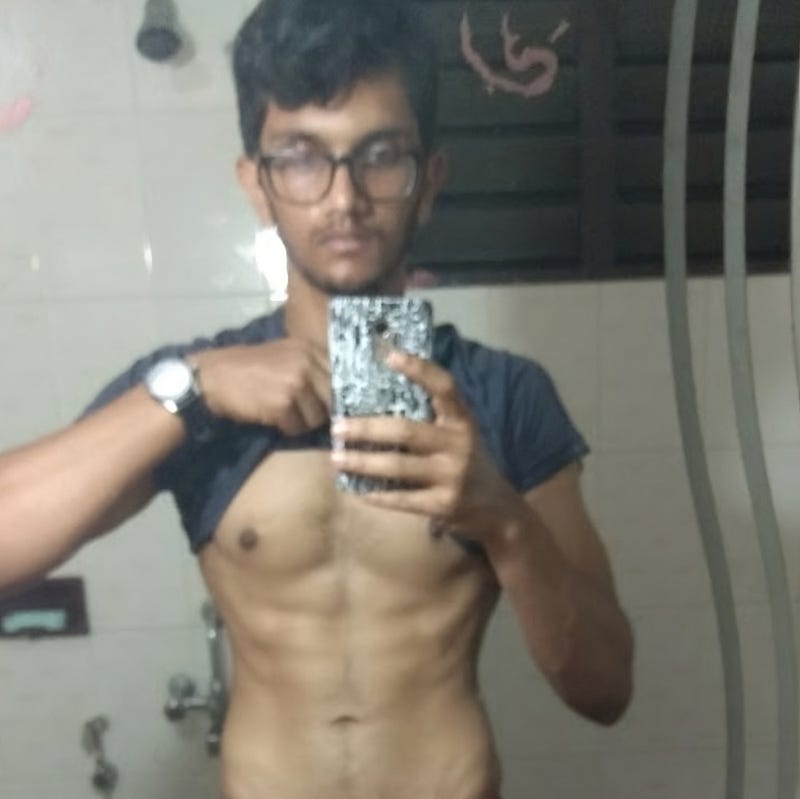
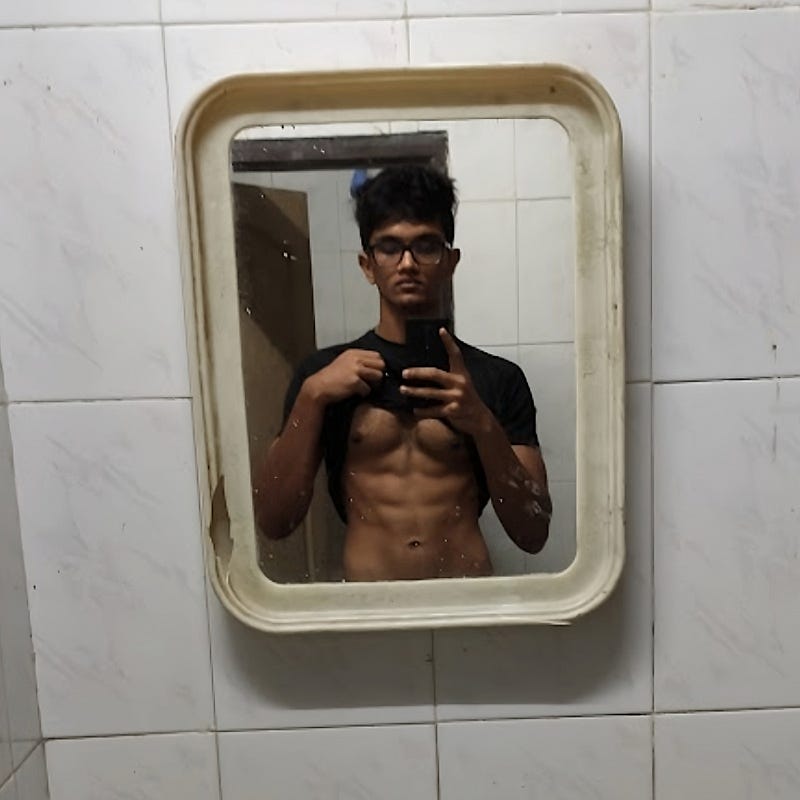
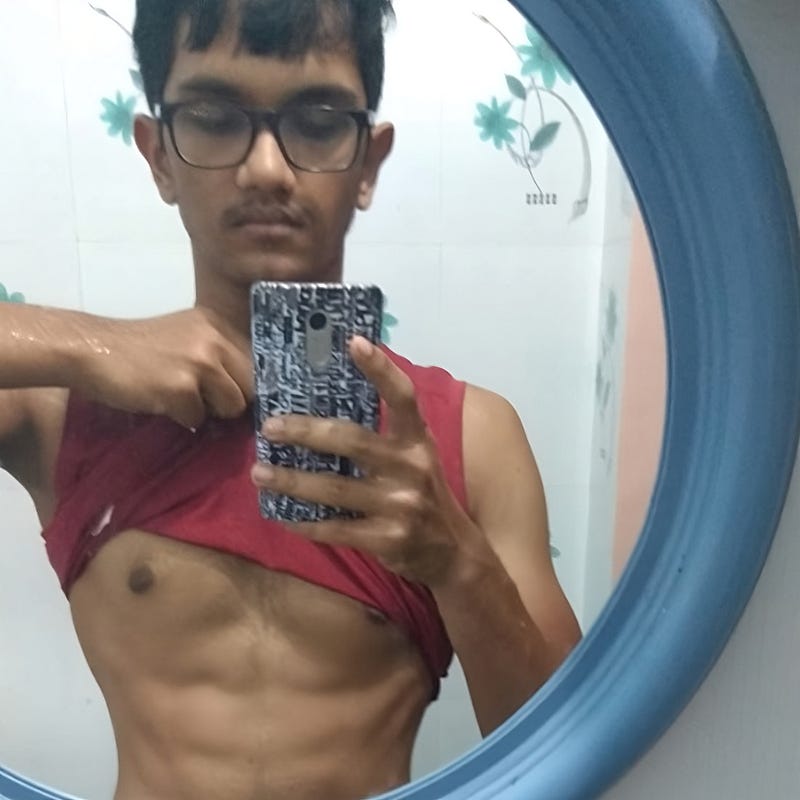
I’m ashamed to share these photos— but it’s necessary to illustrate the damage rushed fat loss can have on your physical and mental health.
Almost killing myself trying to lose fat taught me crucial lessons. Learn from my blunders and save yourself time, effort, and mental energy:
Blunder #1 — Severely Restricting Your Calories
Low-calorie diets can reduce the number of calories your body burns by as much as 23%! This reduction persists long after stopping the calorie restriction—leading to “metabolic damage.”
Severe calorie restriction can also disrupt your immunity, energy, happiness, and hormone levels.
A daily deficit of 300 to 750 calories is optimal — 200 or lower will be too slow. 1000+, as in my case, can erode muscle mass and impair your health.
Blunder #2 — Doing Too Much Cardio
Cardio isn’t evil — but extreme cardio paired with an extreme calorie deficit is carnage.
Low on fuel, your body will burn fat stores and muscle mass for energy. Cardio also adds to the recovery overhead — disrupting your weight training routine.
You don’t “need” cardio to lose fat. The deficit through your diet will suffice.
Cardio’s useful only to enhance your calorie deficit. Limit your weekly low-intensity cardio to 2 to 3 half-hour sessions and HIIT to one 15-minute one.
Blunder #3 — Not Prioritizing Strength Training
Repeat after me — “Weight training is king. Cardio’s only the lowly attendant.”
Whether dumbbells, kettlebells, bands, or body weight, resistance training is critical to avoid muscle loss — the difference between skinny and ripped.
But since you’re dealing with lower energy and slower recovery, there are some changes to be made:
- Heavier weights + Lower reps. Don’t fall prey to the “Lightweights + high reps to cut” myth. Preserving strength = preserving muscle. Train close to failure in the 4 to 8 rep range.
- Intensity > Volume. If your recovery takes a hit, slash the number of sets you perform in half. But don’t reduce weight. Try to preserve your strength as much as possible.
- Ramp up the frequency. Train every muscle group two to three times a week. Ditch the inoptimal “bro” split. Instead, switch to optimal higher-frequency splits — like Reddit PPL, PHUL, PHAT, or Alpha Destiny Full-body.
- Adjust based on your recovery. Don’t over-exert yourself. Slash volume till your recovery matches. One challenging set of barbell squats will put 10 sets of leg extensions to shame.
Blunder #4 — Not Listening to Your Body
Dizzy spells. Rock-bottom sex drive. Constant lethargy. Bad insomnia. Sunken face. Unhealthy pallor. Deep eye bags. Maddening hunger. Irritable depression.
Pay religious heed to “Uh oh, something’s wrong” signs. Listen to and respect your body — it’s your only home. Slow down or pause things for a while.
The most telling sign? When your mom’s face turns ashen. Don’t repeat my nightmarish saga.
The Stupidly Simple Art of Sustainable Fat Loss
Unlike an RPG game, you can’t speedrun your way through fat loss.
You didn’t gain all your fat overnight, so don’t expect to lose it in a blink.
Recovering from my rush-hour disaster, I slowly regained muscle (and some fat). I dove deep into the annals of fat loss — BAT, EPOC, NEAT, BIA, and other fancy acronyms the science guys wield to confuse us.
With cautious patience and knowledge-fueled motivation, I embarked on another “cut.”
And the results were spectacular.


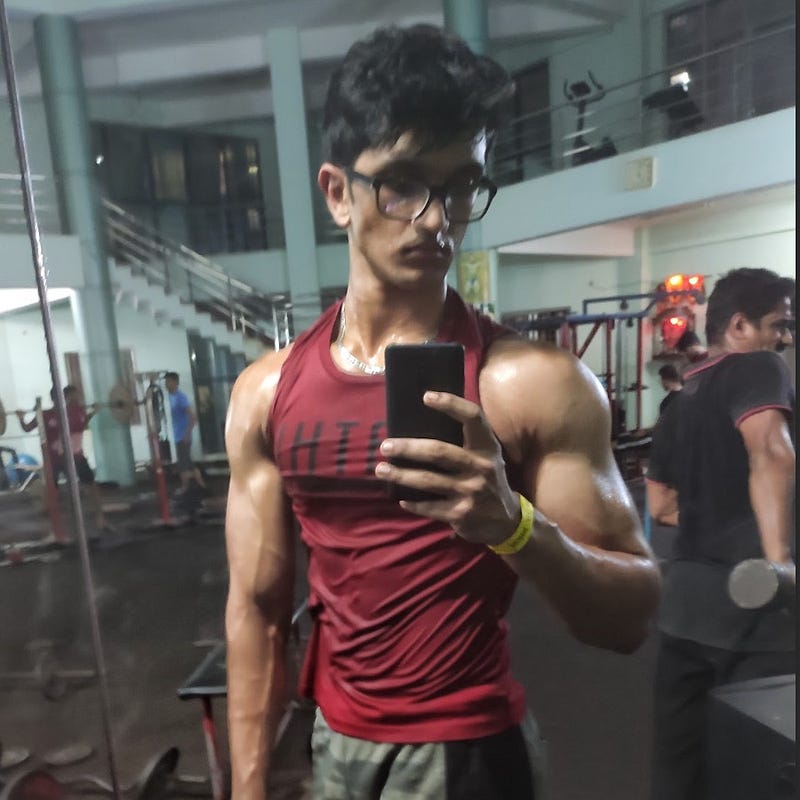
The best part? I enjoyed my meals, loved my workouts, slept soundly, preserved my muscle mass, and got washboard abs.
Work with your body, not against it — create natural and conducive conditions for your body to torch fat:
- Find your Total Daily Energy Expenditure (TDEE). Choose an optimal calorie deficit (~350 to 750). Now, your daily calorie target = TDEE minus deficit.
- Track your daily intake with MyFitnessPal or HealthifyMe. Eat 80% clean—complex carbs, healthy unsaturated fats, leafy greens, and lean protein sources. The rest 20% is for anything your taste buds crave.
- Consume at least 1g of protein per pound of your body weight — here are 50 of the best protein sources.
- Resistance training > cardio. Train close to failure. Prioritize compound lifts. Slash sets if you have to, but lift heavy and frequently — intensity > frequency > volume.
- Chug at least 4L of water. Grab a 2.2L water bottle and carry it around with you everywhere.
- Weigh yourself every single day. Ensure your weekly average is going down. If it isn’t, reduce your daily calories by ~100 to 200. Don’t mind daily fluctuations. They’re normal.
- Sleep at least 8 to 9 hours every night — the most crucial part of fat loss.
This is only a high-level overview — workout, nutrition, recovery, supplementation, tweaking, each aspect is a rabbit hole of its own!
Check out my ultimate fat-loss bundle for a deeper-dive companion that covers every aspect step-by-step.
Learn from any (legit) source you want, but learn — don’t repeat my blunders.
The Final Chapter: Stay Ripped All Your Life
I firmly believe you should get ripped only once in your life — and alter your lifestyle so that you stay lean.
I’ve never lost my six-pack since I unlocked it 4 years ago. The one time I got close to losing it during the pandemic — I regained it within weeks.
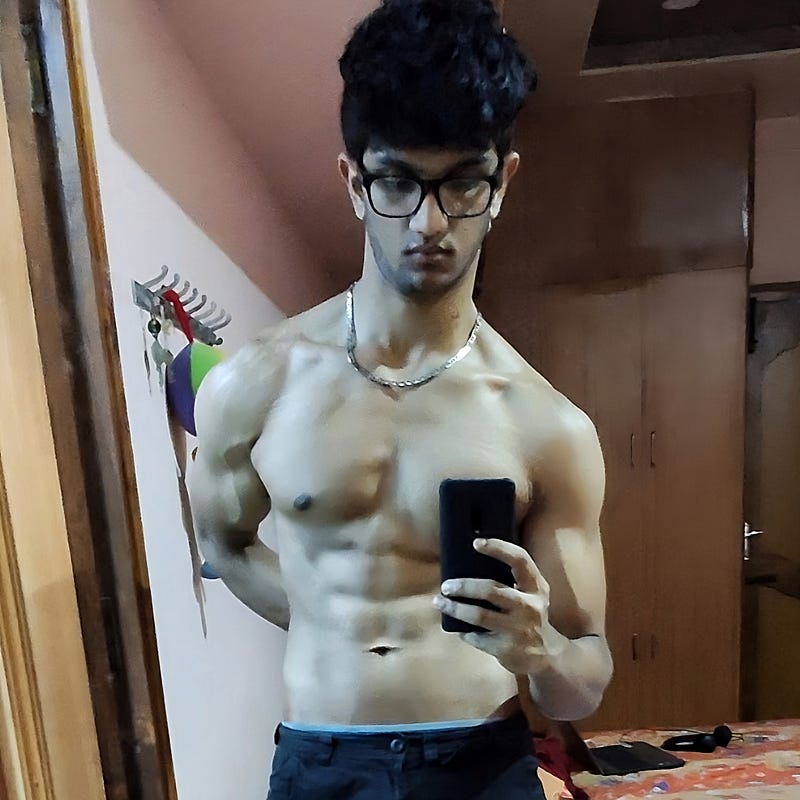
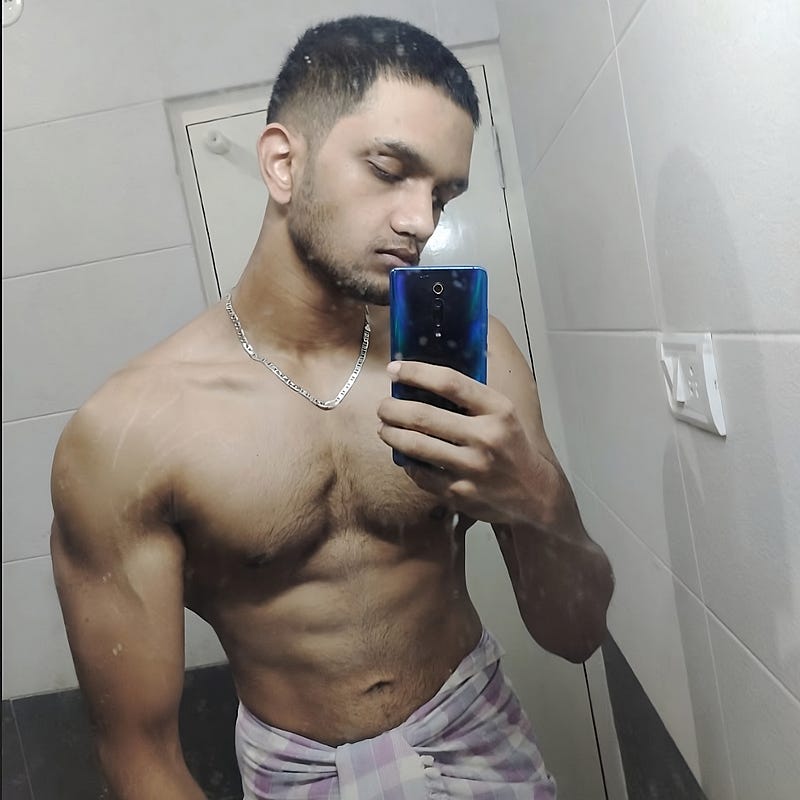
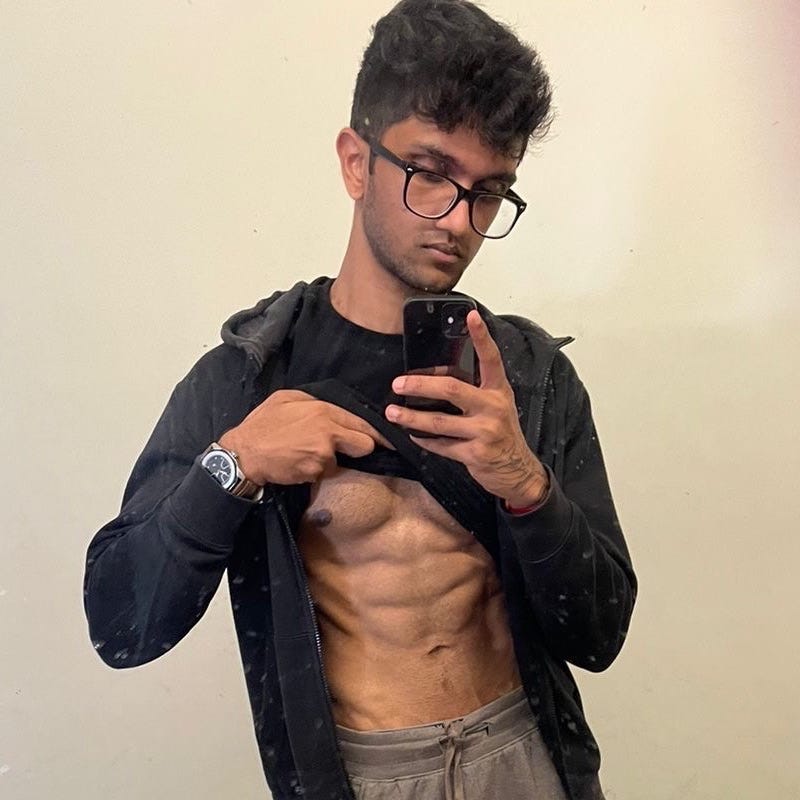
It’s all thanks to 6 simple daily habits:
- Catch ample ZZs. Sleep at least 7–8 hours each night to keep stress, hormones, heart rate, blood pressure, sugar levels, and weight in check.
- Ramp up your NEAT: Your Non-Exercise Activity Thermogenesis, aka physical activity throughout the day apart from exercise, can account for up to 50% of your total metabolism! Here are 12 creative NEAT ideas.
- Build every meal around protein: Be it building and maintaining muscle mass or boosting your metabolism, protein is vital. Shoot for 0.6 to 0.8g of protein per pound of your body weight daily.
- You’re probably dehydrated: Drinking water is crucial for good health, fast metabolism, and flushing bodily toxins. Aim to drink at least 2–3 liters of water per day.
- Center your workouts around compound lifts such as squats, deadlifts, and barbell rows. Hammering multiple muscle groups simultaneously, they’re intense, exhausting, and calorie-torching.
- Practice intuitive mostly-clean eating. Eat till satiety. Eat only when hungry. Skip meals if you don’t feel like it. Get 70–80% of your calories from healthy whole foods such as meat, fish, eggs, legumes, veggies, and milk. And the rest from whatever you want.
Yes, it’s that simple — but simple doesn’t mean easy. Sticking to this “simple” day in and day out makes all the difference.
“Every day it gets a little easier… But you gotta do it every day — that’s the hard part. But it does get easier.”
— The Jogging Baboon from Bojack Horseman
It burns down to your mindset.
Don’t treat fitness as a seasonal summer beach-bod pursuit or a quick fix for your upcoming wedding.
Treat it as a lifestyle — only then will you break the insidious loop of gain-guilt-lose-struggle-regain.
Only then will fitness feel as natural as breathing air.
That’s how you stay fit for life.


