
The Fascinating Science Behind Plasma Balls
How Electrical Discharge Lamps Work to Create a Glowing Plasma Display
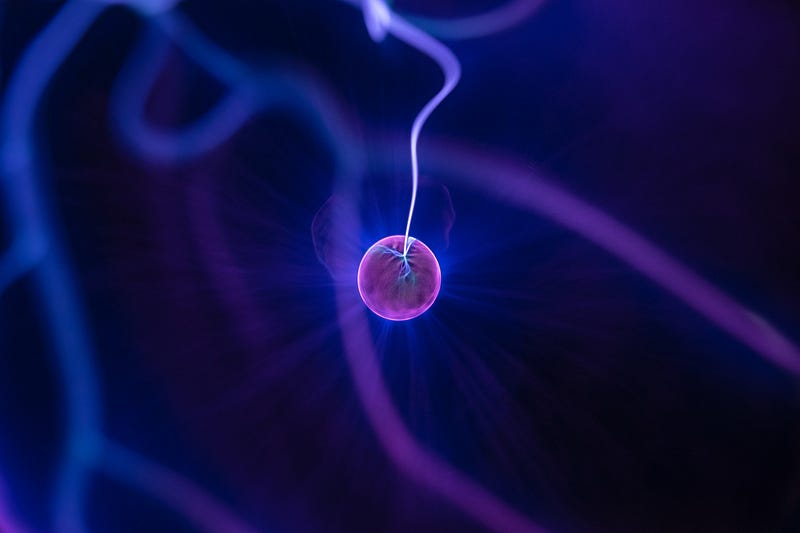
Plasma balls, also known as electrical discharge lamps, are fascinating devices that use a high voltage electrical source to create a glowing plasma inside a glass sphere. They are often used for decorative purposes or as a scientific demonstration tool.
What is Plasma?
Plasma is a high-energy state of matter that can conduct electricity. It is created through a process called electrical discharge, which occurs when an electric current passes through a gas. When the electric current is applied to the gas, it causes the gas atoms to become excited and ionized. The ions then collide with other atoms and molecules, releasing energy in the form of light. This is what gives plasma balls their characteristic glowing appearance.
“Plasma is a gas that has been heated until its atoms are stripped of their electrons, creating a soup of ions and free electrons that can conduct electricity.”
— Howstuffworks
How Plasma Balls Work
Plasma balls work by using a high voltage electrical source to ionize the gases inside the sphere, creating a plasma. When the electrical source is turned on, the gases inside the sphere become ionized and form a plasma. The plasma then reacts to external stimuli, such as touch or movement, creating a mesmerizing light display.
“The plasma inside a plasma ball is created through a process called electrical discharge, which occurs when an electric current passes through a gas.”
One of the most interesting features of plasma balls is the way that the plasma reacts to external stimuli. When you touch the surface of the glass sphere, the plasma will tend to follow the movement of your hand, creating a visually striking display. This is because the plasma is attracted to electrical charges, and your hand acts as a conductor for the electricity.
Factors Affecting Plasma Ball Performance
There are several factors that can affect the performance and behavior of a plasma ball, including the type of gas used, the electrical current, and the size and shape of the sphere.
Gas Types
Different gases can produce different colors and effects in the plasma ball. For example, neon gas tends to produce a reddish-orange color, while argon gas produces a blue or violet color. Mixing different gases can also produce different colors, such as the purple color often seen in plasma balls.
Electrical Current
The intensity and brightness of the plasma can also be affected by the electrical current used to create the plasma. A higher electrical current will result in a brighter and more vibrant plasma, while a lower current will produce a dimmer and less visible plasma.
Sphere Size and Shape
The size and shape of the sphere can also impact the appearance and behavior of the plasma. Larger spheres tend to produce a more diffuse and spread-out plasma, while smaller spheres can produce a more concentrated and focused plasma. The shape of the sphere can also affect the way the plasma moves and reacts to external stimuli. For example, a sphere with a pointed end will produce a more directional plasma that is attracted to the pointed end, while a sphere with a more rounded shape will produce a more evenly distributed plasma.
Conclusion
Plasma balls are a unique and visually striking way to explore the properties of plasma and electricity. They can be used for decorative purposes, as a teaching tool, or simply as a source of entertainment. Whether you’re a scientist, a teacher, or simply someone who appreciates the beauty of electricity, a plasma ball is sure to capture your attention and imagination.


