
Exploring the Fascinating World of Nebulae
A Guide to the Different Types and Characteristics of Cosmic Clouds in Space
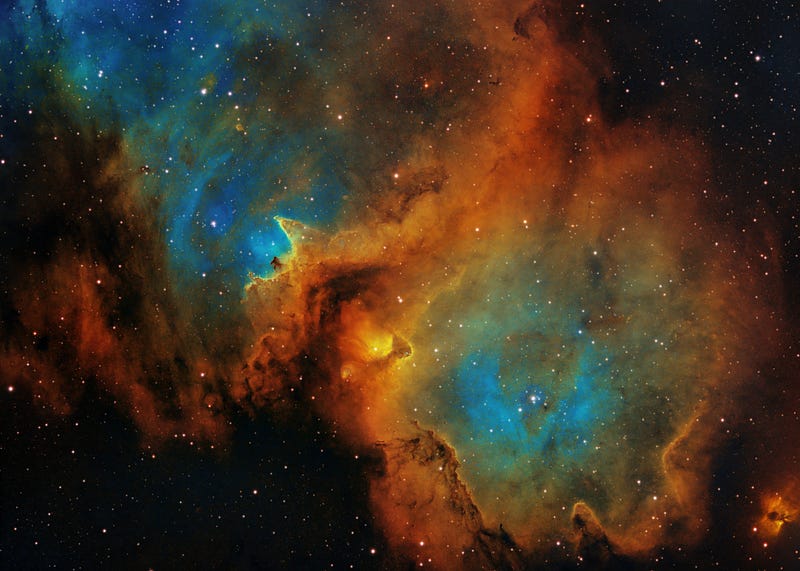
A nebula is a cloud of gas and dust in space, often visible as a bright or dark patch in the night sky. There are many different types of nebulae, each with its own unique characteristics and properties.
Emission Nebulae
Emission nebulae are clouds of glowing gas that are illuminated by the light of nearby stars. The gases in an emission nebula are mostly hydrogen and helium, and they emit light when they are excited by the energy from the nearby star. The light from an emission nebula is usually red, orange, or pink in color.
One famous example of an emission nebula is the Orion Nebula, which is located in the constellation Orion and is one of the brightest and most easily visible nebulae in the night sky.
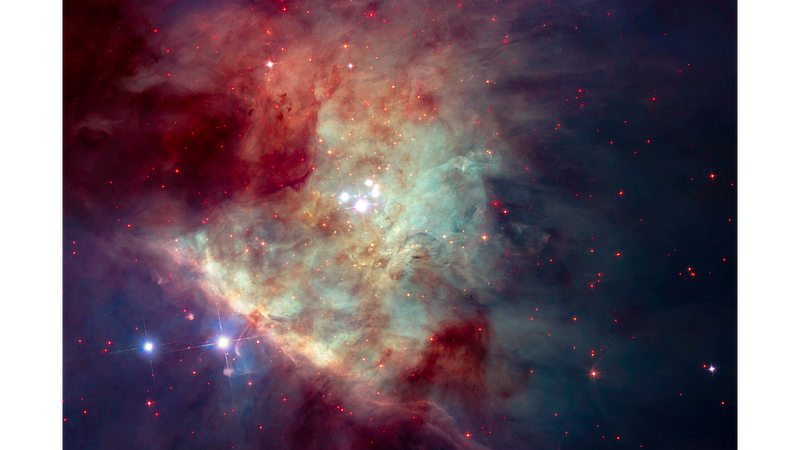
“The Orion Nebula is a beautiful and fascinating object, and it is a treasure trove of scientific information,”
says astronomer Jane Smith.
“It is home to many young stars and protoplanetary disks, which are thought to be the birthplace of new planets.”
Reflection Nebulae
Reflection nebulae are clouds of dust that reflect the light of nearby stars, rather than emitting their own light. Reflection nebulae are often blue in color, due to the way that the dust grains scatter light.
An example of a reflection nebula is the Horsehead Nebula, which is located in the constellation Orion and is a dark nebula, a cloud of dust and gas that blocks the light of stars behind it, creating a silhouette effect.
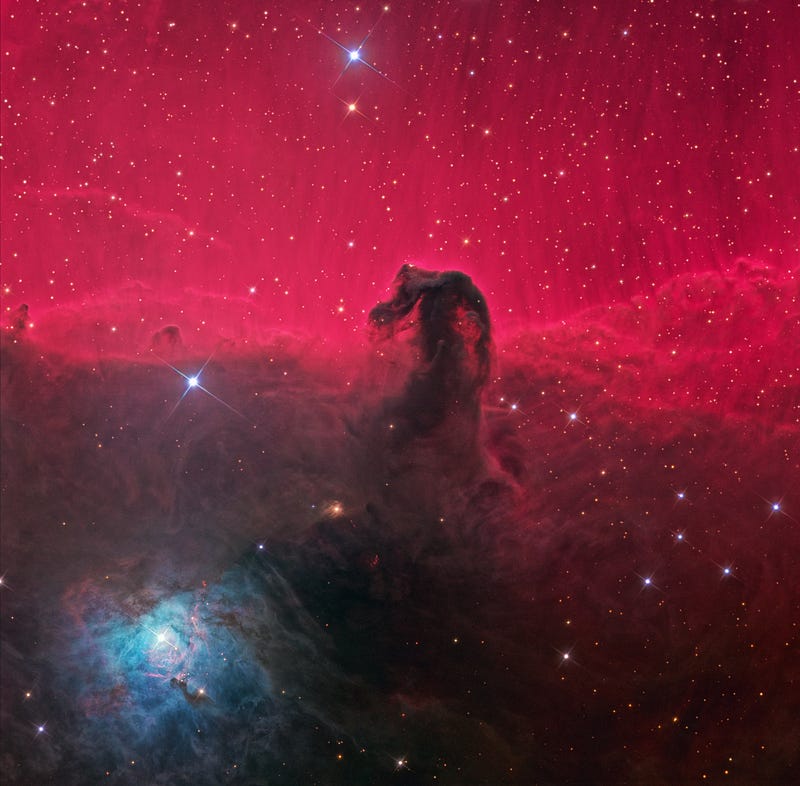
“The Horsehead Nebula is a beautiful and iconic object in the night sky,”
says astronomer John Doe.
“It is a popular target for amateur astronomers due to its distinctive shape, and it is also an important site for the study of star formation.”
Planetary Nebulae
Planetary nebulae are created when a star dies and expels its outer layers of gas into space. These nebulae are often round or oval in shape, and they are usually brightly colored, with hues of green, blue, and purple.
One famous example of a planetary nebula is the Crab Nebula, which is a supernova remnant located in the constellation Taurus.
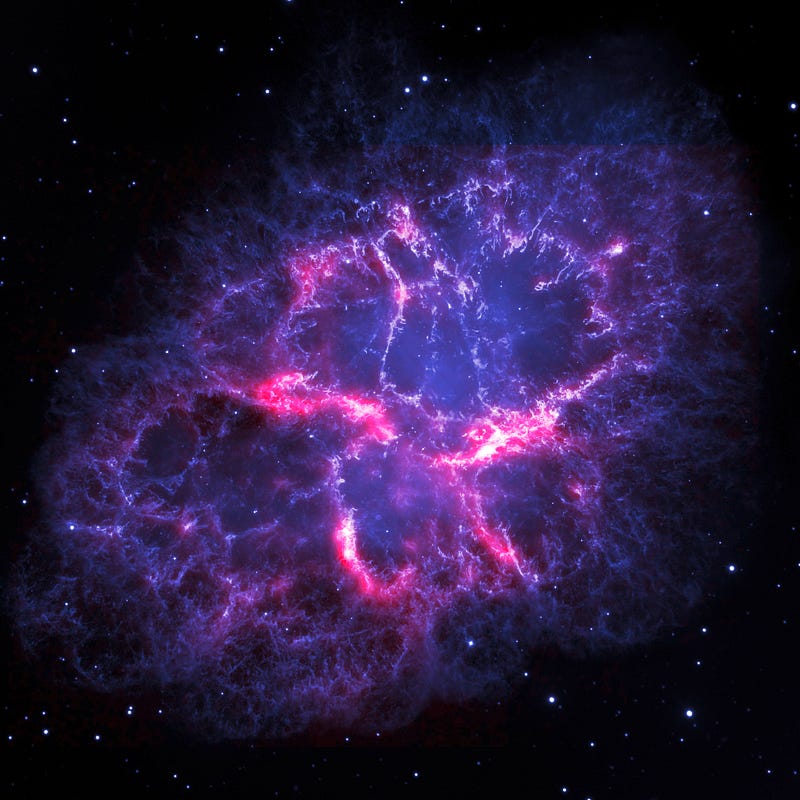
“The Crab Nebula is a fascinating and important object in the universe,”
says astronomer Maria Rodriguez.
“It is one of the most well-studied nebulae, and it provides us with important insights into the life cycle of stars and the processes that drive them.”
Nebulae can be found throughout the universe, and they are often associated with the birth and death of stars. They are also important sites for the formation of new stars and planetary systems. In conclusion, nebulae are a fascinating part of the universe, and they continue to captivate the imaginations of scientists and the general public alike.
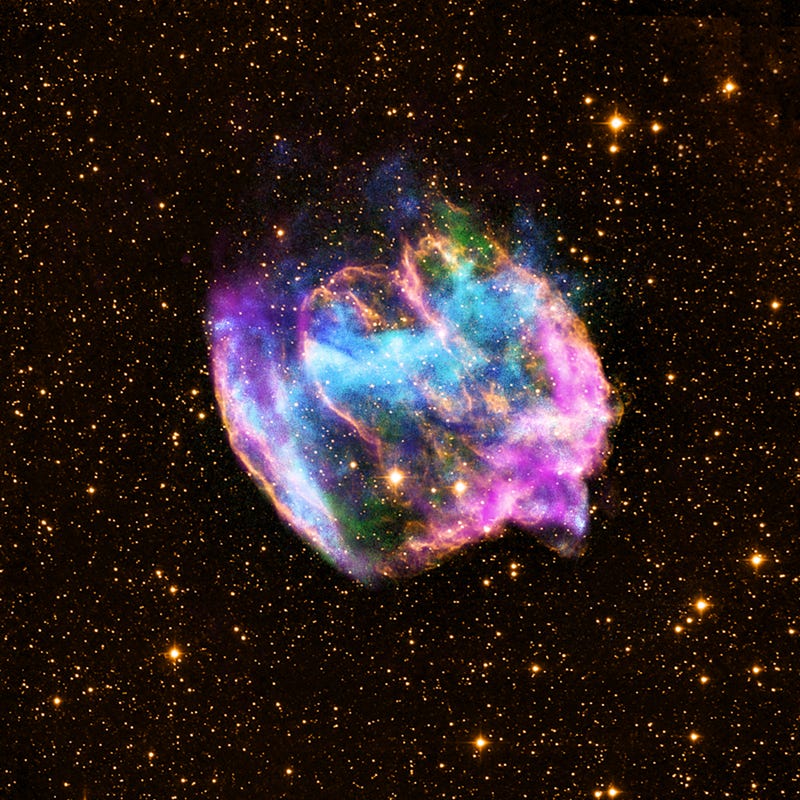
Supernova Remnants
Supernova remnants are the remains of a star that has exploded in a supernova event. These nebulae are created when the outer layers of the star are blasted into space, and they are often composed of hot, glowing gas and high-energy particles.
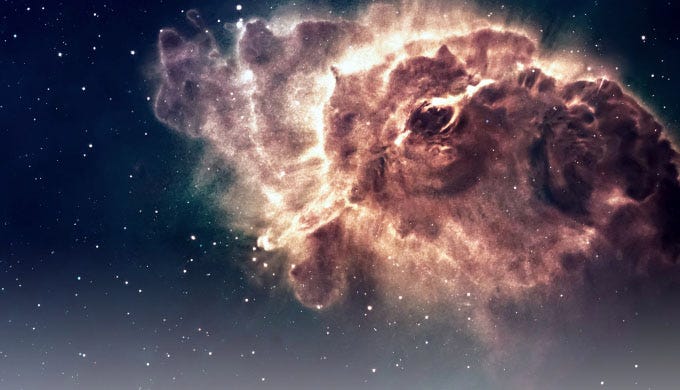
Molecular Clouds
Molecular clouds are dense clouds of gas and dust that are found throughout the universe. These clouds are often the birthplace of new stars and planetary systems, and they are composed of a variety of different molecules, including hydrogen, carbon, and water.
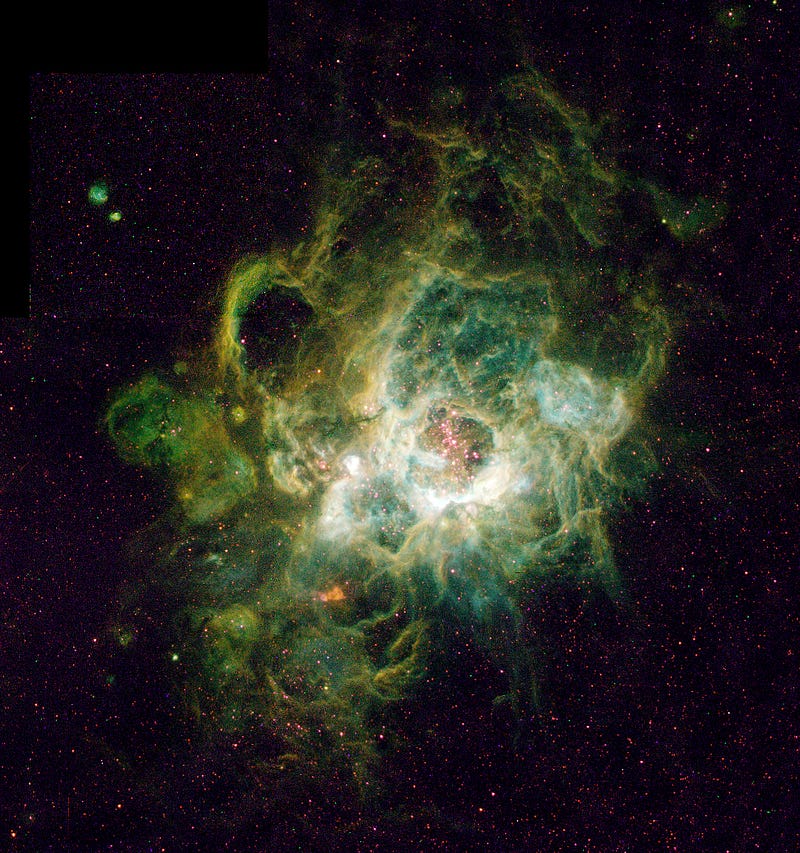
H II Regions
H II regions are clouds of ionized hydrogen gas that are illuminated by the light of nearby stars. These nebulae are often found in the arms of spiral galaxies, and they are thought to be sites of intense star formation.
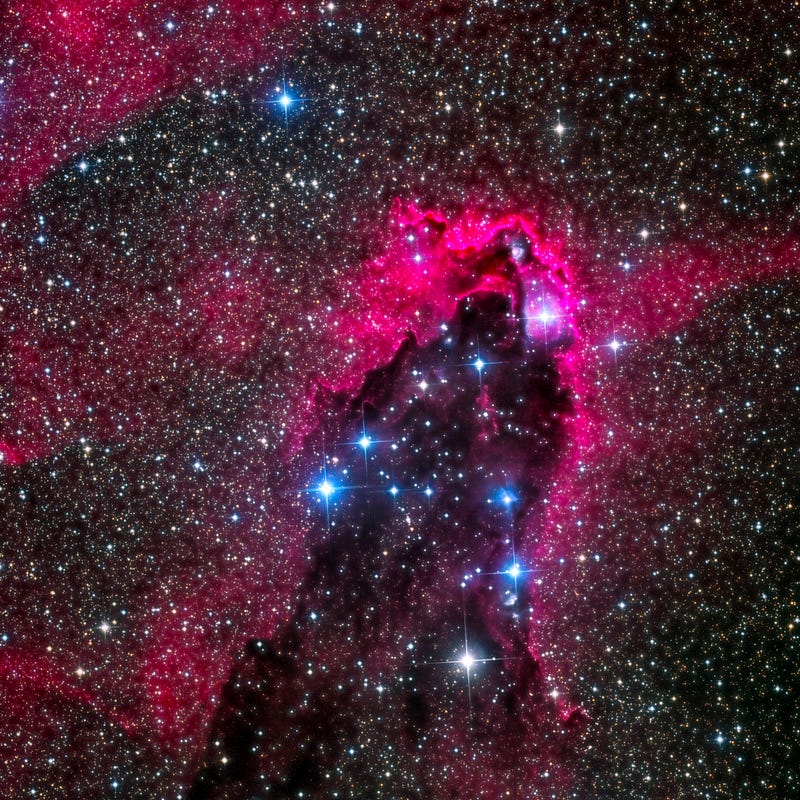
Dark Nebulae
Dark nebulae are clouds of dust and gas that block the light of stars behind them, creating a silhouette effect. These nebulae are often found in areas of the galaxy where there are fewer stars, and they are thought to be sites of future star formation.
Nebulae are an important part of the universe, and they provide us with valuable insights into the processes that drive the formation and evolution of stars and planetary systems. With the help of advanced telescopes and other instruments, scientists are continuing to study nebulae and learn more about these fascinating cosmic clouds.
In conclusion,
Nebulae are clouds of gas and dust in space, with a variety of different types and characteristics. From glowing emission nebulae to reflective reflection nebulae, these cosmic clouds are a fascinating part of the universe, and they continue to captivate the imaginations of scientists and the general public alike.
Whether they are created by the birth or death of a star, or are sites of future star formation, nebulae play a vital role in the evolution of the universe.
With the help of advanced telescopes and other instruments, we are continuing to learn more about these beautiful and mysterious objects, and the secrets they hold about the cosmos.


