
The Challenges Facing Tesla: Is It The Beginning Of The End?
An analysis of the competition, production issues, reliance on subsidies, and financial volatility facing the electric vehicle giant
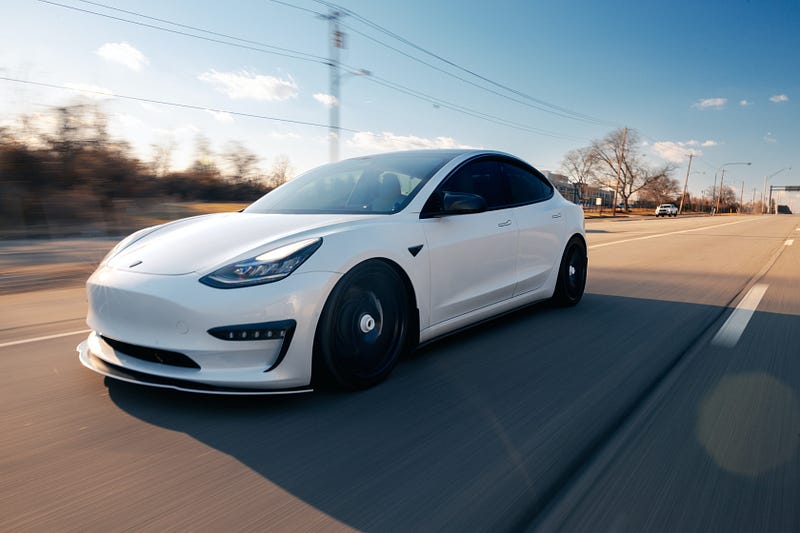
Tesla, once the undisputed leader in the electric vehicle (EV) market, is facing a number of challenges that could signal the beginning of the end for the company.
Competition from Traditional Automakers
One major issue facing Tesla is intense competition from other automakers. As EVs have become more popular, traditional automakers such as Volkswagen, Toyota, and GM have ramped up their own EV production and introduced new models to the market. These companies have the resources and infrastructure to mass produce EVs at a lower cost, which puts pressure on Tesla’s profitability.
As Volkswagen CEO Herbert Diess stated, “Tesla has shown that there is a huge market for electric cars. Now it’s our turn to show that we can do it better and more efficiently.”
Production and Supply Chain Issues
In addition to competition, Tesla has faced production and supply chain issues that have hindered its ability to meet customer demand and maintain its lead in the EV market. The company has struggled with bottlenecks in its manufacturing process and has faced delays in the delivery of parts and components. This has led to production delays and quality control issues, which have frustrated customers and damaged the company’s reputation.
Reliance on Government Subsidies and Incentives
Another problem for Tesla is its reliance on government subsidies and incentives to drive sales. Many governments around the world offer financial incentives for consumers to purchase EVs, and Tesla has relied heavily on these subsidies to drive sales. However, as governments scale back these incentives and focus on other priorities, Tesla may struggle to maintain its sales levels.
Volatile Financial Performance
Finally, Tesla’s financial performance has been somewhat volatile in recent years, with the company posting losses in some quarters and relying on capital raises to fund its operations. This has raised concerns about the company’s long-term viability and its ability to continue innovating and investing in new technologies.
Conclusion
Overall, it seems that the beginning of the end may be near for Tesla. While the company has achieved remarkable success and has revolutionized the EV market, it faces significant challenges that could ultimately lead to its decline. As competition heats up and the market becomes more crowded, it remains to be seen if Tesla will be able to maintain its dominance or if it will be overtaken by newer, more agile competitors.


