
The Divisive Echoes of Cancel Culture
The Complex Costs of Cancel Culture in Modern Society
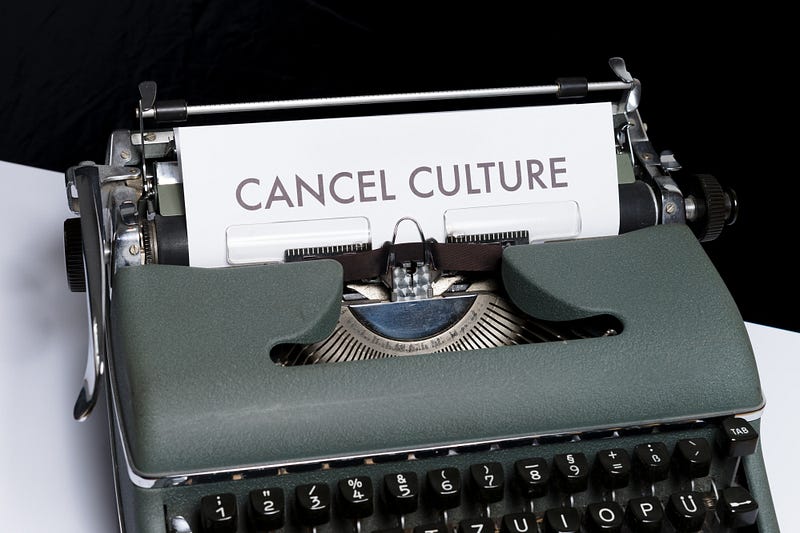
In modern society, where voices echo across digital platforms and public spaces alike, a phenomenon known as 'cancel culture' has taken centre stage. This practice, where individuals or groups are ostracized for their past actions or beliefs, often deemed problematic or offensive, has become a polarizing force. Ostensibly a tool for social justice, cancel culture's repercussions ripple far beyond its intended targets, sowing division and fostering a destructive undercurrent in societal discourse.
Is this approach the most effective way of moving society forward?
The Rise of Cancel Culture
The genesis of cancel culture can be traced to a noble intention: holding individuals, especially those in positions of power, accountable for their actions. Rooted in a desire to combat discrimination and promote a more equitable society, this movement finds its voice in the collective action of boycotts and public shaming.
However, what began as a quest for justice has mutated into a battleground of ideological warfare. The case of J.K. Rowling, who faced intense backlash for her views, exemplifies this shift. Despite the outcry, the tangible impact on her career was minimal, hinting at a deeper problem: the erosion of nuanced conversation in favour of a binary moral judgment.
The Paradox of Accountability
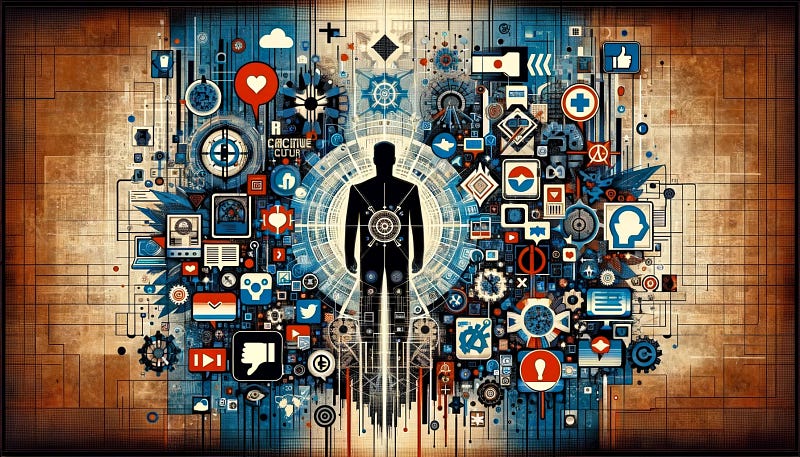
Cancel culture purports to champion accountability, yet it often bypasses the complexities of human fallibility and redemption. Immediately ostracizing individuals for past transgressions negates the potential for growth and learning.
This approach stifles the evolution of individual thought and dismisses the essence of restorative justice. The narrative of 'us versus them' perpetuated by cancel culture deepens societal fissures, reinforcing divisions instead of bridging them.
In its extreme form, it morphs into mob rule, where the rush to judgment overrides the need for a fair and comprehensive understanding of the context.
Weaponising Cancel Culture: Eroding Creativity & Free Speech
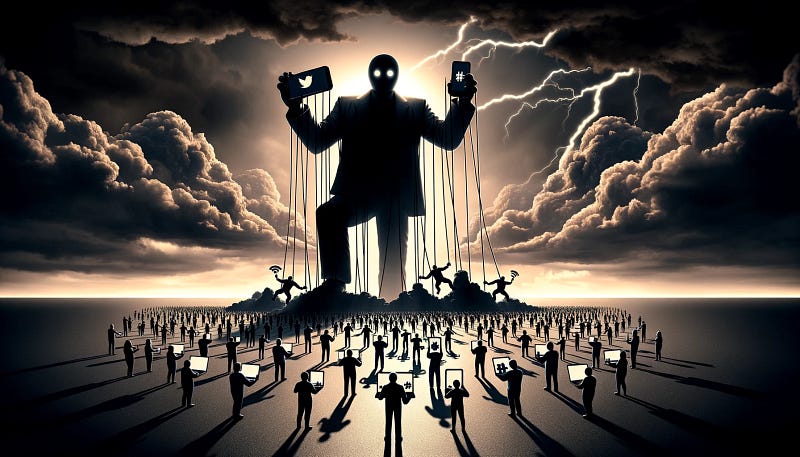
A particularly insidious effect of cancel culture is its chilling impact on free speech and creativity. The fear of being 'cancelled' looms large over public discourse, leading to self-censorship and homogenization of ideas. This climate of fear stifles innovation and hampers the diversity of thought crucial for a vibrant society.
Regardless of the gravity of their offences, the backlash against comedians like Louis C.K. and others highlights this stifling effect on creative expression. While their actions should not be condoned, the response often extends beyond them, casting a wider net of apprehension among creative minds.
Another alarming aspect is the weaponization of cancel culture for personal or political gain. Instead of serving as a tool for justice, it becomes a strategy to silence dissenting voices. This manipulation of moral outrage undermines the legitimacy of genuine social justice efforts, turning a potentially powerful force for good into a weapon of ideological conformity.
At the heart of the debate surrounding cancel culture lies a fundamental threat to free speech. In its zeal to correct perceived wrongs, the concept inadvertently creates an environment where expressing opinions, especially those that deviate from the mainstream narrative, can lead to severe personal and professional consequences.
This fear of repercussion instills a culture of self-censorship, significantly undermining the diversity of thought and opinion vital for a healthy democratic society. The notion of free speech, cherished as a cornerstone of societal progress and innovation, is thus compromised. Individuals, wary of the backlash, often choose silence over the risk of public condemnation, leading to stunted intellectual and cultural growth.
Regardless of context or intent, the idea that someone could be 'cancelled' for a misstep discourages open dialogue and exchanging ideas, which are crucial for understanding and resolving complex social issues. This self-imposed silence out of fear hinders personal expression and limits our collective ability to engage in meaningful conversations that foster understanding and drive societal progress.
Impact on Individuals
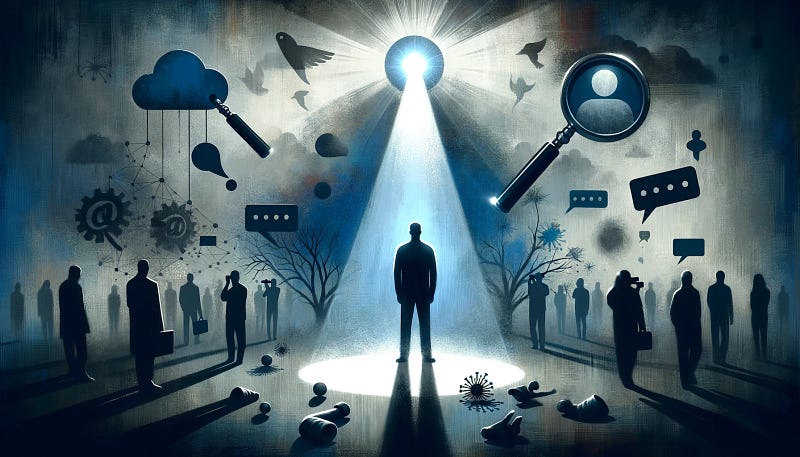
The impact of cancel culture extends beyond abstract concepts of free speech and infiltrates the very lives of individuals. Those at the receiving end of cancel culture often face more than just public criticism; they encounter tangible consequences that can include loss of employment, social ostracism, and severe mental health repercussions.
The experience of being 'cancelled' can lead to a profound sense of isolation and anxiety, as one's identity and contributions are reduced to a single, often misinterpreted or outdated, action or statement. This affects the targeted individuals and serves as a warning to others, perpetuating a cycle of fear and conformity.
In extreme cases, the relentless scrutiny and public shaming have led to tragic outcomes, highlighting the human cost of this cultural phenomenon. While accountability is essential, the punitive nature of cancel culture often neglects the possibility of growth and redemption.
The rush to judgment and the absence of a path to recovery harm individuals and discourage others from admitting mistakes and evolving their views, thus stifling the collective growth and understanding necessary for a genuinely inclusive society.
Furthermore, cancel culture can discourage personal growth and redemption. When individuals are automatically "cancelled" for past mistakes, it sends the message that they are beyond redemption and should be cast out of society. However, this ignores the fact that people can and do change and should be given the opportunity to learn from their mistakes and make amends.
Another negative impact of cancel culture is that it can create a sense of moral superiority among those who engage in it, which leads to a lack of empathy and understanding for others. People being "cancelled" are not always entirely bad people, and cancelling them should be done with compassion, understanding, and, most importantly, forgiveness.
Arguments for Cancel Culture
The arguments for cancel culture generally centre around the idea that it holds individuals and groups accountable for their actions and promotes social justice. Some of the main arguments include:
- Holding individuals accountable: Cancel culture is seen as a way to hold individuals and groups responsible for their actions, particularly when it comes to issues such as racism, sexism, and other forms of discrimination. By "cancelling" these individuals, it sends a message that these behaviours and attitudes are not acceptable and will not be tolerated.
- Promoting social justice: Cancel culture is often seen as a way to promote social justice and marginalized groups. "Cancelling" individuals and groups with a history of discrimination or oppressive behaviour can help create a more just and equitable society.
- Creating a safer space: Cancel culture is seen as a way to make a safer space for marginalized groups by removing individuals and groups with a history of harmful behaviour. By "cancelling" these individuals, it can create a more inclusive and welcoming environment for everyone.
- Addressing power imbalances: Cancel culture is often seen as a way to address societal power imbalances. "Cancelling" individuals and groups with a history of abuse of power can help redistribute power and create an equal society.
- Creating a culture of accountability: Cancel culture is seen as a way to develop a culture of accountability, where individuals and groups are held responsible for their actions and impact on others. "Cancelling" those who engage in harmful behaviour promotes the idea that everyone should be held accountable for their actions.
Arguments Against Cancel Culture
- Restricts free speech: Cancel culture is seen as a way to limit free speech, as individuals may be afraid to express their opinions or share their experiences for fear of being "cancelled." This stifles open and honest dialogue, crucial for progress and understanding.
- Discourages personal growth and redemption: Cancel culture can prevent personal growth and redemption, as individuals are automatically "cancelled" for past mistakes; it sends the message that they are beyond redemption and should be cast out of society. This ignores the fact that people can and do change and should be given the opportunity to learn from their mistakes and make amends.
- Creates a lack of empathy and understanding: Cancel culture can create a sense of moral superiority among those who engage in it, which leads to a lack of compassion and understanding for others. Being "cancelled" is not always bad; cancelling them should be done with empathy, understanding, and forgiveness.
- Can be divisive: Cancel culture can be divisive, as it creates an "us vs them" mentality, where those who are "cancelled" are seen as the enemy rather than as fellow members of society who may have made mistakes.
- Can create a chilling effect: Cancel culture can create a chilling effect on society, where people are afraid to express dissenting opinions for fear of being "cancelled." This can lead to a lack of diversity in thought and a homogenous society.
- Can be weaponized: Cancel culture can be weaponized by groups or individuals to silence or harm others for personal or political gains.
While cancel culture emerged from a well-intentioned place of seeking justice and accountability, its execution and consequences have proven to be more divisive and destructive than constructive. It undermines the complex, nuanced nature of human behaviour and societal change.
The pursuit of a more just and equitable society is undoubtedly a noble one. Still, it requires approaches that foster understanding, dialogue, and genuine change rather than perpetuating division and fear.
Finding a balance that allows for accountability and growth without descending into a cycle of perpetual condemnation and division is imperative. The true challenge lies in cultivating a culture that values forgiveness and learning as much as it does justice and accountability.
Until next time.
Thank you for reading! If you enjoy my writing, it will help me to follow and subscribe so I can keep contributing engaging content.
Subscribe Here For an Email Reminder of my next post.
Thanks for reading
- 👏 Please clap for the story (50 claps) to help the article to be spread
- 🌐 Share the story on Social Media
- 📝 Join the Medium Membership Program for only 5$ a month, and support other writers and me to keep up the tremendous work.