
Totalitarianism Unveiled
Unraveling George Orwell's 1984 in the Modern World
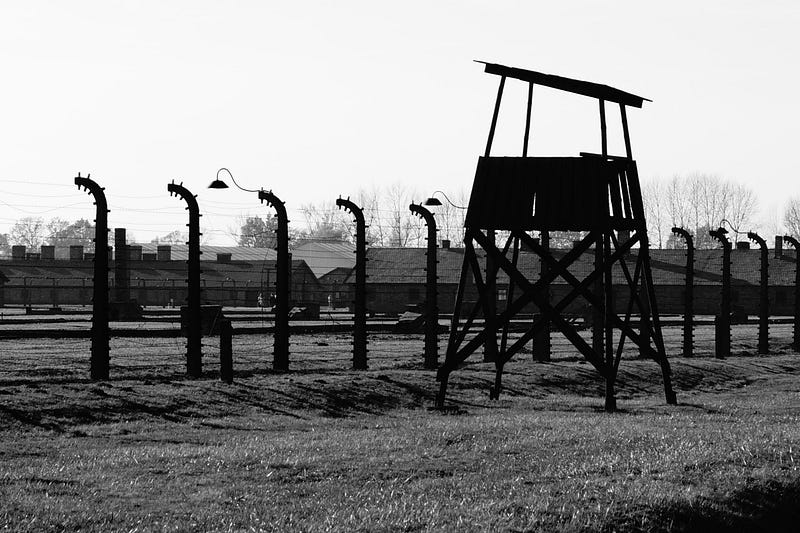
In the grand fabric of literary masterpieces, George Orwell's magnum opus, "1984," looms large as a prophetic exploration of totalitarianism.
First published in 1949, Orwell's dystopian narrative continues to resonate, offering a stark warning against the perils of unchecked state power and the erosion of individual liberties. Orwell imagines a world I would never like to live in.
The Totalitarian Canvas: Oceania and the Party's Dominance
Set in the fictional superstate of Oceania, Orwell crafts a haunting portrayal of a society where the Party, under the enigmatic Big Brother, reigns supreme. The pervasive theme of totalitarianism permeates every facet of Oceania's existence, serving as an omnipresent force that infiltrates the lives of its citizens.
At the heart of Orwell's cautionary tale lies the absolute dominance of the Party over not just the physical but also the mental landscape of Oceania. The concept of Newspeak exemplifies the linguistic manipulation employed by the Party to control thought and suppress dissent.
Akin to the linguistic engineering depicted in Anthony Burgess's "A Clockwork Orange," where language is wielded as a tool of behavioral conditioning, Newspeak exemplifies the Party's commitment to narrowing language and restricting the ability to articulate rebellious ideas.
The Ministry of Truth, where the protagonist Winston Smith is employed, underscores the Party's control over information. Orwell's portrayal of Winston's task of rewriting historical records resonates with Ray Bradbury's "Fahrenheit 451," where books are banned from manipulating public knowledge.
In both narratives, control over information becomes a potent weapon in the arsenal of totalitarian regimes, emphasizing the adage that he who controls the past controls the future.
Surveillance and the Panopticon Effect
Orwell's prescient portrayal of surveillance in "1984" echoes themes found in Jeremy Bentham's concept of the Panopticon, later analyzed by Michel Foucault. The ubiquitous Telescreens, serving as instruments of constant observation, blur the lines between public and private life.
In a manner reminiscent of George Lakoff and Mark Johnson's metaphorical analysis in "Metaphors We Live By," the Telescreens symbolize the erosion of personal boundaries, transforming society into a metaphorical panopticon where the watchful eyes of the Party are always present.
Beyond physical surveillance, Orwell delves into the realm of psychological control with the enigmatic Thought Police. This mirrors the psychological manipulation in Aldous Huxley's "Brave New World," where citizens are conditioned to embrace conformity through pleasure and distraction.
In both works, suppressing dissenting thoughts becomes a means of maintaining societal order, highlighting the insidious nature of totalitarian control.
The Struggle for Autonomy: Winston Smith's Defiance
Winston Smith's futile struggle against the Party's oppression is a poignant exploration of the indomitable human spirit. In Arthur Koestler's "Darkness at Noon," another exploration of the individual against the state, the protagonist faces a similar struggle. Orwell's portrayal of Winston's rebellion underscores the universal human desire for freedom and autonomy, even in the face of overwhelming odds.
The juxtaposition of Winston's futile defiance against the omnipotent Party is a cautionary tale against the dangers of absolute power. It echoes themes found in Aleksandr Solzhenitsyn's "One Day in the Life of Ivan Denisovich" and Vaclav Havel's "The Power of the Powerless," where individuals navigate the complexities of oppressive regimes, striving for autonomy against all odds.
Lessons for the Contemporary World: Navigating Totalitarian Tendencies
As we traverse the complexities of the modern world, Orwell's "1984" remains a literary lodestar, guiding us through the challenges posed by encroaching totalitarian tendencies. The lessons from the novel compel us to examine our societies and guard against the erosion of individual freedoms.
In an era where technology allows for unprecedented surveillance and information control, the relevance of "1984" is more profound than ever. The Telescreens of Oceania find their digital counterparts in ubiquitous smartphones and advanced surveillance technologies, raising questions about the delicate balance between security and personal liberty.
Moreover, the manipulation of language and information, as depicted in "1984," finds resonance in contemporary debates about misinformation, fake news, and the control of public narratives. The novel prompts us to critically examine the sources of information and the potential consequences of unchecked state power in shaping the narrative.
Conclusion
George Orwell's "1984" remains a timeless exploration of the perils of totalitarianism. Through the lens of linguistic manipulation, historical distortion, and psychological subjugation, Orwell's masterpiece serves as a potent reminder of the fragility of individual freedoms in the face of encroaching authoritarianism. As we confront the challenges of our era, the shadows of Oceania beckon us to remain vigilant, protecting the autonomy and liberties that define the essence of a free society.
George Orwell's 1984 is worth reading; if you're interested, purchase a copy here.
I thoroughly enjoyed the book and believe it is more relevant today than ever; we must ensure our freedoms are not continually eroded.
Until next time.
Thank you for reading! If you enjoy my writing, it will help me to follow and subscribe so I can keep contributing engaging content.