avatarEmily Morgan

Free AI web copilot to create summaries, insights and extended knowledge, download it at here

3910

Abstract

supported by the school’s policy, by the way, in which the kids must sit and eat their packed lunches with the teacher before being allowed to go and play. So, they can’t just toss unwanted things in the bin. If something comes back home too many times, I don’t keep on sending it. What’s the point? But I try to make sure what I do send is healthy, inviting and somewhere within their ‘acceptable’ zone.</p><p id="a227">Speaking of inviting, have you ever thought about the way your food containers (including plates, bowls, mugs) affect how you eat? Apparently, they can have quite a significant effect. We’ve all heard about how, <a href="https://www.independent.co.uk/life-style/health-and-families/health-news/serving-food-on-a-larger-plate-makes-people-eat-more-10500767.html#gsc.tab=0">if you’re offered a big portion, you’ll eat more</a>. I remember once in an LA pasta restaurant, how my brain nearly exploded at the sight of the bowl of food placed in front of me. There had to be an entire packet of pasta on that plate, the same amount I’d use to cook for six people at home. I worked hard to eat it, reader, I truly did my best. But there was still more than half the food left when I admitted defeat. Setting aside how much waste that café alone must generate, was it really necessary to offer that much food? Our stomachs are only so big, after all.</p><p id="f4e8">You might also have heard that <a href="https://jamesclear.com/feeling-fat#:~:text=The%20plate%20on%20the%20right,known%20as%20the%20Delboeuf%20Illusion">eating from a small bowl or plate makes you feel fuller </a>than if you ate the exact same amount from a bigger bowl or plate.</p><p id="d427"><b>But did you know that the <a href="https://theconversation.com/plates-cups-and-takeaway-containers-shape-what-and-how-we-eat-137059">colour and weight of your bowls and plates</a> also affects how you eat?</b></p><p id="e57a">It’s true. A heavier bowl makes you feel fuller than if you use a light bowl. And the color of your plate may affect the way the food on it tastes. I know! Our brains are crazy. Apparently, red, orange or pink plates make food taste sweeter, black is associated with bitterness, yellow or green makes you think sour, and blue or white brings out the salt. Now you can have fun testing the concept at home!</p><h1 id="069a">Kaiseki</h1><p id="367e">Have you heard about the idea of ‘kaiseki’? It’s a Japanese concept, a way of eating mindfully and appreciating the ‘theater’ of food. Small, delicately presented portions in separate, decorative bowls and plates, rather than throwing everything onto the one serving dish. I think it’s a gorgeous thing — it’s like a performance as if every bite is a treat for the senses.</p><p id="ead9">This is what I try to do for the kids’ lunches, only using bamboo wraps instead of a thousand plastic containers. Though I also use them, it’s true. A sandwich, a cookie, a packet of cheese and crackers (see? I’m not a total monster. I do buy packaged things sometimes), a cheese stick, a container of popcorn, a banana. I understand the appeal of lots of little things to choose from.</p><p id="55d5">Those lunch boxes with separate compartments are a good idea, as well. I’ve seen little sections with yogurt, berries, sandwiches, carrot sticks, and all sorts. Of course, these were kindergarten children’s lunches. They get the nicest lunches. We all get a little less creative and have a little less time to spend as the school days go on and on! I used to cut my daughter’s sandwiches into cute shapes with cookie cutters. My son, two years later, has never known the joys of the shaped sandwich, nor will he ever. But there it is, standards are slipping all over the place.</p><p id="e003">Ultimately, a little kaiseki is no bad thing. If we must eat take-out, perhaps we can remember to bring along our own containers — and even color-code them according to

Options

our preferred tastes — so that we can reduce single-use plastics and have a visually appealing meal all at the same time. I think both kids and adults can benefit from this simple concept. It might let us better appreciate the value of the food — the time, effort and love that go into creating it — the taste of the food, both its individual components and the effect of the combination, and the beauty inherent in the meal. Plus, we can help the planet all at the same time.</p><blockquote id="3e37"><p>‘No, Mum.’</p></blockquote><p id="36b2">Well, I tried.</p><p id="8fbd">Hey, if you enjoyed this article, you might like these as well:</p><div id="c0ca" class="link-block"> <a href="https://readmedium.com/cooking-your-way-e869836310bc"> <div> <div> <h2>Cooking Your Way</h2> <div><h3>A philosophy for cooks who don’t like being told what to do by a recipe book…</h3></div> <div><p>medium.com</p></div> </div> <div> <div style="background-image: url(https://miro.readmedium.com/v2/resize:fit:320/1*vPA5GvuoNT2mzFPgM0wMiQ.png)"></div> </div> </div> </a> </div><div id="1c7f" class="link-block"> <a href="https://readmedium.com/want-to-lose-big-weight-its-all-in-the-soup-ab39cd4e0da3"> <div> <div> <h2>Want to lose Big Weight? It’s all in the soup…</h2> <div><h3>Nope, I’m not a dietitian, nutritionist, or food expert of any kind.</h3></div> <div><p>medium.com</p></div> </div> <div> <div style="background-image: url(https://miro.readmedium.com/v2/resize:fit:320/1*ptdmWBY6tnJzRNXwnUIXmg.png)"></div> </div> </div> </a> </div><div id="7790" class="link-block"> <a href="https://readmedium.com/green-soup-c922ba5b8cd9"> <div> <div> <h2>Green Soup</h2> <div><h3>High on Nutrients, Low on Calories, Very Low on Effort</h3></div> <div><p>medium.com</p></div> </div> <div> <div style="background-image: url(https://miro.readmedium.com/v2/resize:fit:320/1*z9PojknP65jkEDDGFrs95w.jpeg)"></div> </div> </div> </a> </div><div id="93fe" class="link-block"> <a href="https://readmedium.com/orange-soup-your-way-ed1775b6221a"> <div> <div> <h2>Orange Soup — Your Way</h2> <div><h3>Pumpkins and squashes and soup, oh my! — with a couple of bonus ideas thrown in!</h3></div> <div><p>medium.com</p></div> </div> <div> <div style="background-image: url(https://miro.readmedium.com/v2/resize:fit:320/1*kUGc8lULfA3Kj1p7ovFGyQ.jpeg)"></div> </div> </div> </a> </div> <figure id="bb55"> <div> <div> <img class="ratio" src="http://placehold.it/16x9"> <iframe class="" src="https://cdn.embedly.com/widgets/media.html?src=https%3A%2F%2Flcontacts.herokuapp.com%2Fembed%2Fbutton%2Fwritercta%3FmediumUserId%3D10ffba1dc819785fccd87625ce6fb6cceaef80c6a101db44d02c5a9e7d58bf6da%26userId%3D5ecf7630571e9601340d8ee4&amp;display_name=Smedian&amp;url=https%3A%2F%2Flcontacts.herokuapp.com%2Fembed%2Fbutton%2Fwritercta%3FuserId%3D5ecf7630571e9601340d8ee4%26mediumUserId%3D10ffba1dc819785fccd87625ce6fb6cceaef80c6a101db44d02c5a9e7d58bf6da&amp;key=a19fcc184b9711e1b4764040d3dc5c07&amp;type=text%2Fhtml&amp;schema=lcontacts" allowfullscreen="" frameborder="0" height="350" width="480"> </div> </div> </figure></iframe></div></div></figure></article></body>

The Crime of Convenient Cooking

Plastic, plastic, everywhere… Let’s put the ‘kaiseki’ back into our lives.
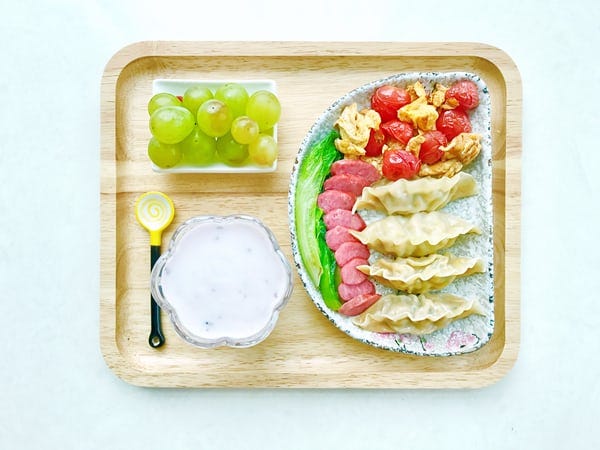
Photo by Qearl Hu from Unsplash

Here’s a thing. We’ve been encouraged recently to help our struggling cafes and restaurants by buying take-out where it’s offered.

And I’m always up for a little take-out. Or a lot.

We’ve been eating Indian and Italian a lot. Also burgers and fries from our little local café. It’s always a great way to end a busy week, plus there’s no cleaning up.

But — I looked at the little round plastic containers of curries and rice lined up on the bench last night and, instead of the delicious contents, all I could see was the plastic.

Here’s another thing: some cafes near us now allow people to bring their own takeaway containers for them to fill. How brilliant is that? What a great idea. We all have mountains of plastic containers and Tupperware and what have you in the house. That’s not just me, right? So, why not use it?

But — it’s one thing to decide on and a whole other thing to put into practice. I mean, my sis might randomly text me and say she’s working late and would I like her to bring home Indian from our favorite place. And I might say, hell yeah, do that thing! But she’s hardly likely to have though to keep Tupperware in her car on the off-chance.

Our local supermarkets phased out free plastic bags years ago. But it has taken until this point for me to remember to keep shopping bags in my car — and to immediately return them to the car after unpacking them. Now it’s pretty much a habit, but it took a very long time.

So, I guess it will take a few years for us to start doing the same with our plastic reusable containers.

On a related note: school lunches.

My kids must take to school each day: fruit or fresh veggies for ‘fruit break’, a snack for ‘recess’ or ‘morning tea’ (AKA ‘little lunch’ or insert your own terminology here), and lunch. Recently my daughter, aged eight and starting to be affected by the dread ‘peer pressure’, has wondered why ALL her friends (she’s an ‘all or nothing’ girl, it’s never ‘some of my friends’, even though I know for a fact #notallfriends) get a large number of small packaged things for lunch (think: crisps, popcorn, fruit roll-ups, chocolate bars, anything that comes prepackaged, loaded with salt and sugar and sold in packs of 8 or 12), and she doesn’t.

In vain I say, ‘I’m sure some of them are jealous that you get home-made cookies and cakes.’

‘No, Mum.’

In vain I tell her how I’m protecting her health, the environment and my bank balance by making things myself so I can control the ingredients and not spend too much on groceries and reduce single-use plastic packaging.

‘But Mum.’

In vain I consult her on what she wants in her sandwiches.

‘Jam, then.’

In vain I tell her that jam is not a healthy option and give her a few other options to choose from.

‘Nothing, then.’

In vain, I argue that, well you get the idea.

The thing is I really do try to reduce plastic use. I use waxed bamboo wraps for the kids’ sandwiches and cookies. They can be wiped clean and reused over and over, and eventually, they will turn into mulch in the garden. They also come in a ton of cute designs, so the kids’ lunches look inviting. At least, I think they do.

I’m supported by the school’s policy, by the way, in which the kids must sit and eat their packed lunches with the teacher before being allowed to go and play. So, they can’t just toss unwanted things in the bin. If something comes back home too many times, I don’t keep on sending it. What’s the point? But I try to make sure what I do send is healthy, inviting and somewhere within their ‘acceptable’ zone.

Speaking of inviting, have you ever thought about the way your food containers (including plates, bowls, mugs) affect how you eat? Apparently, they can have quite a significant effect. We’ve all heard about how, if you’re offered a big portion, you’ll eat more. I remember once in an LA pasta restaurant, how my brain nearly exploded at the sight of the bowl of food placed in front of me. There had to be an entire packet of pasta on that plate, the same amount I’d use to cook for six people at home. I worked hard to eat it, reader, I truly did my best. But there was still more than half the food left when I admitted defeat. Setting aside how much waste that café alone must generate, was it really necessary to offer that much food? Our stomachs are only so big, after all.

You might also have heard that eating from a small bowl or plate makes you feel fuller than if you ate the exact same amount from a bigger bowl or plate.

But did you know that the colour and weight of your bowls and plates also affects how you eat?

It’s true. A heavier bowl makes you feel fuller than if you use a light bowl. And the color of your plate may affect the way the food on it tastes. I know! Our brains are crazy. Apparently, red, orange or pink plates make food taste sweeter, black is associated with bitterness, yellow or green makes you think sour, and blue or white brings out the salt. Now you can have fun testing the concept at home!

Kaiseki

Have you heard about the idea of ‘kaiseki’? It’s a Japanese concept, a way of eating mindfully and appreciating the ‘theater’ of food. Small, delicately presented portions in separate, decorative bowls and plates, rather than throwing everything onto the one serving dish. I think it’s a gorgeous thing — it’s like a performance as if every bite is a treat for the senses.

This is what I try to do for the kids’ lunches, only using bamboo wraps instead of a thousand plastic containers. Though I also use them, it’s true. A sandwich, a cookie, a packet of cheese and crackers (see? I’m not a total monster. I do buy packaged things sometimes), a cheese stick, a container of popcorn, a banana. I understand the appeal of lots of little things to choose from.

Those lunch boxes with separate compartments are a good idea, as well. I’ve seen little sections with yogurt, berries, sandwiches, carrot sticks, and all sorts. Of course, these were kindergarten children’s lunches. They get the nicest lunches. We all get a little less creative and have a little less time to spend as the school days go on and on! I used to cut my daughter’s sandwiches into cute shapes with cookie cutters. My son, two years later, has never known the joys of the shaped sandwich, nor will he ever. But there it is, standards are slipping all over the place.

Ultimately, a little kaiseki is no bad thing. If we must eat take-out, perhaps we can remember to bring along our own containers — and even color-code them according to our preferred tastes — so that we can reduce single-use plastics and have a visually appealing meal all at the same time. I think both kids and adults can benefit from this simple concept. It might let us better appreciate the value of the food — the time, effort and love that go into creating it — the taste of the food, both its individual components and the effect of the combination, and the beauty inherent in the meal. Plus, we can help the planet all at the same time.

‘No, Mum.’

Well, I tried.

Hey, if you enjoyed this article, you might like these as well:

Food
Cooking
Parenting
Lifestyle
Recycling
Recommended from ReadMedium