
Birds, Wildlife, and Photography
The Birds of Spring — Part III
Along the major bird migratory path of the Mississippi Flyway, April is the busiest bird migration month in the north country
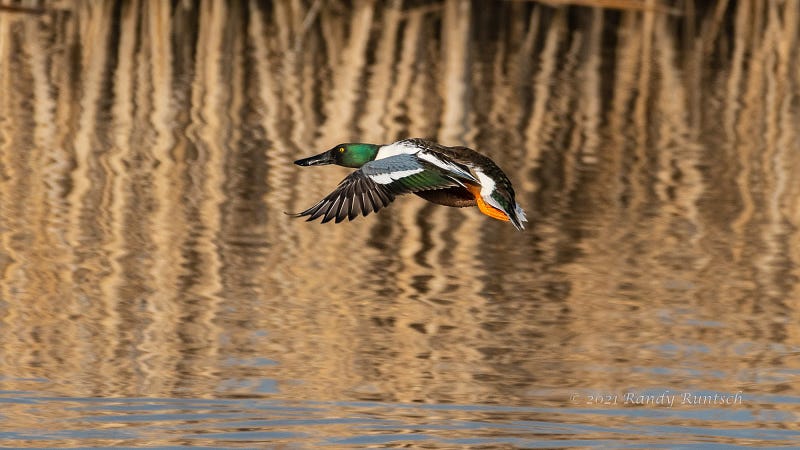
Northern Shoveler
Americans call this bird the northern shoveler, while Britons call it the shoveller. This duck breeds in northern Europe and in much of North America.
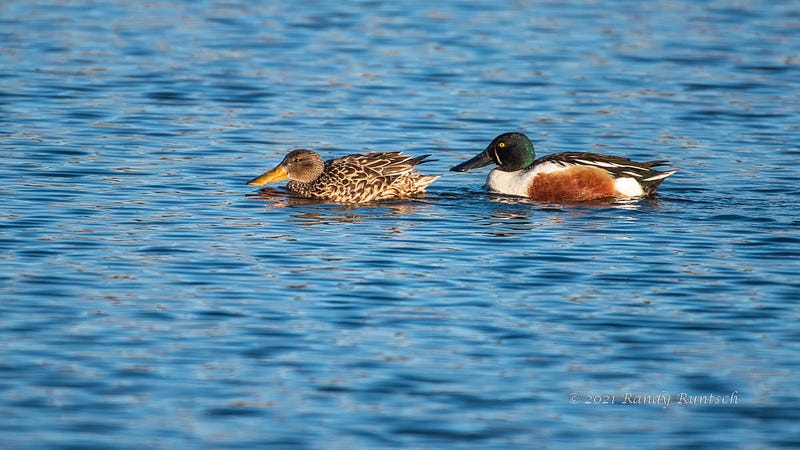
The bills of northern shovelers are shaped like a spatula. As they swim along, they dip their bills in the water to skim food from the mix. Unlike many ducks, these birds rarely dive or upend.
Northern Flicker
The northern flicker, known by more than 100 names, is a medium-sized woodpecker. it inhabits most of North America.
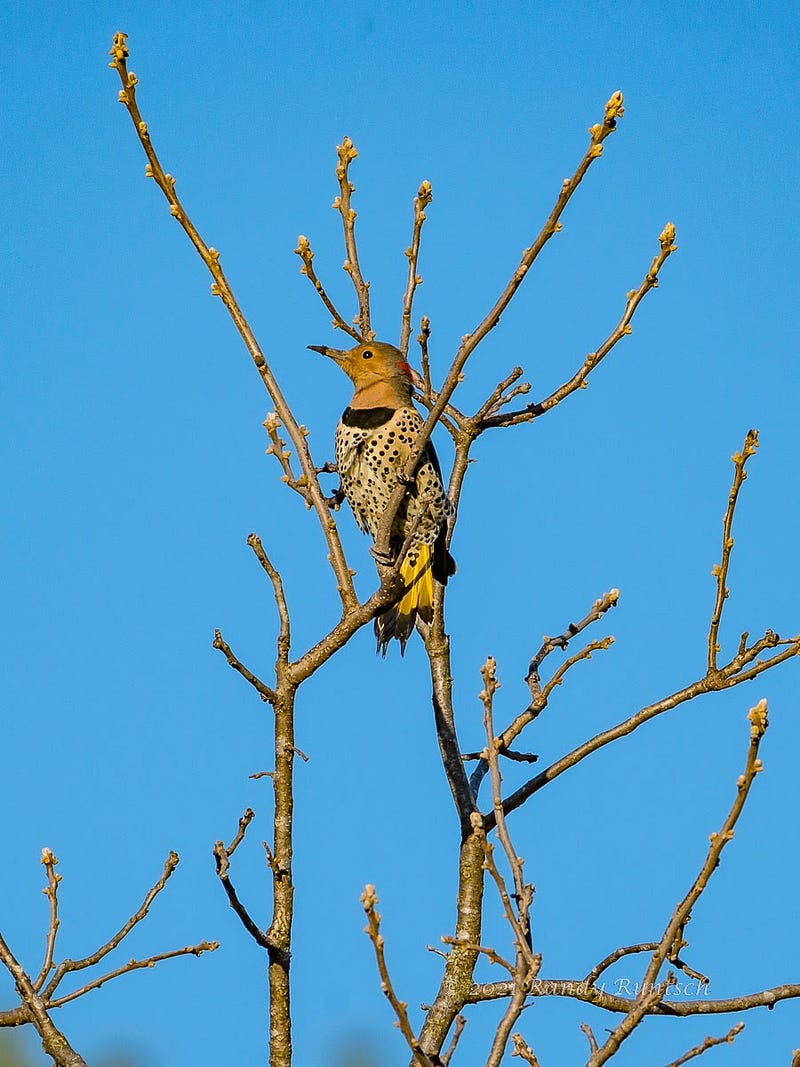
Flickers prefer insects, but also eat seeds, berries, and other plant-based foods. Unlike many woodpeckers, flickers often feed on the ground.
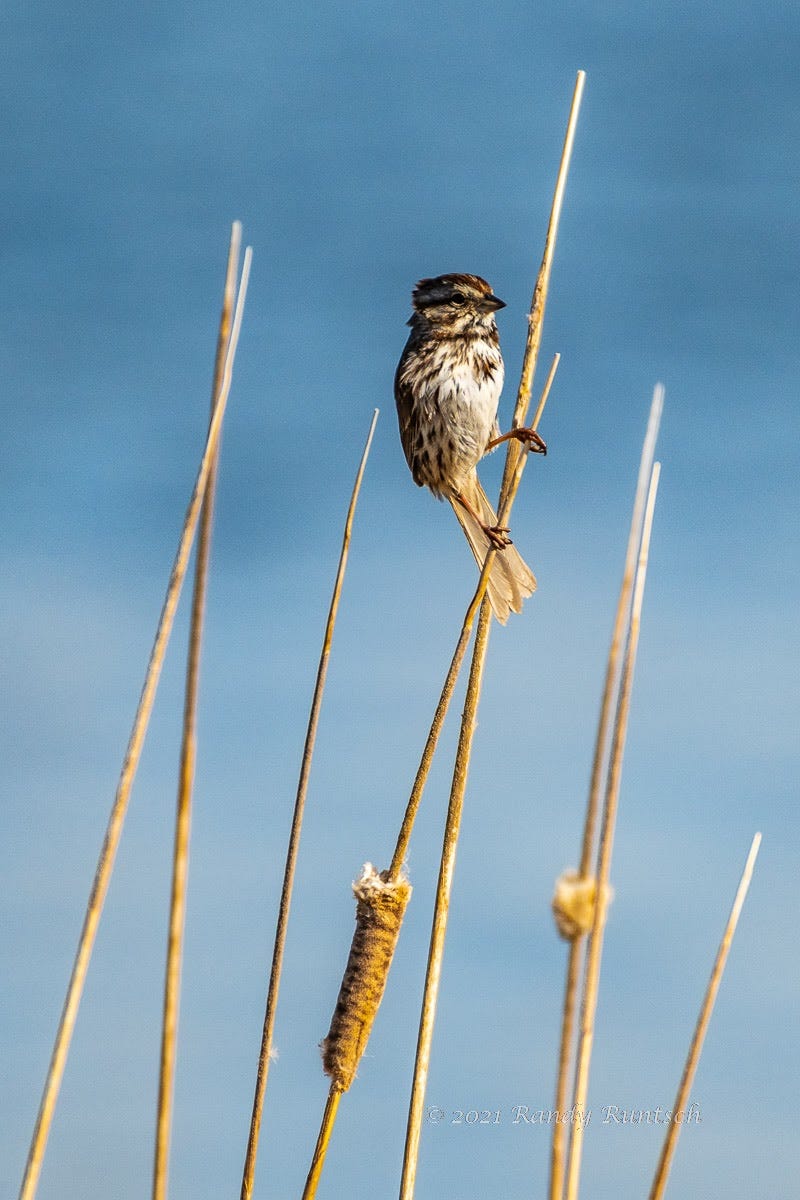
Song Sparrow
The song sparrow is among the most common New World sparrow. It lives throughout most of North America.
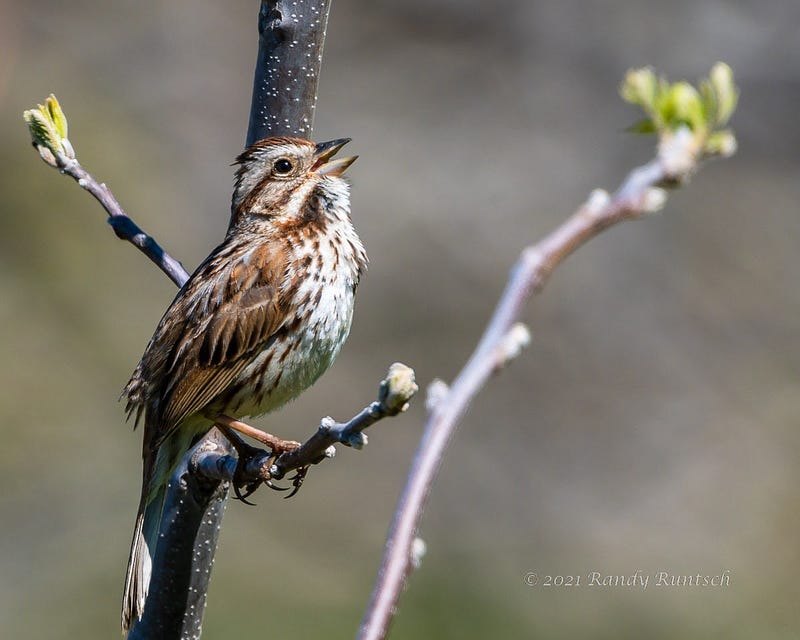
Song sparrows are so named because of their colorful songs. Their songs are intricate and precise.
Great Blue Heron
The great blue heron is a large wading bird in the heron family. It is common along open water shores and wetlands in North and Central America.
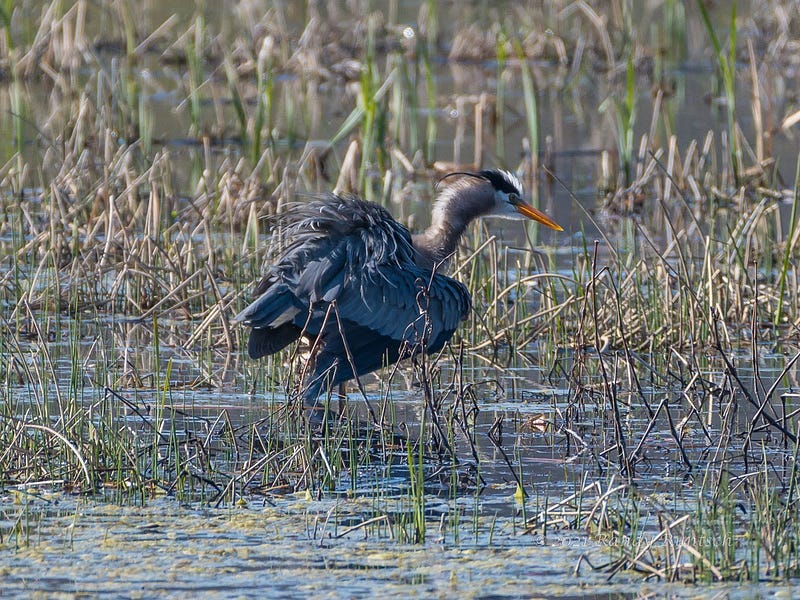
Great blue herons can have a length of 91–137 cm (36–54 in), a wingspan of 167–201 cm (66–79 in), a height of 115–138 cm (45–54 in), and a weight of 1.82–3.6 kg (4.0–7.9 lb). They are about twice the size of great egrets.
Killdeer
The killdeer is a large plover. It lives in North and Central America and in the upper reaches of South America.
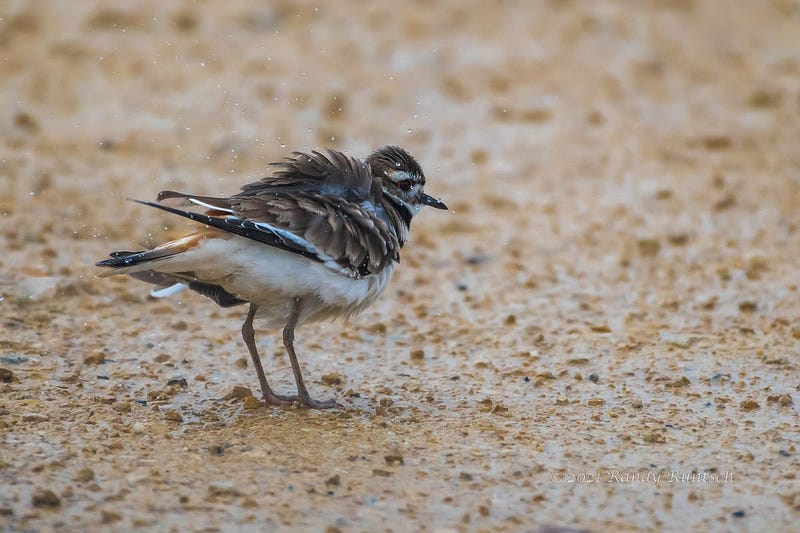
The killdeer is named for the sound of its common call. It feeds on insects but eats other invertebrates and seeds as well.
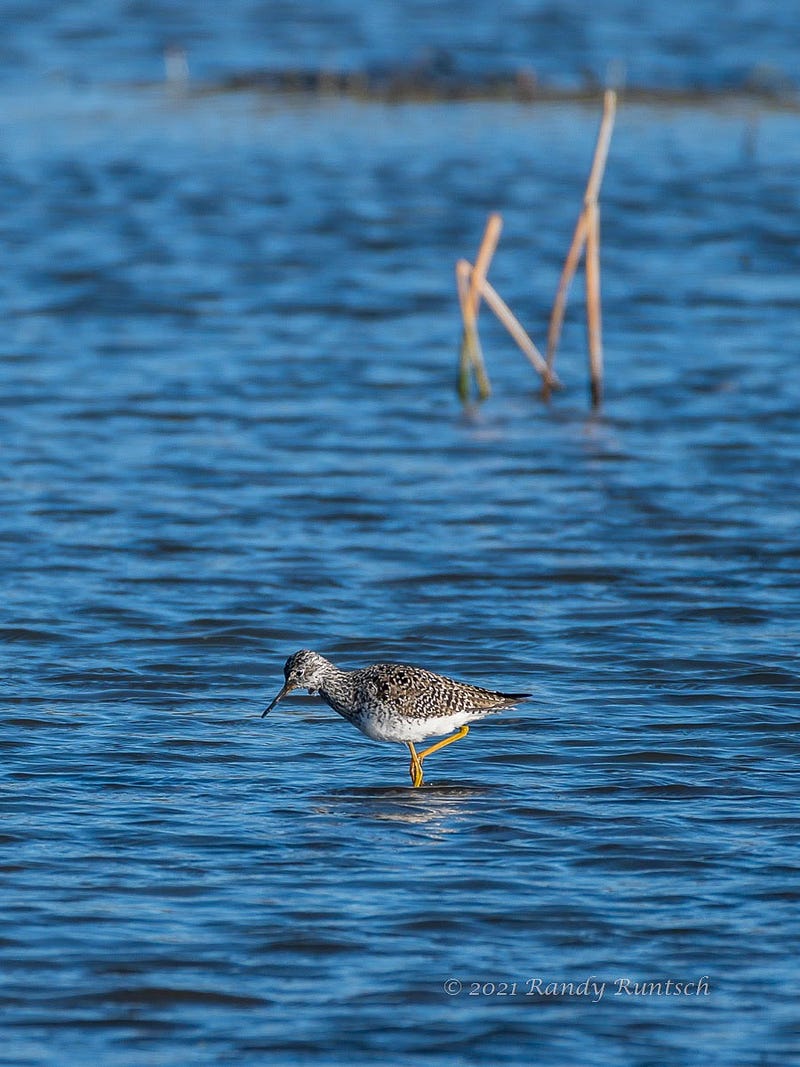
Lesser Yellowlegs
The lesser yellowlegs is a medium-large shorebird that lives in most of North and South America. It breeds in clearings near ponds in boreal forests between Alaska and Quebec.
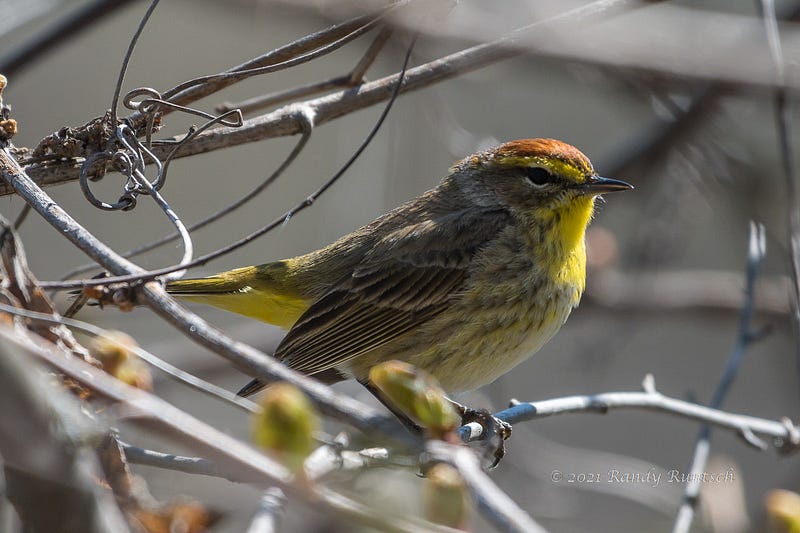
Palm Warbler
The palm warbler is a small songbird. It forages on the ground more than other warblers. It prefers to eat insects and berries.
American Coot
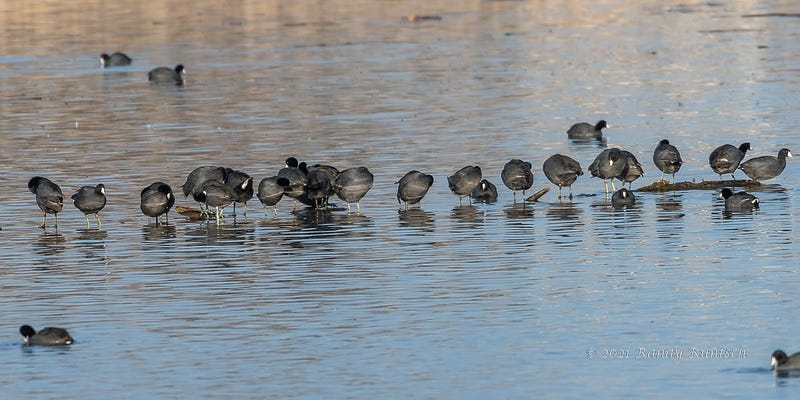
The American coot is sometimes known as a mud hen or poldeau. While sometimes confused for ducks, it is only distantly related to ducks.
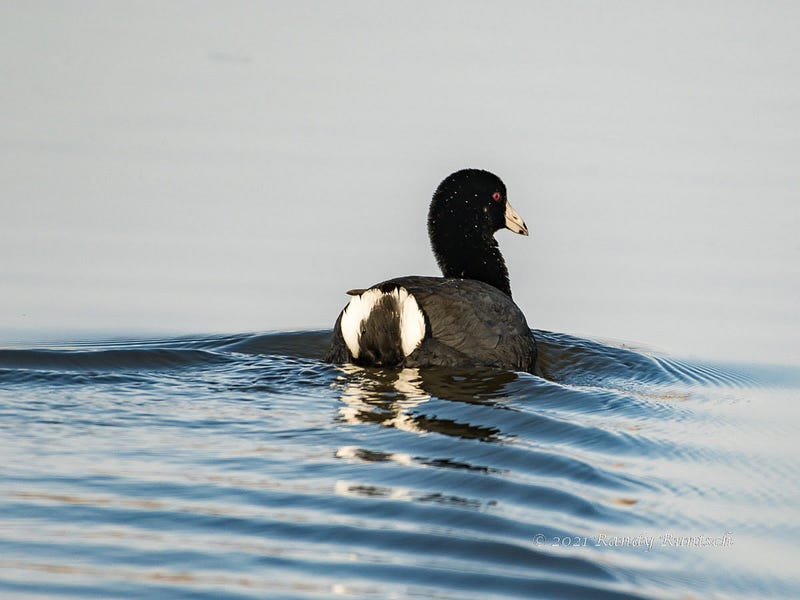
Coots live throughout North and Central America. They like to live in reed-ringed waters.
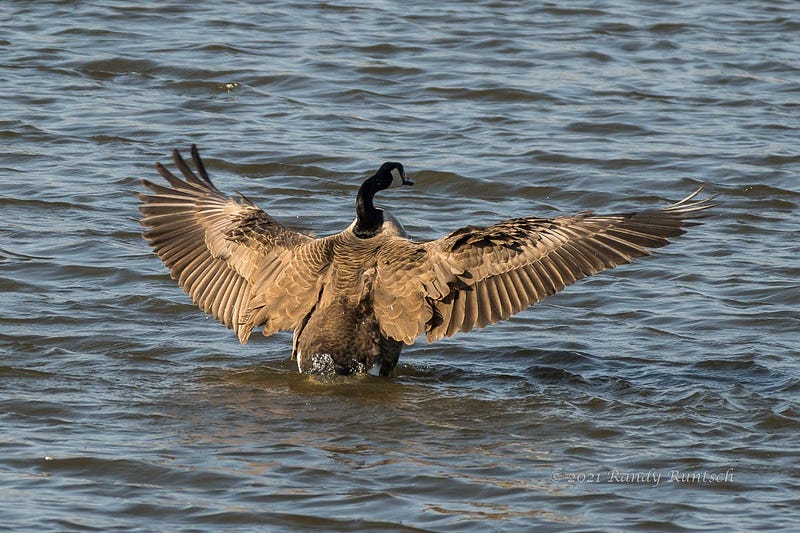
Canada Goose
The Canada Goose is a large North American goose. Humans have introduced the bird into countries in Europe and in other locations.
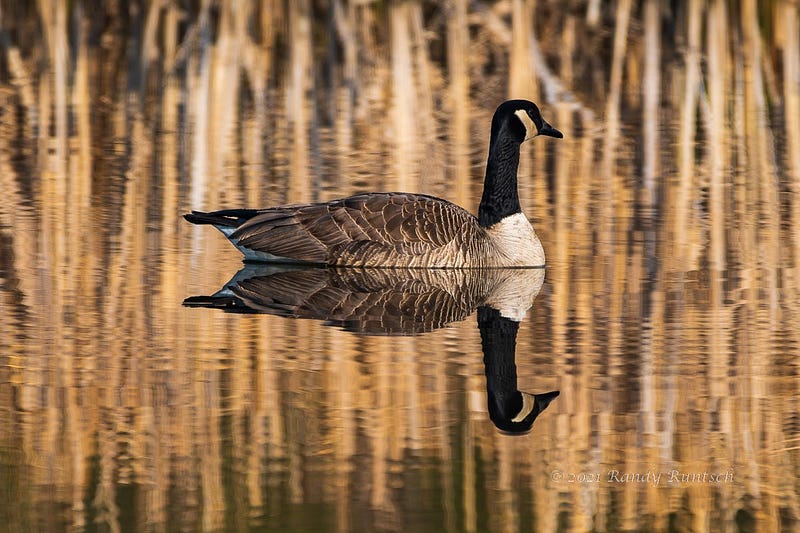
While a migrating species, Canada geese have adapted to human-modified environments. This includes parks and golf course ponds. They defend their mates by hissing and chasing. Thus, some people consider them as pests.
Blue Jay
The blue jay live in the eastern two-thirds of the United States and southern Canada. It is a bold, noisy, and aggressive passerine.
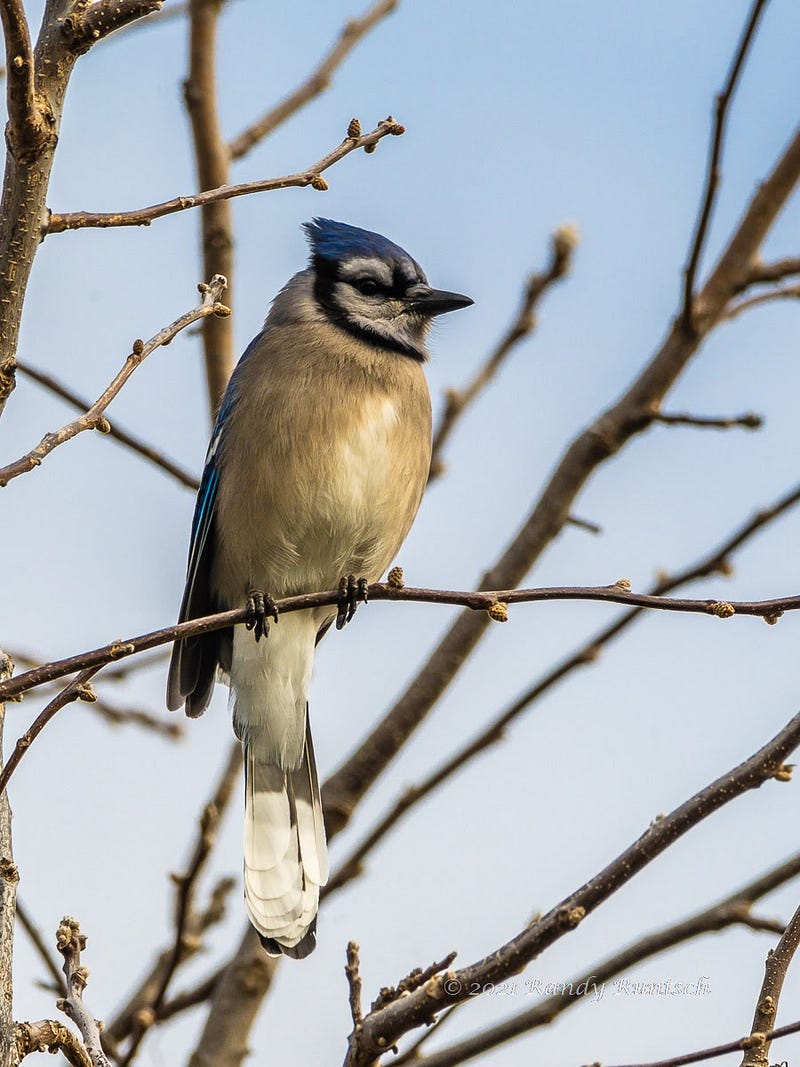
Sometimes, blue jays benefit other birds and animals by chasing away predators, such as hawks. They are challenging to photograph because they usually fly away at the sight of a human.
Mourning Dove
The mourning dove is a widespread and populous North American bird. It occupies most of the United States, Mexico, and southern Canada.
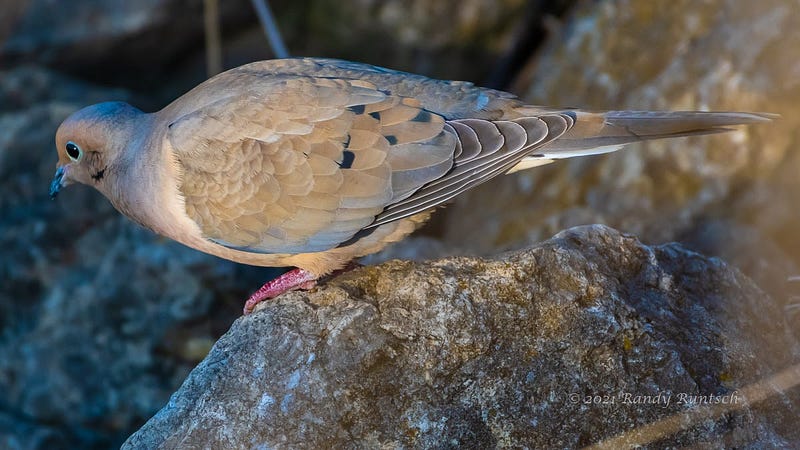
Mourning doves make a strange whistling sound when they take off and land. Hunters shoot more than 20 million of these birds annually for sport.
Blue-winged Teal
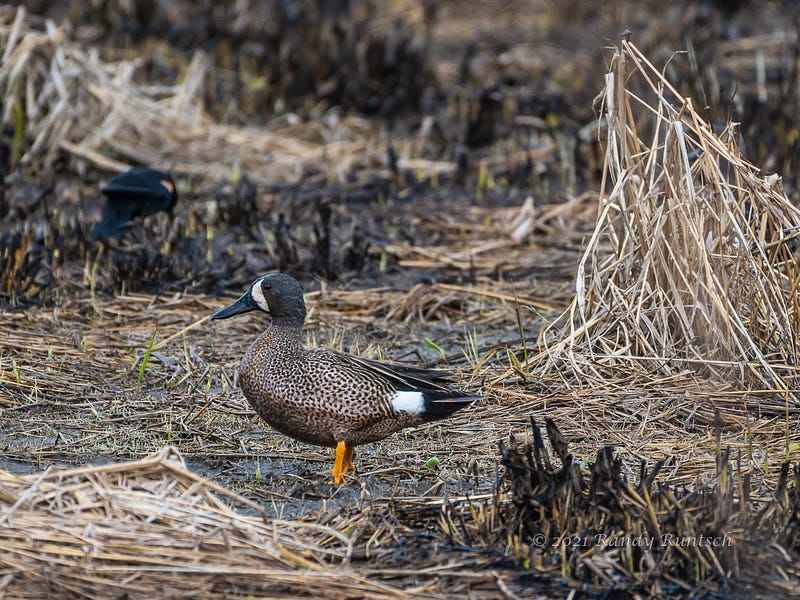
I have found blue-winged teals to be among the most approachable ducks. They are small dabbling ducks that live throughout much of North America.
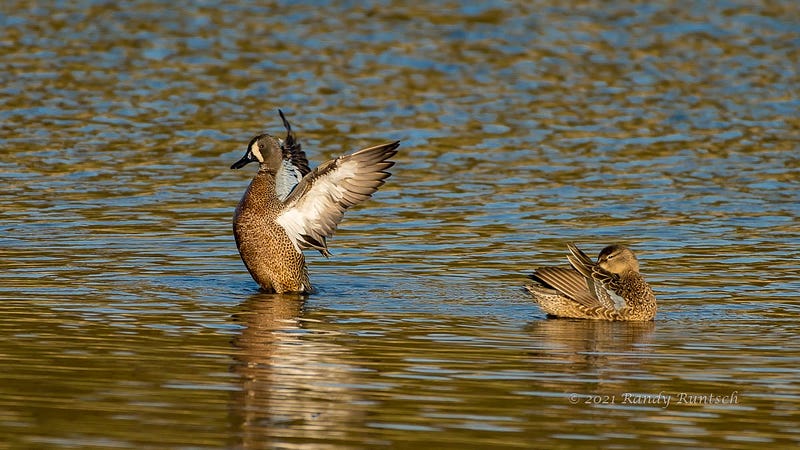
Blue-winged teal prefer to inhabit calm water near the shoreline. Perhaps this is why they are so approachable.
Hooded Merganser
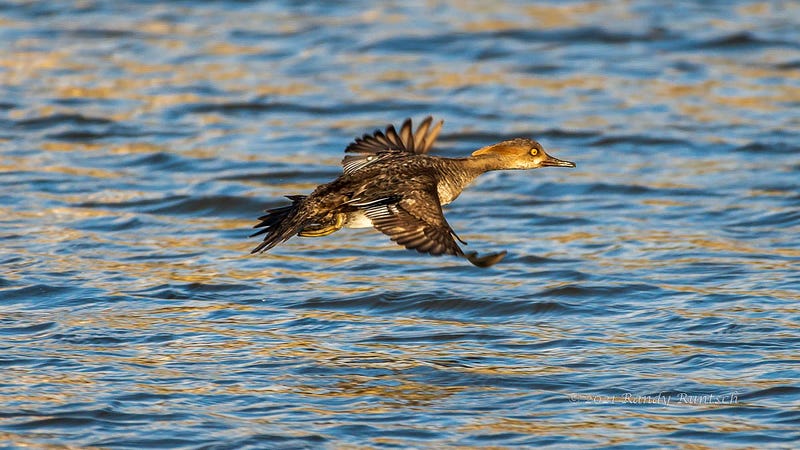
Male and female hooded mergansers are unusual in that they can raise and lower their crests. They live in most of the United States and southern Canada.
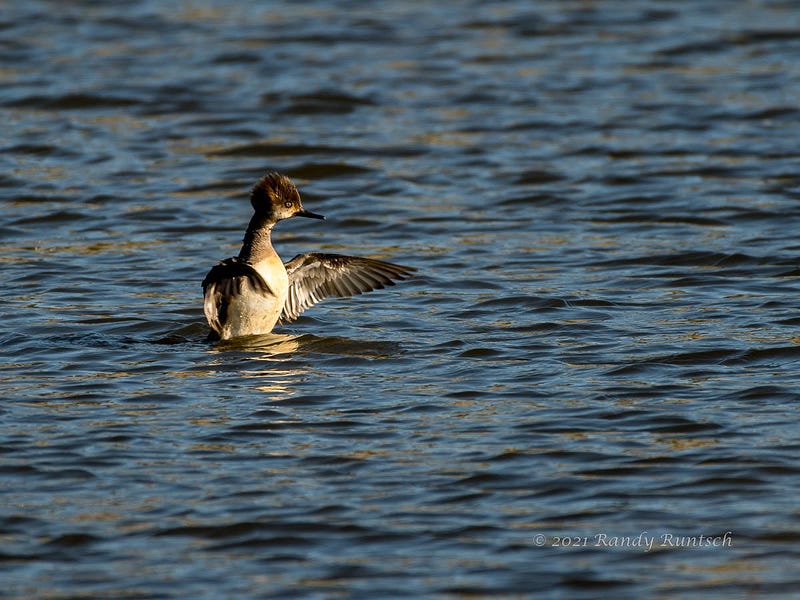
I watched a couple of pairs of hooded mergansers as they passed through Rochester, Minnesota, which is where I live, on their way north. Unfortunately, I was unable to capture a useful photograph of a male. I’m confident that I’ll have better luck next year.
Eastern Meadowlark
The eastern meadowlark is difficult to distinguish from the western meadowlark. It prefers to breed in open prairies and fields.
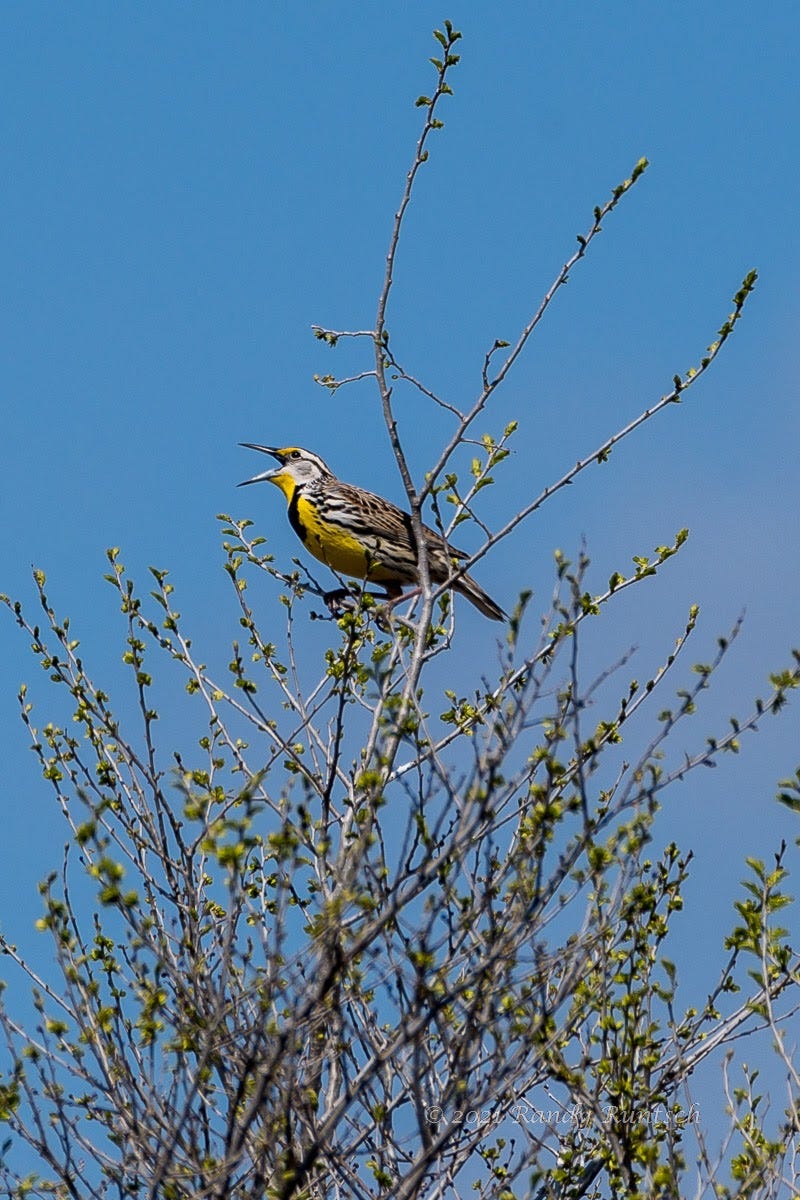
When perched, meadowlarks often sing with their long beaks pointed toward the sky. They routinely fly from perch to perch and like to perch on rocks, plant stems, or in low trees.
This is the last story about birds photographed in April. It is still migration season, so I have captured hundreds of photos of different birds in May. I hope to share them with you soon.