
Birds, Nature, and Photography
The Birds of Spring — Part I
The great bird migration along the Mississippi Flyway in the central United States starts in March each year. It’s a fantastic time to watch and photograph birds.
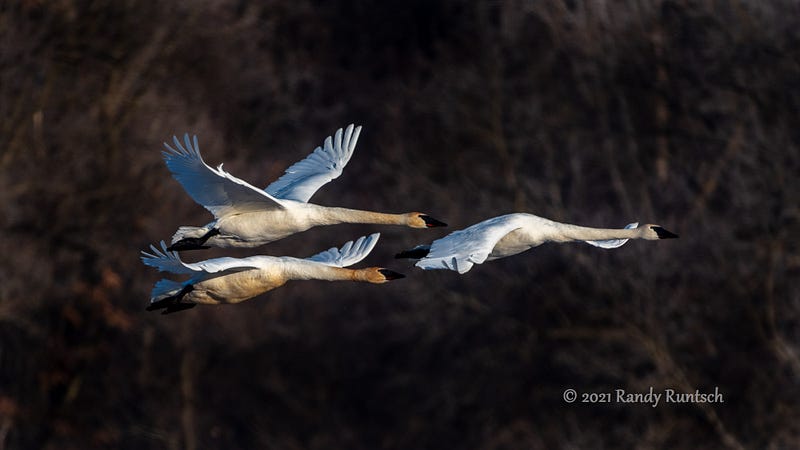
Over the years, I have asked many people what their favorite season is. Ninety percent or more have answered fall. They describe the cool crisp air and the fall colors.
I appreciate all seasons, but spring and summer are my favorites. New life begins and old life renews in springtime. Summer continues the process through warmth, water, and sunshine.
Many birds live in Southeastern Minnesota year-round. But many more return each spring or pass through on their journeys northward.
This story features birds that I photographed near home starting in March. Watch for upcoming articles that highlight birds photographed commonly seen in April and May.
Sandhill Crane
Migrating Sandhill cranes are among the most unusual birds in North America. They measure up to 5 feet 6 inches high, have a wingspan up to 6 feet 6 inches, and weigh up to 14.8 pounds.
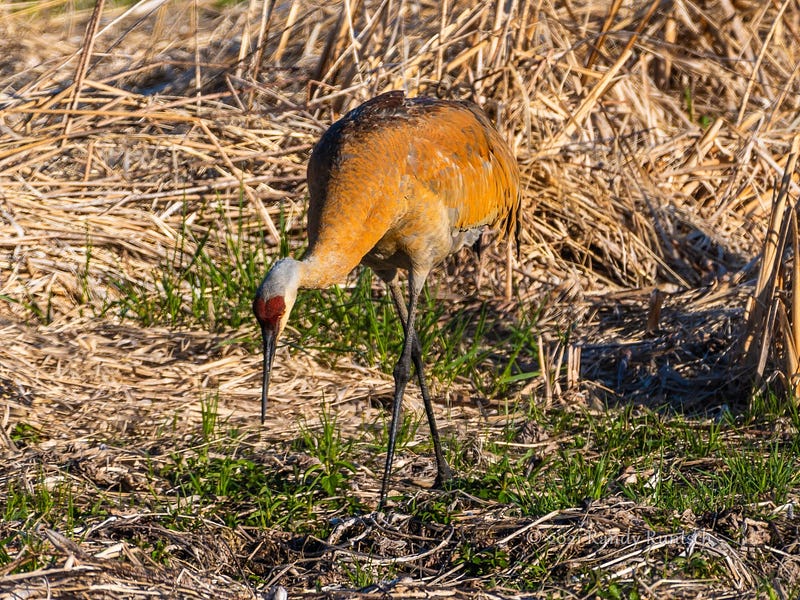
As many as 600,000 sandhill cranes live in North America and northeastern Siberia. In the United States, hundreds of thousands stop on their way north near the Platte River in Nebraska. There, they feed before they continue their journey north.
Sandhill cranes make a distinctive sound sometimes when they fly or are on the ground. They also make the sound when alarmed by the presence of humans.
Many sandhill cranes breed far north of where I live. But I’m fortunate to be able to watch several pairs that breed a short distance from my home each year.
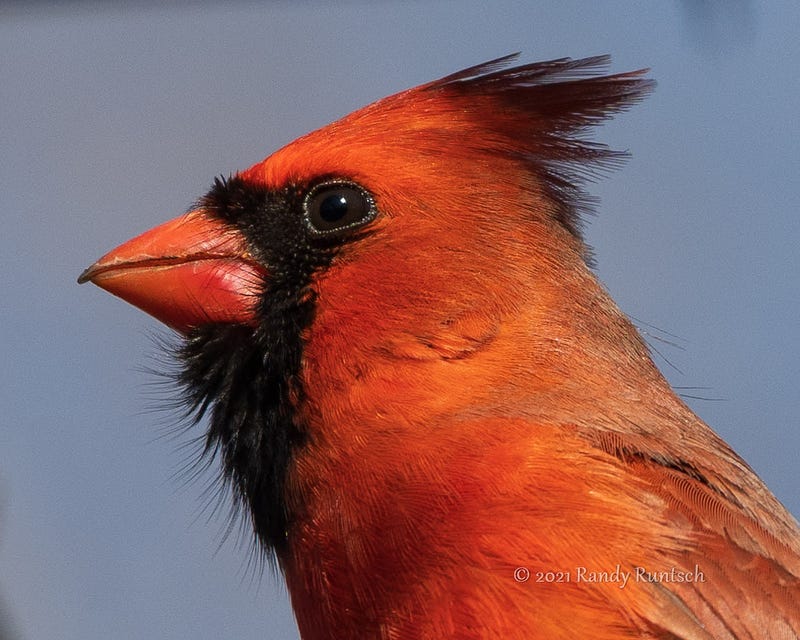
Northern Cardinal
Northern cardinals are among the most admired North American birds. Seven states in the U.S. feature the cardinal as its official state bird.
Cardinals measure up to nine inches long with a wingspan up to 12.2 inches. They can weigh up to 2.29 ounces.
Male cardinals are bright red while females are reddish-olive. Males are usually slightly larger than females.
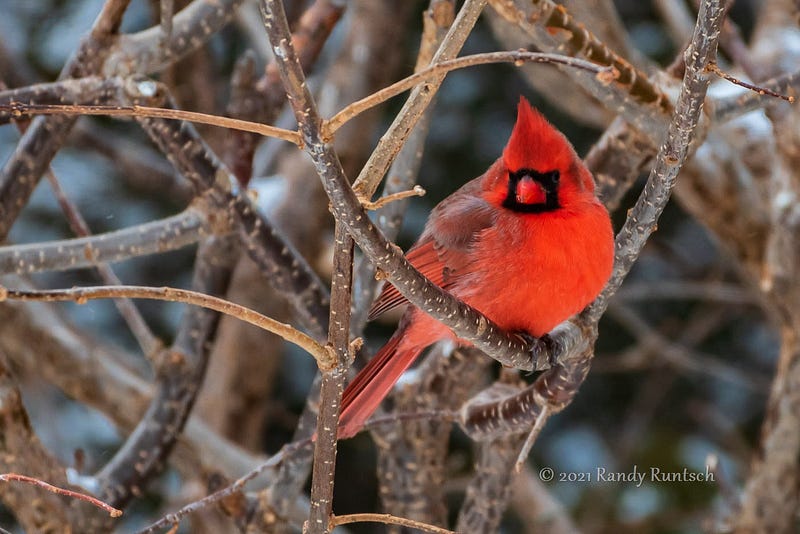
Cardinals are non-migratory. I enjoy them by sight and sound all year.
In the United States, the range of northern cardinals includes the eastern half of the country plus Texas and Arizona. They also occupy much of Mexico and southeastern Canada.
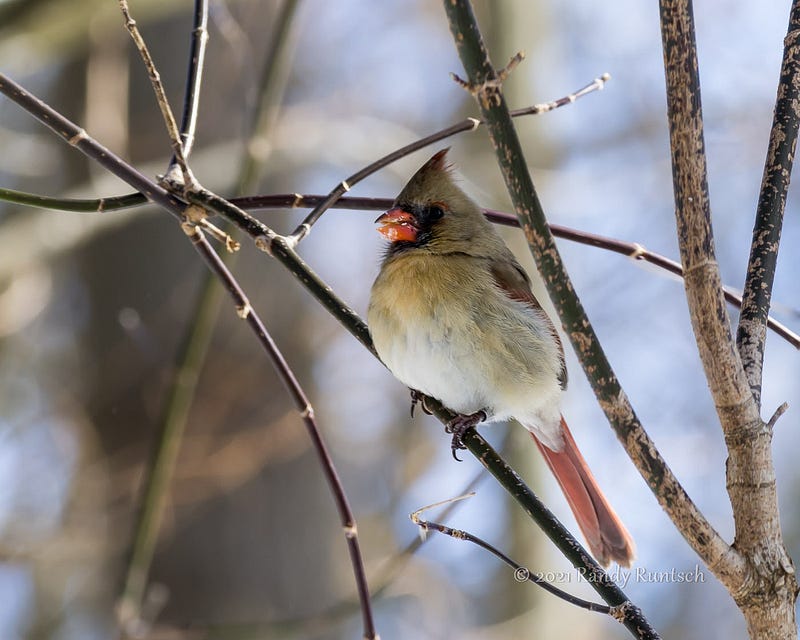
Male cardinals sing to mark their territory. I often hear several birds singing in Essex Park, a bird-filled sanctuary where I hike.
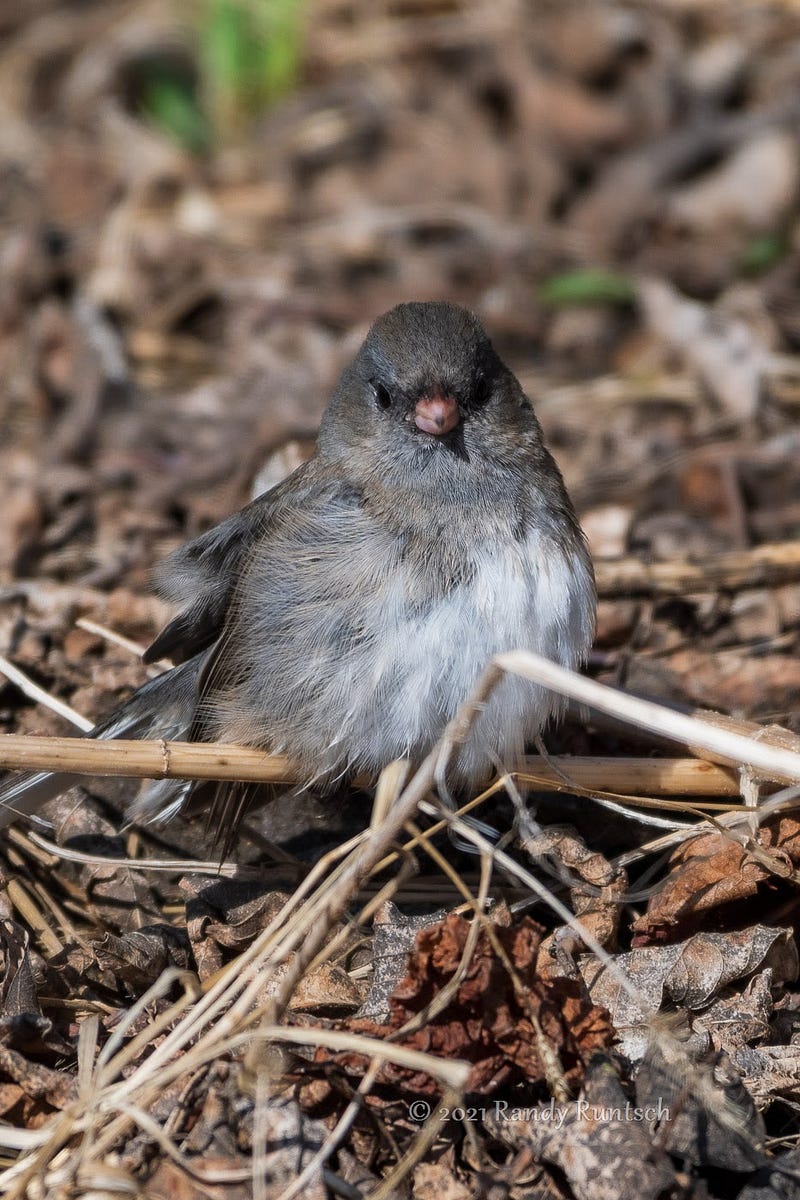
Dark-eyed Junco
In winter, ground-feeding dark-eyed juncos hop around on the snow foraging for food. These greyish little birds are New World sparrows.
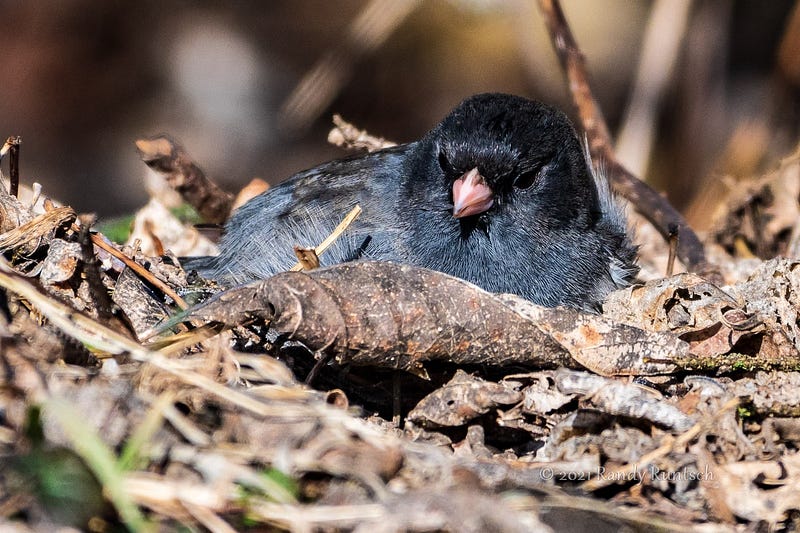
Some juncos winter in large tracts of North America and breed in Canada and Alaska. Other birds live year-round in western and eastern regions.
Juncos measure up to seven inches long. They can weigh a bit over one ounce.
American Robin
Some American robins migrate in spring and fall. I see a few specimens year-round, even in snow.
The quintessential North American bird, robins number some 370 million specimens. It is the most numerous bird on the continent.
The red-breasted robin is most active during the day. Groups of robins congregate at night.
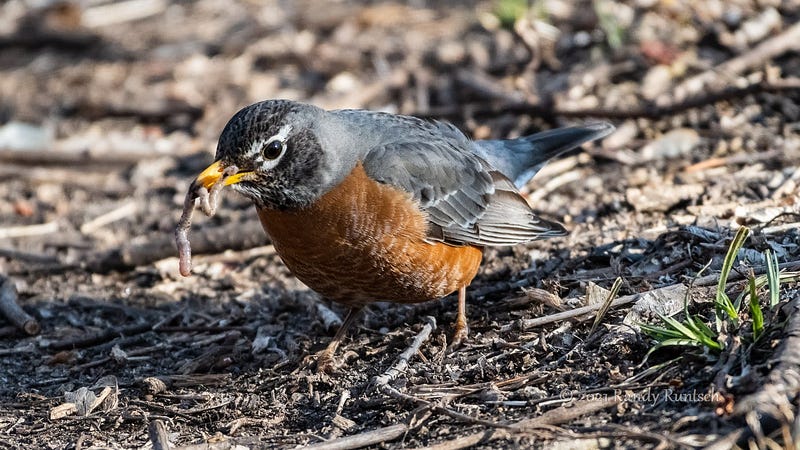
Robins have a varied diet of invertebrates (such as earthworms and grubs), fruits, and nuts. You can watch them catch earthworms on lawns.
Bald Eagle
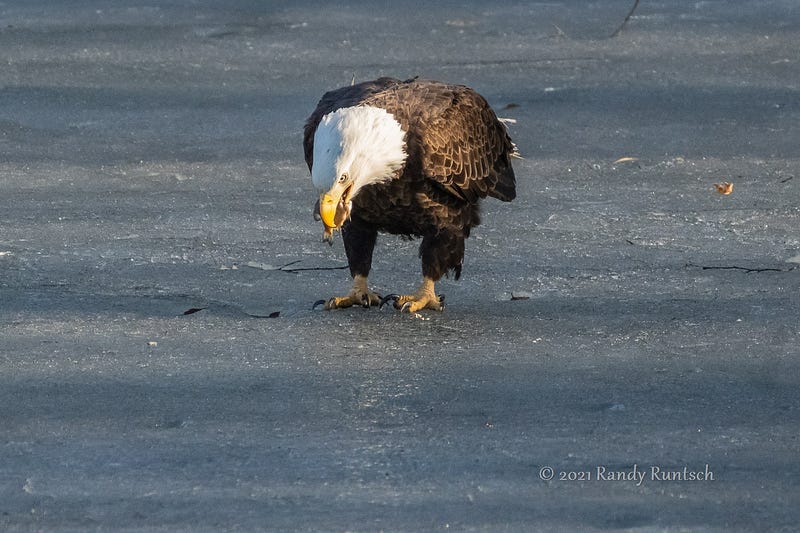
As a boy, I never saw a bald eagle in southeastern Minnesota. At the top of the food chain, the pesticide DDT decimated their populations. Now, I see them almost daily in Minnesota. The state features the highest number of bald eagles in the lower 48 states of the U.S.
Bald eagles can reach a length of 40 inches with a wingspan of 7 feet 7 inches. They can weigh as much as 14 pounds, with females weighing about 25 percent more than males.
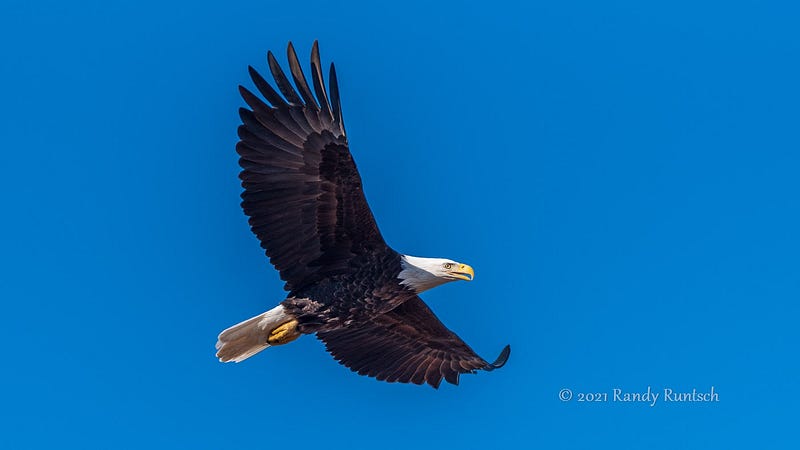
Birds of prey, eagles feast on fish and other animals. When fishing, they swoop down to the water’s surface to grab fish in their sharp talons.
Eagles build nests of up to 500 pounds high in trees. Pairs return to the same tree each year.
Great Horned Owl
Although I hike through woods and fields about five days on most weeks, I rarely see or hear owls. It might be because they sit still in trees, burrows, or nests for most of each day since they are nocturnal.
I was delighted to spot great horned owls nested in a tree near our house in March. One tended to their two owlets while the other hunted for food. Finally, they left the nest after about a month.
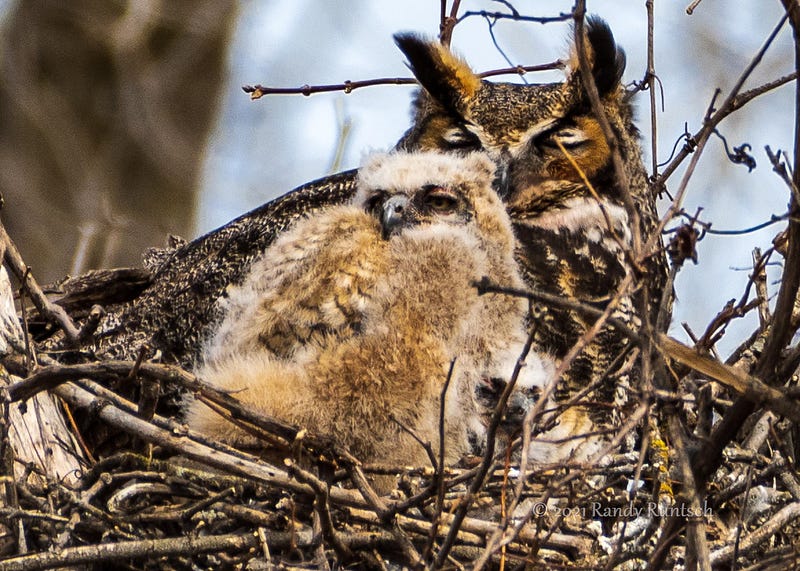
Great horned owls live in a vast range throughout the Americas. Its favorite foods are rabbits and hares, rats, mice, and voles. They eat various other animals, too, including amphibians, reptiles, insects, and fish.
Great horned owls can be up to 25 inches long, with wingspans as long as 5 feet. They can weigh up to 5 1/2 pounds.
House Finch
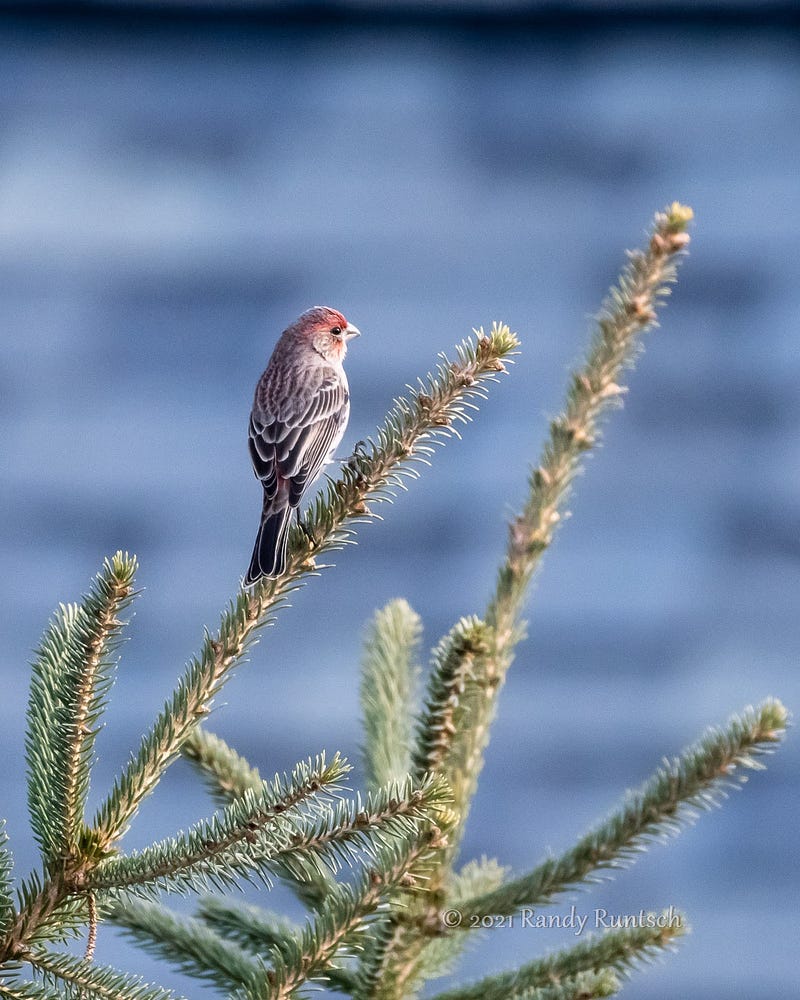
House finches are common birds that live throughout the lower 48 states of the United States. They also live in southern Canada and much of Mexico.
House finches visit my bird feeder almost daily. A welcome site, males feature bright red feathers on their heads and breasts.
House finches can be up to 6 inches long with a wingspan of up to 10 inches. The largest specimens weigh up to 15/16 of an ounce.
Wild Turkey
Like bald eagles, I never saw a wild turkey in Southeastern Minnesota as a boy. Now, they are common in the countryside, cities, and towns.
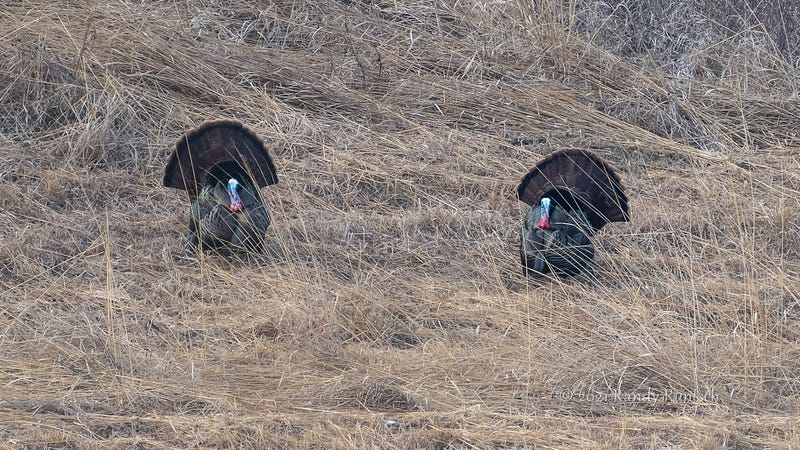
Wild turkeys live in the eastern two-thirds of the lower 48 states of the U.S. Local populations also live in California, other western states, and Mexico.
Adult male (tom) turkeys can weigh up to 24 pounds. Their body is up to 49 inches long, and their wingspan can be up to 57 inches.
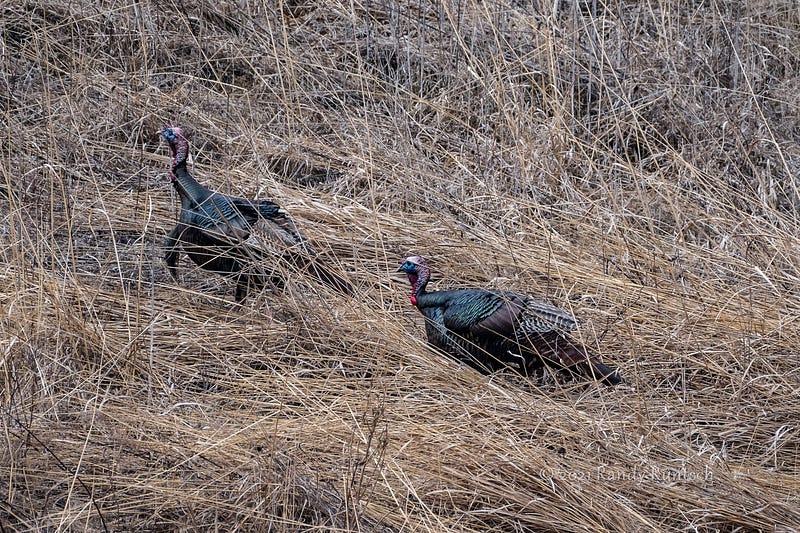
Wild turkeys are fast fliers that rarely fly above treetops. They have a range of up to a one-quarter mile.
White-breasted Nuthatch
The white-breasted nuthatch lives throughout the lower 48 states of the U.S. It also lives in southern Canada and western and central Mexico.
This nuthatch forages for insects on tree branches and trunks. It also eats acorns, hickory nuts, and seeds. I often see them hanging upside-down from a branch or walking headfirst down a tree as they look for food.
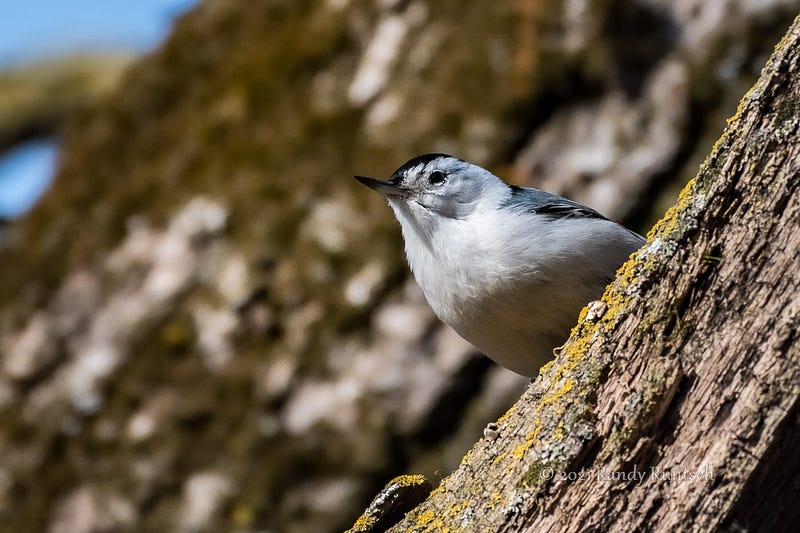
White-breasted nuthatches are up to 5.5 inches long and have a wingspan of up to 10.5 inches. They can weigh as much as 1.06 ounces.
White-breasted nuthatches are among the most approachable birds in Southeastern Minnesota. Like downy woodpeckers, they seem oblivious to humans who watch them from the ground.
Downy Woodpecker
The downy woodpecker is the smallest woodpecker in North America. They measure up to 7.1 inches long with a wingspan that can reach 12.2 inches. They can weigh up to 1.16 ounces.
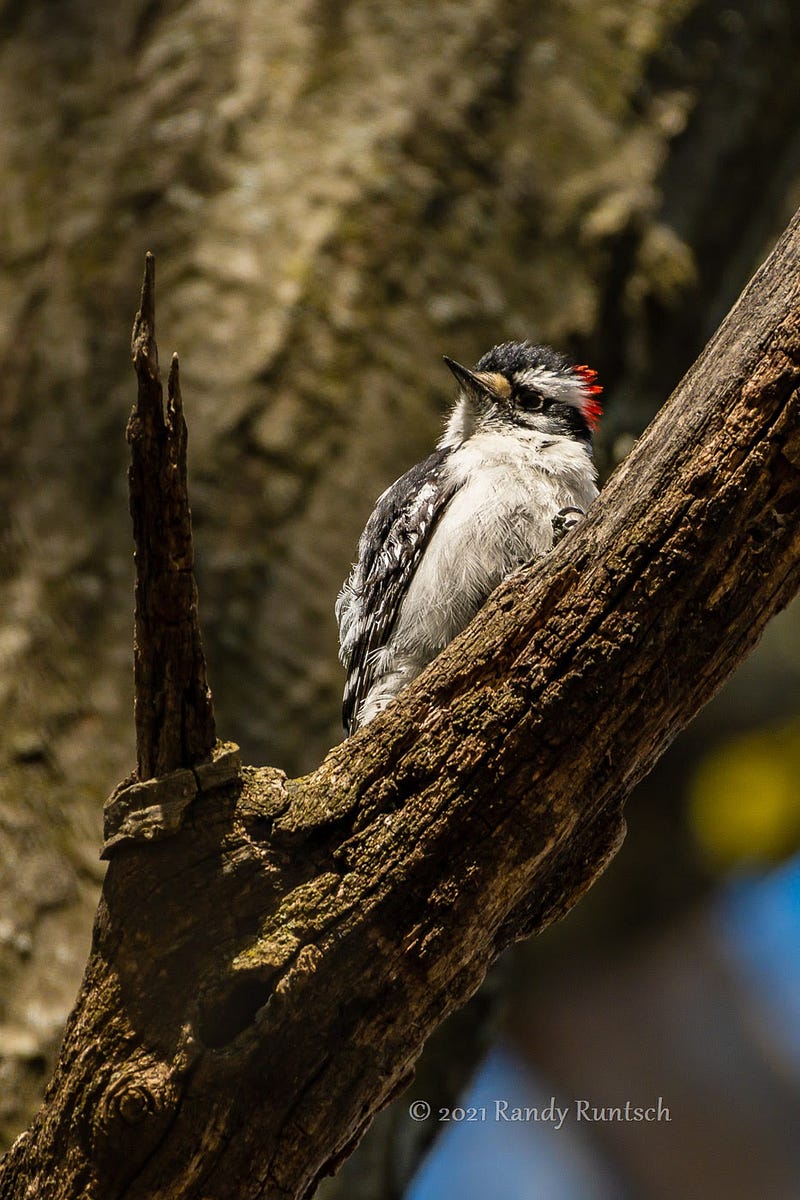
I enjoy watching and photographing downy woodpeckers. I never seem to bother them. They keep at their work of looking for and feeding on insects until they’re ready to move on. They also eat seeds and berries.
Red-tailed Hawk
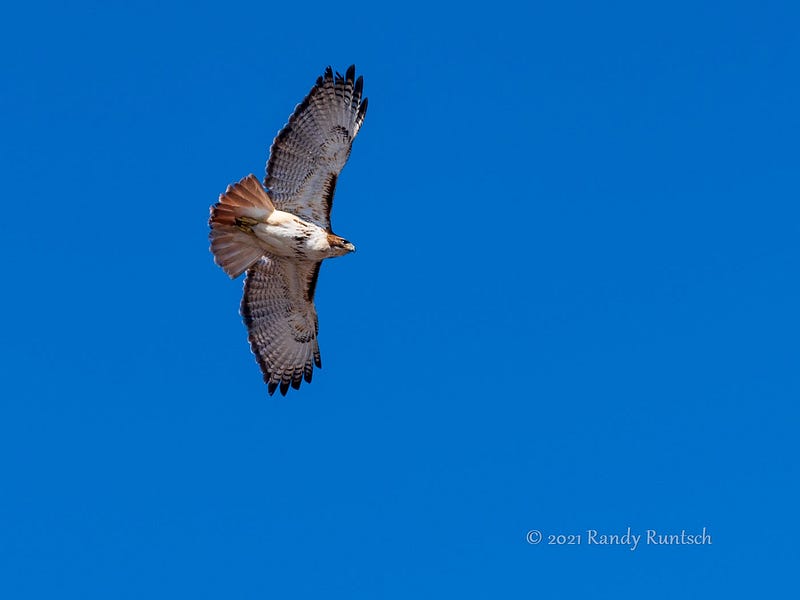
The red-tailed hawk is a bird of prey that lives throughout most of North America. They often perch on power poles or in trees on the edges of woods. There, they keep an eye out for small mammals, such as rodents and other prey.
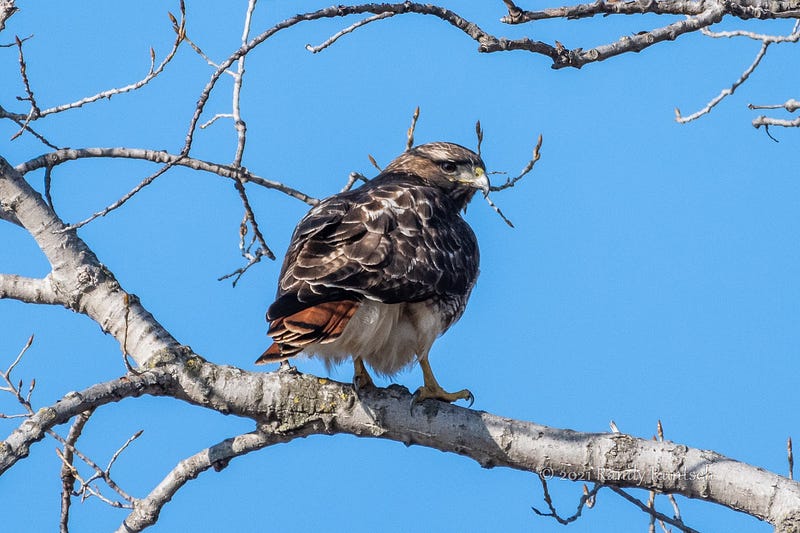
Red-tailed hawks can weigh up to 3.5 pounds. They can be up to 26 inches long with a wingspan as long as 56 inches.
Trumpeter Swan
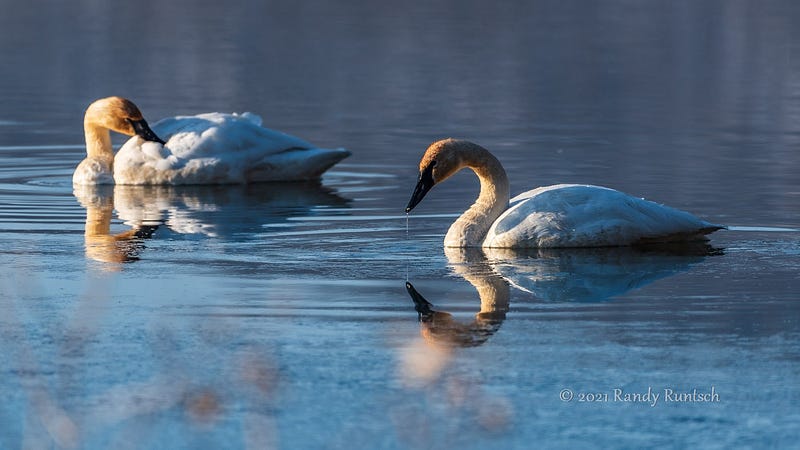
At up to 30 pounds, trumpeter swans are the heaviest birds in North America. They are also the largest waterfowl on the content, with lengths up to six feet ten inches. Their wingspans can reach almost seven feet
Between 1968 and 2010, the population of trumpeter swans increased from 3,722 to about 46,225 birds. Many pairs breed in Alaska and western Canada. Several breeding pairs of swans live in Whitewater State Wildlife Management Area, a short distance from where I live.
Spring is a time of renewal and new life and birds are a wonderful part of the season. I love to watch and photograph them whenever I can.


