
The Best Science Books to Read in 2023

Does the universe fascinate you? Do you yearn to learn how stars are born, molecules are formed, and what the latest scientific discoveries might mean for our collective future? Well, if you’re here, you probably do.
But maybe you also like to read books with a narrative, a story, or something that isn’t as boring as reading a dictionary in a foreign language you have yet to learn. If that’s the case, then this list of some of the best books on science is for you!
Let’s jump in.
Awesome Science Books to Read in 2023
#1. Shape: The Hidden Geometry of Absolutely Everything
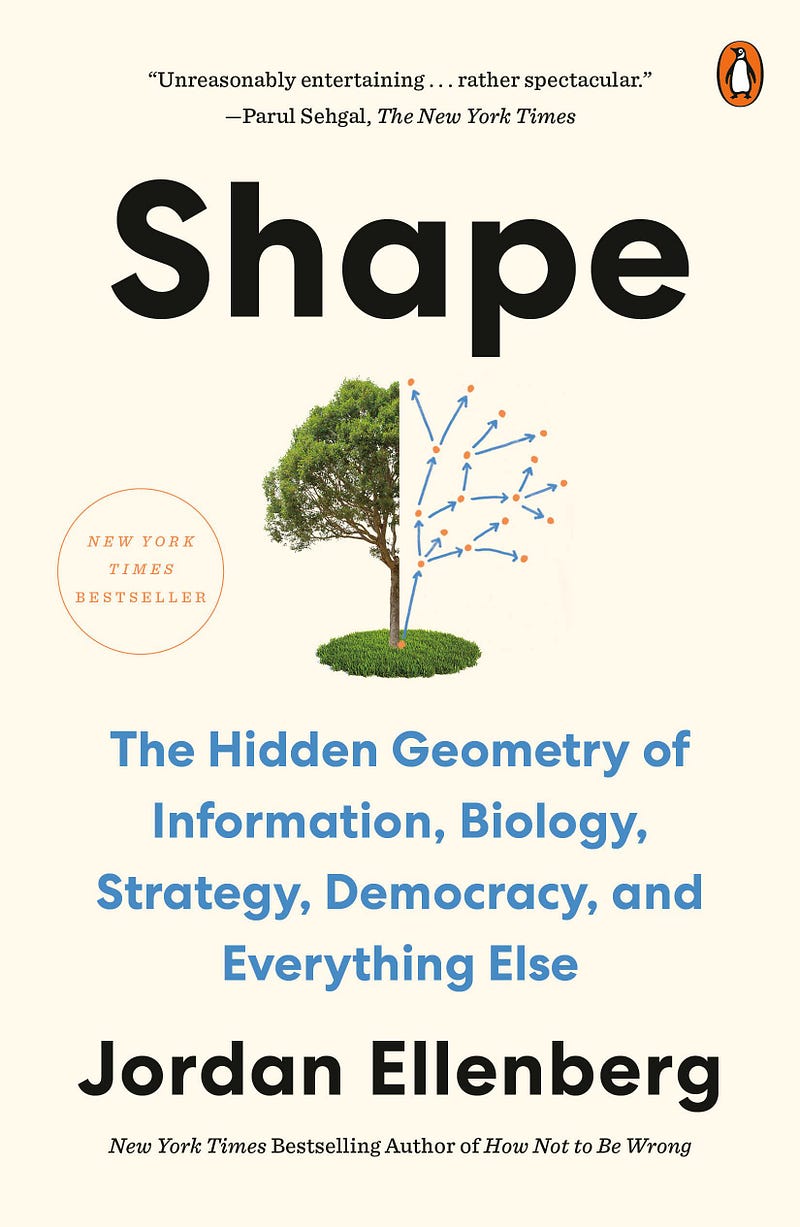
“How should a democracy choose its representatives? How can you stop a pandemic from sweeping the world? How do computers learn to play Go, and why is learning Go so much easier for them than learning to read a sentence? Can ancient Greek proportions predict the stock market? (Sorry, no.) What should your kids learn in school if they really want to learn to think? All these are questions about geometry. For real.
If you’re like most people, geometry is a sterile and dimly remembered exercise you gladly left behind in the dust of ninth grade, along with your braces and active romantic interest in pop singers. If you recall any of it, it’s plodding through a series of miniscule steps only to prove some fact about triangles that was obvious to you in the first place. That’s not geometry. Okay, it is geometry, but only a tiny part, which has as much to do with geometry in all its flush modern richness as conjugating a verb has to do with a great novel.
Shape reveals the geometry underneath some of the most important scientific, political, and philosophical problems we face. Geometry asks: Where are things? Which things are near each other? How can you get from one thing to another thing? Those are important questions. The word “geometry”, from the Greek for “measuring the world”. If anything, that’s an undersell. Geometry doesn’t just measure the world — it explains it. Shape shows us how.”
Where to read it?
#2. The Structure of Scientific Revolutions
by Thomas Kuhn
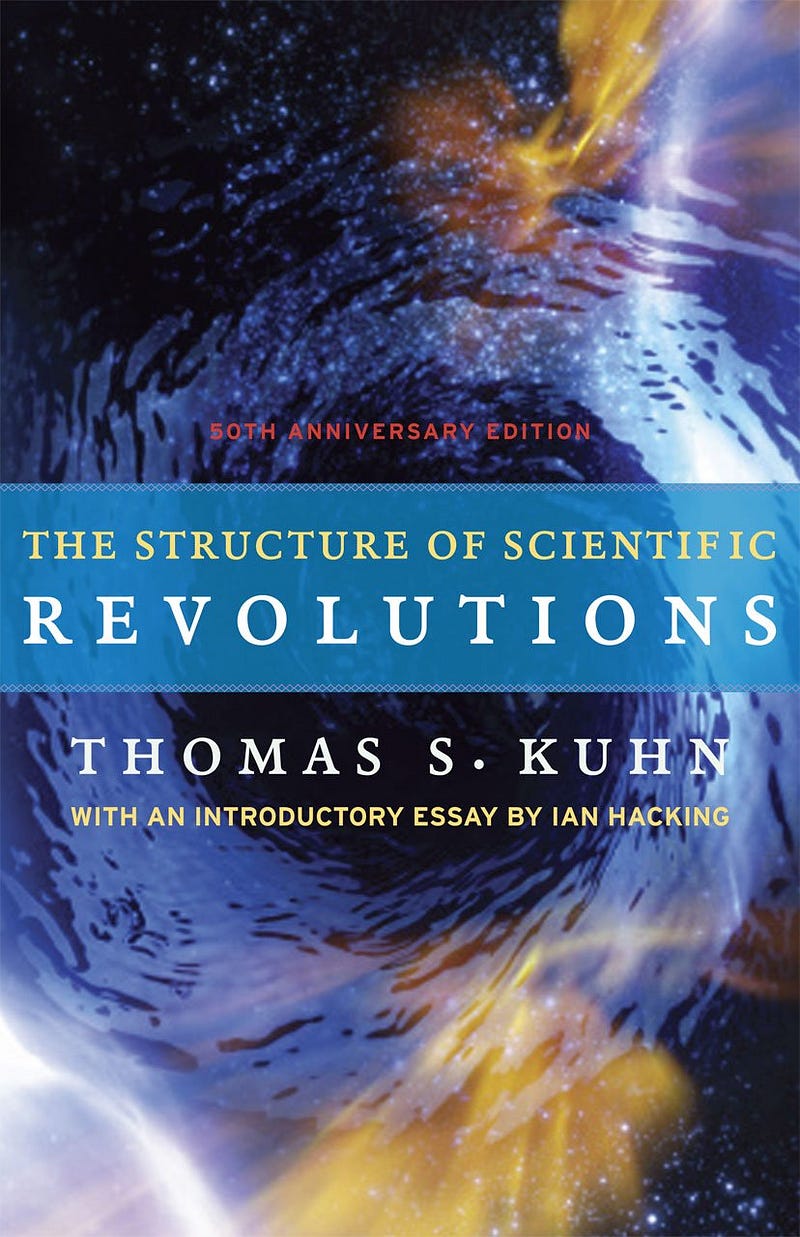
“The Structure of Scientific Revolutions is a landmark in intellectual history which has attracted attention far beyond its own immediate field. It is written with a combination of depth and clarity that make it an almost unbroken series of aphorisms. Its author, Thomas S. Kuhn, wastes little time on demolishing the logical empiricist view of science as an objective progression toward the truth.
Instead he erects from ground up a structure in which science is seen to be heavily influenced by nonrational procedures, and in which new theories are viewed as being more complex than those they usurp but not as standing any closer to the truth. Science is not the steady, cumulative acquisition of knowledge that is portrayed in the textbooks. Rather, it is a series of peaceful interludes punctuated by intellectually violent revolutions . . . in each of which one conceptual world view is replaced by another.”
Where to read it?
#3. The Human Brain: A Guided Tour
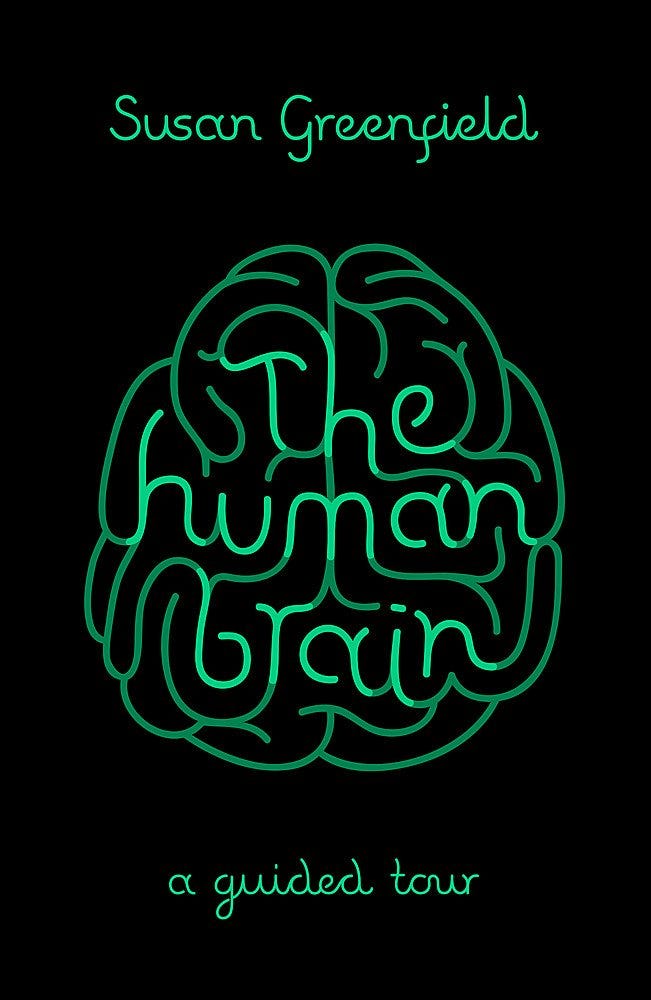
“Locked away, remote from the rest of the body in its own custom-built casing of skull bone, with no intrinsic moving parts, the human brain remains a tantalising mystery. But now, more than ever before, we have the expertise to tackle this mystery — the last 20 years have seen astounding progress in brain research.
Susan Greenfield begins by exploring the roles of different regions of the brain. She then switches to the opposite direction and examines how certain functions, such as movement and vision, are accommodated in the brain. She describes how a brain is made from a single fertilized egg, and the fate of the brain is traced through life as we see how it constantly changes as a result of experience to provide the essence of a unique individual.”
Where to read it?
#4. The Language Instinct: The New Science of Language and Mind
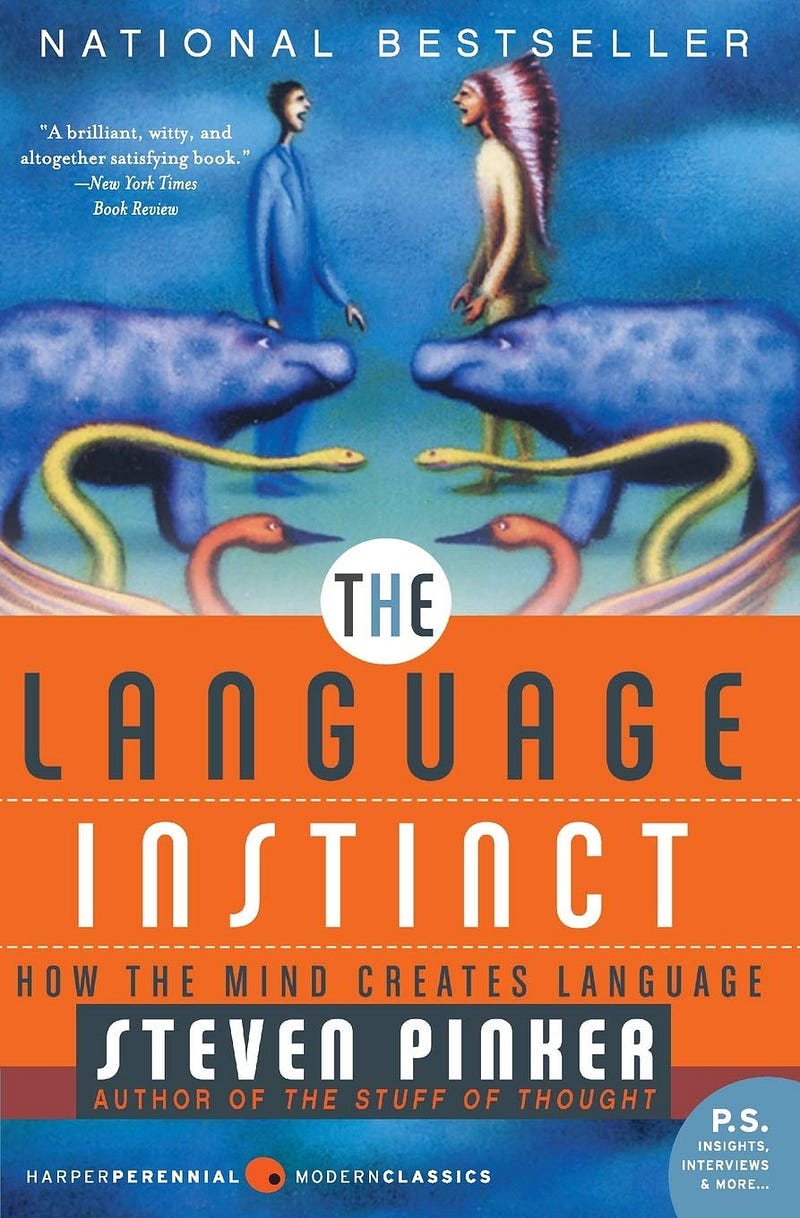
“In this classic, the world’s expert on language and mind lucidly explains everything you always wanted to know about language: how it works, how children learn it, how it changes, how the brain computes it, and how it evolved. With deft use of examples of humor and wordplay, Steven Pinker weaves our vast knowledge of language into a compelling story: language is a human instinct, wired into our brains by evolution. The Language Instinct received the William James Book Prize from the American Psychological Association and the Public Interest Award from the Linguistics Society of America. This edition includes an update on advances in the science of language since The Language Instinct was first published.”
Where to read it?
#5. The Origin of Species
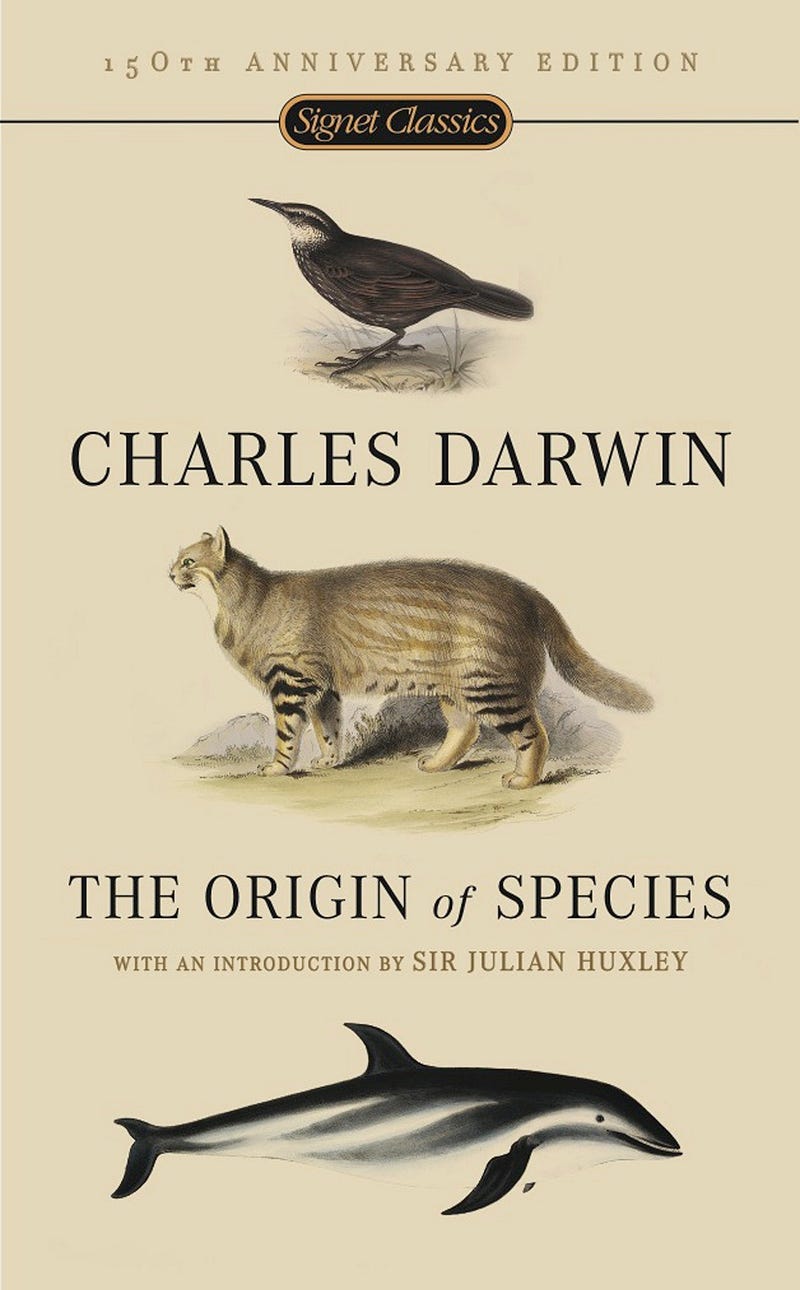
“Few other books have created such a lasting storm of controversy as The Origin of Species. Darwin’s theory that species derive from other species by a gradual evolutionary process and that the average level of each species is heightened by the “survival of the fittest” stirred up popular debate to fever pitch. Its acceptance revolutionized the course of science.”
Where to read it?
#6. Handmade: A Scientist’s Search for Meaning Through Making
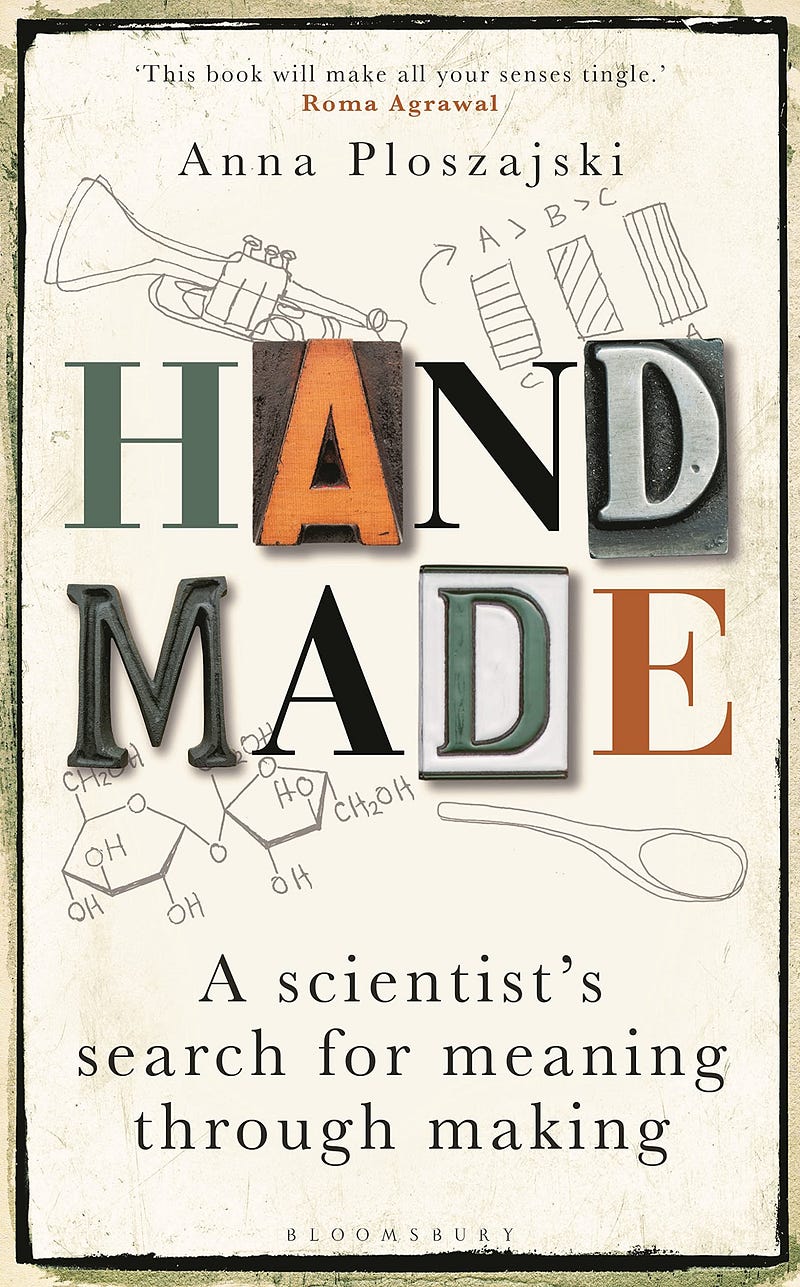
“From atomic structures to theories about magnetic forces, scientific progress has given us a good grasp on the properties of many different materials. However, science cannot tell us how to measure the temperature of steel just by looking at it, or how to sculpt stone into all kinds of shapes, or what it feels like to blow up a balloon of glass. Handmade is the story of materials through making and doing. Author and material scientist Anna Ploszajski journeys into the domain of makers and craftspeople to comprehend how the most popular materials really work. Their accumulated knowledge through hands-on trial and error has been gathered by generation after generation of experimenters and tinkerers and they understand the materiality of objects far better than any scientist with a textbook.
Anna’s is the fresh and entertaining perspective of someone at the forefront of the field. Each chapter centres around an everyday material and features Anna’s accounts of learning from masters of their respective crafts. Along the way, she builds a fuller picture of materials and their place in society. She visits a female blacksmith artist to see, hear, smell and strike steel herself, explores how working with one of the most primal of materials, clay, has brought about some of the most advanced technologies and delves down to the atomic scale of glass to find out what makes it ‘glassy’. Handmade affords us a new understanding of the materials we encounter every day and an appreciation for the skills needed to fashion them into objects that are perfectly formed for the jobs they do.”
Where to read it?
#7. The Selfish Gene
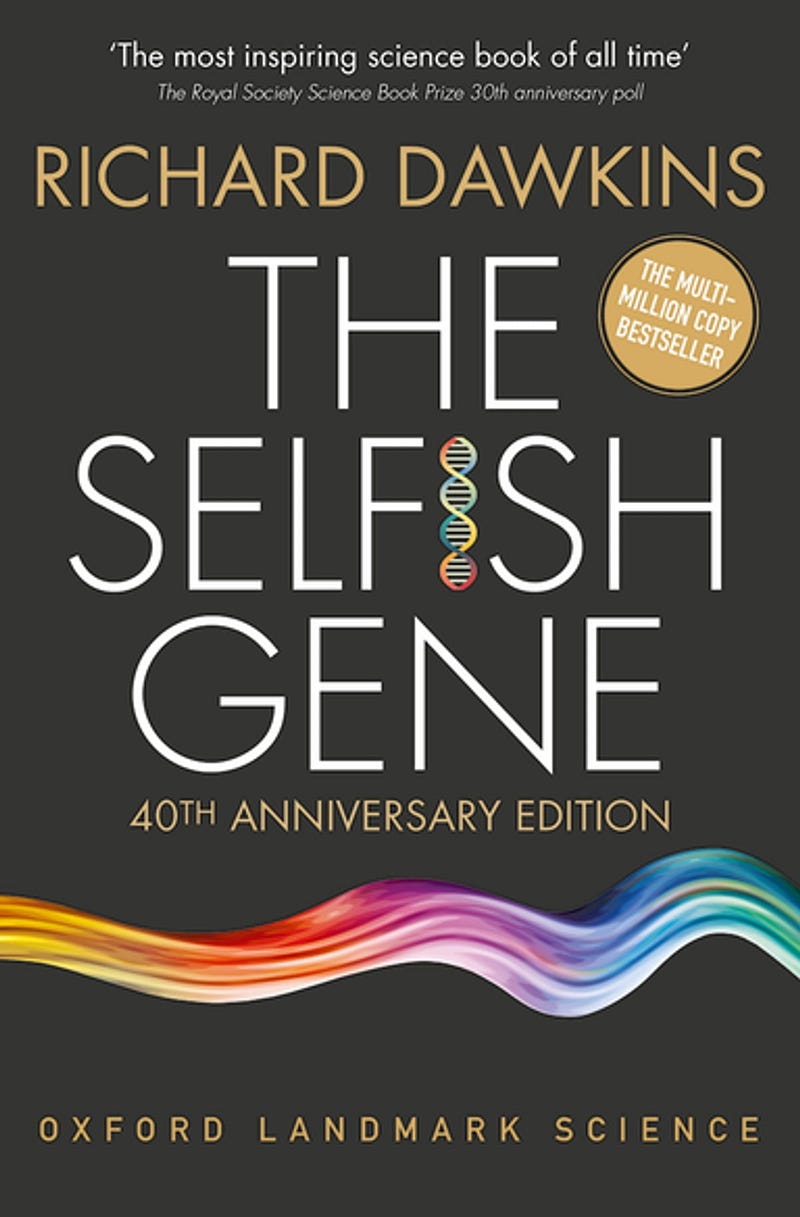
“Richard Dawkins’ brilliant reformulation of the theory of natural selection has the rare distinction of having provoked as much excitement and interest outside the scientific community as within it. His theories have helped change the whole nature of the study of social biology, and have forced thousands to rethink their beliefs about life.
In his internationally best-selling, now classic, volume, The Selfish Gene, Dawkins explains how the selfish gene can also be a subtle gene. The world of the selfish gene revolves around savage competition, ruthless exploitation, and deceit, and yet, Dawkins argues, acts of apparent altruism do exist in nature. Bees, for example, will commit suicide when they sting to protect the hive, and birds will risk their lives to warn the flock of an approaching hawk.”
Where to read it?
#8. Ideas And Opinions
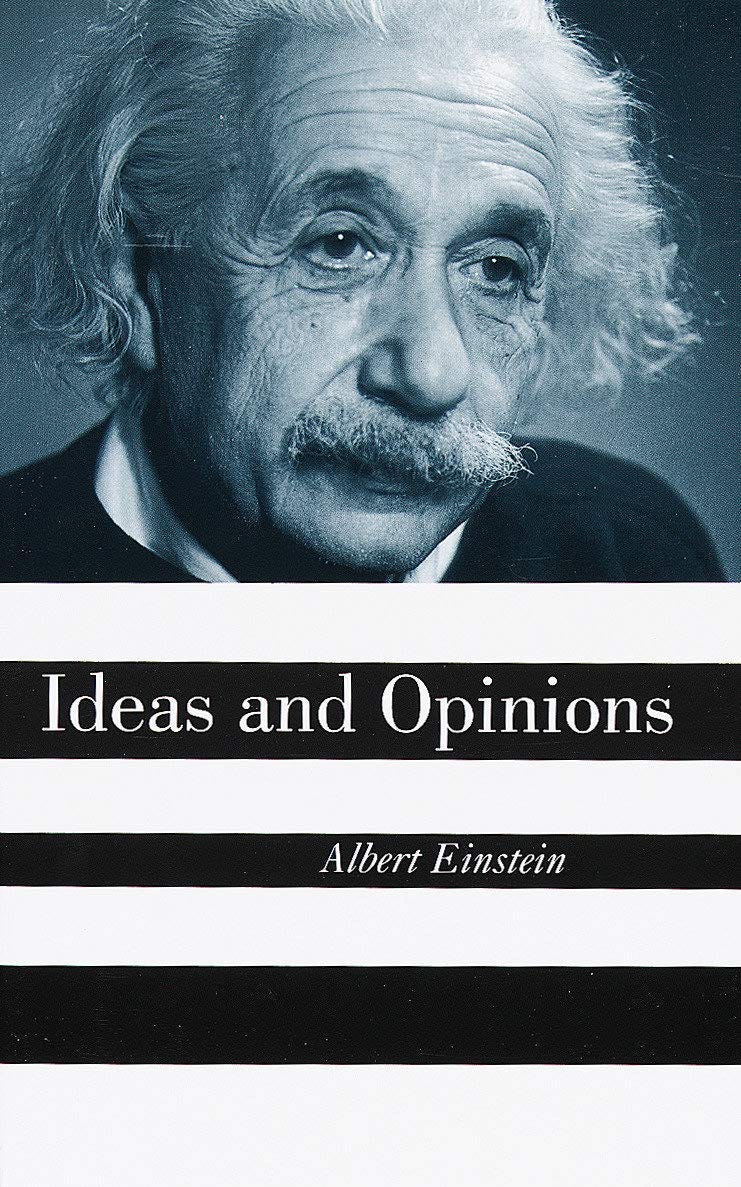
“A new edition of the most definitive collection of Albert Einstein’s popular writings, gathered under the supervision of Einstein himself. The selections range from his earliest days as a theoretical physicist to his death in 1955; from such subjects as relativity, nuclear war or peace, and religion and science, to human rights, economics, and government.”
Where to read it?
#9. On Growth and Form
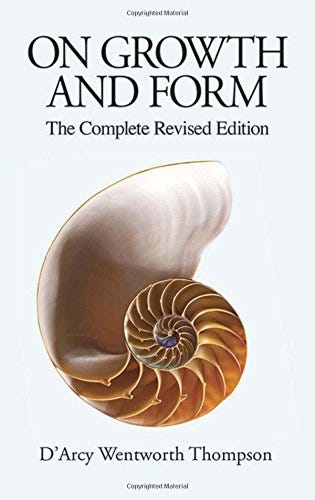
“In this classic of biology and modern science, Sir D’Arcy Wentworth Thompson (1860–1948), one of the most distinguished scientists of the modern era, sets forth his seminal “theory of transformation” — that one species evolves into another not by successive minor changes in individual body parts but by large-scale transformations involving the body as a whole. First written in 1917, the book was revised by Thompson in 1942 — the revision reprinted here. The esteem in which this monumental, lavishly illustrated work is universally held derives not only from its scholarship and creativity, but also from the rich literary style that exemplifies Thompson’s great erudition in the physical and natural sciences, ancient and modern languages and the humanities.
The book begins with studies of organic magnitude, the rate of growth, cellular form and structure, adsorption, and the forms of tissues, then examines a vast spectrum of life forms, and concludes with a comparison of related forms that leads to the theory of transformations.”
Where to read it?
#10. A Brief History of Time
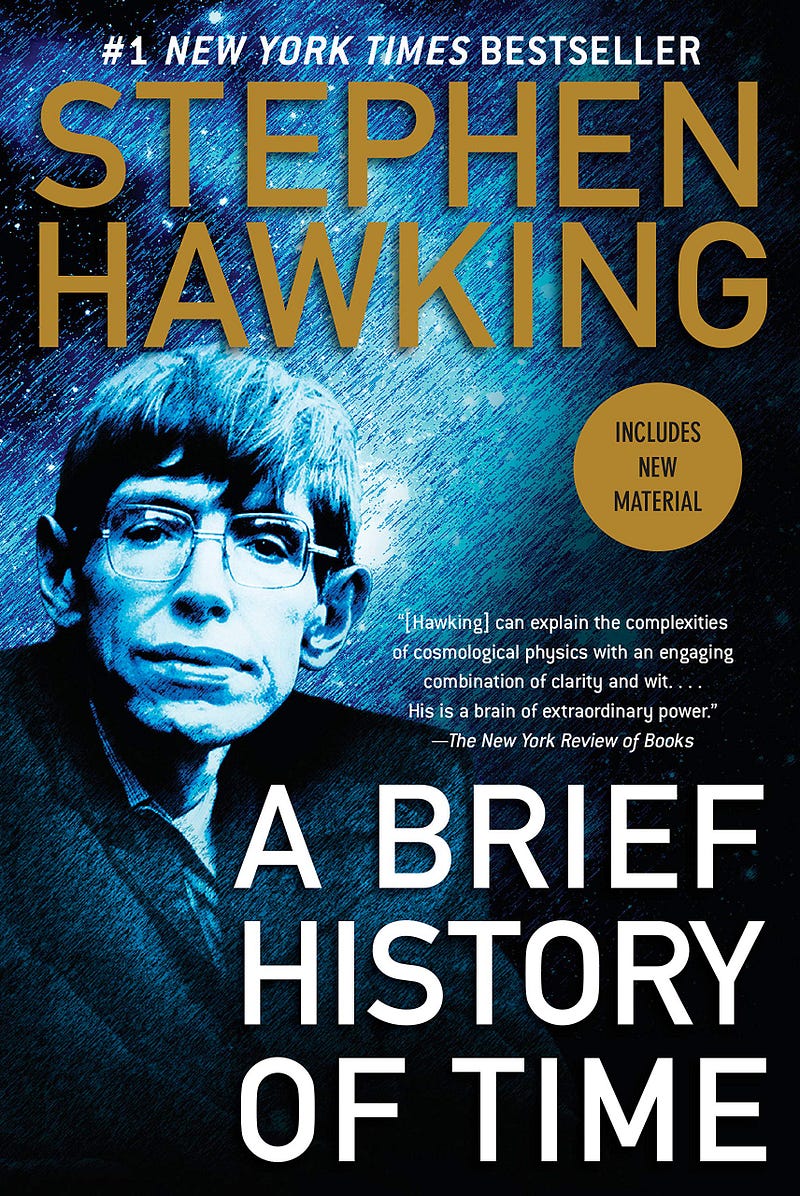
“This landmark book is for those of us who prefer words to equations; this is the story of the ultimate quest for knowledge, the ongoing search for the secrets at the heart of time and space. Its author, Stephen W. Hawking, is arguably the greatest mind since Einstein. From the vantage point of the wheelchair, where he has spent the last 20 years trapped by Lou Gehrig’s disease, Professor Hawking has transformed our view of the universe. A Brief History of Time is Hawking’s classic introduction to today’s most important scientific ideas about the cosmos.”
Where to read it?
#11. Against Method
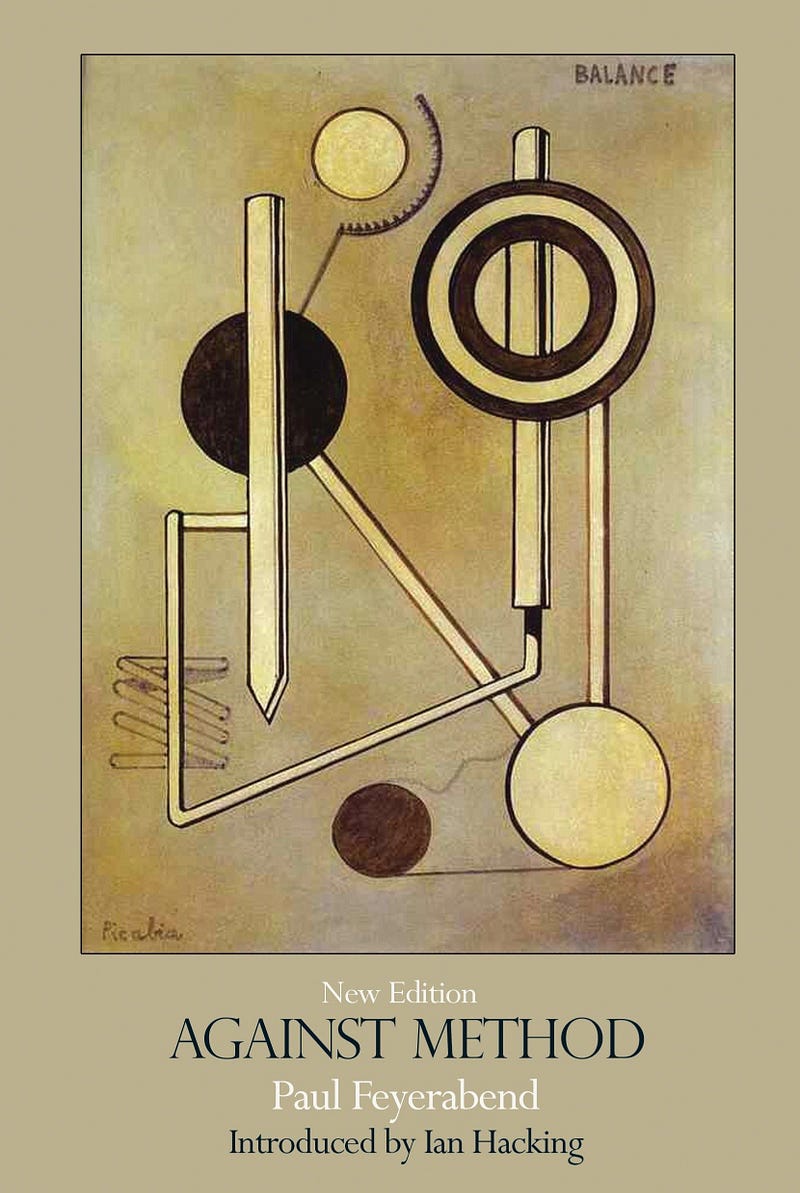
“Paul Feyerabend’s globally acclaimed work, which sparked and continues to stimulate fierce debate, examines the deficiencies of many widespread ideas about scientific progress and the nature of knowledge. Feyerabend argues that scientific advances can only be understood in a historical context. He looks at the way the philosophy of science has consistently overemphasized practice over method, and considers the possibility that anarchism could replace rationalism in the theory of knowledge.”
Where to read it?
Related Reading
- 31 Best-Selling Books of All Time
- Banned Books You Should Definitely Read Because Screw Censorship
- Best Memoirs
- Best Psychology Books
- Best Leadership Books
- Best Autobiographies
- Best Biographies
- Best Philosophy Books
- Best History Books
- Best Art Books
Or, click here to see all book recommendations
For more of my thoughtsays, deep dives, and essays, come check out Pryor Thoughts. You can also join Medium through my referral link (no extra cost to you) and get access to millions of stories for one low price every month.
This article contains some affiliate links. That means I may get a small commission if you buy something, but the price is no different for you.


