
The 16 Best History Books to Read in 2023
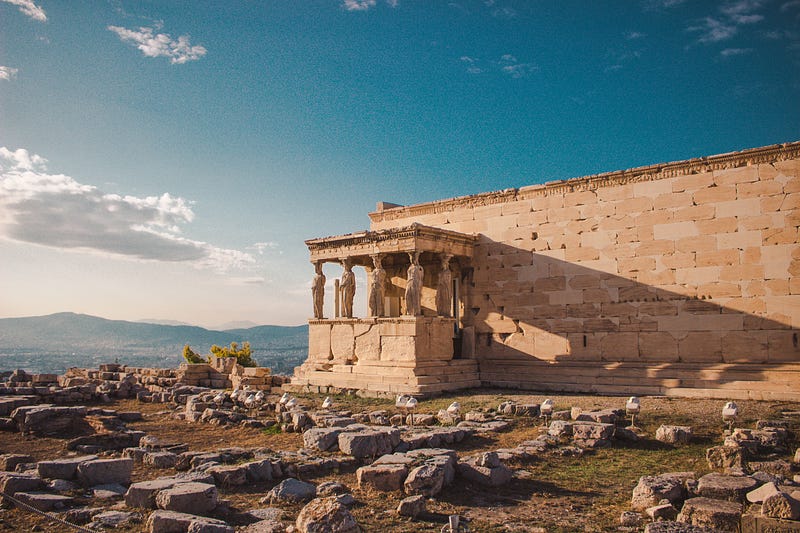
Take a trip back to wondrously strange times with these popular history books. From ancient Rome to the founding of America, the more you learn, the more you realize why things are in such a mess these days. After all, history might not repeat itself, but it does rhyme.
So you might as well learn what to expect!
The Best History Books to Read in 2023
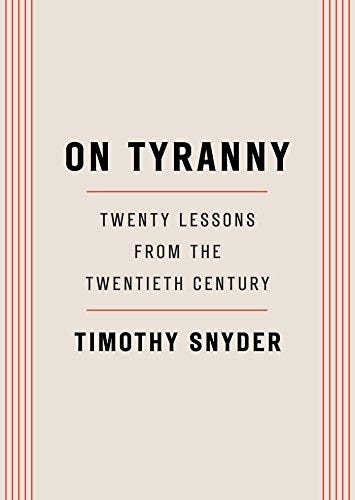
#1. On Tyranny: Twenty Lessons from the Twentieth Century
Summary:
In On Tyranny: Twenty Lessons from the Twentieth Century, Timothy Snyder offers an urgent wake-up call, urging readers to recognize the threats to democracy that echo troubling patterns from the past.
With compelling lessons drawn from the political horrors of the 20th century, Snyder gives you a toolkit for intellectual resistance. From learning how to discern dangerous rhetoric to the importance of maintaining institutions, this brief yet dense book functions as both a history lesson and a guide to preserving freedom.
Where to read it?
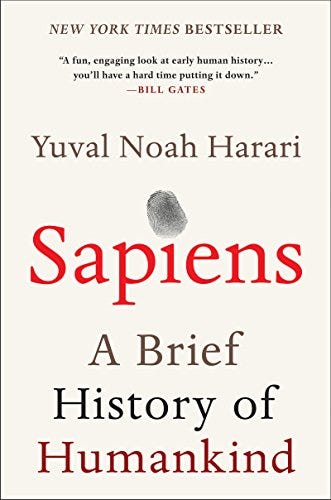
#2. Sapiens: A Brief History of Humankind
Summary:
Sapiens: A Brief History of Humankind by Yuval Noah Harari is a sweeping narrative that condenses hundreds of thousands of years into a single volume, offering insights into how Homo sapiens rose to dominate the Earth.
Unlike traditional history books confined to either a historical or biological lens, “Sapiens” ambitiously marries the two. Harari takes you on a whirlwind tour, from the dawn of modern cognition roughly 70,000 years ago to the geopolitical and ethical questions looming in our immediate future. This book pulls no punches in questioning accepted narratives, from our role in the ecosystem to the often arbitrary foundations of empires and cultures.
Where to read it?
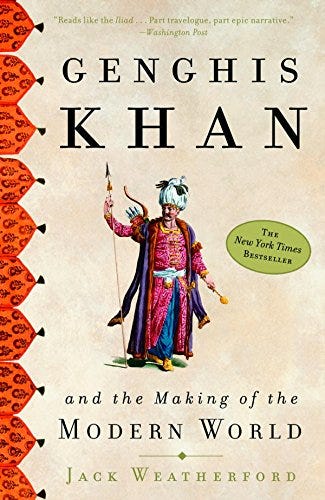
#3. Genghis Khan: The Making Of The Modern World
Summary:
Jack Weatherford’s Genghis Khan: The Making Of The Modern World flips the script on everything you thought you knew about the Mongol Empire. Far from being mere marauders, the Mongols, under Genghis Khan’s leadership, were agents of astonishing cultural exchange, economic expansion, and social reformation.
In just twenty-five years, they accomplished what took the Romans four centuries, not only in conquest but in laying the foundations of the modern world. Weatherford reveals a Genghis Khan who is both a military genius and a surprisingly progressive ruler — abolishing torture, championing religious freedom, and disrupting feudal systems.
The narrative unfolds like an epic, tracing Khan’s rise within tribal culture to the dramatic explosion of civilization that marked his empire’s footprint.
Where to read it?
#4. Man’s Search for Meaning
Summary:
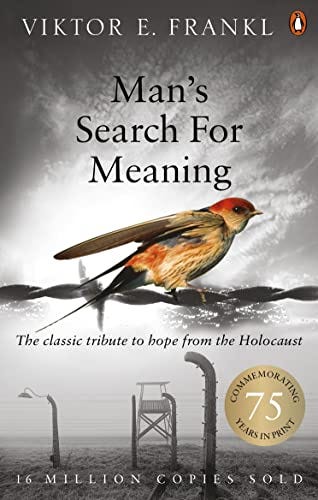
Man’s Search for Meaning by Viktor E. Frankl is not merely a book; it’s a lifeline for anyone wrestling with existential despair. Originating from the depths of Auschwitz and other Nazi concentration camps, this work is Frankl’s testament to human resilience.
More than just a Holocaust memoir, the book also introduces his theory of logotherapy, which posits that the primary human drive is to find meaning in life, even — or especially — in the face of unimaginable suffering.
While detailing the horrors he faced, Frankl emphasizes the choices available to every individual to find purpose and meaning in any circumstance. Today, his insights offer a much-needed pathway for those seeking direction or grappling with the existential questions that punctuate human existence.
Where to read it?
#5. The Hiding Place
by Corrie Ten Boom, Elizabeth Sherrill, John Sherrill
Summary:
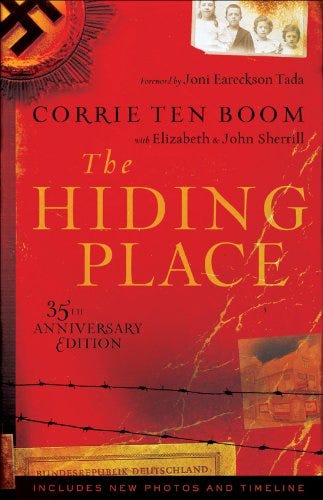
In The Hiding Place, Corrie ten Boom, along with co-authors Elizabeth and John Sherrill, narrates a breathtaking tale of resilience, faith, and heroism against the backdrop of World War II. Corrie, a Dutch watchmaker, transforms into a heroine of the Resistance, eventually surviving one of Hitler’s most infamous concentration camps.
While the book meticulously recounts the Ten Boom family’s audacious acts — risking their lives to save Jews and underground workers — it’s also a profound spiritual journey. For over three decades, this account has served as a beacon, proving that even in the darkest pits of human experience, God’s love can still reach us.
Where to read it?
#6. 1776
Summary:
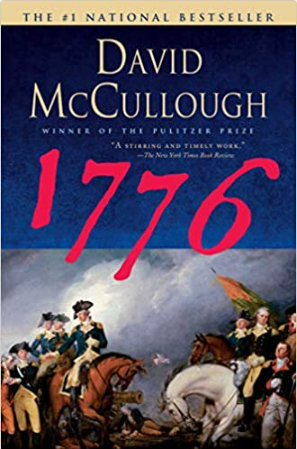
1776 by David McCullough is a vivid retelling of the seminal year that saw a fledgling nation stand against a global empire. Through meticulous research and compelling storytelling, McCullough brings to life the tapestry of characters that shaped the American Revolution.
From humble farmers to schoolteachers, from the overlooked men in the ranks to the British commander William Howe, the narrative restores the human element to a chapter of history often confined to dates and battle names. It’s not just a recounting of events, but a drama that explores the valor, folly, and determination on both sides of the conflict.
Where to read it?
#7. The Righteous Mind
Summary:
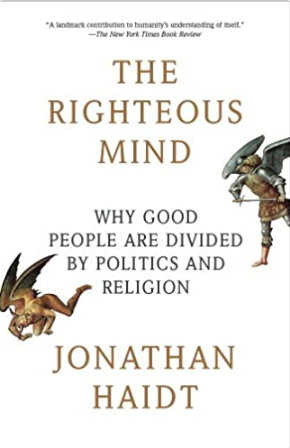
The Righteous Mind by social psychologist Jonathan Haidt is a groundbreaking exploration into the intricacies of moral psychology. Disrupting the popular belief that moral judgments are driven by reason, Haidt posits that they actually stem from gut feelings.
This provocative insight forms the cornerstone for understanding the deep divides in our political and ethical landscapes. Haidt dissects the moral intuitions of liberals, conservatives, and libertarians, arguing that each has a point, each is “right” in terms of its core concerns.
The book is more than just a lens through which to understand the polarization in modern society; it’s also a guide to human cooperation, illustrating how shared morality can both unite us and tear us apart.
Where to read it?
#8. Meditations: A New Translation
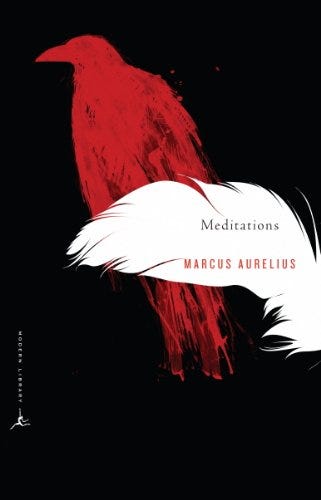
Summary:
Meditations: A New Translation brings forth the timeless wisdom of Marcus Aurelius, a Roman emperor who was also a philosopher at heart. This collection of spiritual exercises offers a kaleidoscope of wisdom, touching on topics from leadership and ethics to human behavior and inner peace.
Aurelius’ musings aren’t just ancient words locked in a bygone era; they are strikingly relevant, particularly for those struggling to balance positions of power with personal integrity and spiritual tranquility.
His thoughts have been deemed essential reading for both philosophers and statesmen, yet their relatable tone makes them accessible for any reader who is navigating the complexities of life.
Where to read it?
#9. Mythology: Timeless Tales of Gods and Heroes
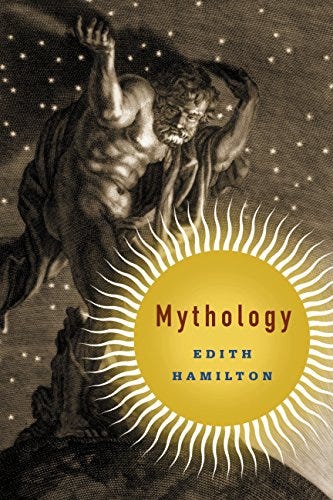
Summary:
Mythology: Timeless Tales of Gods and Heroes by Edith Hamilton is an enthralling compilation of the myths and legends that form the bedrock of Western culture. Forget dusty, academic treatises — Hamilton revives Greek, Roman, and Norse myths with a vivacity that makes them resonate with the modern reader. Journey through the trials of the Trojan War, sail with Odysseus, and follow the exploits of Jason, Cupid, Psyche, and King Midas.
What’s more, you’ll start seeing how these ancient tales have seeped into our collective cultural fabric, influencing everything from Freudian theory to modern literature and art.
Though the book serves as an indispensable reference text, its true power lies in its readability, making the monumental tales of gods and heroes accessible to all.
Where to read it?
#10. SPQR: A History of Ancient Rome
by Mary Beard
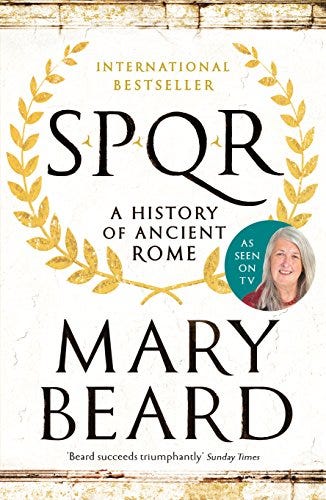
Summary:
SPQR: A History of Ancient Rome by Mary Beard dives deep into the complexities and contradictions of an empire that has indelibly marked Western history. This is no sanitized version of Rome; it confronts the empire’s harsh realities — conquest, cruelty, and excess — while also illuminating its contributions to modern debates on citizenship and civil liberties.
Beard dissects historical events, from the mythical foundation by Romulus and Remus to the societal implications of the Rape of Lucretia, delivering a panoramic view of Roman history that feels utterly relevant today. At once intellectually rigorous and engaging, SPQR offers a nuanced understanding of a civilization that continues to be a mirror against which we reflect our own virtues and vices.
Where to read it?
#11. Everything You Need to Ace World History in One Big Fat Notebook
by Workman Publishing, Michael Lindblad, Ximena Vengoechea
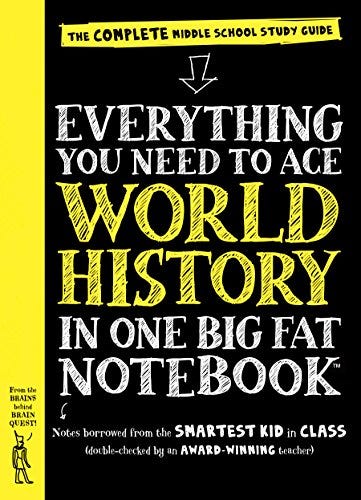
Summary:
Everything You Need to Ace World History in One Big Fat Notebook is the equivalent of having the world’s history curriculum compacted into an ultra-readable, highly engaging format. Designed by Workman Publishing and written by Michael Lindblad and Ximena Vengoechea, this book embarks on an epic time-travel journey starting from the Paleolithic Era, stretching across ancient civilizations, darting through the Middle Ages, sweeping into the Renaissance, and plunging into modernity.
Covering a vast array of revolutions, movements, and the colonial era, it’s a whirlwind tour that offers the key facts, figures, and narratives that have shaped our world. If you’ve ever felt overwhelmed by the sheer scale of human history, this book serves as your time machine and your guide, simplifying complex events without sacrificing depth.
Where to read it?
#12. A Short History of Nearly Everything
by Bill Bryson
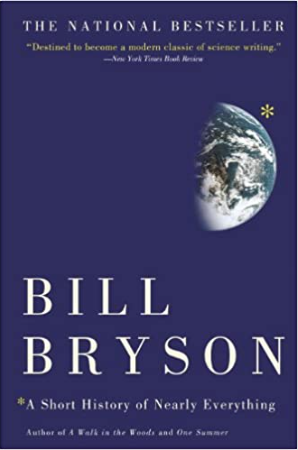
A Short History of Nearly Everything by Bill Bryson is a gripping sojourn into the realms of human knowledge, taking readers from the enigma of the Big Bang to the emergence of civilization. Imagine strapping into a roller coaster navigated by a host of the world’s most brilliant — and often quirky — minds in archaeology, anthropology, and mathematics.
That’s what Bryson does as he visits these experts in their natural habitats, from dusty field camps to high-tech labs, peppering them with questions and serving as the layman’s apprentice.
The book is as much about the eccentric characters behind science as it is about science itself, all presented in Bryson’s signature style: clear, engaging, and often uproariously funny. This isn’t just a history book or a science book; it’s a grand tour of human curiosity and ingenuity.
Where to read it? Print · eBook · Audiobook
#13. Cuba: An American History
by Ada Ferrer
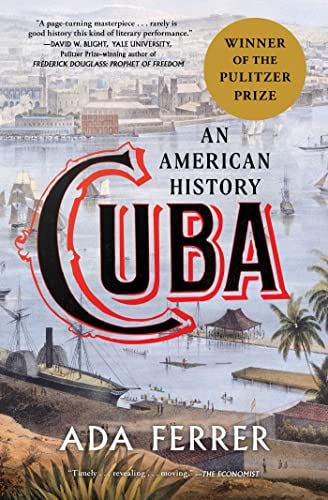
Cuba: An American History by Ada Ferrer is a meticulously woven tapestry that delves into over five centuries of Cuban history, providing not just a scholarly analysis but also a vibrant, living narrative.
Ferrer serves as a consummate guide, leading us through a labyrinth of conquest and colonization, slavery and freedom, as well as independence and thwarted revolutions. It’s a book that transcends conventional historiography, effectively providing a front-row seat to the tumultuous and often paradoxical evolution of this enigmatic nation.
From the colonial machinations of European powers to the island’s complicated relationship with the United States, Ferrer captures the nuances that make Cuba’s story uniquely compelling.
Where to read it? Print · eBook · Audiobook
#14. The Rise and Fall of the Third Reich: A History of Nazi Germany
Summary:
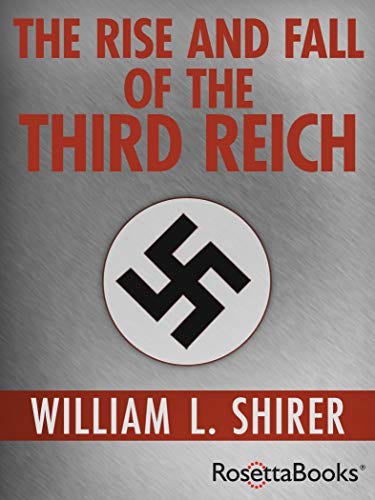
The Rise and Fall of the Third Reich: A History of Nazi Germany by William L. Shirer isn’t just a historical account; it’s a monumental deep-dive into one of the darkest chapters of human civilization.
Drawing from an unparalleled trove of Nazi documents, private letters, army orders, and transcripts saved from destruction after World War II, Shirer constructs an hour-by-hour, almost cinematic narrative of Adolf Hitler’s nightmarish empire. This isn’t a mere listing of dates and events; it is an intensely detailed chronicle that reads like a political thriller and a cautionary tale wrapped into one.
Shirer’s masterful storytelling, enriched by first-hand accounts and testimonies, provides a startling glimpse into the machinery behind Hitler’s maniacal quest for global domination.
Where to read it? Print · eBook · Audiobook
#15. Iron Empires: Robber Barons, Railroads, and the Making of Modern America
Summary:
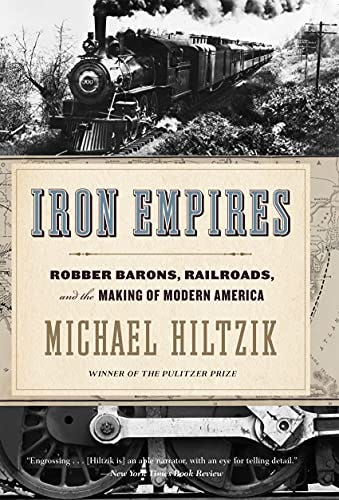
Iron Empires: Robber Barons, Railroads, and the Making of Modern America by Michael Hiltzik takes readers on a breathtaking ride along the steel tracks that helped shape the American landscape, both literally and metaphorically.
The book opens in 1869 with the driving of the final spike into the transcontinental railroad, a seminal moment that set off ripples across the nation’s socio-economic landscape. Hiltzik brilliantly captures the titanic struggles and cutthroat competitions among the country’s earliest tycoons — think Vanderbilt, Gould, Morgan, and Harriman — as they laid down rails, manipulated markets, and forever altered the American Dream.
Far more than a history of trains, this is a story of ambition and power, capturing the fervor and fallout of an era marked by stock market frenzies, labor strikes, and a reshaping of the nation’s geography. Just as these iron empires collided and coalesced, you’ll witness how they forever changed the balance of power between business and government.
Where to read it? Print · eBook · Audiobook
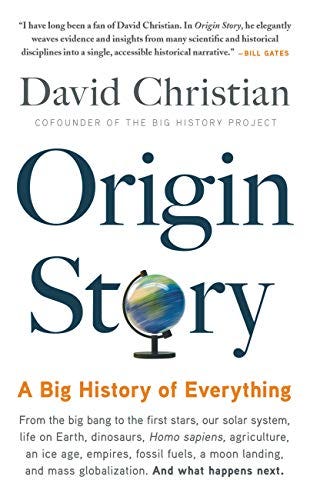
#16. Origin Story: A Big History of Everything
Summary:
Origin Story: A Big History of Everything by David Christian is an audacious attempt to zoom out and view history as a continuous, unified narrative, spanning from the Big Bang to the complexities of contemporary life.
Forget the parochial view of history as a collection of isolated events and dates; Christian proposes a “Big History” that threads seemingly disparate happenings into a single tapestry of existence.
He highlights defining events or “thresholds,” major trends, and tackles questions that provoke existential wonderment. Whether it’s the cooling of the planet billions of years ago or the rise and potential fall of nuclear powers, Christian draws lines between them that you never knew existed.
His quest isn’t just about recontextualizing the past, but it’s also a guide to understanding our present circumstances and perhaps even predicting our future.
Where to read it? Print · eBook · Audiobook
For more of my thoughtsays, deep dives, and useful lists, come check out Pryor Thoughts. You can also join Medium and get access to millions of stories for one low price every month.
This article contains some affiliate links. That means I may get a small commission if you buy something, but the price is no different for you.


