
The Best Leadership Books to Read in 2023: Recommended Reading List

John F. Kennedy once said that “leadership and learning are indispensable to each other.” He couldn’t have been more right if he tried.
I’ve managed people before. I’ve also worked for dozens of different bosses in over a dozen companies. I’ve been under the direct charge of CEOs, CMOs, CTOs, and perhaps even C3POs.
Given enough time, I could always tell which one was a true leader, and not just a boss trying to rule by authority.
The difference? Their hobbies.
Were they a reader? Did they watch documentaries? Did they keep focusing on a degree or two they attained and never had the inclination to learn more at any point after?
The following list of life-changing leadership books won’t make you a great leader. But they can help you become one the minute you open their front cover. Why?
Because great leaders learn, and choosing to learn about leadership from other great leaders shows you’re already on your way.
Best Leadership Books to Read in 2023
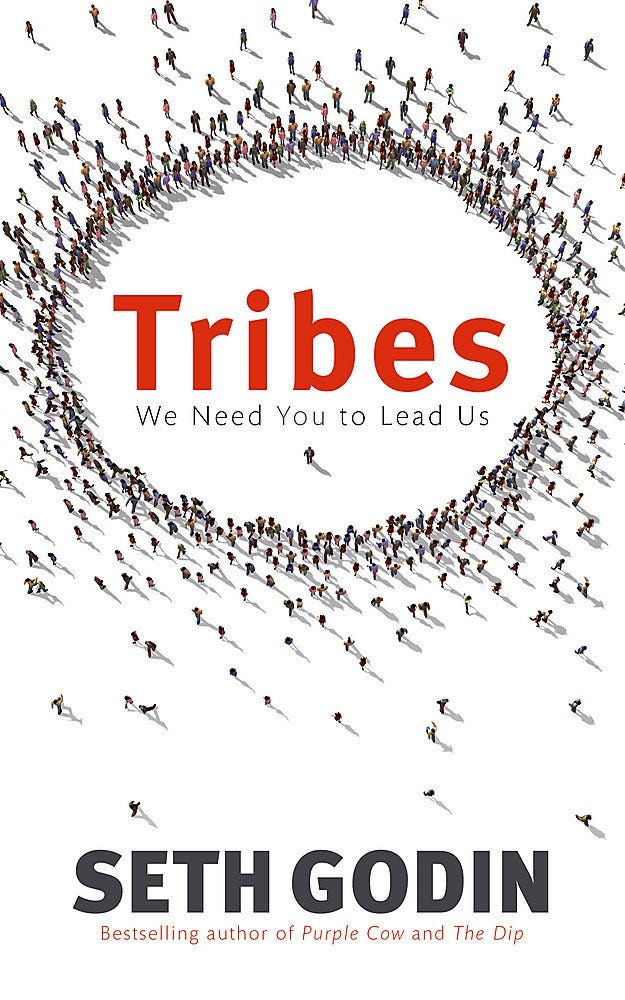
#1. Tribes: We Need You to Lead Us
by Seth Godin
Book Summary:
In Tribes: We Need You to Lead Us, Seth Godin argues that the digital age has democratized leadership opportunities. No longer constrained by geography or resources, tribes — groups bonded by shared ideas, leaders, and passions — are forming online at an unprecedented scale. The pressing question then becomes, who will step up to lead these tribes?
Godin suggests that leadership in the modern world isn’t just for the elite but an open call for individuals who are passionate about something — anything — to guide their tribe toward making a difference.
The book delves into the essence of what makes a leader and how the internet has become a powerful tool for rallying people around a cause. Yet, despite the technology, the core principles of leadership remain unchanged. Will you answer the call to lead, and if so, what tribe will you build or serve?
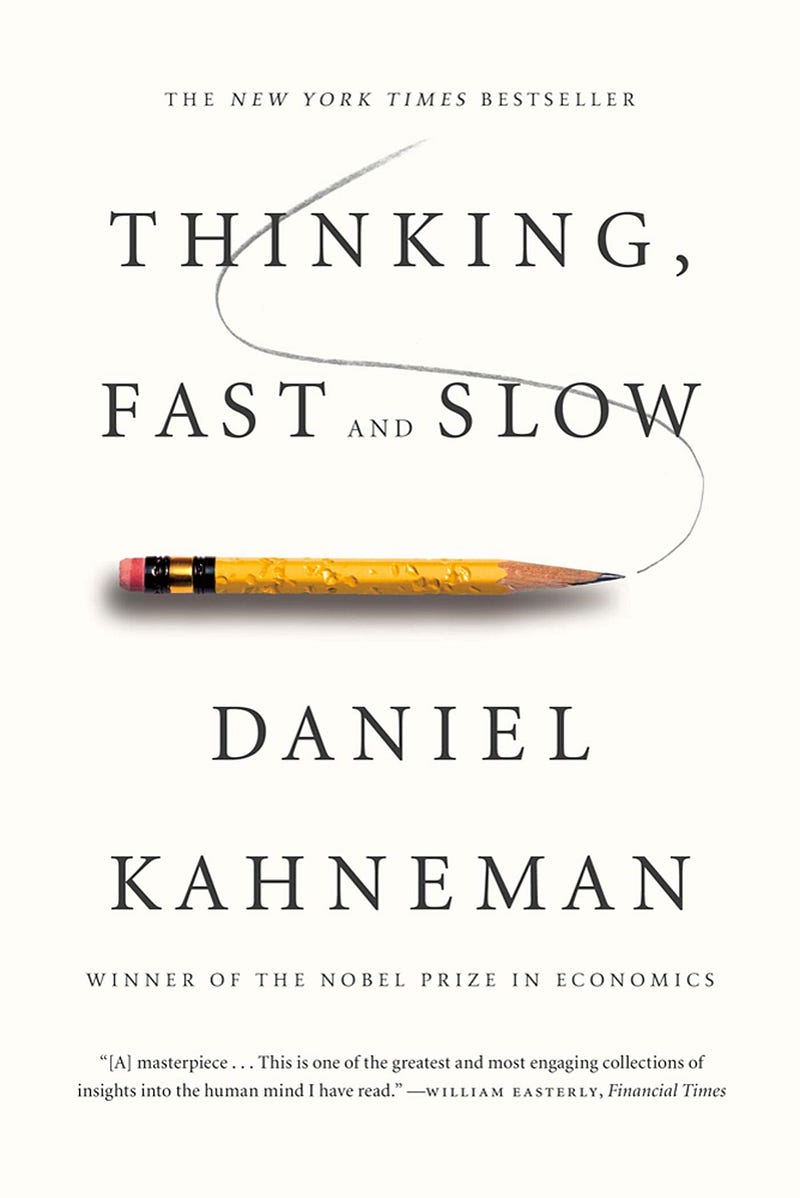
#2. Thinking, Fast and Slow
by Daniel Kahneman
Book Summary:
Thinking, Fast and Slow by Daniel Kahneman is an intellectual odyssey into the dual systems that govern human thought: the quick and intuitive System 1 and the deliberate and logical System 2. Kahneman explores how these cognitive systems influence our decisions in various aspects of life, from corporate strategies to personal happiness.
While we can’t always trust our gut, we can learn to harness the benefits of slower, more analytical thinking.
With profound insights into the intricacies of decision-making, Kahneman’s work not only lays bare our cognitive biases but also offers practical advice for avoiding them. As you turn the pages, you’ll find yourself questioning your own thought processes and considering how your decisions, big and small, affect your leadership capabilities.
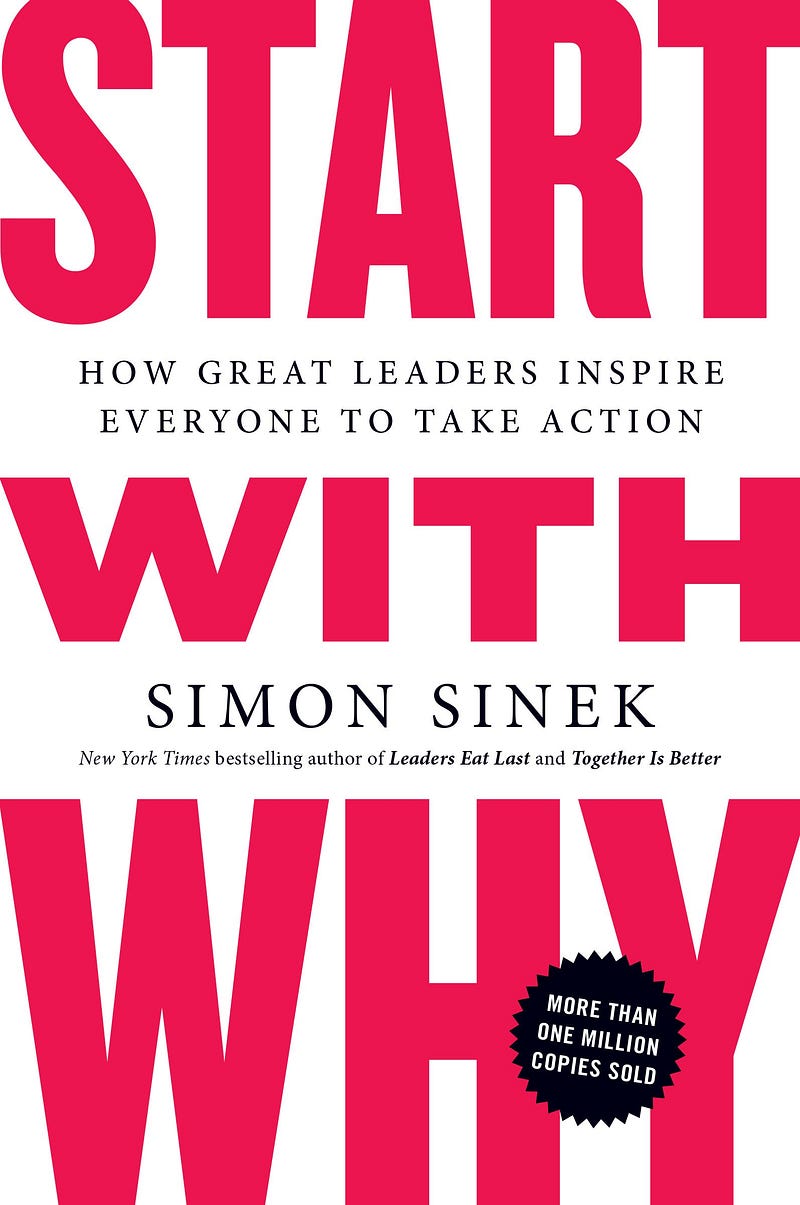
#3. Start with Why: How Great Leaders Inspire Everyone to Take Action
by Simon Sinek
Book Summary:
In Start with Why: How Great Leaders Inspire Everyone to Take Action, Simon Sinek introduces the concept of “The Golden Circle,” a framework that places “Why” at its center, followed by “How” and “What.” According to Sinek, the most influential leaders — from Martin Luther King Jr. to Steve Jobs — always started with their “Why,” the deep-rooted purpose, belief, or cause that inspires action.
The book aims to help leaders at all levels identify their own “Why” and to use it as the foundation for all other decisions and communications.
The concept is simple yet transformative: people don’t buy what you do; they buy why you do it. In a world saturated with what and how, understanding your “Why” can make all the difference in your capacity to inspire and lead.
#4. Dare to Lead: Brave Work. Tough Conversations. Whole Hearts.
by Brené Brown
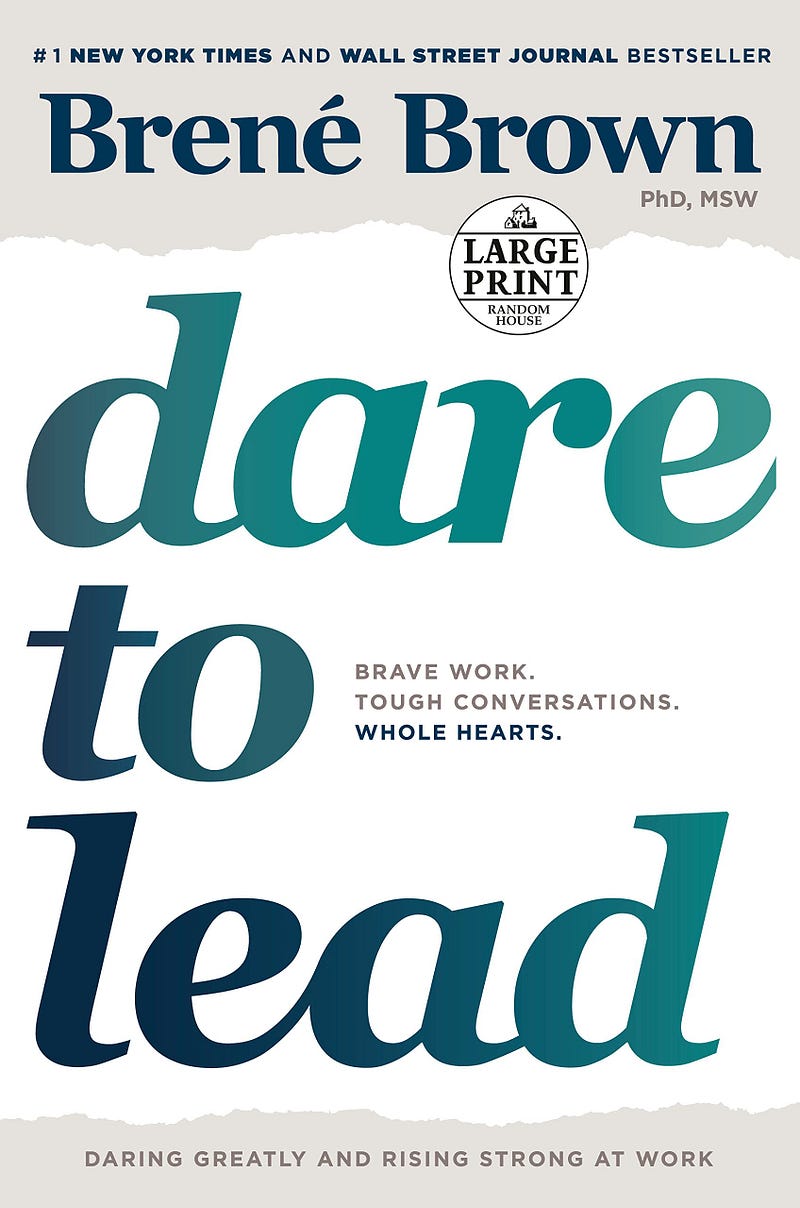
In Dare to Lead: Brave Work. Tough Conversations. Whole Hearts., Brené Brown challenges conventional notions of leadership. Forget about titles and status; true leadership lies in the ability to recognize potential in people and ideas, and to nurture it courageously. Brown delves into the attributes that make a daring leader: the capacity for empathy, the skill to connect, and most of all, the courage to be vulnerable.
While technology continues to advance, Brown argues that what makes us truly irreplaceable as leaders are our deeply human traits. She poses an enticing question: in a world increasingly defined by artificial intelligence, what does it mean to lead with a whole heart?
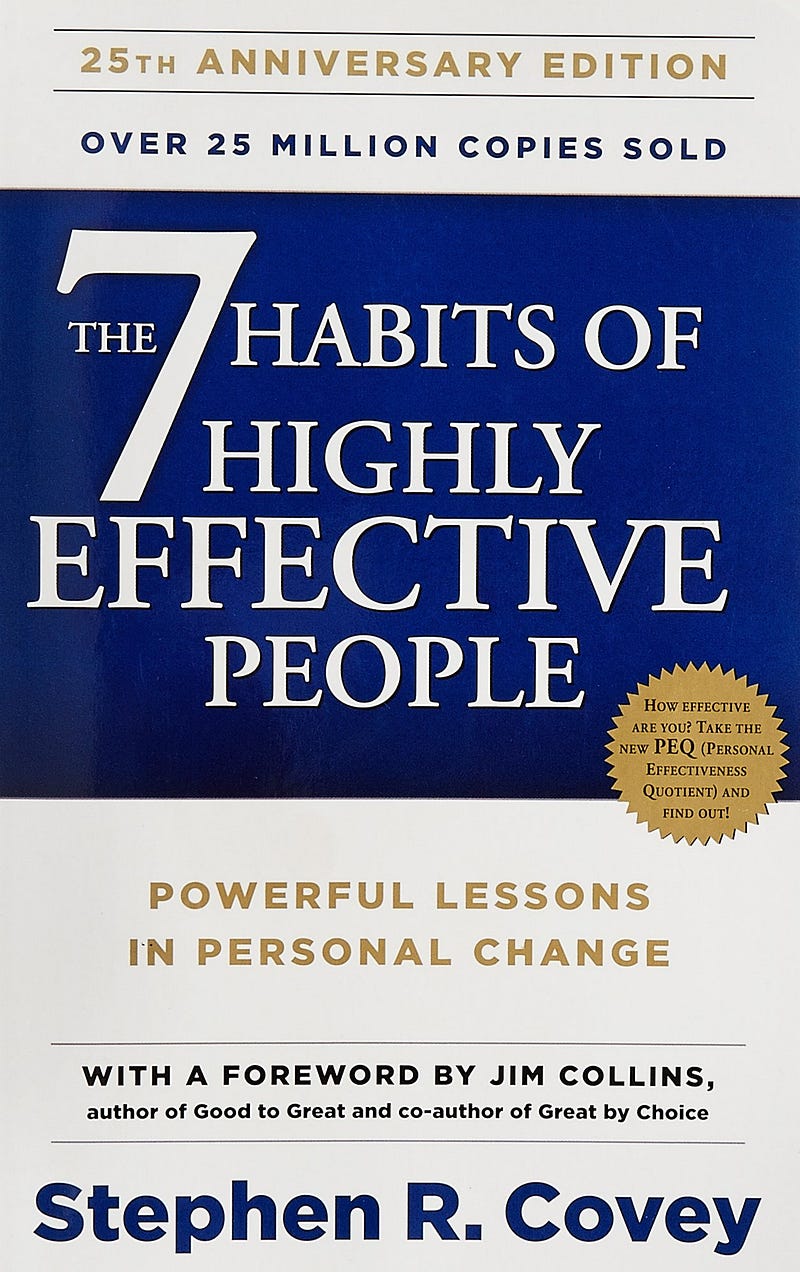
#5. The 7 Habits of Highly Effective People: Powerful Lessons in Personal Change
by Stephen R. Covey
Book Summary:
Stephen R. Covey’s seminal work, The 7 Habits of Highly Effective People: Powerful Lessons in Personal Change, is more than a self-help book — it’s a playbook for personal and professional transformation. The “7 Habits” serve as foundational principles for effective living and leadership, tested over three decades and endorsed by millions.
By adopting these habits, Covey promises not just effectiveness but a radical paradigm shift that will alter the way you perceive and interact with the world. The allure lies not in quick fixes but in adopting lifelong practices that serve both the individual leader and their community.
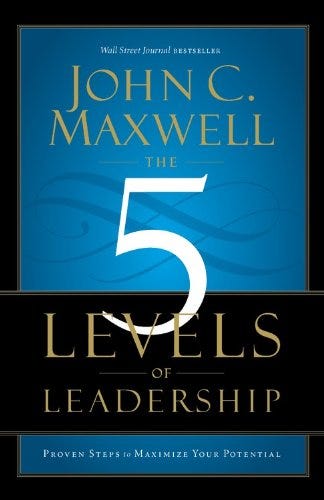
#6. 5 Levels of Leadership: Proven Steps to Maximize Your Potential
by John C. Maxwell
Book Summary:
John C. Maxwell’s 5 Levels of Leadership: Proven Steps to Maximize Your Potential breaks down leadership into a progressive journey. Maxwell outlines five specific levels that leaders ascend through, from being just a title-holder to becoming an enduring influence that transcends one’s immediate sphere and time.
The book offers a nuanced roadmap, insisting that leadership isn’t just about wielding power but about empowering others.
Intriguingly, Maxwell argues that reaching the pinnacle of leadership isn’t just a personal triumph but a win for everyone under your influence. The real challenge is: can you climb these levels without leaving behind what makes you authentically you?
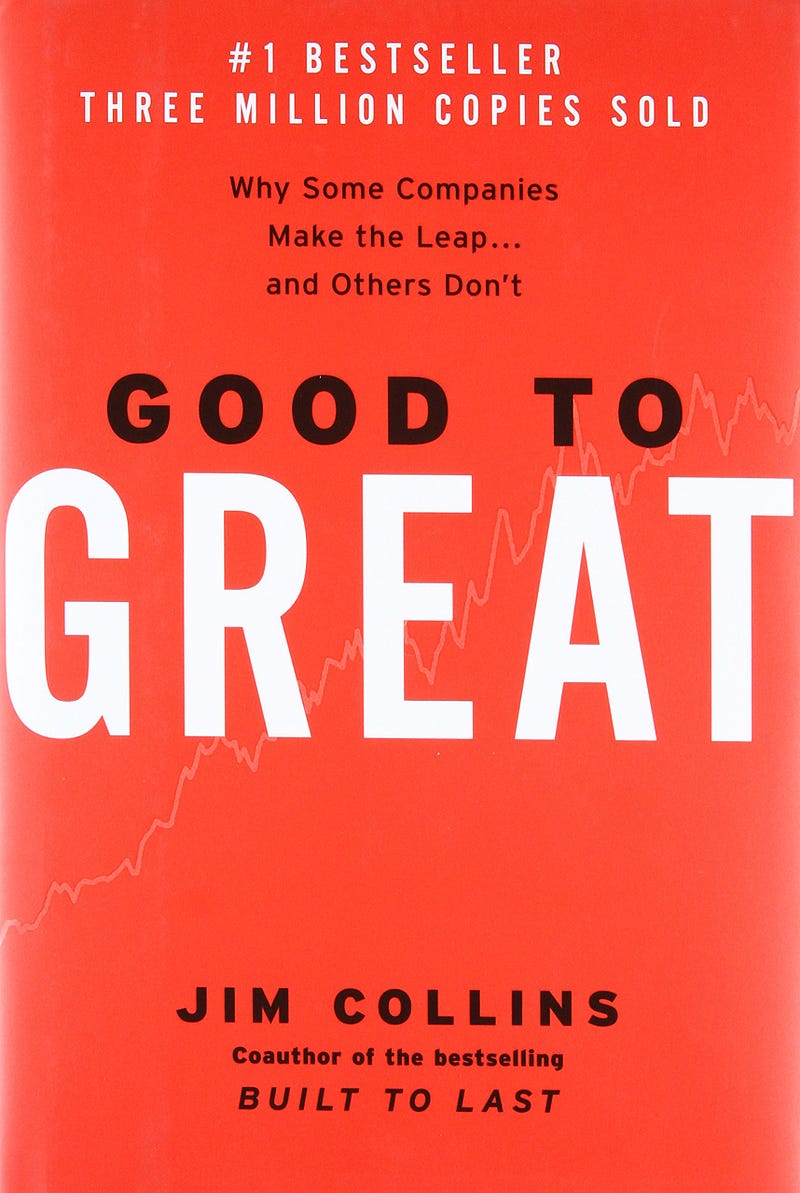
#7. Good to Great: Why Some Companies Make the Leap … and Others Don’t
by Jim Collins
Book Summary:
Good to Great: Why Some Companies Make the Leap… and Others Don’t by Jim Collins provides an in-depth analysis of companies that transcended mediocrity to achieve enduring greatness. Collins and his research team sifted through years of corporate histories, financial statements, and interviews to decipher what separates the great from the merely good.
The keys to greatness, according to Collins, are neither quick fixes nor flashy initiatives. Rather, they lie in disciplined choices and practices adopted over time. It’s not just about vaulting to greatness; it’s about sustaining it. The lingering question is: do you have what it takes to make the leap?
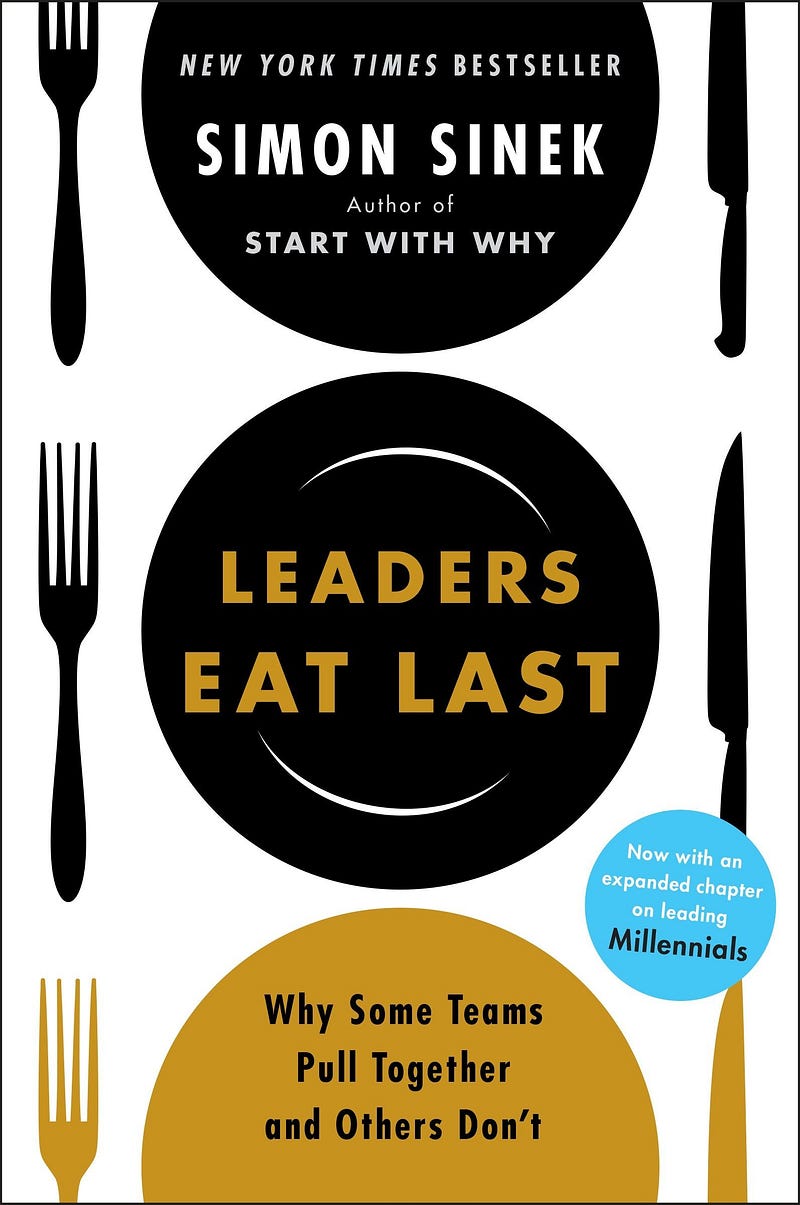
#8. Leaders Eat Last: Why Some Teams Pull Together and Others Don’t
by Simon Sinek
Book Summary:
In Leaders Eat Last: Why Some Teams Pull Together and Others Don’t, Simon Sinek delves into the psychology and behavior behind exceptional teams and their leaders. The notion of leaders eating last serves as more than a symbol; it captures the essence of a leadership philosophy that places team well-being above personal interests. Sinek illuminates how such a culture of trust and collaboration is not utopian but entirely achievable.
One is compelled to ask: would you be the leader who eats last, sacrificing comfort and even survival for the team?
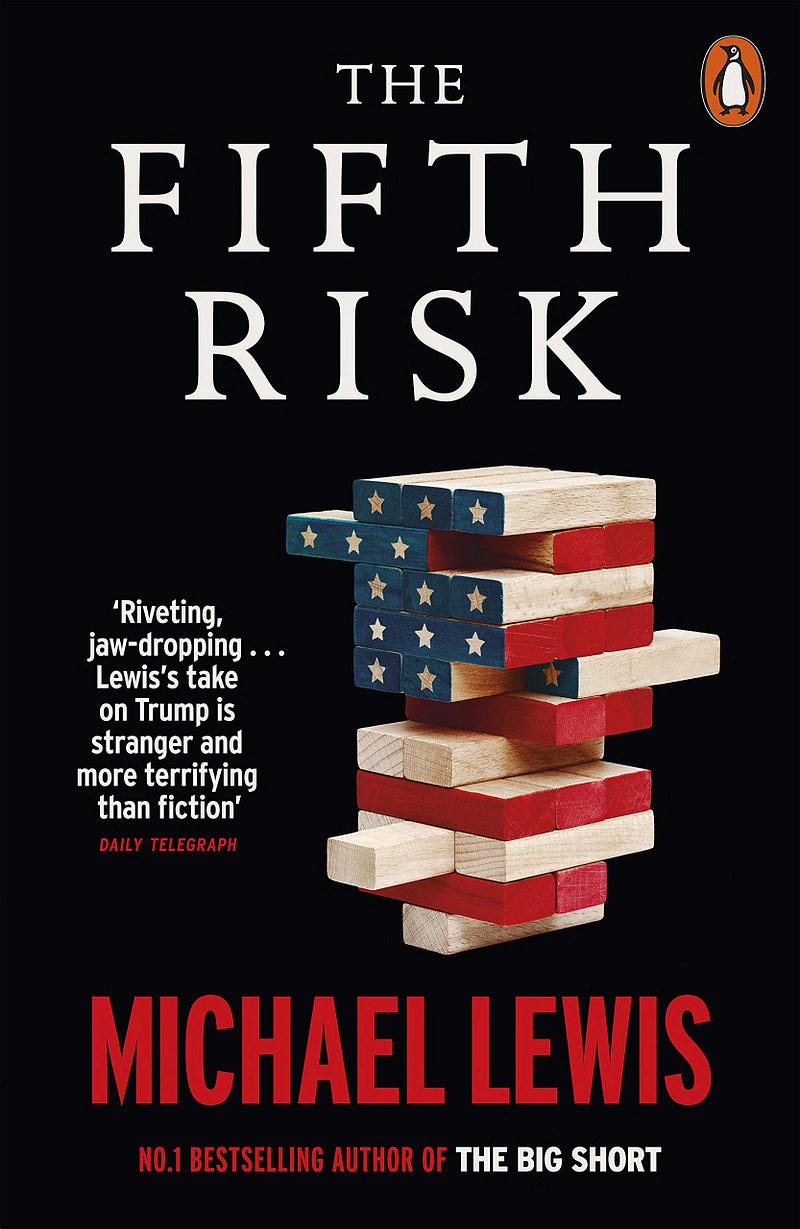
#9. The Fifth Risk: Undoing Democracy
by Michael Lewis
Book Summary:
The Fifth Risk: Undoing Democracy by Michael Lewis provides an unsettling tour through the underbelly of government, particularly how its foundational roles are often undermined by those in power. Lewis crafts a chilling narrative that shows how ignorance and greed put not just one nation, but the global community, at risk.
You’re left pondering: what’s the fifth risk, and why does it have the potential to undo democracies and shake the world at its core?
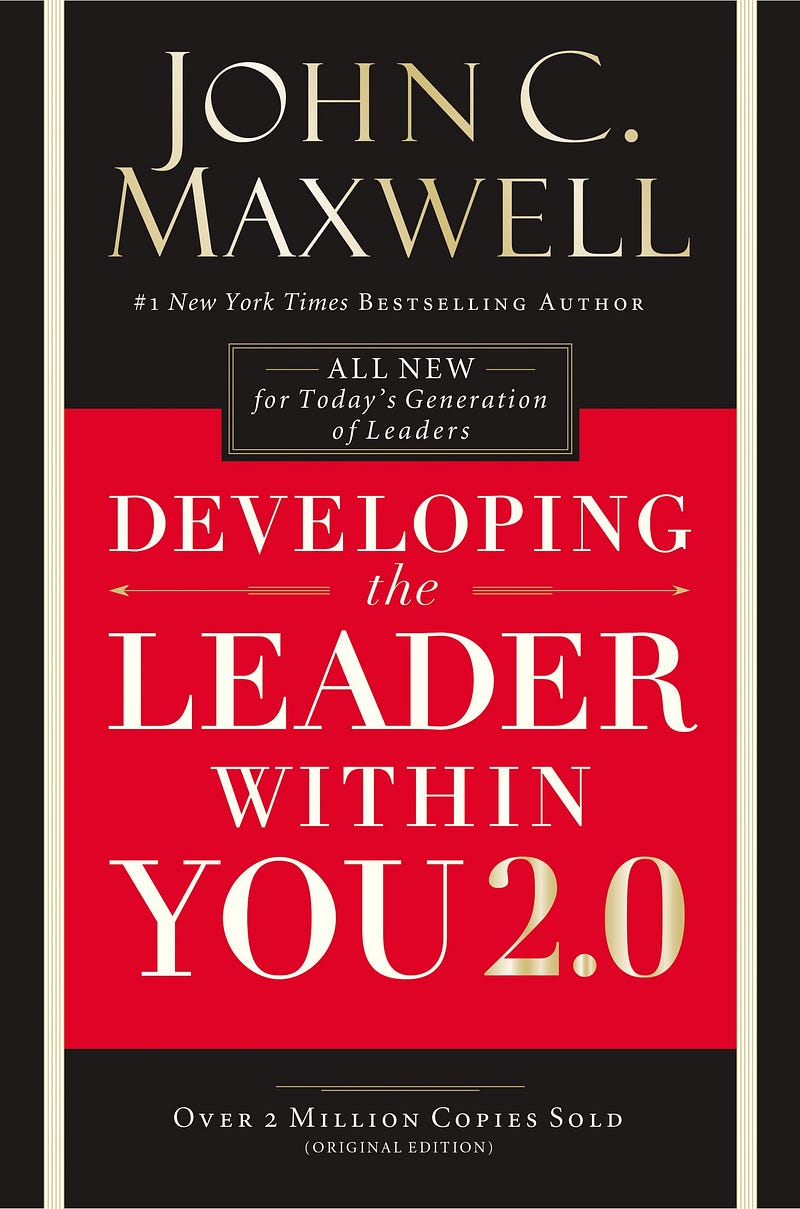
#10. Developing the Leader Within You 2.0
by John C. Maxwell
Book Summary:
John C. Maxwell’s Developing the Leader Within You 2.0 is a revised classic that has been shaping leaders for nearly three decades. The book transcends traditional corporate hierarchies, offering insights into leadership that are applicable whether you’re a CEO or a parent. Maxwell scrutinizes various leadership styles and offers principles to effectively motivate and influence people.
The book teases a transformative query: what kind of leader were you born to be, and what will it take to realize that innate potential?
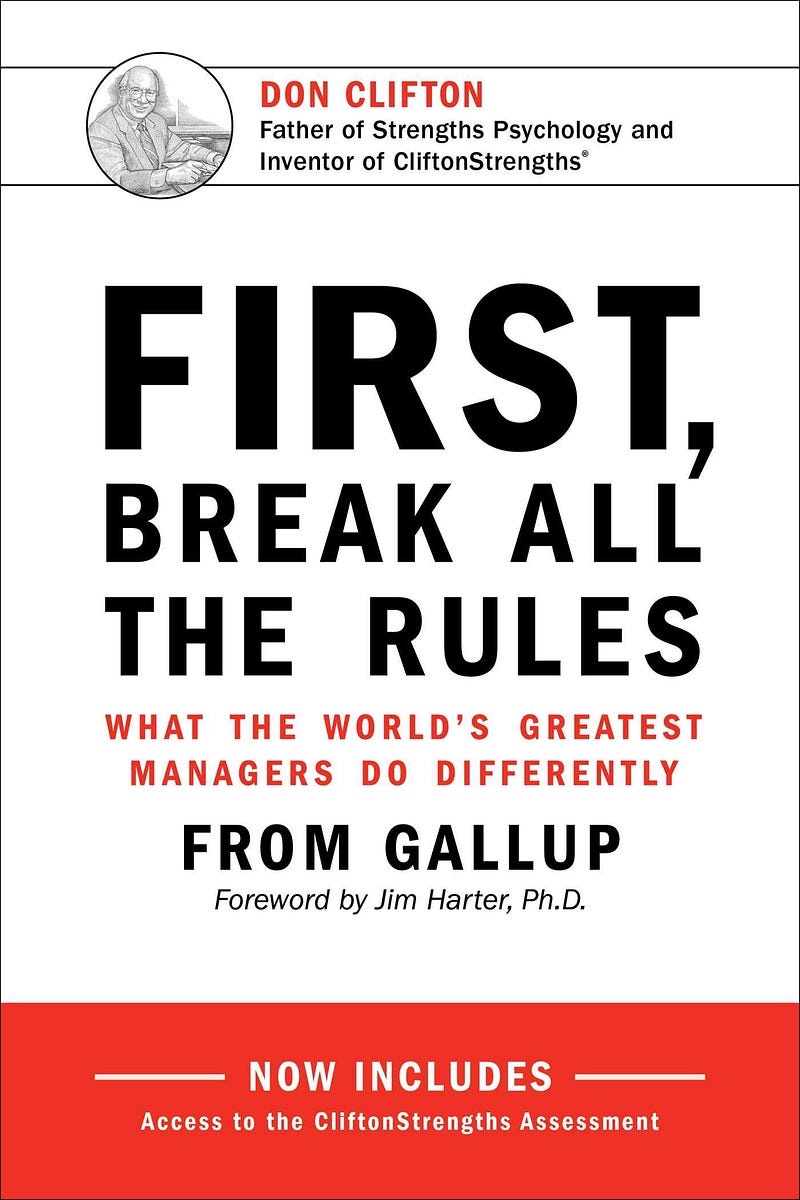
#11. First, Break All the Rules: What the World’s Greatest Managers Do Differently
by Marcus Buckingham
Book Summary:
First, Break All the Rules: What the World’s Greatest Managers Do Differently by Marcus Buckingham is grounded in Gallup’s extensive research on exceptional managers. From Fortune 500 executives to small business supervisors, it collates the practices of those who excel in extracting the best performances from their teams. These managers don’t just abide by conventional wisdom; they shatter it, employing unexpected tactics and strategies that are as effective as they are groundbreaking.
The question beckoning from its pages is tantalizing: what rules would you break to become a manager that transforms individual talents into collective success?
#12. Execution: The Discipline of Getting Things Done
by Larry Bossidy and Ram Charan
Book Summary:
In Execution: The Discipline of Getting Things Done, Larry Bossidy and Ram Charan combine their extensive experience in business leadership and advisory roles to focus on the often-overlooked skill of execution. They argue that even the best strategies can fail without a rigorous and disciplined approach to executing those plans.
One is left to consider: how many brilliant plans have you seen fall apart, and could the secret to preventing that downfall lie in this book?
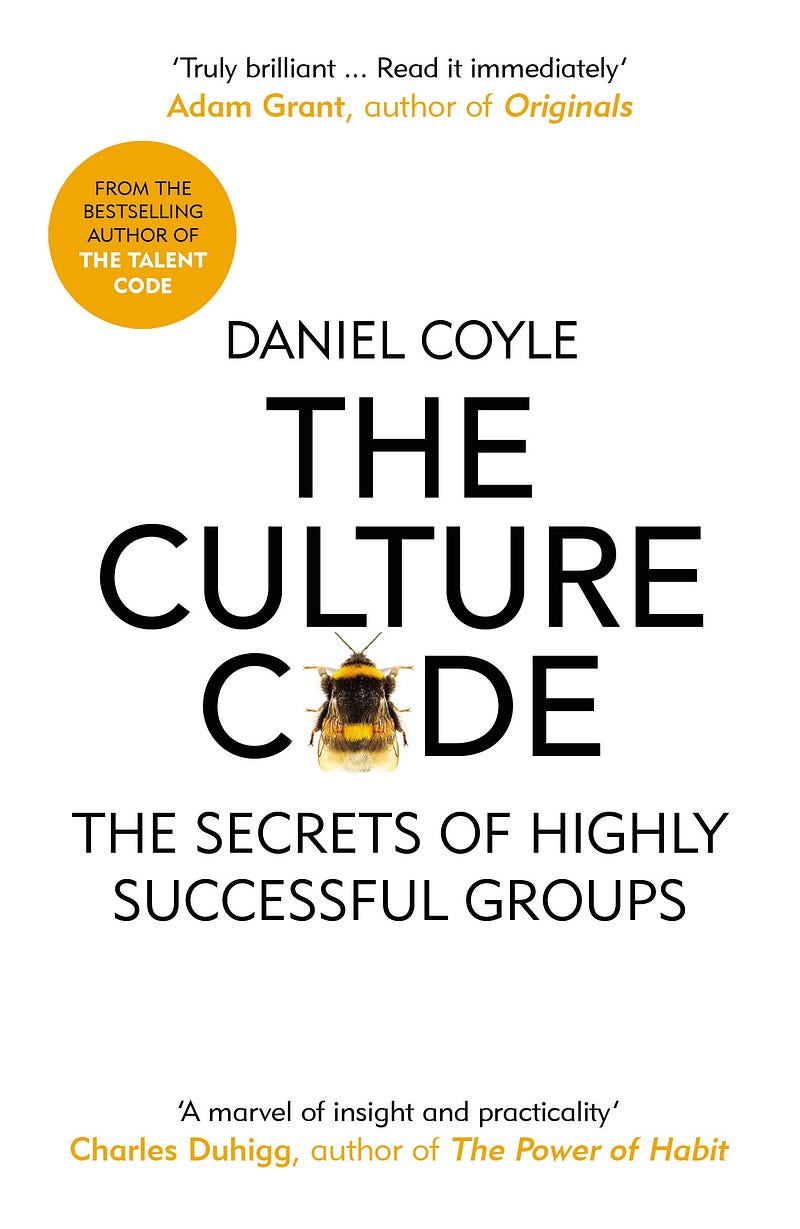
#13. The Culture Code: The Secrets of Highly Successful Groups
by Daniel Coyle, Will Damron, et al.
Book Summary:
The Culture Code: The Secrets of Highly Successful Groups by Daniel Coyle delves into the underlying principles that define successful groups, from Google and Pixar to the Navy SEALs. Coyle uncovers the trifecta of skills responsible for fostering a culture of collaboration and exceeding expectations.
Your curiosity might be piqued: could understanding these hidden codes be the key to creating a highly effective team?
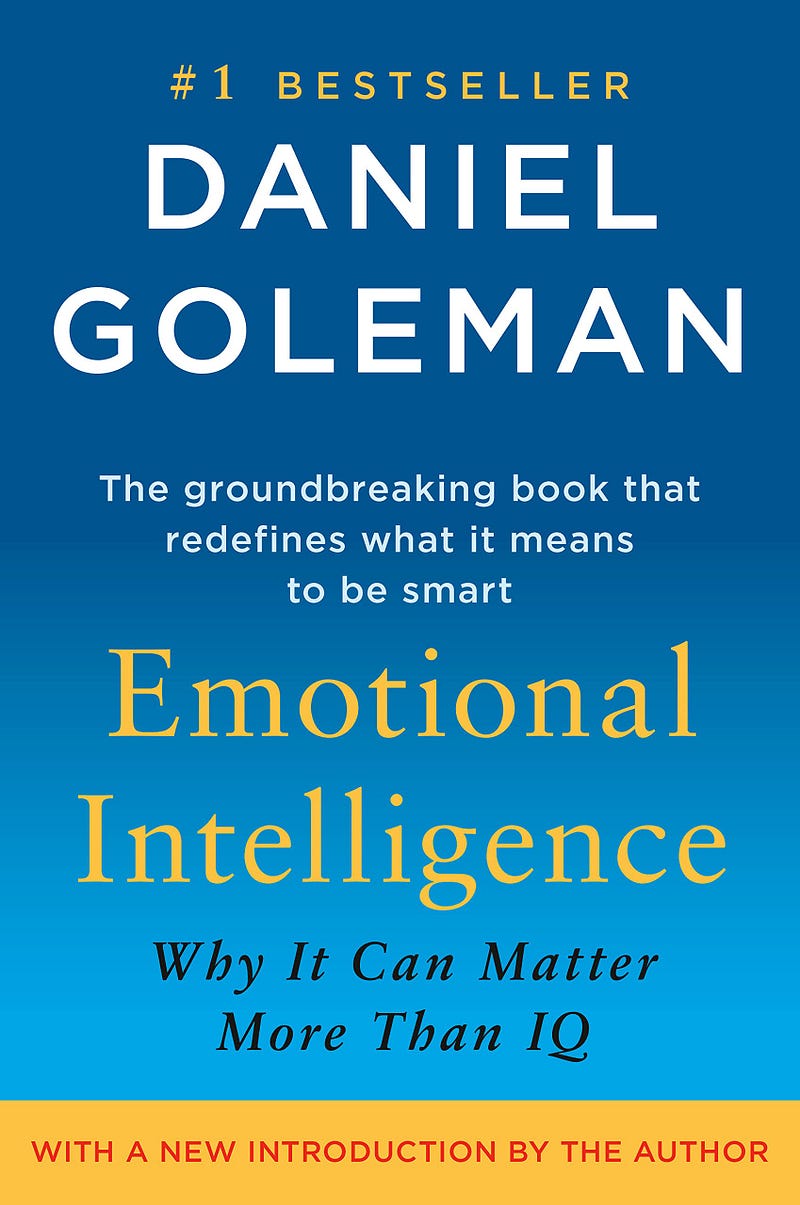
#14. Emotional Intelligence: Why It Can Matter More than IQ
by Daniel Goleman
Book Summary:
Daniel Goleman’s Emotional Intelligence: Why It Can Matter More than IQ shifts the paradigm about what defines ‘intelligence.’ Meticulously drawing from psychology and neuroscience, Goleman explains that emotional intelligence — comprising self-awareness, self-discipline, and empathy — can be as important, if not more so, than one’s IQ in determining life success.
You’ll be left contemplating: what part of your intelligence have you been neglecting, and what could you achieve if you fully tapped into your emotional smarts?
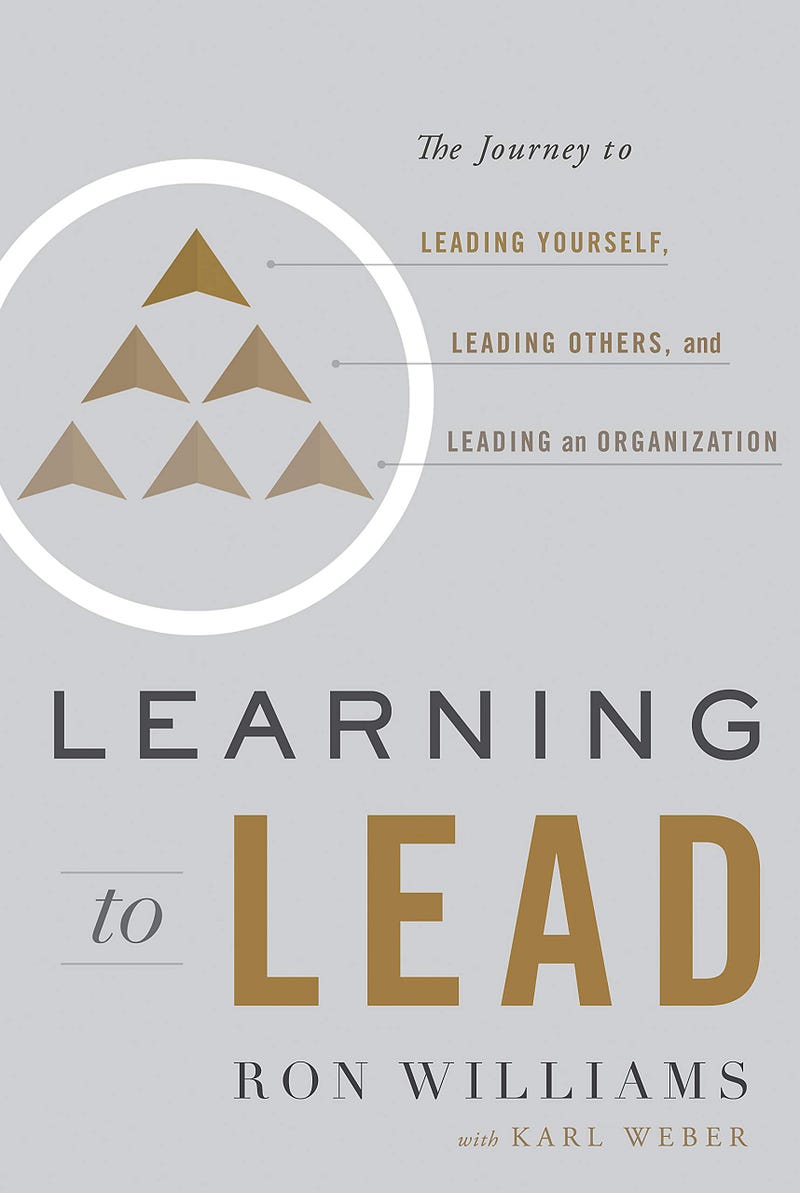
#15. Learning to Lead: The Journey to Leading Yourself, Leading Others, and Leading an Organization
by Ron Williams and Karl Weber
Book Summary:
In Learning to Lead: The Journey to Leading Yourself, Leading Others, and Leading an Organization, Ron Williams and Karl Weber present an all-encompassing roadmap to leadership, appealing to a wide range of readers. Drawing upon Williams’s experiences and those of America’s top CEOs, the book offers not just theoretical wisdom but actionable steps. It treats leadership as a triad: leading oneself, leading others, and leading an organization.
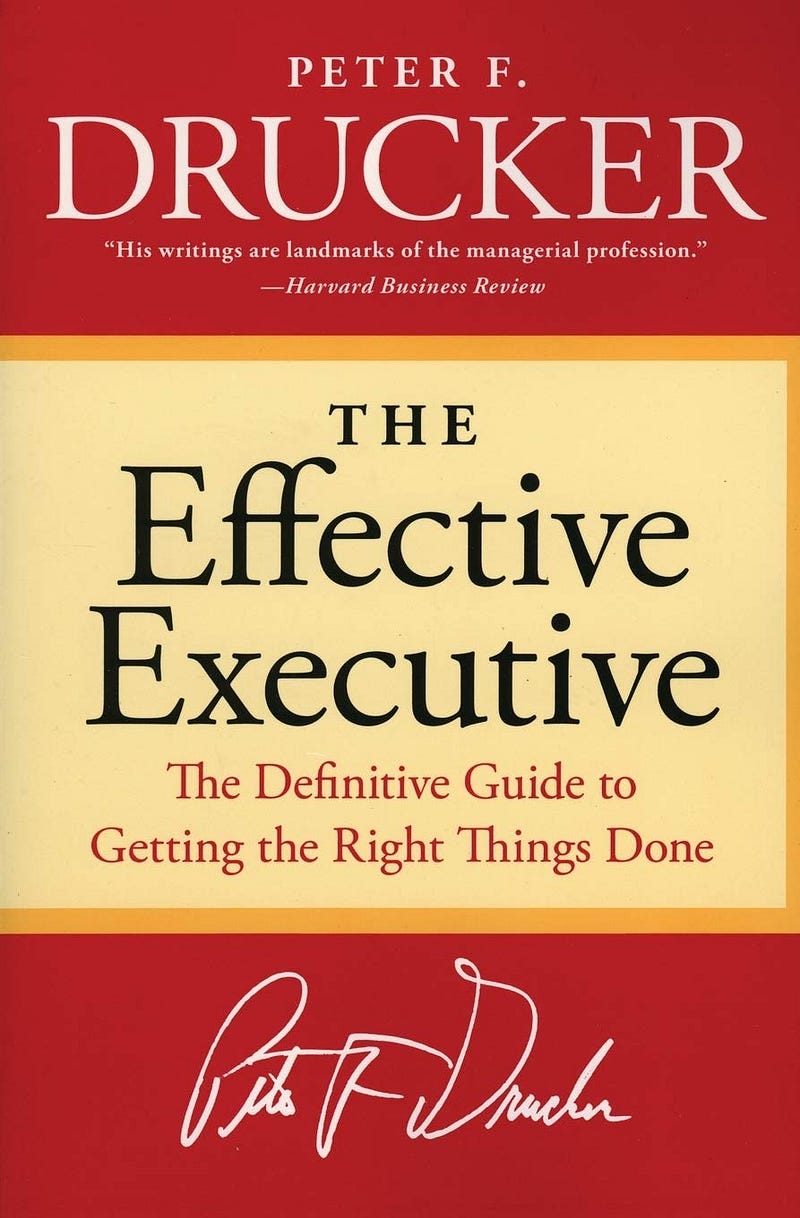
#16. The Effective Executive: The Definitive Guide to Getting the Right Things Done
by Peter Drucker
Book Summary:
The Effective Executive: The Definitive Guide to Getting the Right Things Done by Peter Drucker offers timeless wisdom on productivity in leadership roles. Drucker emphasizes the idea that effectiveness is not about doing more things, but about doing the right things.
The question then lingers: could the path to career success be not about working harder, but about working smarter, in ways you hadn’t considered before?
Related Reading
- 31 Best-Selling Books of All Time
- Banned Books You Should Definitely Read Because Screw Censorship
- Best Memoirs
- Best Psychology Books
- Best Autobiographies
- Best Biographies
- Best Philosophy Books
- Best History Books
- Best Art Books
- Best Science Books
Or, click here to see all book recommendations
For more of my thoughtsays, deep dives, and essays, come check out Pryor Thoughts. You can also join Medium through my referral link (no extra cost to you) and get access to millions of stories for one low price every month.
This article contains some affiliate links. That means I may get a small commission if you buy something, but the price is no different for you.


