
FUNDAMENTAL FINANCE
The Basics of Budgeting
How to spend your money on what you really, truly want.
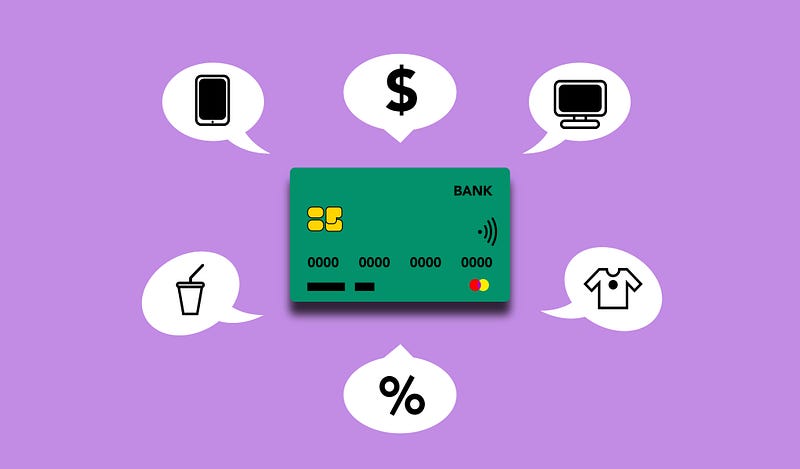
When you think of budgets, you probably think of some soul-sucking, life-draining exercise of tracking your spending history down to the penny, then seeing if anything is left.
That’s what it used to be.
That’s the way I did it for years in my Excel sheet.
But that’s not what a budget is.
A budget is actually forward looking, with you assigning a “job” to every dollar you have. You are telling your money where to go, rather than having it dictate what you can or can’t spend.
So let’s dig into how to actually take control of the money that’s in your checking and savings accounts.
What is a Budget?
A budget is no more about numbers than baseball is about home runs.
Moneyball showed the world what Bill James and his fellow Sabermetricians already knew 20 years prior: that getting (and staying) on base is more important than hitting the ball deep, stealing, or bunting to advance a runner.
Budgeting is equally misperceived to be about the amount of money you spend, when instead it’s all about the mental framework of telling your money where to go.
It’s a subtle difference, but one with orders of magnitude of difference.
You’ve heard, “Pay yourself first!” When you assign each dollar a job, you can do just that. No more hoping or praying (neither of which work) for leftover money at the end of the week.
No sir.
Instead, you are assigning each and every dollar a job, telling your money in advance where to go.
- Want it to go to savings? Then put some money in savings.
- Want to pay rent? Then put some money in rent.
- Want to go out with the boys? Then assign some money for entertainment.
Forward thinking budgeting gives you the freedom to rank your priorities with money, then pursue those priorities as much as you can afford.
The Envelope Method
You may have head of the envelope method when researching how to budget. It’s a popular method, and it works! It originated in the days when cash was king, but it is still relevant in the modern world of ones and zeroes.
The gist is that you take all of your cash and divvy it up among several envelopes, each labeled with what the money is to be used for.
For example, you might put $100 towards groceries every paycheck. When you go grocery shopping, you use only the money that’s in that envelope. If the money runs out, then you have to put something back.
Then, when you get paid again, you can replenish that envelope.
The same process is used for monthly bills like rent and utilities, fun money, household items like soap and detergent, etc.
The simplicity of this system makes it almost foolproof, in that you have to identify what it is you are going to spend your money on first, before you spend it. And when assigning your money, you start with the necessities, then move to the fun stuff.
It takes dedication to not pull money from the other envelopes, but the physical act of removing $20 from your rent envelope and putting it into your restaurant envelope normally creates enough friction to prevent this.
Using “Cash” in a Digital World
Now, unless you like living on the edge, I’m sure you’re not going to cash your entire paycheck and have hundreds or thousands of dollars sitting around in marked envelopes.
Fortunately for us, there is a SaaS program called YNAB (short for You Need a Budget, and pronounced “Why-Nab”) that digitally mimics the envelope system, and so much more.
YNAB allows you to make as money digital envelopes as you need and assign them to any number of categories. For example, my wife and I kept our weekly and monthly expenses under their “Immediate obligations” category, signaling that these expenses need to be paid first.
Most of us have direct deposit, and you can link your bank account to YNAB, allowing you to see exactly how much is in there.
Once you receive a check, you can start assigning dollar amount to these individual envelopes until the money “To Be Assigned” is depleted. You have now told your money exactly where to go until you get more money.
YNAB has a great tutorial on how to set up your budget before assigning your money to different categories.
The Takeaway
By using a forward looking budget, you know exactly how much money you have assigned for the different expenses life throws at you.
Now, there will always be the random emergency that throws a wrench in your plans, and that’s what emergency funds are for. But if your life is just chug-chug-chugging along without any real hiccups, then you can plan your way to financial contentment.
Once you achieve this level of financial prowess, you can lower your day-to-day money worries and start focusing on the big wins such as increasing your income, lowering your Big 3 expenses (housing, transportation, food), or getting out of debt.
The Latest Stories From Money. Daily.
- Americans Are Drowning in Medical Debt
- Are You Prepared If Your House Floods?
- Mortgage Prepayments
- 5 Reasons Why Aldi is So Goddamned Awesome
- A New Day for the Public Service Loan Forgiveness Program
Don’t miss my next article! Click here to get notified when I publish new material.
If you love the articles published in Money. Daily. become a member of the Medium and get full access to our full archives.
This article is for informational purposes only, it should not be considered Financial or Legal Advice. Not all information will be accurate. Consult a financial professional before making any major financial decisions.


