
The Art and Science of Self-Soothing Breath
Two simple self-soothing tools third graders use for coping with anxiety and stress.
We have all been there.
- Loss of a job, not getting the offer, or having a business idea fall flat.
- Fight or disagreement with a friend or loved one.
- Lousy health news about yourself or an aging parent.
- The constant bad news about the world.
These are everyday events on a regular day for most of us humans. Daily stress is an accepted part of our reality.
These are the times that our coping skills are challenged.
My experience at the beginning of COVID threw all my self-care tools out the window. Yet, COVID also brought me back around.
It prompted me to revisit my knowledge of breathwork and to calm myself.
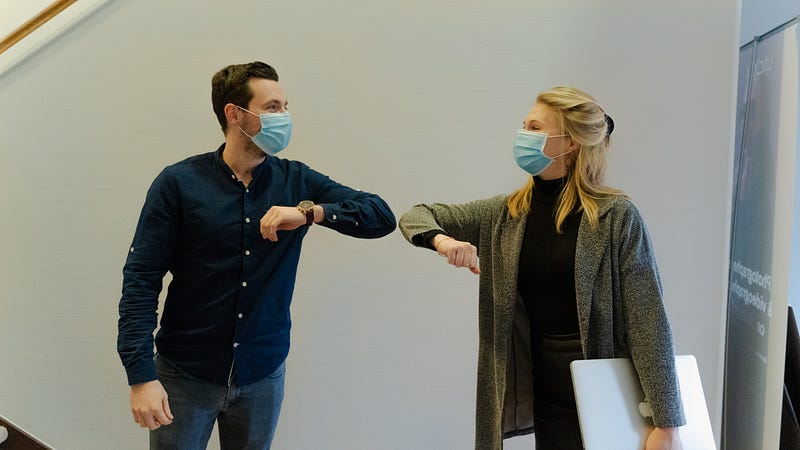
As the person in my family that managed crises, I got to work. Listening to all kinds of news, reading articles and updates, and trying to confirm what was the best information to share with my family became my daily obsession.
I became obsessed with monitoring this and blinded by its impact on my well-being.
It did not take long before I realized I had lost my peace of mind and usual centeredness.
I found myself having disrupted sleep patterns, anxious thoughts, and feelings of panic at times with all the uncertainty.
The mania around COVID, in the beginning, had many of us feeling this way. The doomsday scenarios sent my emotions on a wild ride.
The body’s response to stress
Along with anxiety and panic come hormones that kick in sensations of varying intensities, which can show up as sweat, neck, jaw, or gut tension, and even a racing heart or increased breath rate.
I had learned all the tools of calming and relaxation many years before and practiced them for decades. Yet this crisis and all its uncertainty blocked me from using my prior knowledge.

I felt incapable of taking my daily time for meditation and breathwork. I did not allow myself to use the techniques I knew for FOMO on some essential and critical COVID-19 details.
Traditional Methods Failed Me
I resorted to traditional methods of dealing with stress. I got back into cognitive behavioral therapy. I began the ritual of discussing everything that caused me anxiety and panic.
It was not long before I began to dread the weekly session. I grew tired very quickly of rehashing what was wrong. Focusing on what caused me to feel anxious in detail was not helping. As is typical with CBT, it brought back other negative memories of when I had experienced past losses, sadness, and memories.
After several weeks of not seeing changes, I was referred to a psychiatrist who prescribed me an anti-depressant.
There was a better answer. I knew it.
I had the tools within me.
Why do we forget these tools when they are needed the most?
We resort to giving our power to someone outside of ourselves for answers.
After only a few months of frustration, I told my therapist I needed to pause therapy.
Yes, sure, breathwork and meditation would be demanding right now. But I resolved to have self-compassion and committed to not judging the quality of my practice, remembering what a yoga teacher had long ago taught me.
It is not about perfection but practice.
Starting a few minutes each day, I began approaching my practice. I started small with a goal of five minutes.
I cleared my thoughts, slowed breathing, and sat with myself. Each day, I brought racing thoughts and challenges. Yet, it also brought reminders of all the tools I had learned.
I began listening to guided meditations, nothing too complicated or long-winded, just simply quieting the mind with breath and soothing music.
I pulled out an old journal from the days when I had taught breathwork to special education students who got triggered by sounds, events, or others.
It all came rushing back to me. If I could create simple breath strategies to use on the go, I could quickly prevent negative reactionary behaviors. I could also increase my energy when I felt low.
Here are the two on-the-go techniques I used that can help you.
Two Simple Breathing Techniques
The simple formula for calming breath is to inhale for half the time you exhale. So, if you breathe in four counts, you will breathe out for eight.
For students, posters were created and made highly visible. Placing these as wallpaper on your device may serve as a reminder.
Calming Breath 4–8
1. Step away from the stressor.
2. Notice your breath.
3. Slowly breathe in, counting 1–2–3–4.
4. Twice as slowly breathe out, counting 1–2–3–4–5–6–7–8.
5. Do this at least three rounds, up to five as needed.
This breath would become part of the education plan for any easily agitated student.
The opposite was sometimes true; students would come to school mentally and physically exhausted.
It was clear that they had been through something. Yet, scheduled tests or some meaningful learning were planned for them.
This breath was taught to help students gain as much focus as possible.
Awakening Breath 8–4
1. When feeling tired or unfocused, take a moment to breathe.
2. Notice your breath.
3. Slowly breathe in, counting 8–7–6–5–4–3–2–1.
4. Breathe out quickly, counting 4–3–2–1.
5. Do this at least three rounds, up to five as needed.
This breath would be taught to students who seemed chronically low energy or unwell. Of course, these indicators were also followed up on with parents and others to address external factors.
Please check in with yourself on your sleep, food quality, and exercise.
These two breaths could help to shave years off your life.
Calm and soothe yourself when triggered, awaken, or invigorate to meet an important meeting, presentation, or event.
The Science Behind These Simple Techniques
The physiology of why these methods work so well and quickly has to do with our human biology.
Let’s start with the calming breath.
When we exhale slowly, the diaphragm contracts and pushes toward the heart. This, in turn, helps the heart to slow its rapid pace. This has the effect of decreasing the capacity of the pumping action. In turn, calming and soothing.
The opposite is true for the awakening breath.
When we inhale slowly and expand our lungs, the diaphragm expands and drops away from the heart. This, in turn, helps the heart to pump more blood and increase its pace. This increases the capacity of the pumping action, improves blood flow, and energizes the body with oxygen.
Two simple breaths that a third grader can learn can help you to change your physiological response to life within moments.
These are powerful tools that anyone can use to get right back into the game of life.
To learn more about subconscious healing, check out my articles, Unlock Your Intuition: Discover Your Path to Inner Guidance, Effective Change Comes from Alignment Rather Than Problem-Solving, Negative Emotions as a Catalyst for Change, or Humans Function Better When All Their Parts Operate in Alignment.
If this article resonates and you would like to learn more. Click here to access my free video training on my subconscious healing small group coaching course, The Soul Alignment Collective, to learn how to find more happiness by finding your soul’s purpose.
Buy me a cup of coffee if you would like to show support for my work; much appreciated!
For only $5.00 a month, you can read all my articles, plus excellent poetry, non-fiction, and fiction on all kinds of topics from the thousands of writers this fantastic community offers.
Disclaimer: This is an affiliate link, so a portion of your Medium subscription purchase goes to me at no additional cost to you.