Travel, Nature Photography
Stepping Back to a Primordial Time in an Alaskan Muskeg Bog
Carnivorous flowers, five-foot-tall five-hundred-year-old trees, and more colors of green than you can imagine
Stepping off of the small rubber skiff which bore our little group of eight through Alaska’s “liquid sunshine” to the rocky shore of Neka Island, near Glacier Bay, I felt like I had arrived in the “Land of the Lost.”
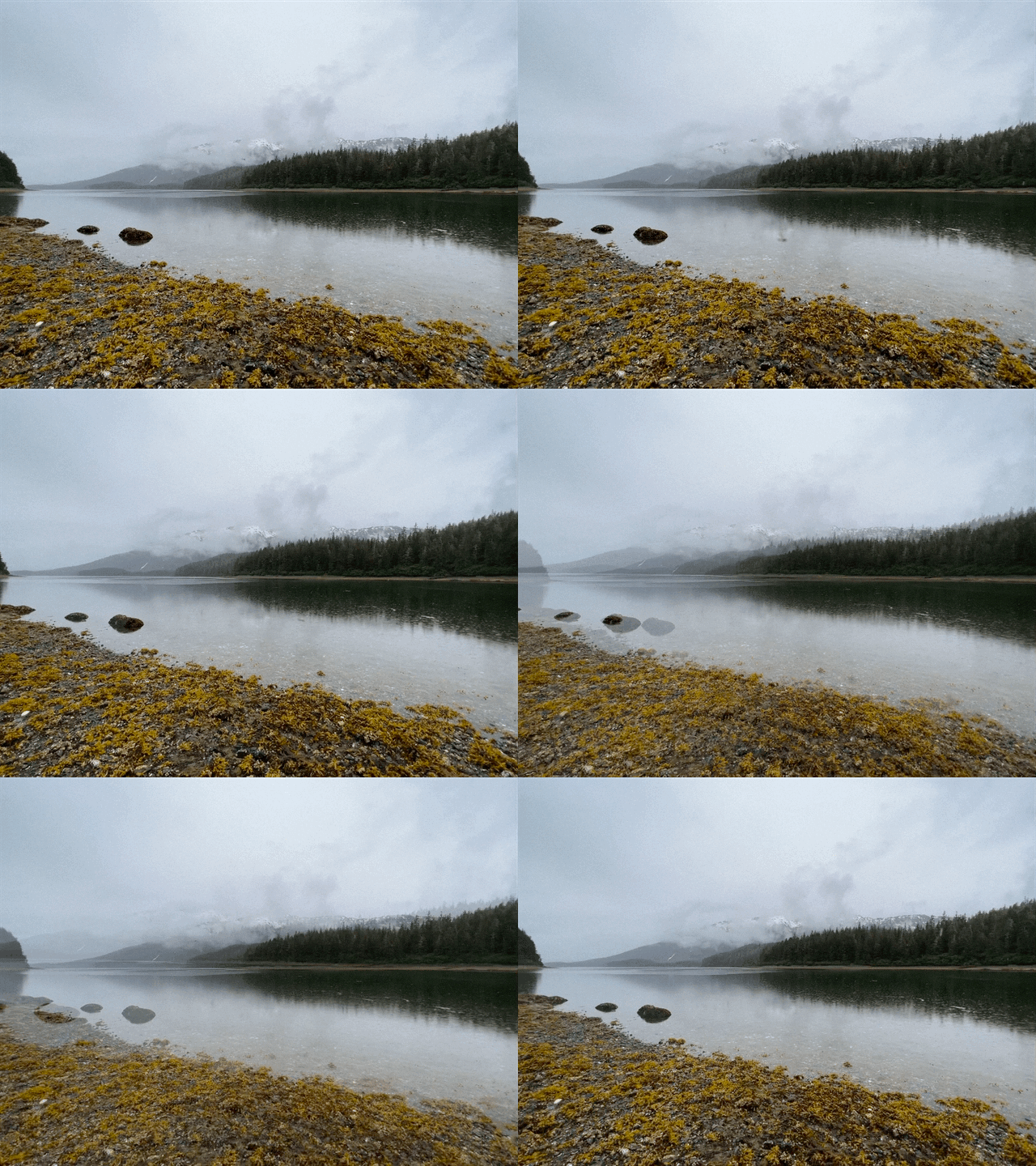
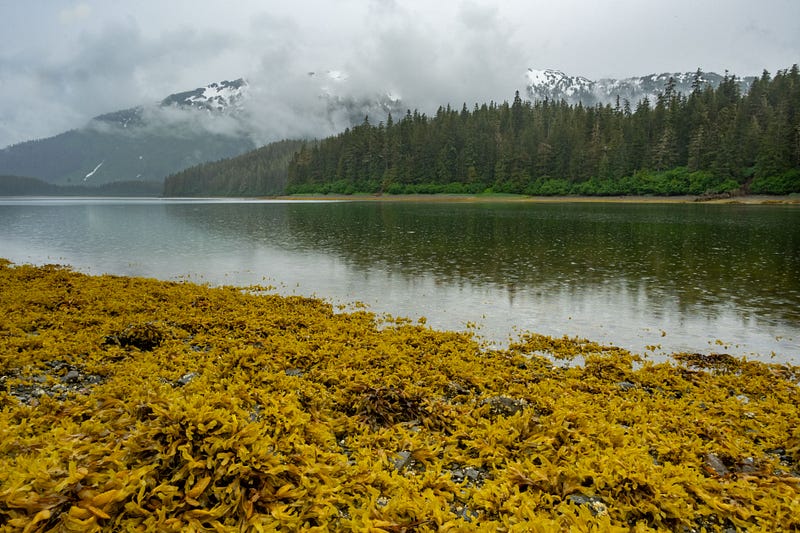
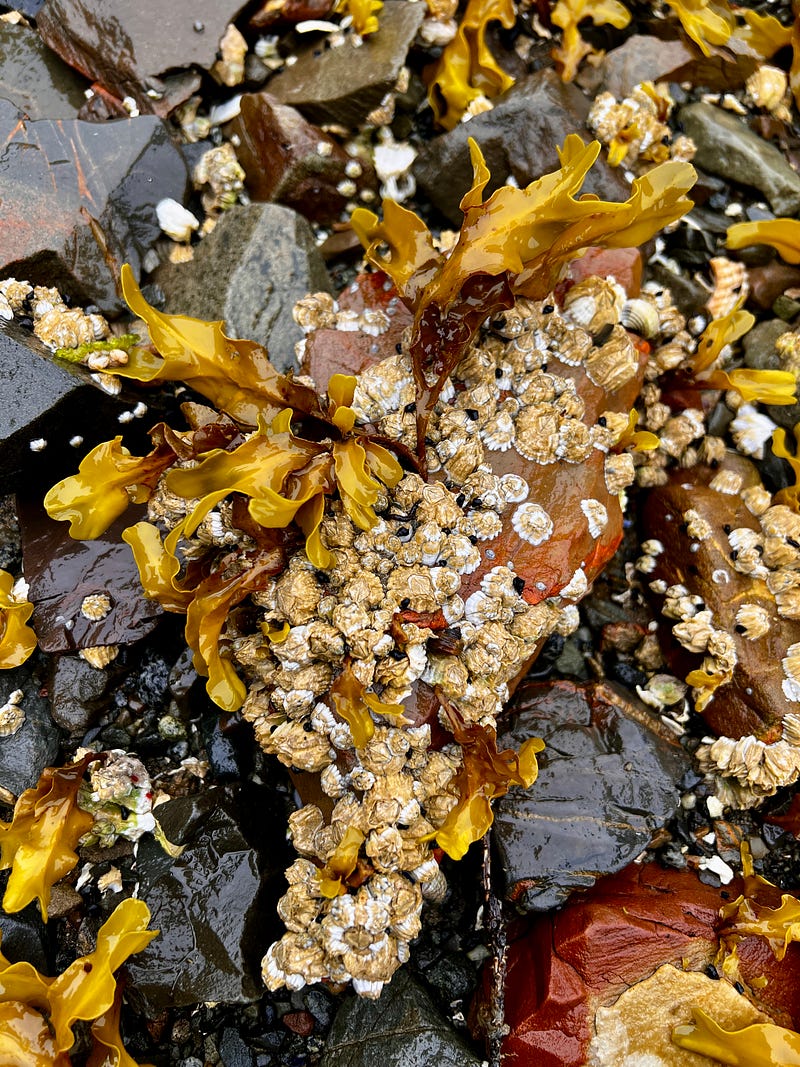
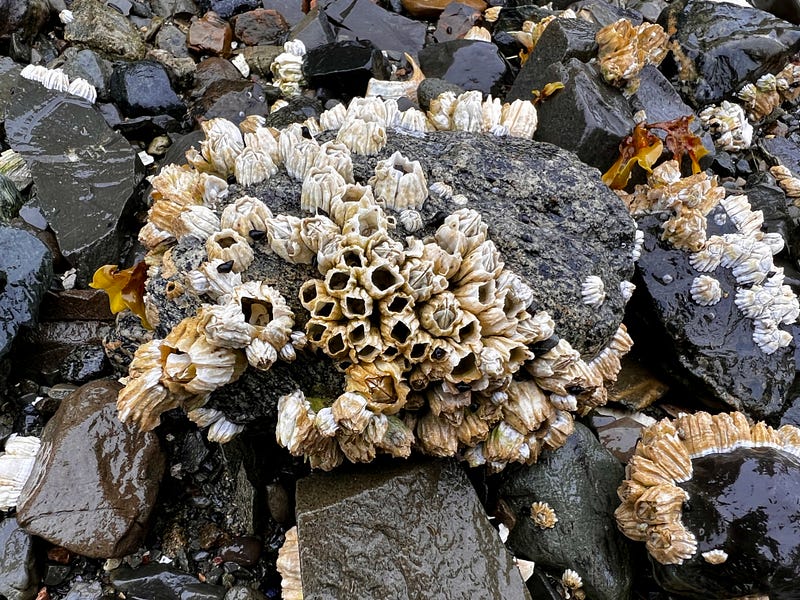
The very air buzzed, literally, with thousands and thousands of little bugs, desperate for their moments of summer warmth. And the barnacle-strewn beach was slick with yellow kelp, which our guide told us was edible.
We also had a serious talk about what to do if we encountered a bear, which was quite possible on this uninhabited and very remote island. In short, we were supposed to stick together at all times and stay behind our guide. If we saw a bear, we were to look large, but to roll into a ball if attacked. Let’s just say that we did not wander off too far.
We’d been told that we had to wear special rubber “waders” for our bushwack through the muskeg bog, and once I touched foot to soil, I could see why. The earth felt spongy. With every step you took, you would sink a bit and then spring back up as you took the next step. The waterproof hiking boots that I had bought for this trip would have been sucked right off of my feet and left behind.
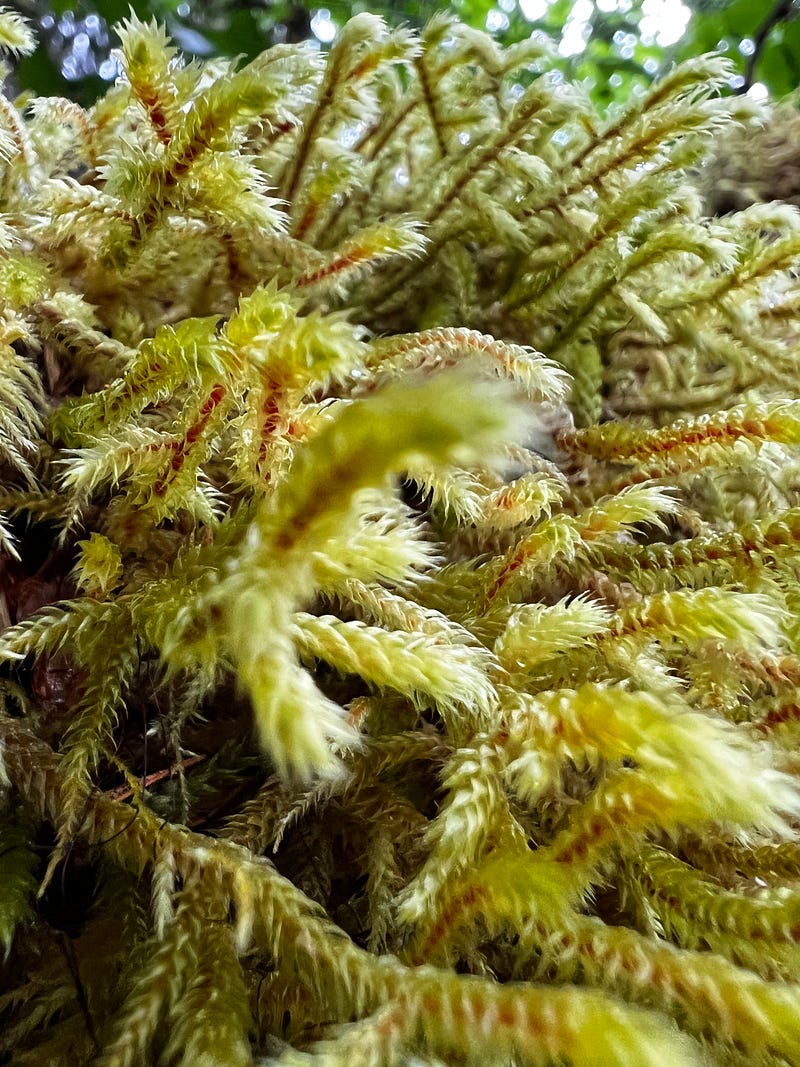
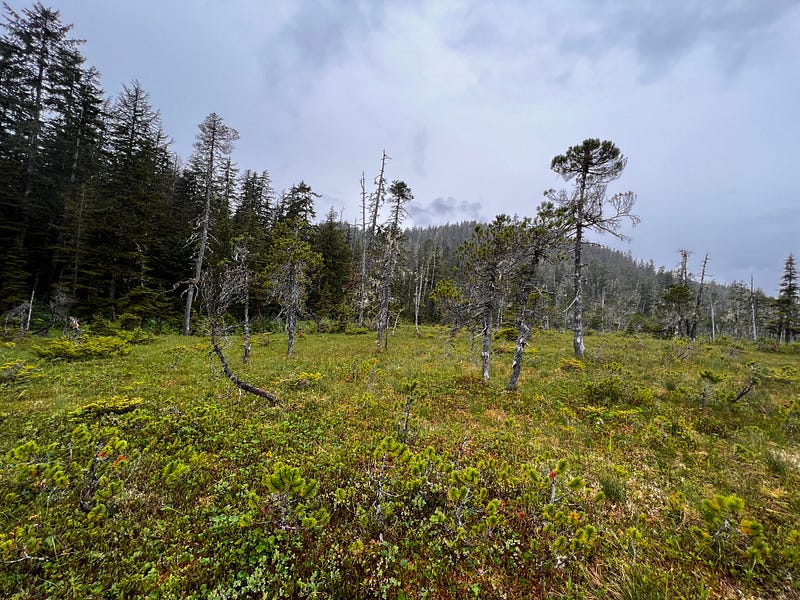
Muskeg bogs form when permafrost, clay or bedrock prevents water from draining away. As deep as six feet thick, the bog consists of sphagnum moss, decomposed humus (plant and animal matter), pieces of wood and various other plant materials.
The sphagnum moss can hold fifteen to thirty times its own weight in water.
Muskeg patches are ideal habitats for beavers, pitcher plants, agaric mushrooms and a variety of other organisms.
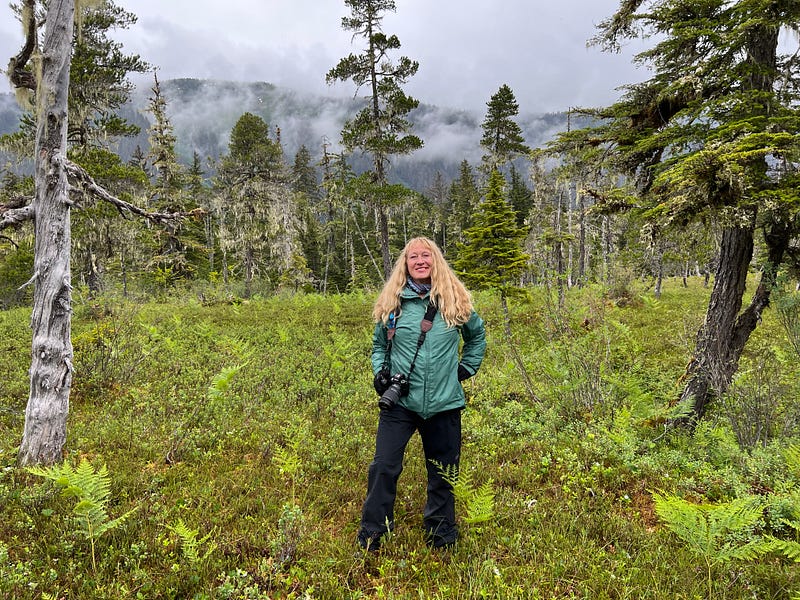
They are also home to black spruce trees, which often remain stunted, dotting the landscape like large bonsai trees, although they are often as old as five hundred years.
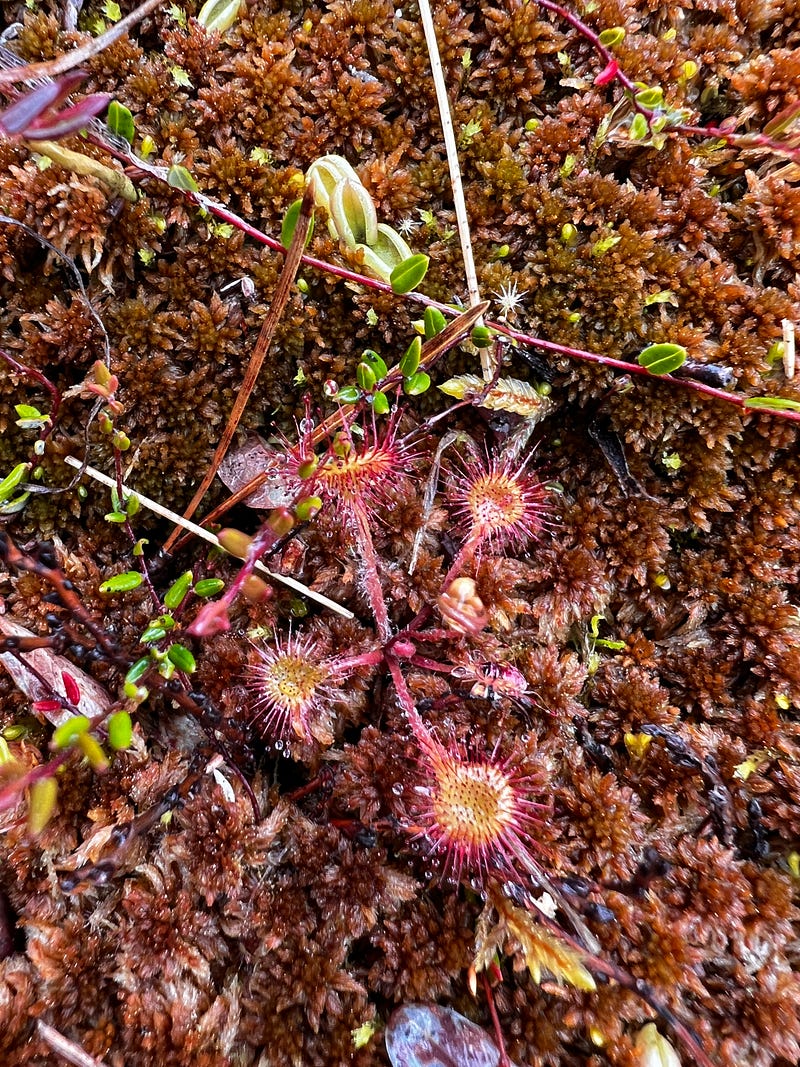
Perhaps the most interesting plant we saw on our hike was this little carnivorous sundew flower. The tiny tentacle-like petals lay close to the ground and wrap their “fingers,” hairy spikes on the surface, around insects.
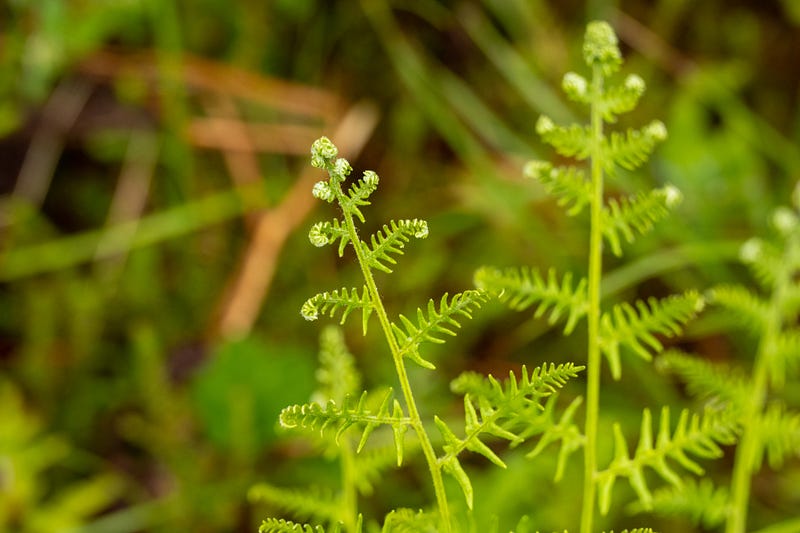
Ferns unfurled into the mist everywhere you looked.
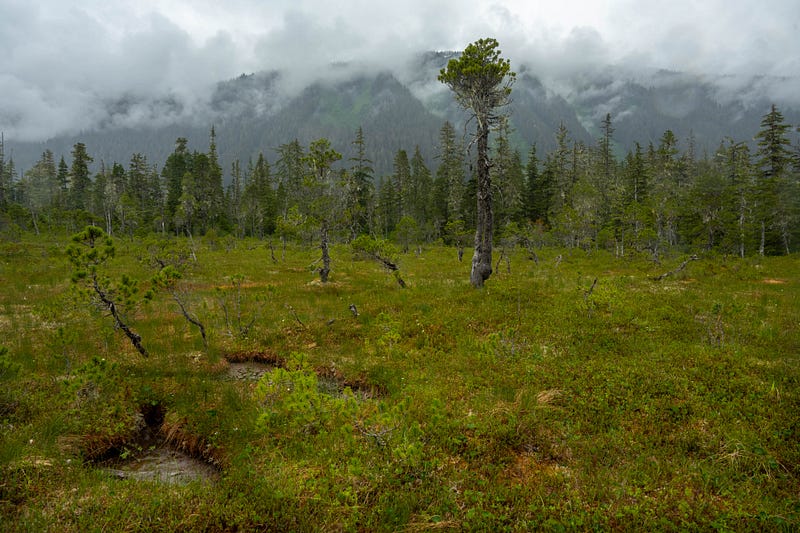
Like a giant’s footprints, pools of reddish-tinted water peeked through the vegetation. Oftentimes, the water is just below the surface, and you can’t see it. These hidden pools are hazardous to animals, particularly to Moose, because they have such long legs.
Devil’s club, or “devil’s walking stick,” lends an especially primordial feel to the bog. Spiky and fairly tall for a bog (around five feet or so), this plant has long held a special place in native cultures. It has been used ceremonially by the Tlingit, Tsimshian, and Haida people of Southeast Alaska and coastal British Columbia.
Hanging a piece of devil’s club over a doorway is said to ward off evil. And it has been used in poultices and teas to help with arthritis and diabetes. The powdered bark was also used as a deodorant and the mashed berries were made into a shampoo.
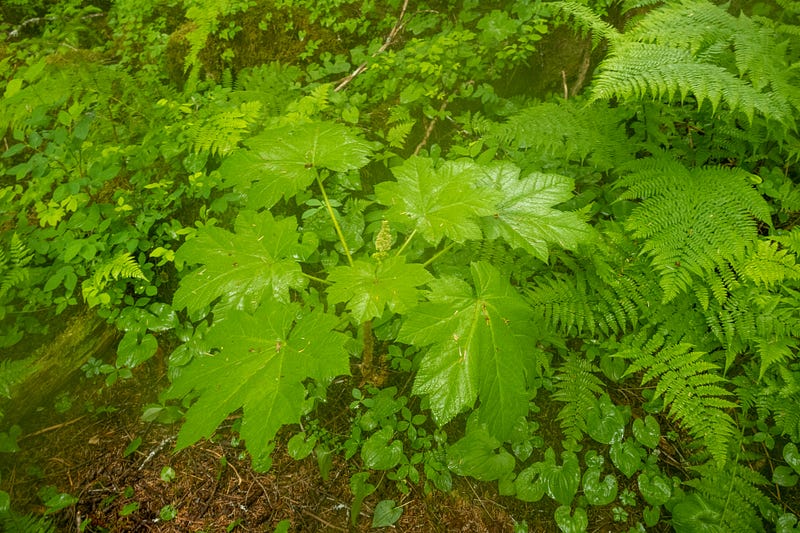
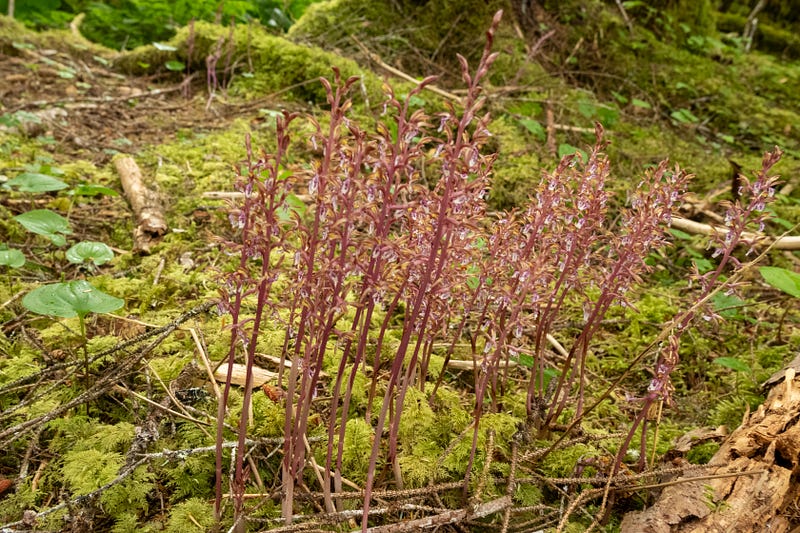
Pacific coralroot, a spiky reddish plant, prefers dappled sunlight.
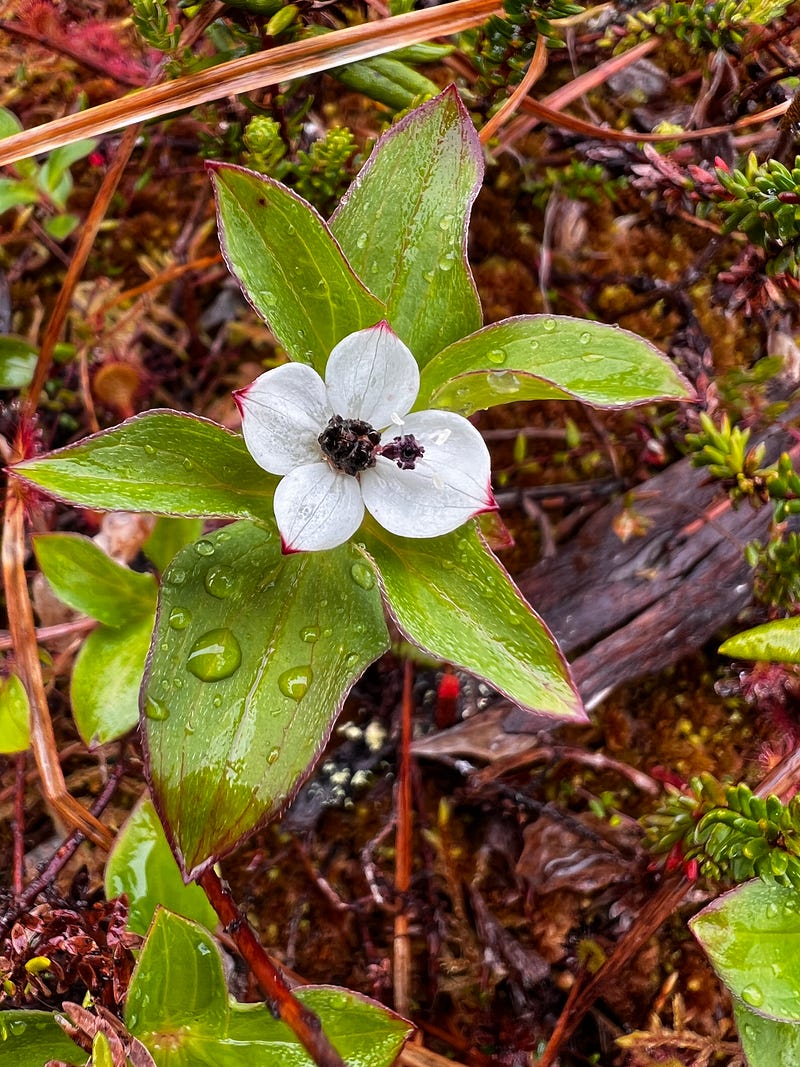
Little spots of brightness amongst the green, bunchberry (or dwarf dogwood) dots the landscape.
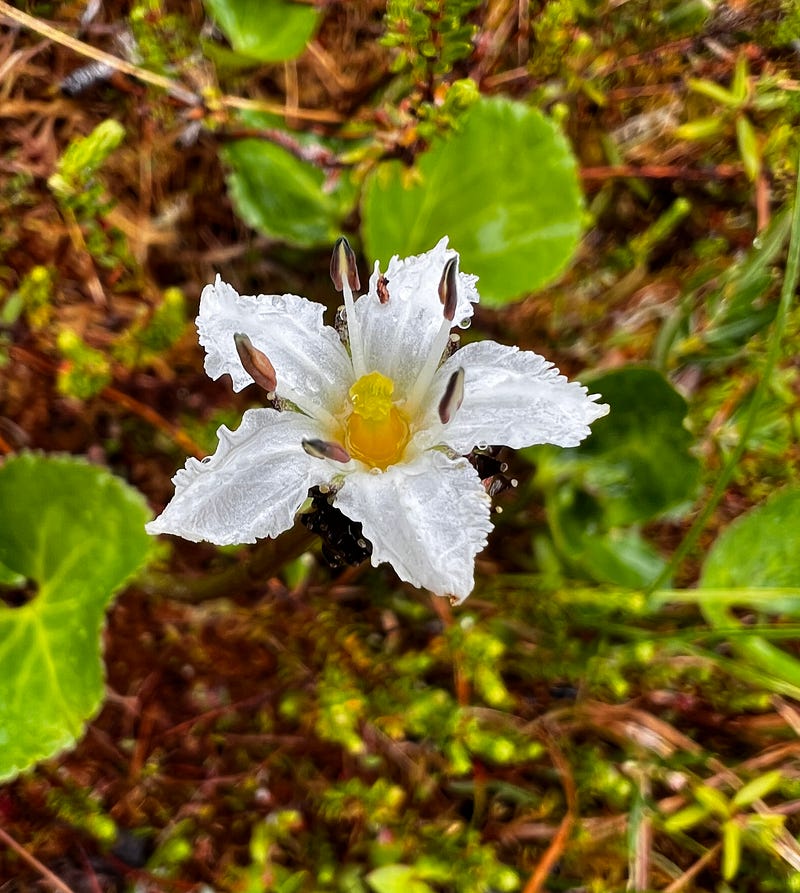
Other flowers which flourish here include fringed grass of parnassus, Labrador tea (of the rhododendrum family), and death camas.
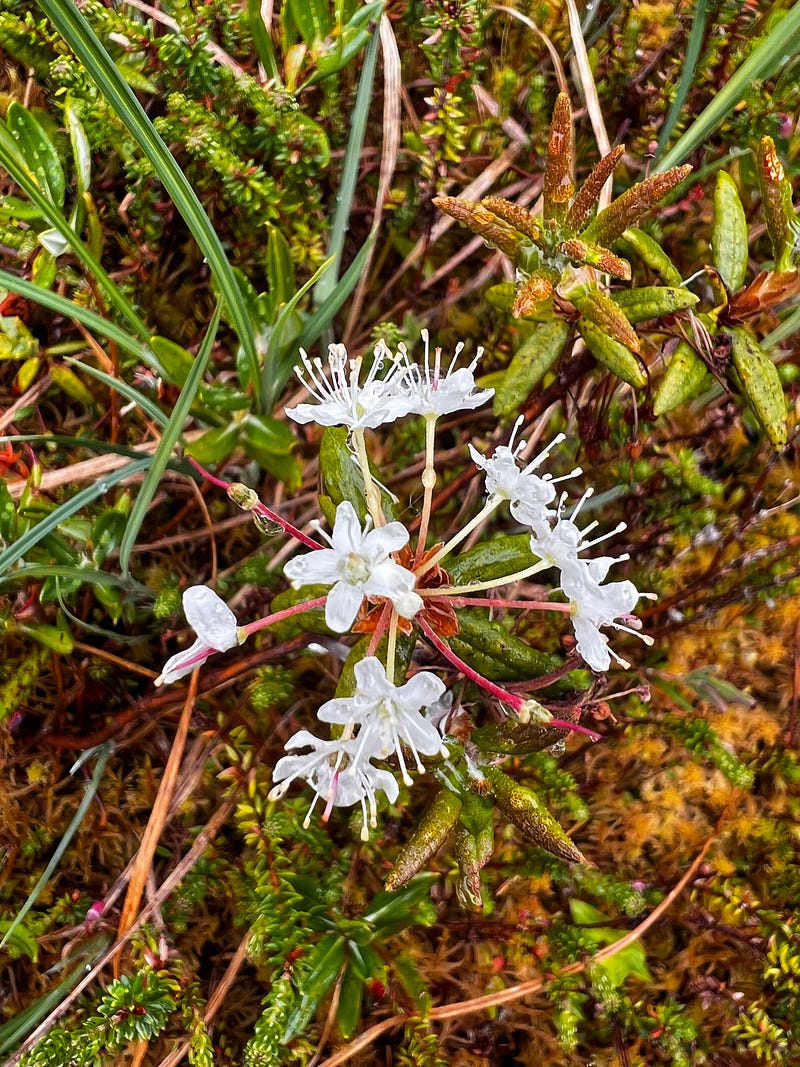
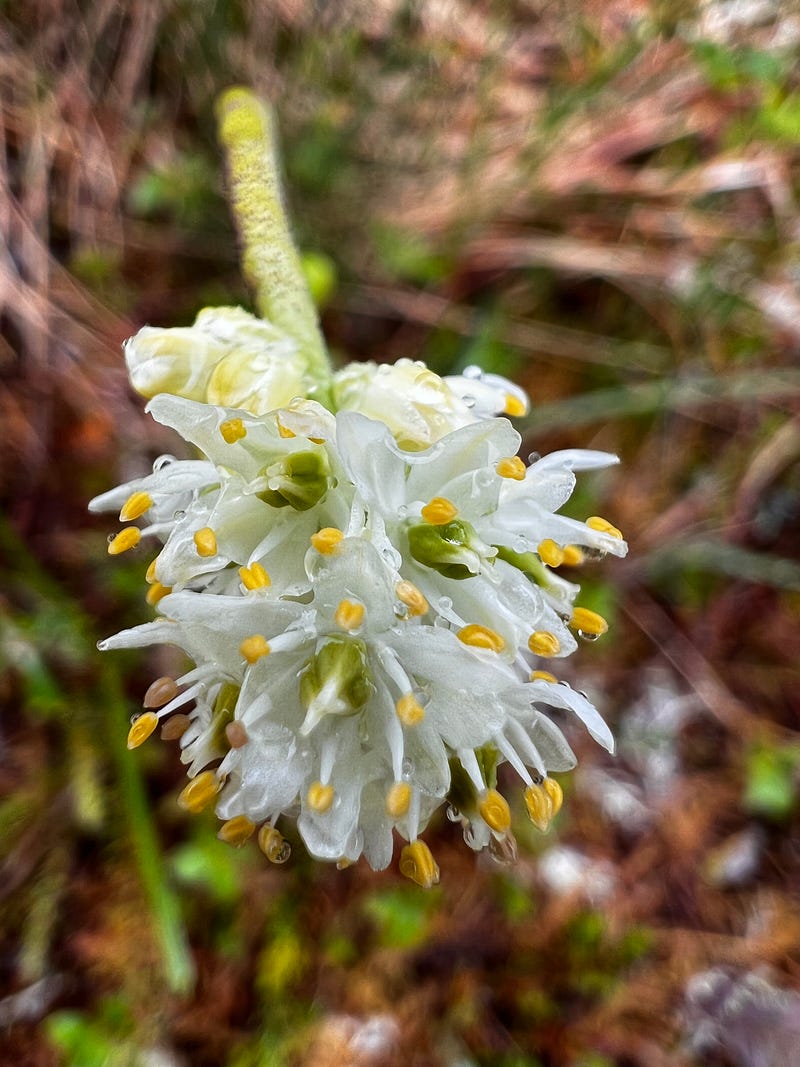
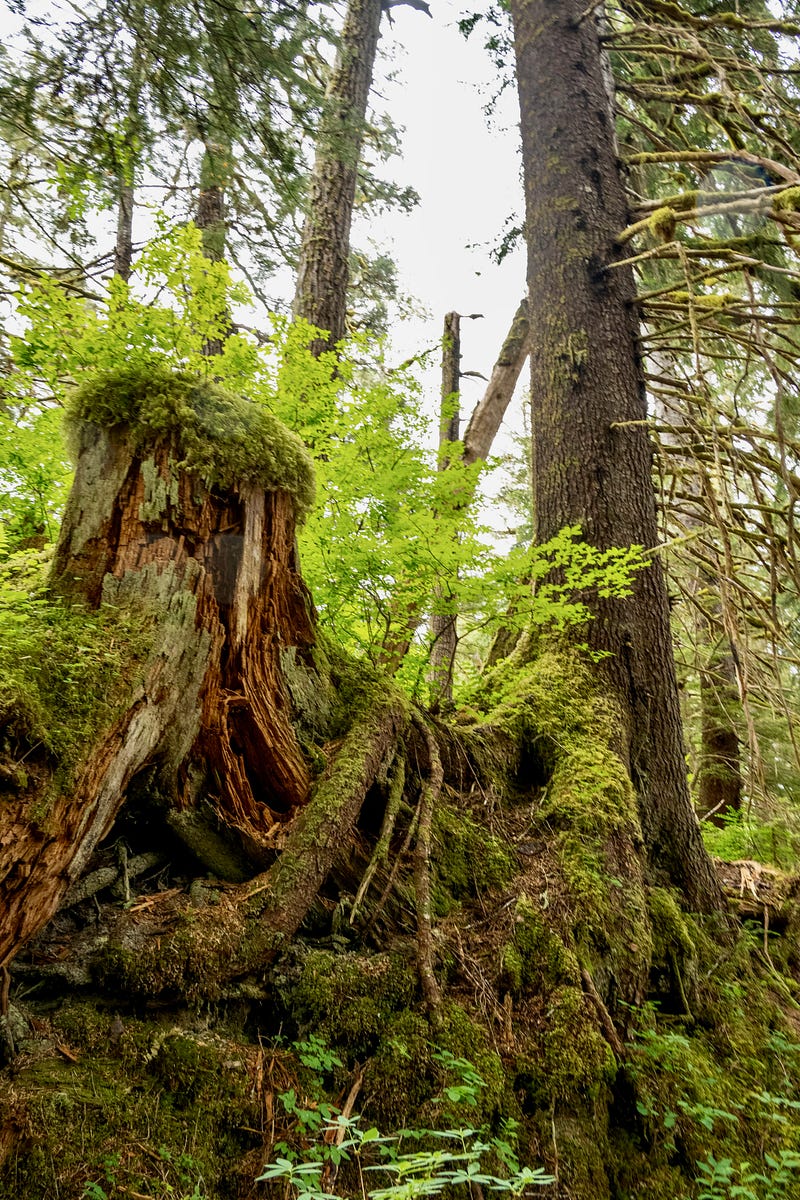
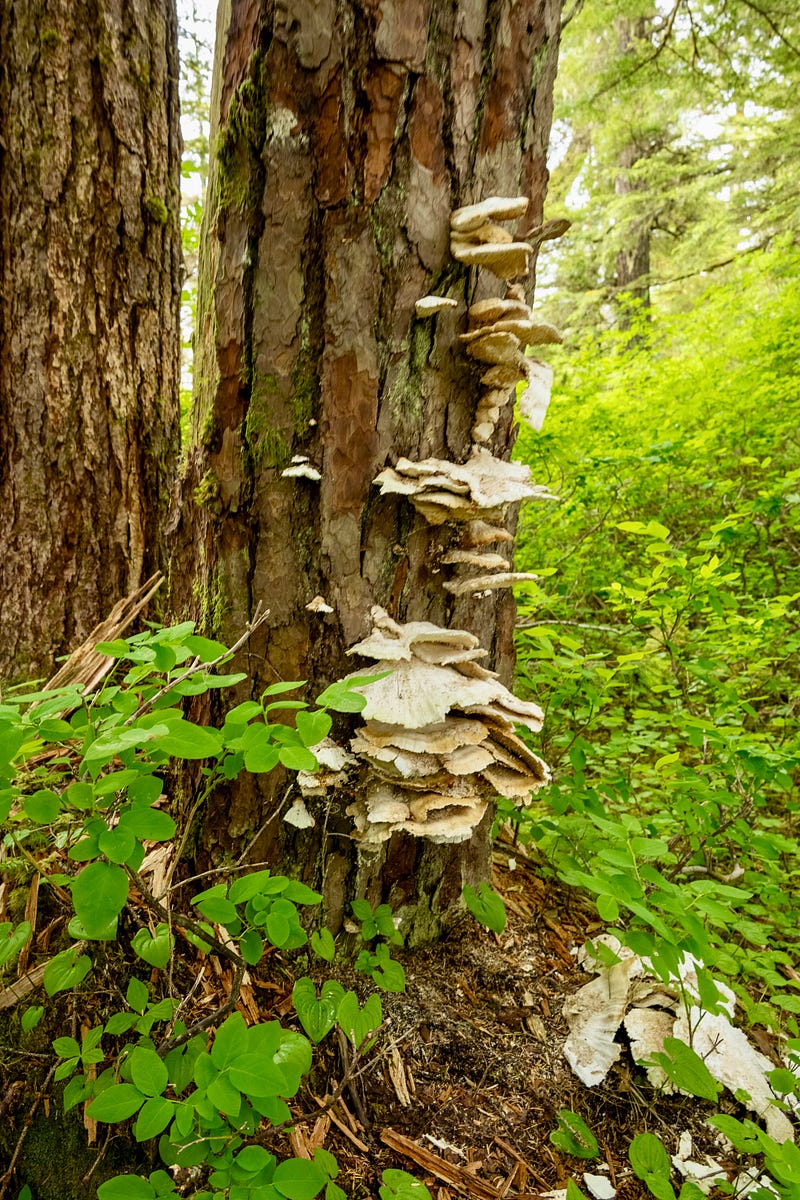
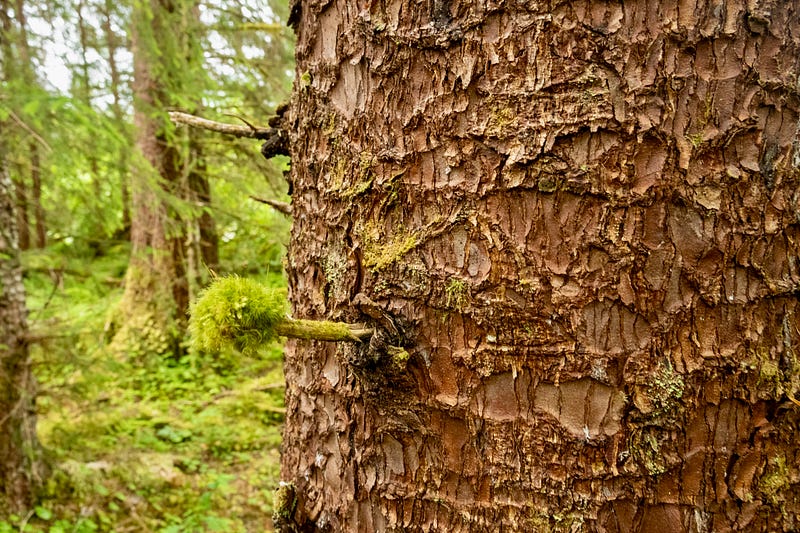
After exploring the bog for a bit, we clambered down an animal path to the more heavily forested area closer to the water’s edge. Here, the trees grew taller and giant mushrooms erupted from the sides of the spruce.
Fallen trees had turned into nurseries for newer vegetation.
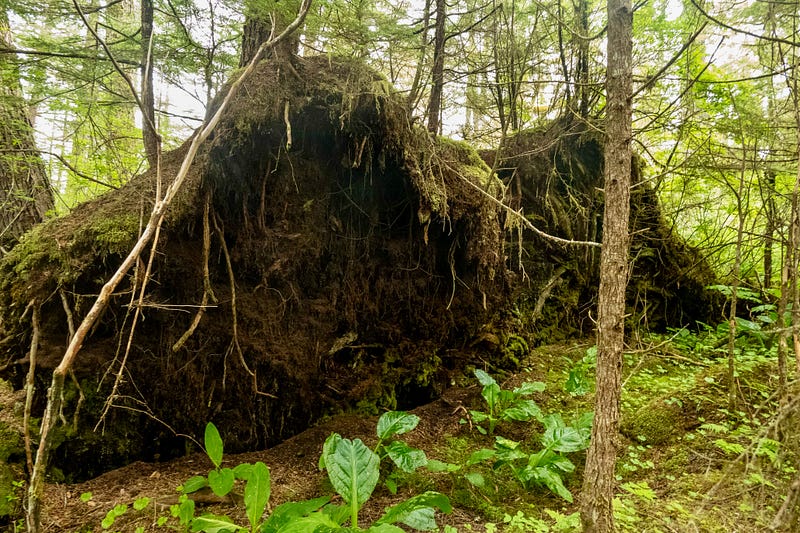
Moss dripped from every twig or branch.
Then we returned to the shore to wait for our little skiff to pick us up. We were mid-way through an “UnCruise” Adventure on a small boat with fifty-four passengers. We had left Juneau a few days before and would not return to Sitka for several more. I think that this was the wildest place we have ever been, completely out of contact with other humans for solid week of kayaking and hiking in Glacier Bay and Southeast Alaska.
The rain continued to pebble the waters and the clouds hugged the tree tops. The lapping of the waves against the barnacles, rocks and kelp on the shore lulled us into a sense of utter peacefulness. Oh Alaska, your untamed essence tugs at the strings of my soul. The million shades of green in your forests, your emerald waters, and your diversity of life are like nowhere else on earth.
Thank you to the editors at Globetrotters (JoAnn Ryan, Anne Bonfert, Jillian Amatt — Artistic Voyages, Adrienne Beaumont, Michele Maize) for this month’s challenge on “green:”
I have quite enjoyed reading some of the other stories from this challenge.
Anne Bonfert writes about green in the desert:
Keith Kelley writes about finding green in Northern Italy:
Green is the Happiest Color
A winter respite in Northern Italy and looking to the future.
medium.com
Kua Lina writes about the Azores:
Tim Ward writes about Madeira:
Erika Burkhalter is a yogi, neurophilosopher, cat-mom, photographer, and lover of travel and nature, spreading her love and amazement for Mother Earth’s glories, one photo, poem or story at a time. (MS Neuropsychology, MA Yoga Studies).
You might also enjoy reading about Southern California’s spring wildflowers:
Or this poem about noticing the small moments:
If you enjoyed this piece, you might consider subscribing to my stories. You’ll get an alert whenever a story gets published. While I do normally post my stories with free “friends” links on social media, if you enjoy reading on medium, you can help the many talented writers here by joining. It helps to support the arts and to keep us writing!
And, because I’ve had a few people asking lately, if you’re ever interested in purchasing a photo, just leave me a note.
Photos and story ©Erika Burkhalter. All rights reserved.