
GLOBETROTTERS WRITING PROMPT
When You Find Those Tiny Bits of Green in the Desert
Then you know what happiness is about
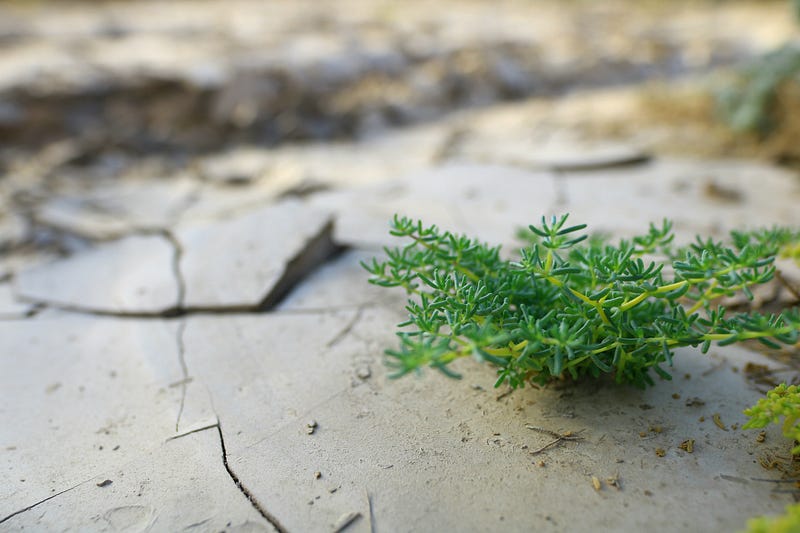
The tiny bits of green sprouting in the desert after it had just rained less than an inch are not comparable with any other green in the world. Those first blades of grass and small succulents are signs of what surviving a drought really means.
I’ve been spoiled. For way too long. Growing up in Germany, a lush green meadow wasn’t something special. It was actually rather boring. It’s just another patch of grass. Only once I’ve left the country, traveled across the African continent and lived in a desert for a few years, I learned how privileged I was growing up in such a rich landscape.
On the last Sunday in Namibia, I asked two friends if we could drive into the riverbed. The riverbed. The dry riverbed of the Swakop is where I once fell in love with this country. It’s part of the desert landscape and also the part of where I saw desert flowers for the first time.
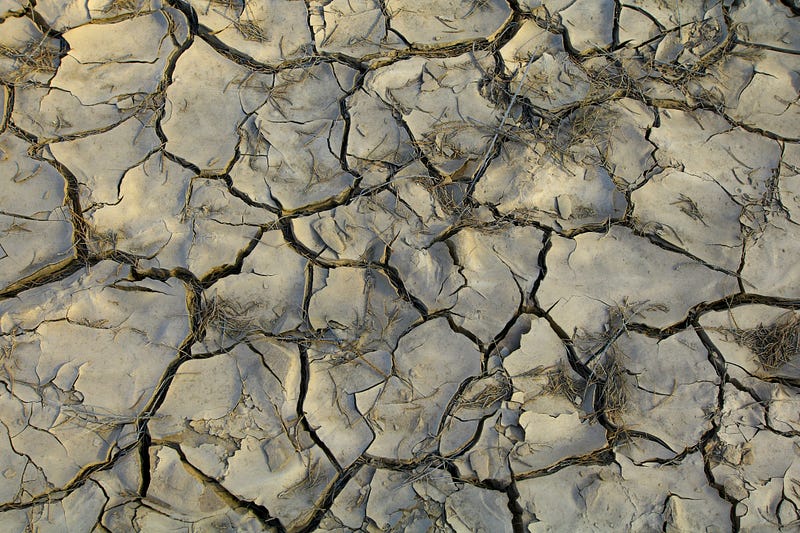
If you hear the word desert, you most probably think about something like this.
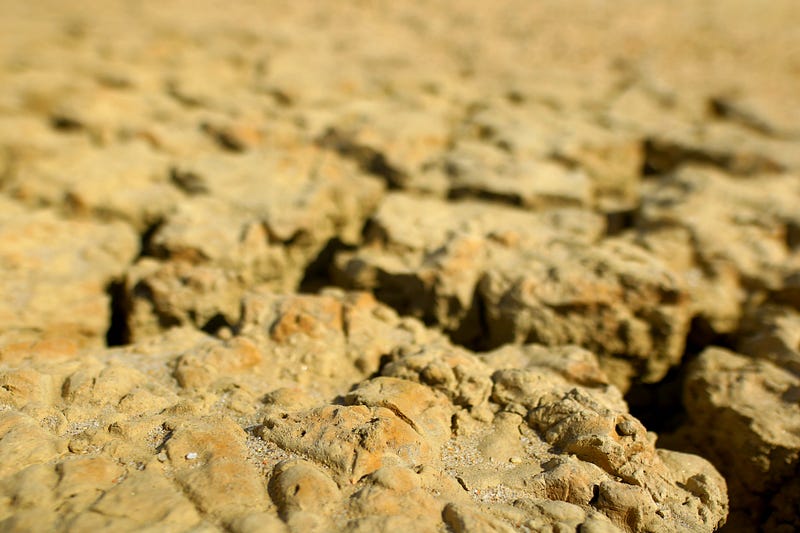
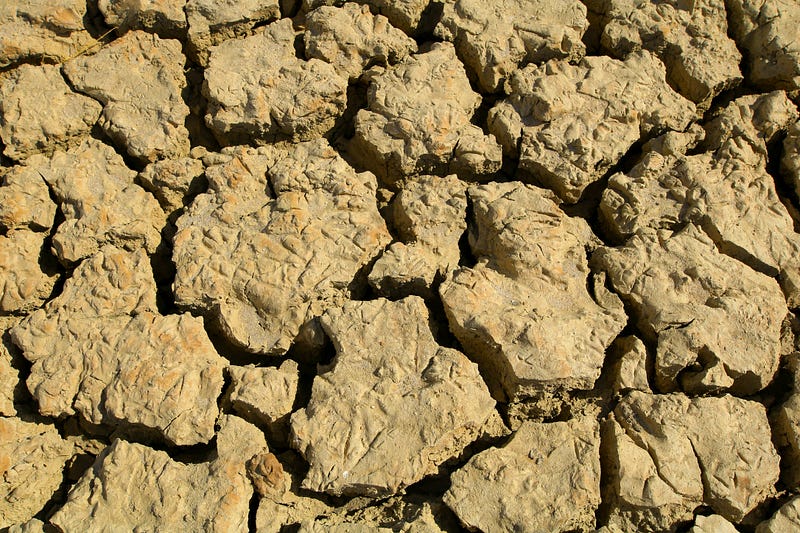
Or this.
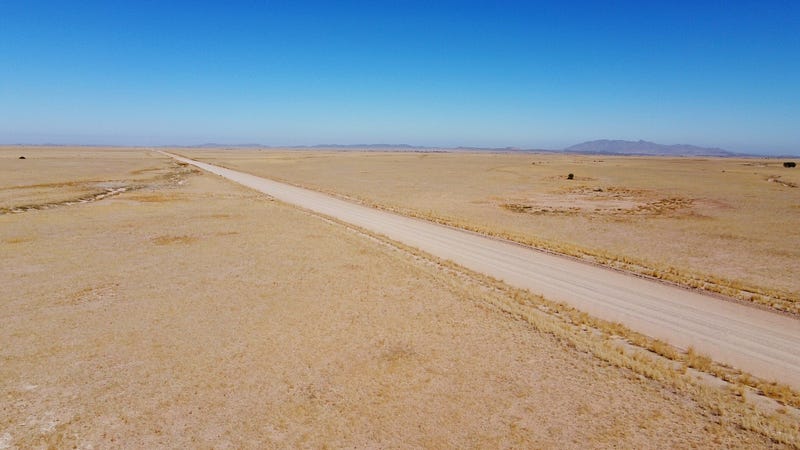
But I was lucky to learn a desert is much more than just dunes and broken soil. Today, when I hear the word of the desert, I think of sand but also of bushes, succulents and grass, I think of desert lilies and a sea of flowers. I think of springboks jumping through tall grass and other wildlife. And I think of the time when I swam in a lake in the desert.
Once again, I’ve been spoiled for having experienced all these different kinds of desert life in the past eight-plus years.
Just a few days ago I wanted to go out in the desert with a friend of mine and as none of us had a 4x4 at that moment we asked another friend if we could borrow his.
It was normal to borrow a car from a friend. In Namibia. In Germany, I’ve not once in my life borrowed a car from a friend.
But in Namibia it was normal. For the first five years living there, I didn’t own a car but was often driving around. With someone’s car. I never took it for granted. But it’s what we did. And still do. We share what we have with our friends. We help each other.
And so, also this time, we didn’t have a problem getting a car. Our friend even gave us a tip saying we should visit the dam. We were surprised to hear the dam still had water in it as the water came down in 2021 and early 2022 but didn’t expect it to haven’t retrieved entirely yet.
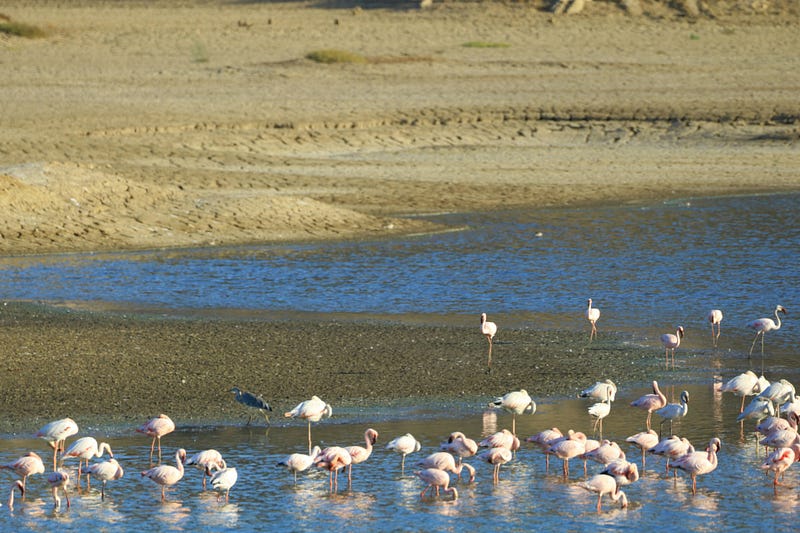
And now, a few days later, we returned with our other friend as it was just too pretty not to visit again. I mean, just look at it. There’s a lake in the desert. And an entirely different ecosystem has formed over the course of the past few wet years.
Yes, Namibia was in a drought for almost ten years until the first good rains happened in 2020.
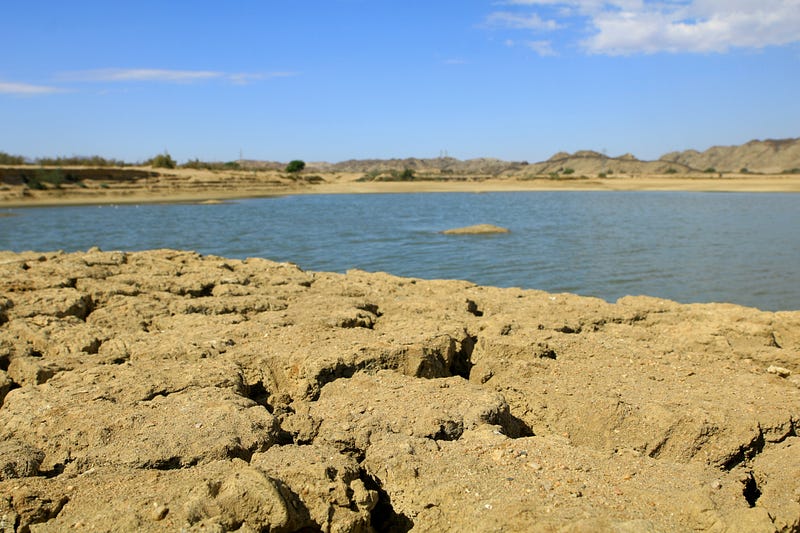
And now, three years later, one can see pelicans, flamingos and lots of other birdlife right there. In the desert.
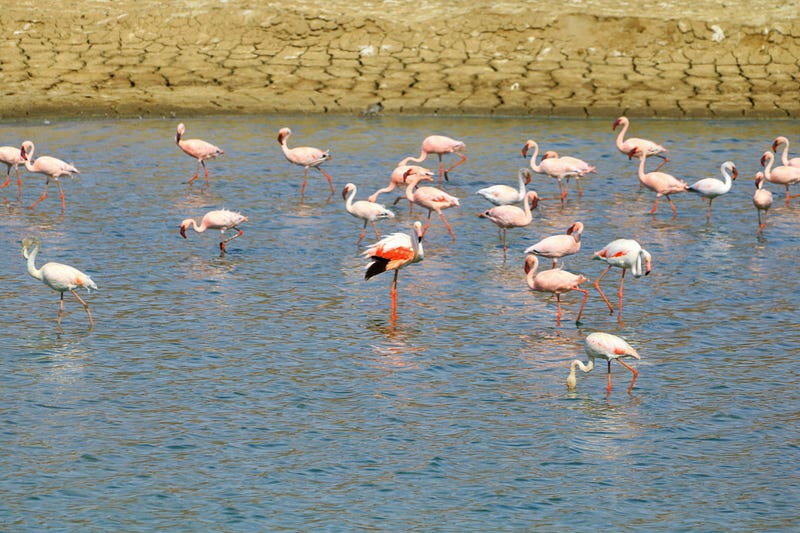
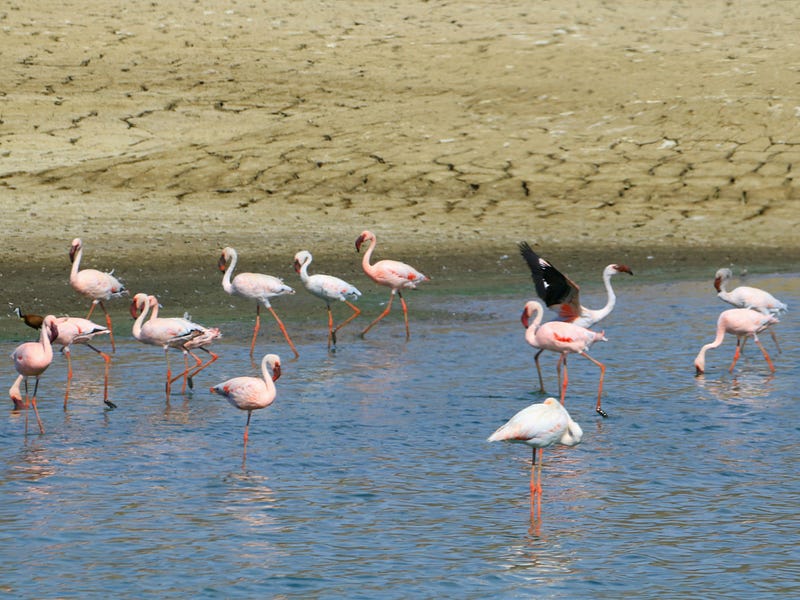
People had been warned about walking in the riverbed with their dogs as a brown hyena had been spotted and even had strolled one night through the city of Swakopmund. But this wasn't the hyena. This was our special "hyena".
Zak.
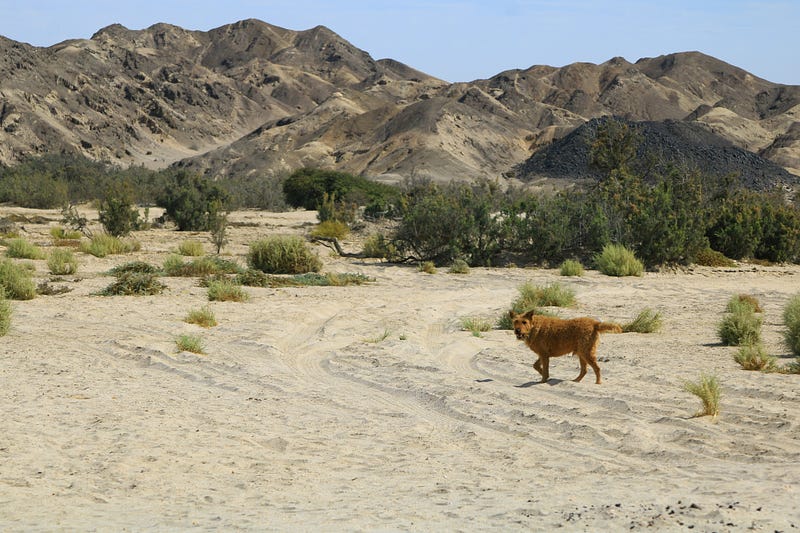
We got back into the car and drove further up the river. No more signs of water, flowing or still, but lots of greens. Bushes, trees and succulents.
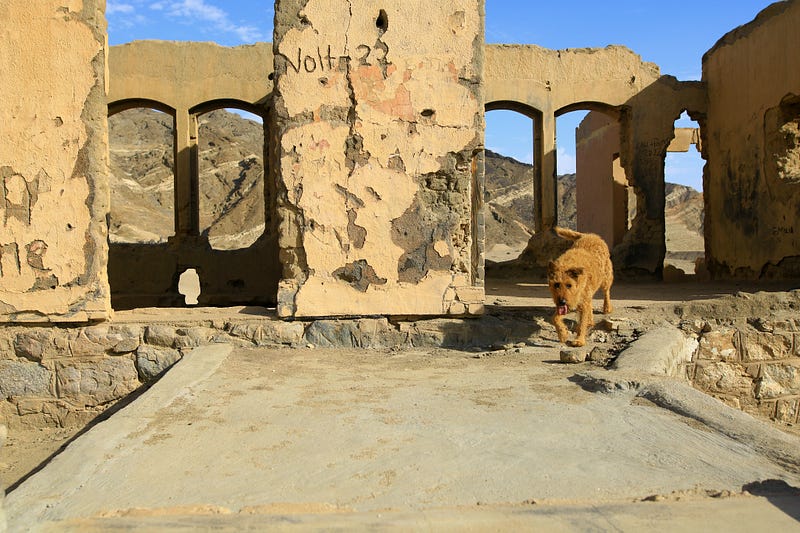
We headed to the fallen houses where once an ostrich farm was located. Today it's a lovely place to spend the afternoon, overlook the riverbed and enjoy the beauty of this country.
Totally remote.
Away from people and cellphone reception.
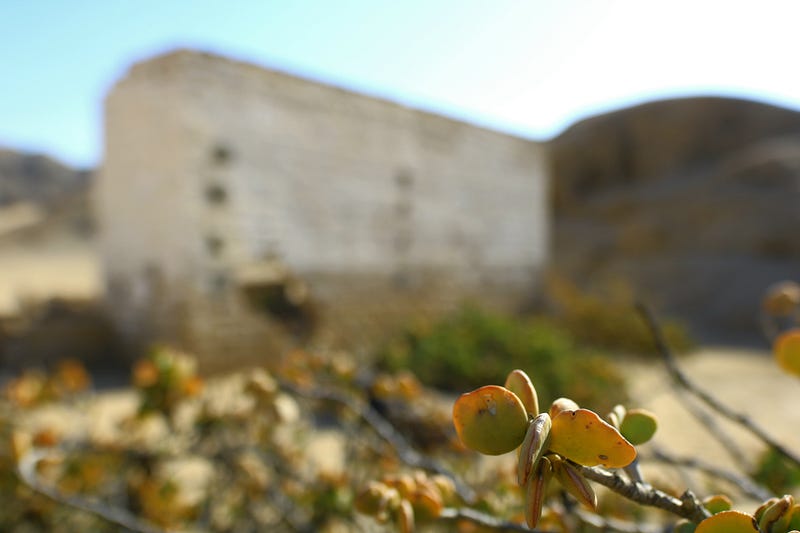
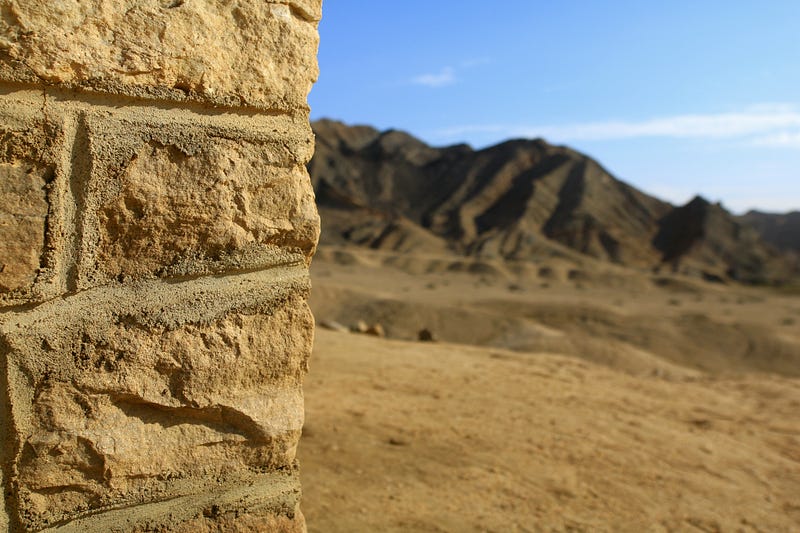
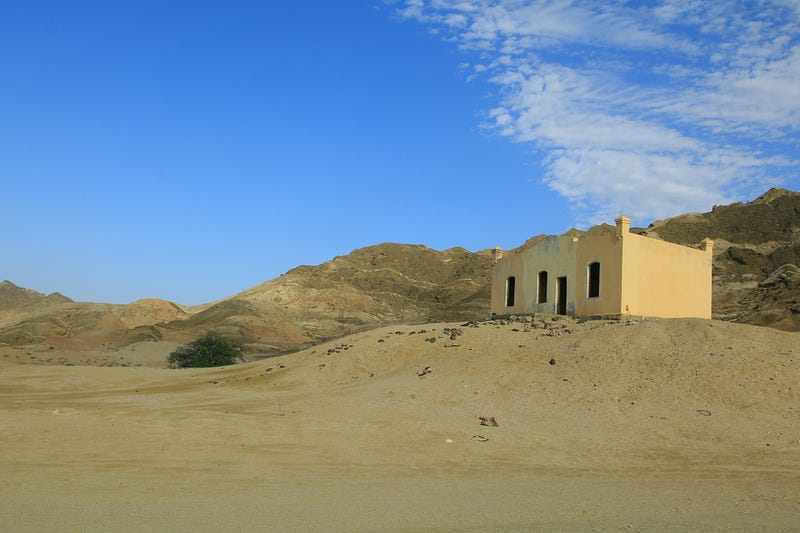
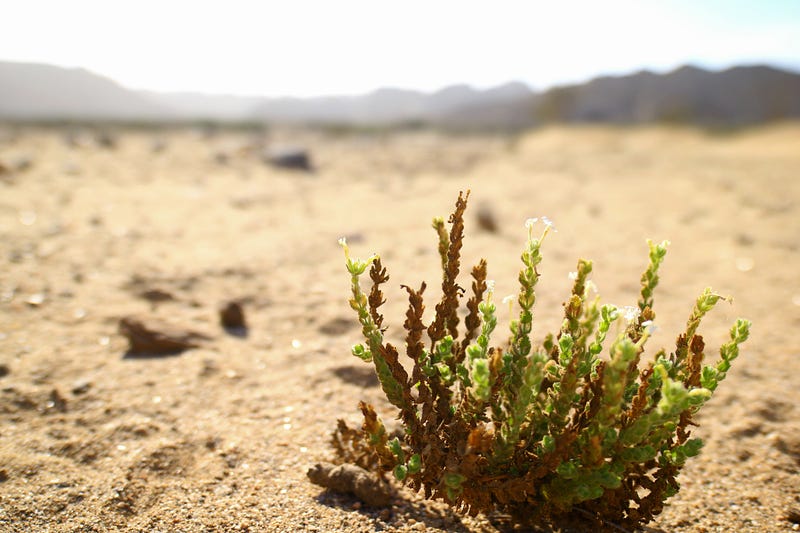
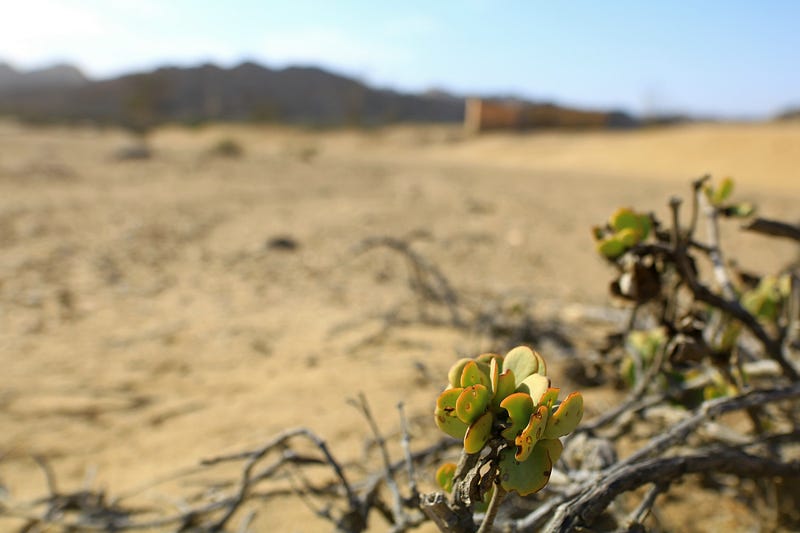
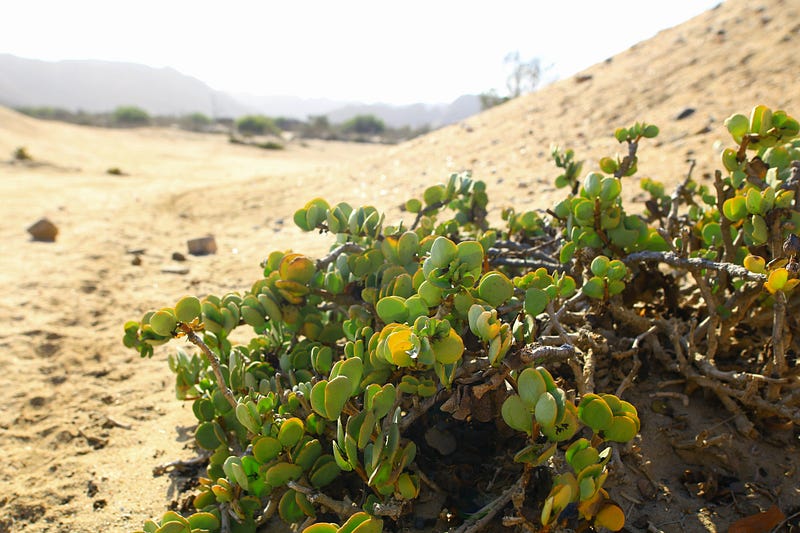
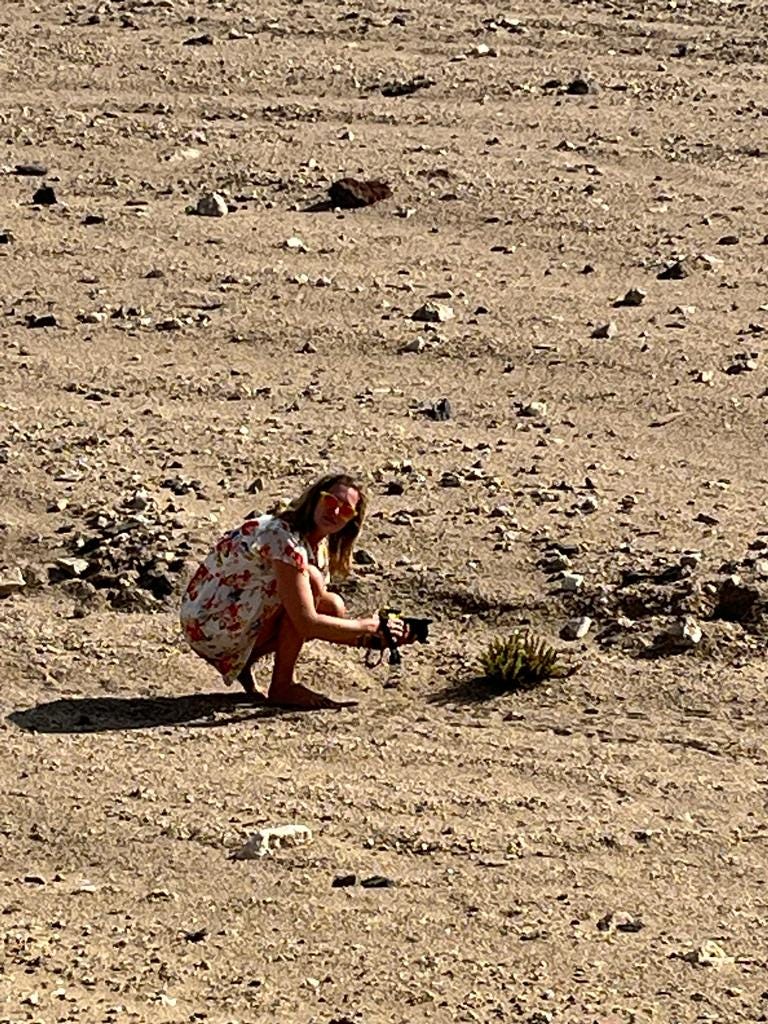
As we wandered around across the barren soil, I kept on stopping, bending down to capture every single spot of green. Because green means life. And every plant not just growing but thriving in this environment is an inspiration in itself.
A real survivor.
These plants do show us how little one needs to not just live but shine and stand out.
I loved Janin Lyndovsky 's message for anyone fighting a drought. Literally or figuratively. She described how terrible she felt but also shared a wise bit of knowledge.
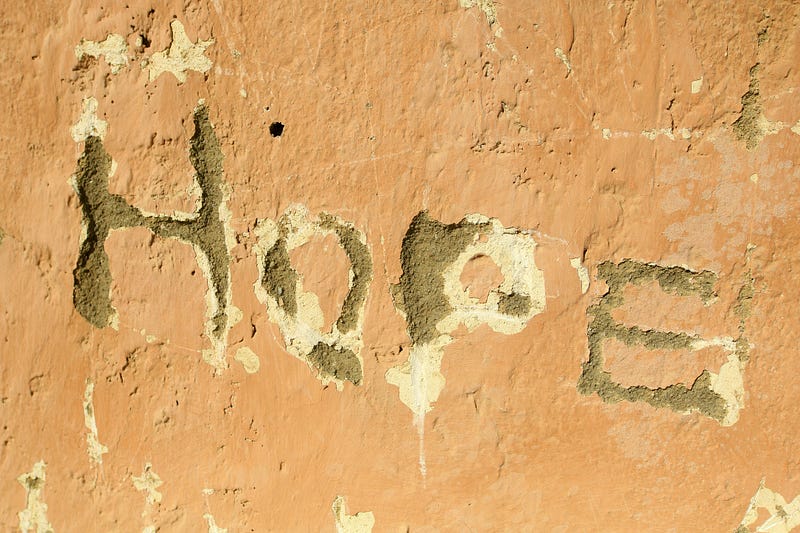
Hope.
There is always hope. No matter how bad you feel there is always hope for it to get better.
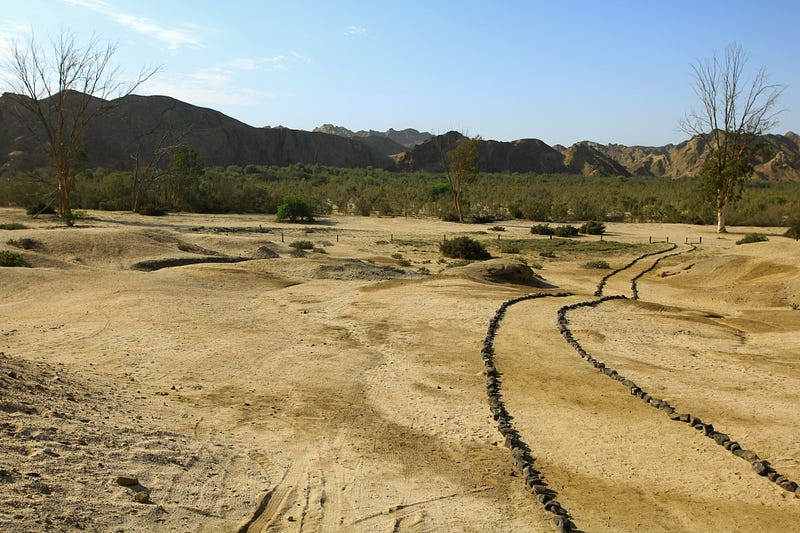
Here we are, in front of these ruins, looking down a pretty path leading down to the riverbed. A patch of green in an otherwise very dry and barren landscape.
Our furry friend was out and about exploring the ruins while we were chatting about life and all the things adults talk about.
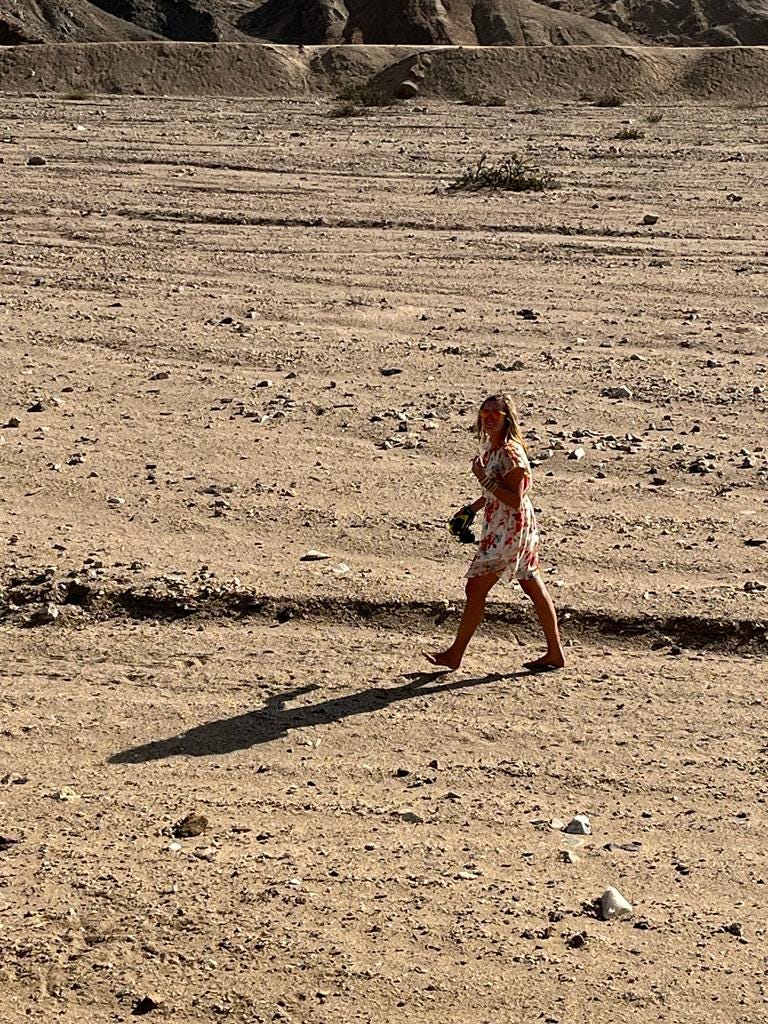
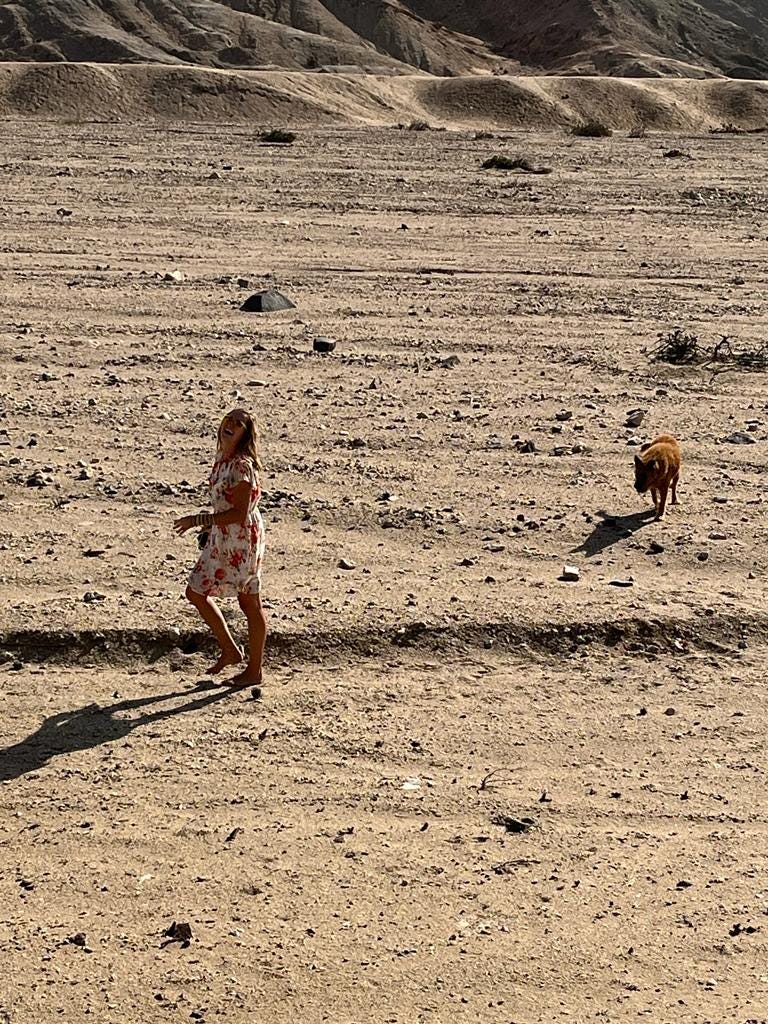
When we got back to the base of the riverbed, we walked barefoot across the broken soil. An activity you’ll only understand once you’ve done it. The soft cracking of the harsh soil is more than soothing at the base of your feet. Your skin connects with the very same desert life.
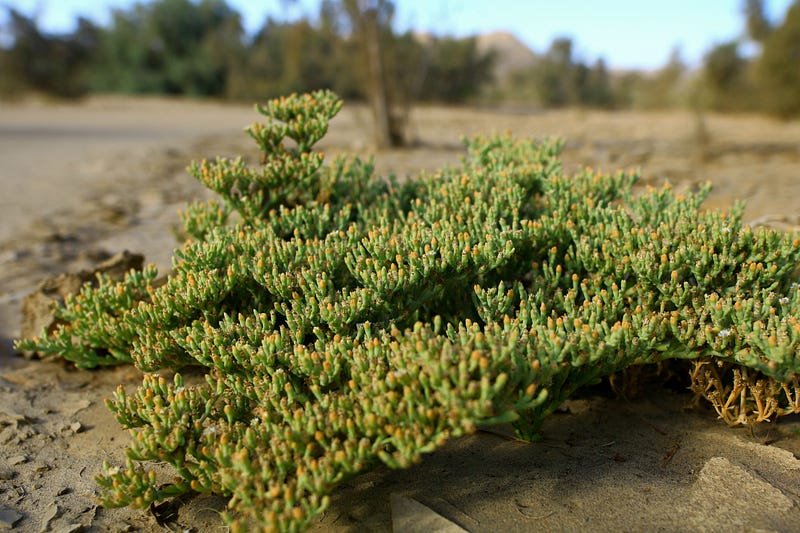
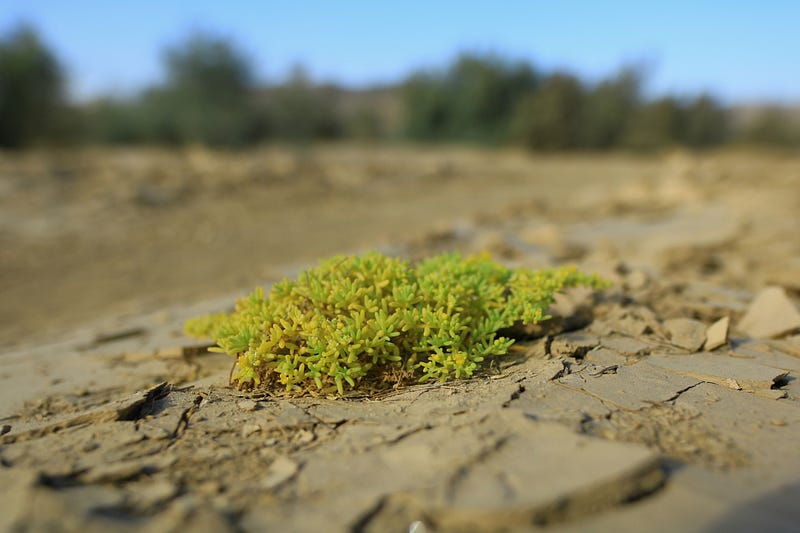
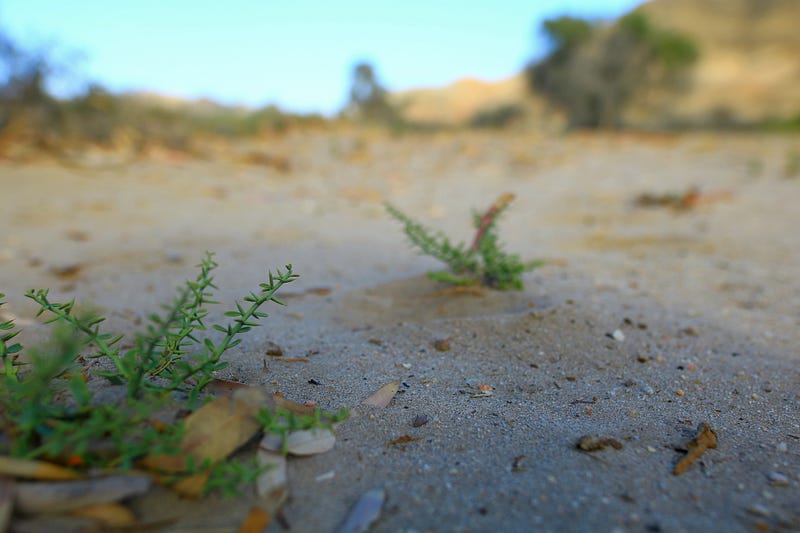
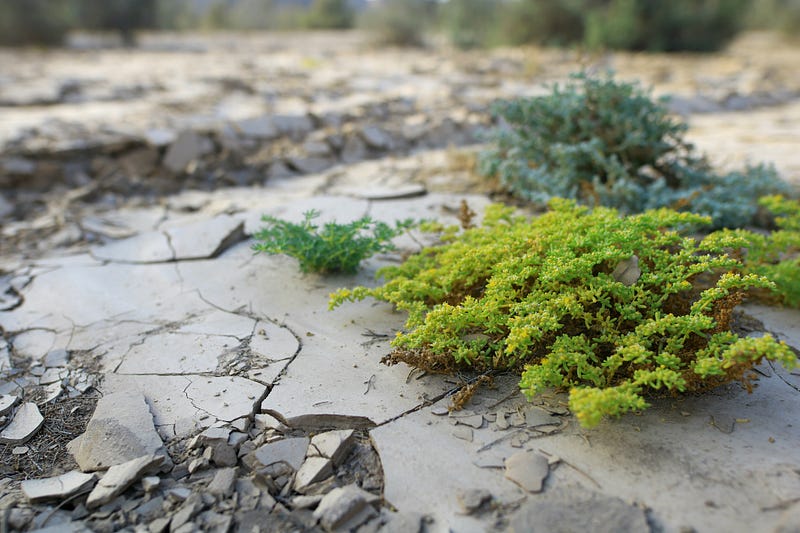
And in between all that broken soil and seemingly nutrient-less sand, patches of grass and succulents are pushing through. The real survivors. Those plants just need very little rain to grow and live.
I loved one specific patch as there were three different kinds of plants growing right next to each other. In three different shades of green. The very best of the Namib Desert’s diversity.
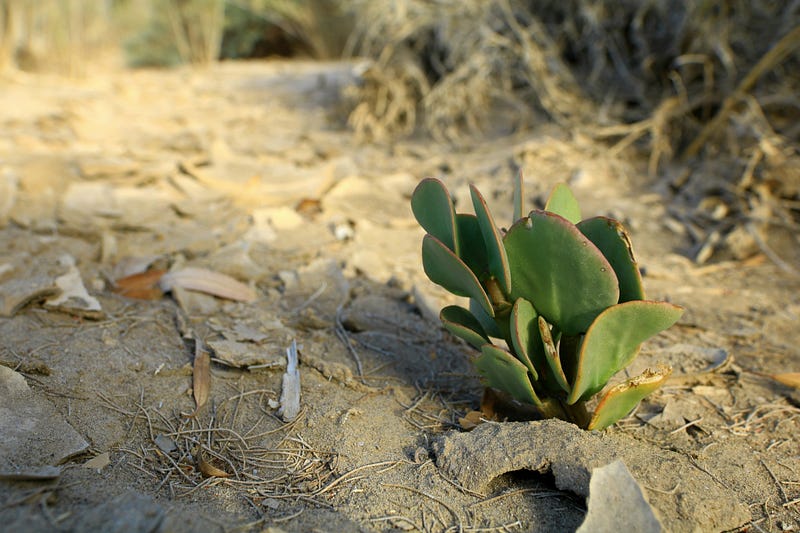
I also spotted a tiny dollar bush. Its round leaves are bitter when eaten but full of water for those in need. Good to know if you are thirsty and lost in the desert.
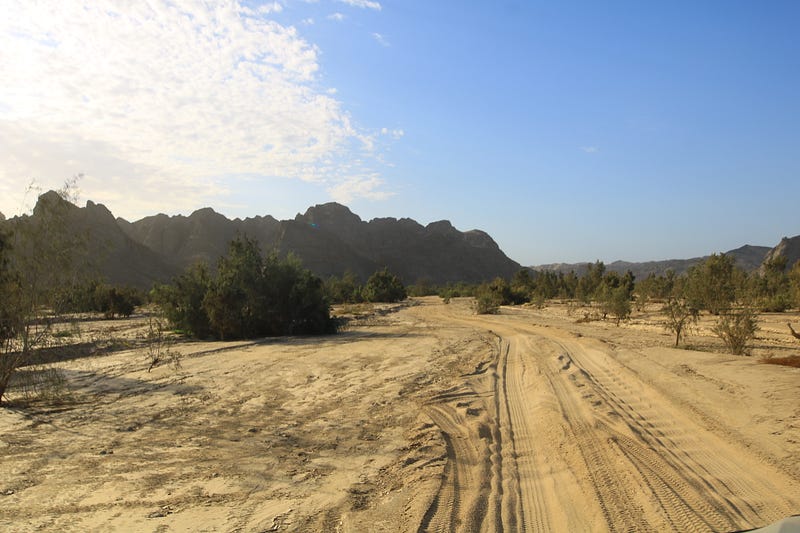
We got back into the car driving toward town. A sandy track lined by bushes on both sides was the road we took home.
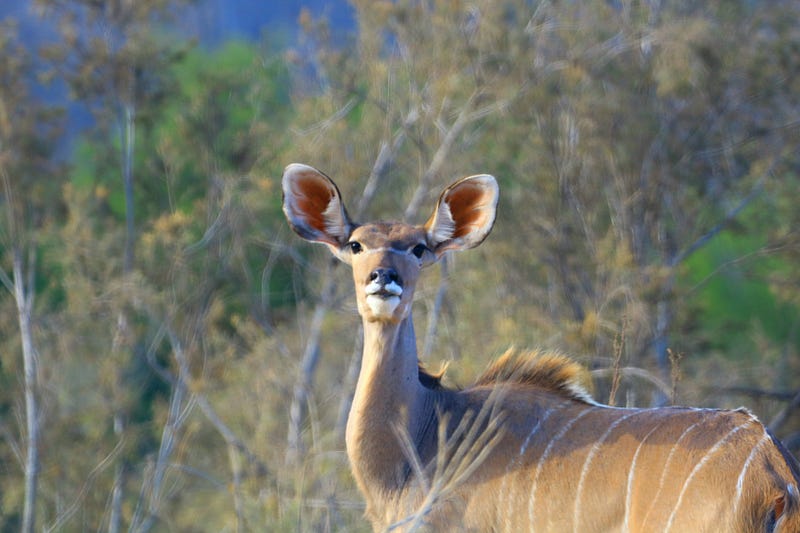
We had just gotten back into cellphone reach when this antelope ran across the path and we had to hit the brakes not to crash into the kudu.
I had the camera on my lap but had the wide-angle lens on. However, I got the shot. In the moment.
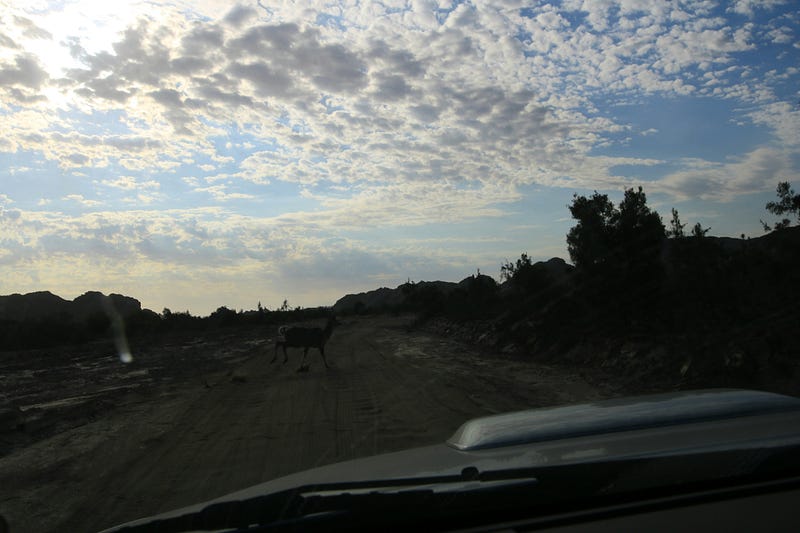
And when I was saying I had the wrong lens on, my friend just said "well, switch lenses, now!".
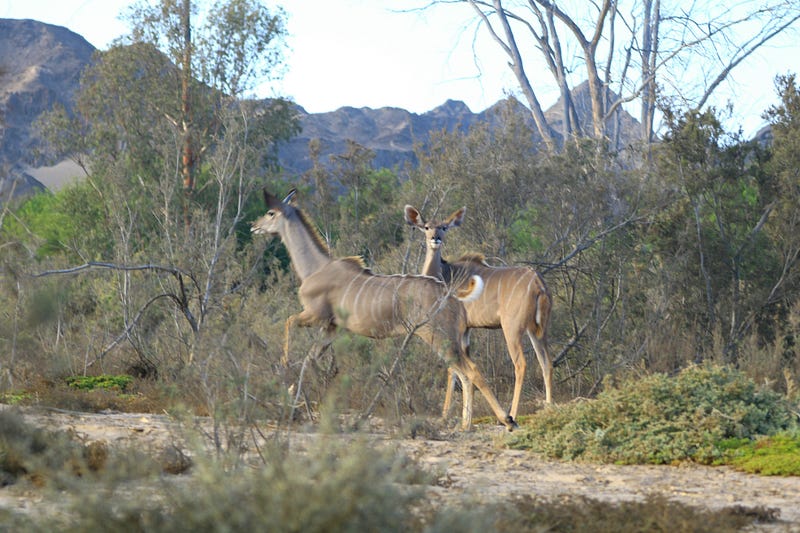
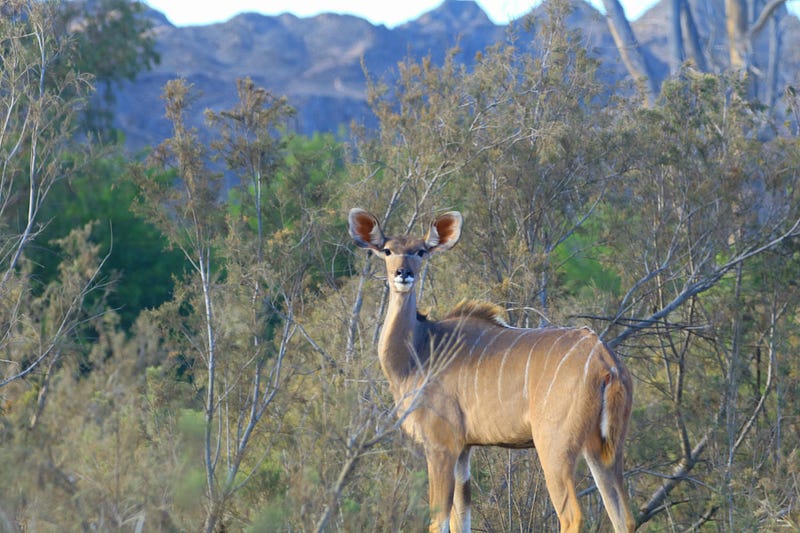
I did as she said and the three young kudu antelopes patiently waited at the side of the track letting me get a better shot.
But let me say, wow! Yes, seeing antelopes in the north of Namibia, in the national park, is not uncommon. We wouldn’t even stop seeing a kudu. But here, in the desert, in the dry riverbed of the Swakop, this sighting is one of the rarer ones.
To say the least, we were ecstatic.
While we were still talking about the wildlife sighting, the driver, my friend, had to hit the brakes again. Again, three antelopes. But these ones were much smaller.
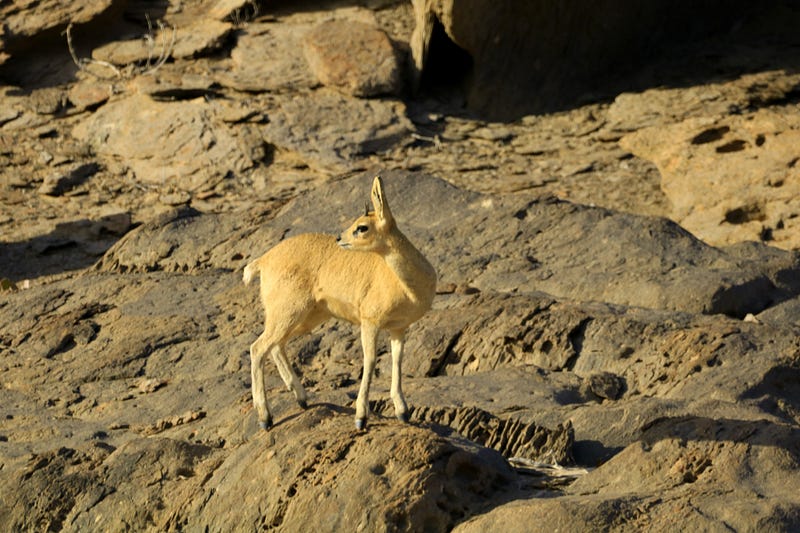
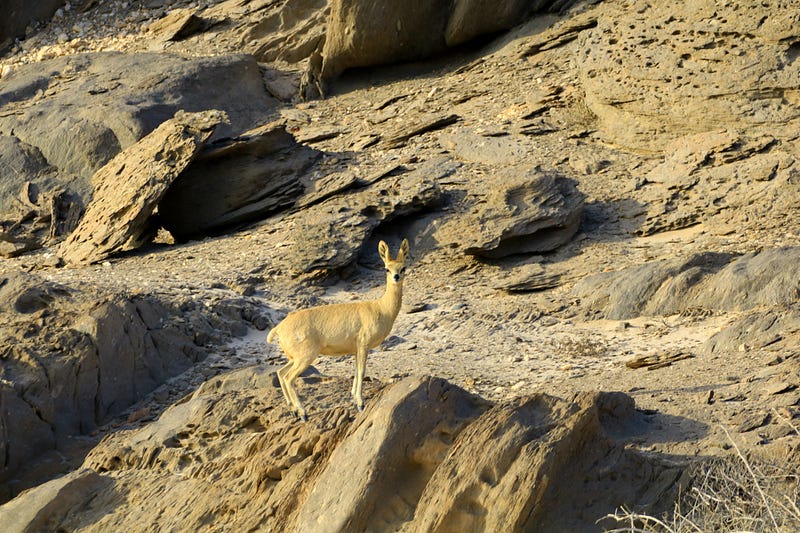
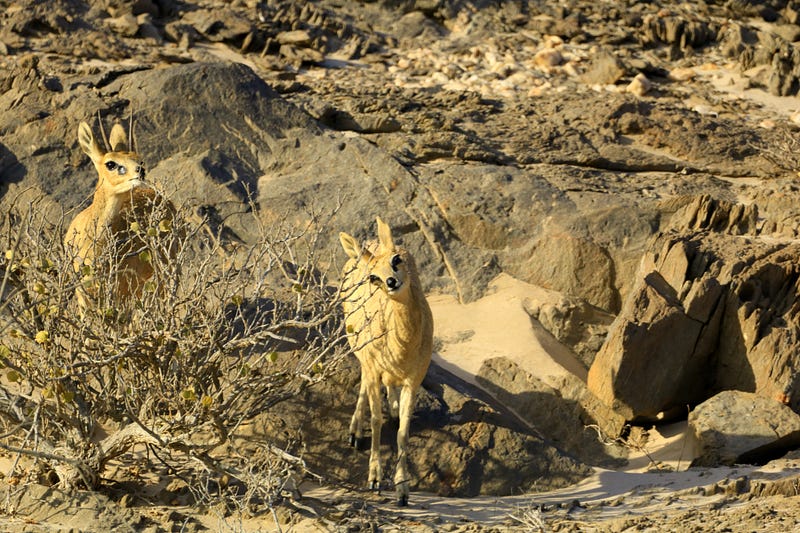
Three klipspringer.
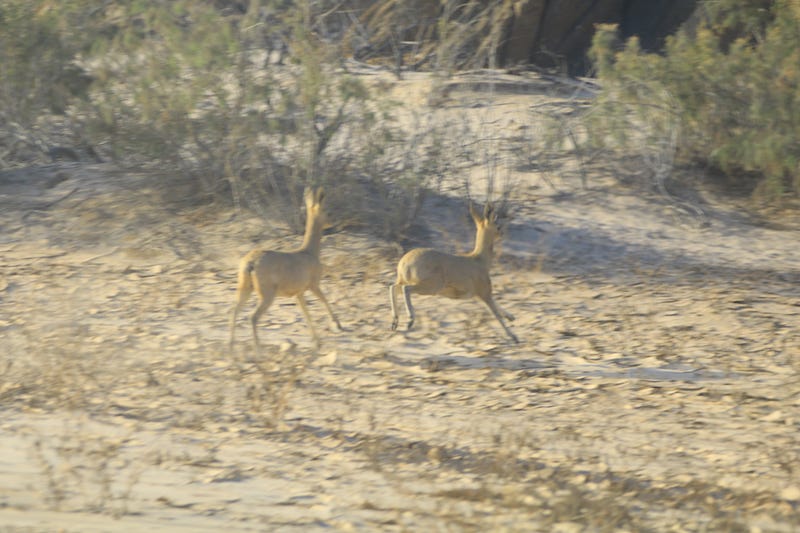
These small antelopes are home to the cliffs in the riverbed but are still very shy and seldom spotted. I’ve seen them often but mostly in pairs and not in groups of three. They also usually run off once spotted but these seemed safe in our vicinity and started feeding off a said dollar bush.
Yes, these antelopes are also serious survivors.
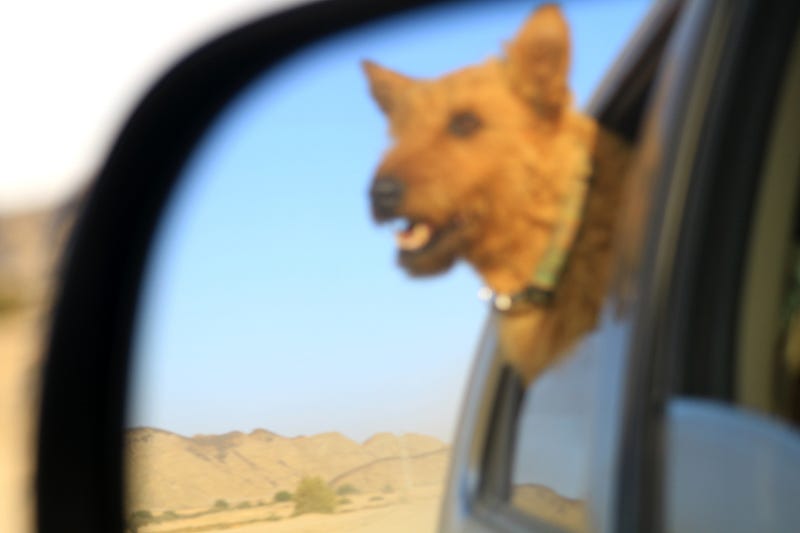
Before we started the car again, I asked everyone what animal we would see next. While the three of us named the animals hyena, ostrich and springbok, nobody had Zak on the list. He jumped from the back of the car to the back row and claimed the window seat.
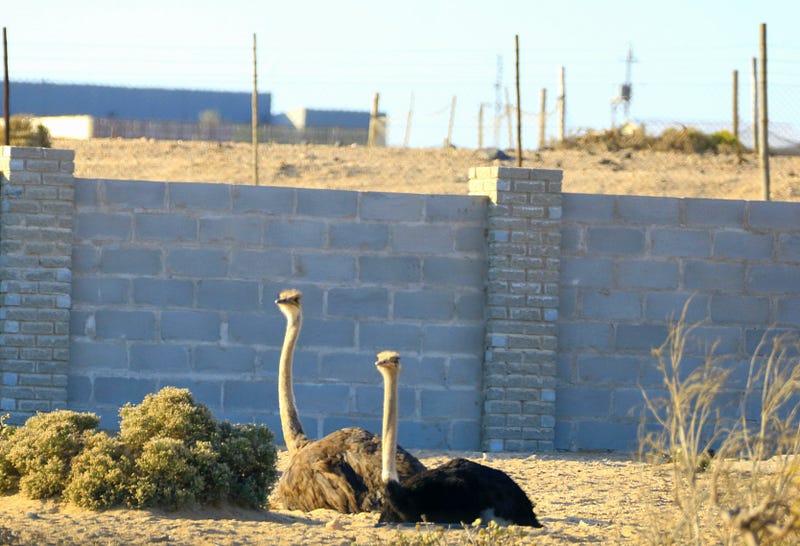
Not long after my friend was talking about weird poles. She said there were ostriches. Or poles. They didn't move. But then the heads turned. So yes, they were ostriches.
Unbelievable.
So much wildlife, so close to the city of Swakopmund. And all of it within 20 kilometers of the Atlantic coastline.
Just where the moon landscape and its rolling hills characterize a small part of the Namib desert. This is where I came to escape city life and find the green.
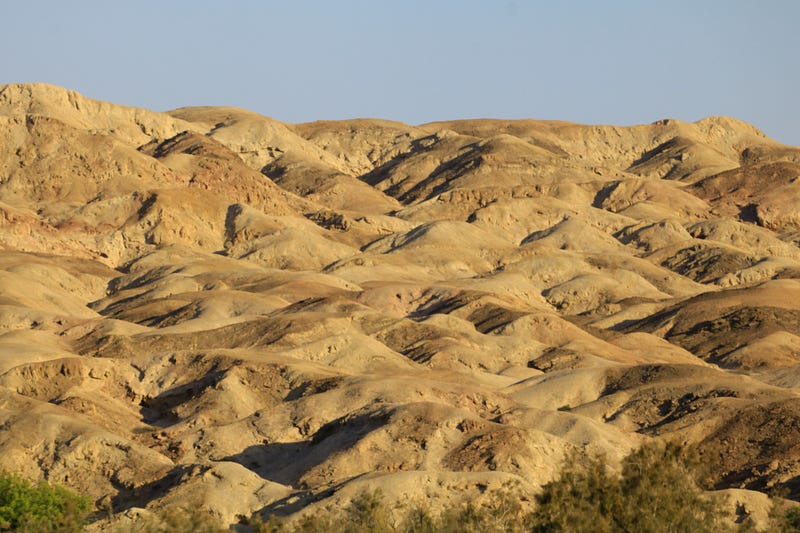
It's where we sat, watched and laughed.
Because that is what life is about. To find those tiny pieces of green in form of small joys and celebrate them.
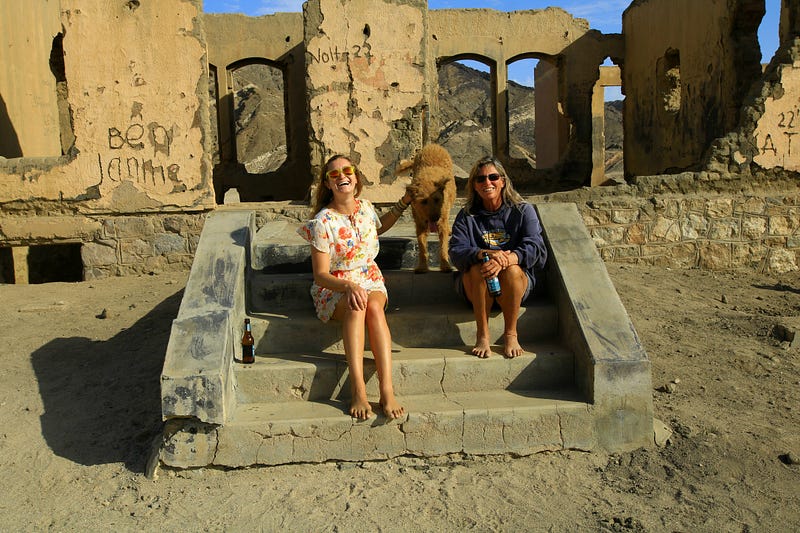
P.S.: Here are those shots from behind the scenes. What I do while wandering through the desert looking for bits of green.
This is a writing prompt to the Globetrotter’s monthly challenge. Read the submission guidelines here:
Others have also chosen to write about the desert and the green one can find in it. See here Julia A. Keirns and her piece about life in dry terrains.
Or this one from Marianne O showcasing the transformation of a landscape.
Join my email list here if you would like to follow this journey and read more travel essays or sign up for the Medium membership to receive unlimited access to my and other writers’ stories out here (I will receive a commission fee in return).
WordPress | Shutterstock | Instagram | YouTube | Mailchimp | Amazon


