
Victory Garden Guide
Spice Up Your Victory Garden with Herbs
Planting and drying a few of your most often used herbs and spices will save money and keep your cooking options open
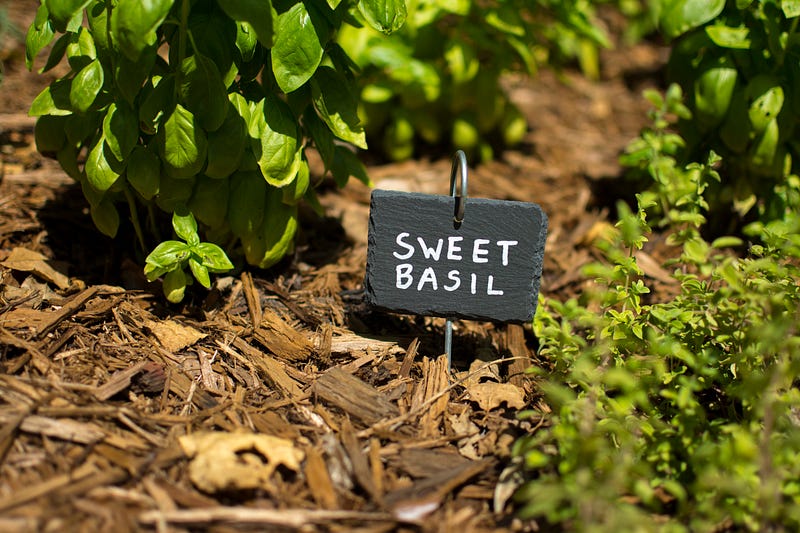
Vegetables and fruits may be the focus of your victory garden but it’s a serious missed opportunity if you don’t include herbs among the edibles you grow. How many times have you had to pass on preparing a dish because the recipe called for a fresh or dried herb you didn’t have on hand? If you plant just the herbs you’re most likely to use, you’ll be ready when it’s time to put together that next delicious recipe.
Select Your Herbs Based on Cuisine
Before you hit the nursery or go nuts ordering seeds, consider the cuisines you enjoy the most. That will tell you which herbs to invest in. You should plant the ones you use most often, but also include some that you only use occasionally that may be harder to find in the grocery store. While there are some herbs that are basic to a wide range of cuisines, some have varieties that are specific to a region; for example, Italian food requires different varieties of basil (such as ‘Genovese’ or ‘Dark Opal’) than the Thai basil varieties used in Asian cuisine (such as ‘Queenette’ or ‘Siam Queen’).
Here are some of the most commonly used herbs in regional cooking that you can grow:
- For South European foods: parsley, basil, oregano, sage, rosemary
- For Asian recipes: cilantro, Thai basil, ginger, lemongrass, curry leaves
- For Central and South American cuisines: oregano, thyme, cilantro, mint, coriander
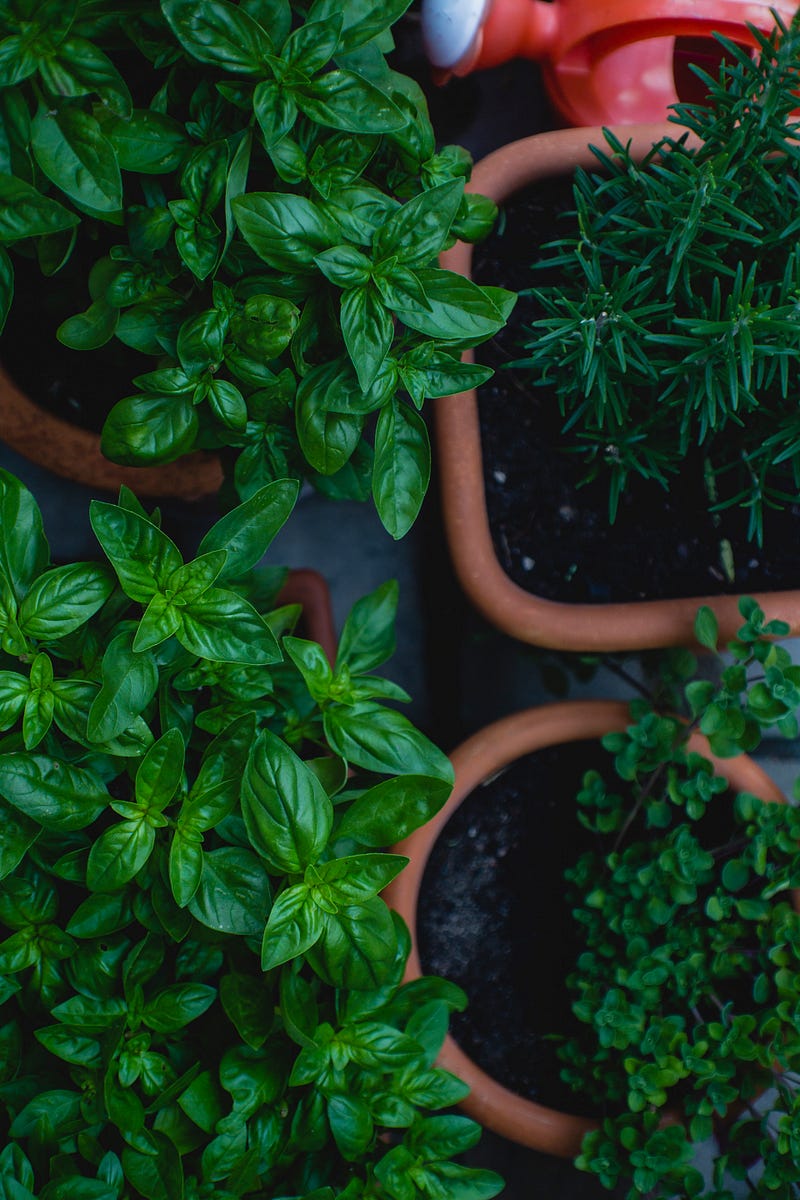
Growing and Harvesting
Herbs need sunlight or they tend to get “leggy,” meaning they grow long, wimpy stems and fewer leaves, which of course is where most of the flavor resides. For the healthiest plants and the fullest flavor, plant them in full sun and water regularly. (Many herbs can be grown indoors on a sunny windowsill as long as they get 6 hours of sunlight a day.) Fertilize lightly with a diluted organic fertilizer every 2–4 weeks.
For peak flavor harvest herbs in mid-morning after the sun has dried the dew on the leaves. Picking later in the day allows some of the plant’s essential oils to dry in the sun, and with the oil goes the flavor.
If you are harvesting the leaves, the flavor will be most intense before the plant starts to flower. If you are harvesting the flowers, try to pick them as soon as possible after they’ve fully opened. If you are harvesting the seeds, gather the seedpods when they’ve started to turn brown and crisp but before they’re ready to burst open.
Drying Herbs to Use Later
While it’s great to use herbs freshly picked from your garden, you should also dry some so that you’ll have them ready for use well into the winter. As long as the herbs have been grown organically, it’s not usually necessary to wash them before drying; just remove any dead leaves or debris and make sure no insects have been harvested along with the herbs. There are several methods available for drying herbs, including solar drying, using a dehydrator, oven drying, and microwave drying, but the simplest method is also the most foolproof: air drying.
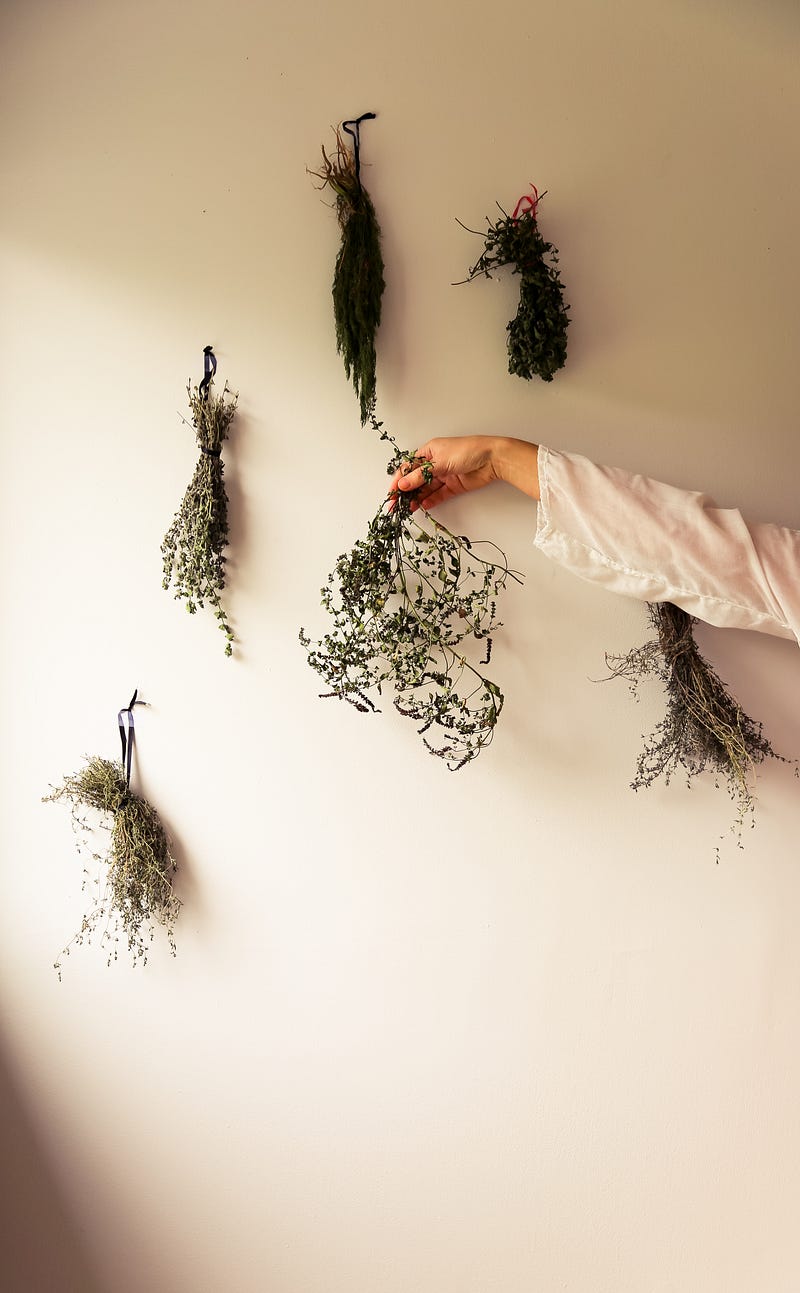
To dry herb leaves like basil, thyme, and oregano, tie small branches and sprigs into little bundles using string or twist-ties. Place the bundles in muslin bags or paper bags with air holes cut in them and tie the bag closed. Hang the bag somewhere cool, dark, and dry, checking on them periodically to determine when they’ve dried completely.
For flowers and seeds, air drying is best done on a screen-covered frame. Spread a layer of cheesecloth over the screen, then lay out the flowers or seeds and top with another layer of cheesecloth. Again, keep them someplace cool, dark, and dry until they’re completely dried out.
Different herbs will dry at different rates and the temperature and humidity will also affect drying times. Keep checking every few days; most herbs will dry completely in less than fourteen days. When drying is complete, store the herbs in airtight containers. They should retain their flavor for six months to a year.
Beyond Herbs
Don’t forget that herbs aren’t the only thing that can add extra zing to your foods. Plant some edible flowers in your victory garden as well to add even more flavor and a little extra color!
If you liked this article, here are some others you might enjoy:
Become a member of Medium.com and you’ll get full access to every story on Medium while your membership fee directly supports Claire Splan and thousands of other writers creating fresh stories you’ll want to read.


