avatarClaire Splan

Free AI web copilot to create summaries, insights and extended knowledge, download it at here

2398

Abstract

ach sowing. First, when seedlings are 2 or 3 inches high, use scissors to thin the plants so the remaining plants are 2–3 inches apart. Those greens you snipped off are nutrient-rich and can be added to salads, sandwiches and other dishes. Then when the radishes are ready to harvest (approximately 28 days after germination), you can pull up the roots and use both the root and the greens. You’ll find seeds to grow radishes in a range of colors from the usual bright red to pink, purple, yellow, and white, and flavors from mild to spicy. Give them as much sunlight as possible, but especially in hotter regions they can tolerate some shade.</p><h1 id="f06c">Beets</h1><p id="a52a">Like radishes, beets are a twofer veggie. Both the greens and the root are edible and nutritious, and you can also use the thinned-out seedlings as a micro-green. They are slower to mature, requiring around 55 days from germination to full growth, but they’re rich in vitamins, minerals and antioxidants, making them well worth the time. Plant in soil or in large containers; they prefer full sun but they can tolerate some shade.</p><figure id="b538"><img src="https://cdn-images-1.readmedium.com/v2/resize:fit:800/1*grFo38G96ff8cEeJR5Md5w.jpeg"><figcaption></figcaption></figure><h1 id="908e">Beans</h1><p id="bc2f">Beans can be grown in the ground or in containers and you can choose from pole (vining) or bush varieties to suit your growing conditions. There’s a wide range of types and varieties and you can choose based on how you want to eat or preserve them — fresh, dried, frozen or canned. You can also eat the flowers of runner beans and the leaves and flowers of fava beans. And here’s an additional bonus: Like any plant from the legume family, beans have nitrogen-fixing nodules on their roots that actually release nitrogen into the soil, leaving it more fertile for your next crop.</p><h1 id="9014">Lettuces</h1><p id="bb70">Lettuce is among the easiest of edibles to grow and they will do well in shady conditions. For an ongoing crop, instead of planting head lettuces, choose from among the loose-leaf varieties, also called “cut-and-come-again” lettuces. These types can be harvested before maturity when the leaves are just a few inches high. Snip the leaves with scissors about an inch from the soil level. Apply a light fertilizer and the leaves will regrow and be ready for another harvest

Options

in just a few weeks. You can buy seeds in mesclun mixes that add a lot of color and flavor to your salads and sandwiches.</p><h1 id="da31">Swiss Chard</h1><p id="2319">For a truly long harvest, it’s hard to beat Swiss chard. If you cut only the outer stalks and leave behind the younger, inner leaves of the plant intact, you can keep the plants growing for months. In milder climates, you can keep it going for over a year! Chard is well suited for container growing and some of the more colorful varieties with bright yellow, pink, orange, or red stems look beautiful tucked in among ornamental plants in the garden. Grow it in sun, grow it in shade — it can even tolerate light frosts.</p><h2 id="6a3f">If you liked this article, here are some others you might enjoy:</h2><div id="7570" class="link-block"> <a href="https://readmedium.com/spice-up-your-victory-garden-with-herbs-be45f4b3ba5"> <div> <div> <h2>Spice Up Your Victory Garden with Herbs</h2> <div><h3>Planting and drying a few of your most often used herbs and spices will save money and keep your cooking options open</h3></div> <div><p>medium.com</p></div> </div> <div> <div style="background-image: url(https://miro.readmedium.com/v2/resize:fit:320/0*GnqxYSh_qNKtlvZZ)"></div> </div> </div> </a> </div><div id="aea7" class="link-block"> <a href="https://readmedium.com/whats-the-best-tomato-to-grow-15a84addc347"> <div> <div> <h2>What’s the Best Tomato to Grow?</h2> <div><h3>The answer depends on your location and gardening conditions</h3></div> <div><p>medium.com</p></div> </div> <div> <div style="background-image: url(https://miro.readmedium.com/v2/resize:fit:320/0*vGpmAx8Ji5yEhsP-)"></div> </div> </div> </a> </div><p id="05ff"><a href="https://clairesplan.medium.com/membership"><i>Become a member of Medium.com</i></a> <i>and you’ll get full access to every story on Medium while your membership fee directly supports <a href="https://clairesplan.medium.com/">Claire Splan</a> and thousands of other writers creating fresh stories you’ll want to read.</i></p></article></body>

Easy Growing

The 5 Best Veggies to Grow in Your First Edible Garden

Plant these quick-growing, space-saving, more-bang-for-your-buck winners.
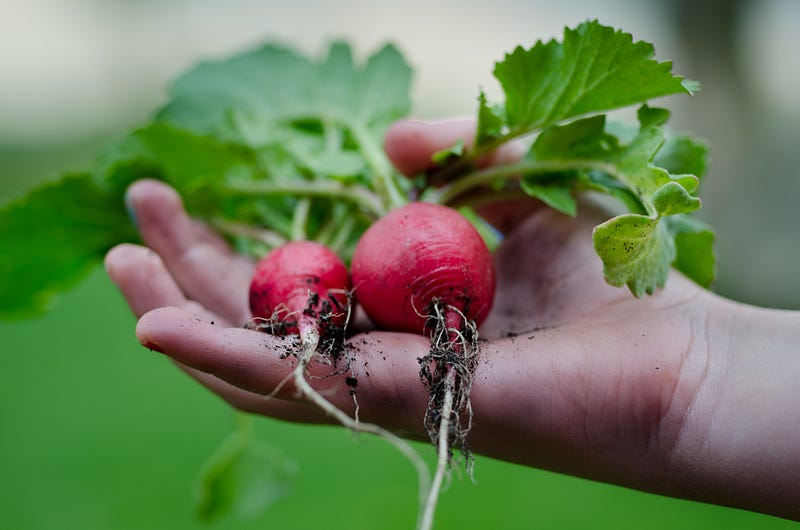
Photo by Skitterphoto from Pexels

So you’ve decided to grow a few vegetables and maybe it’s your first foray into gardening. Maybe you don’t have a lot of space, or possibly you don’t have even a patch of dirt to call your own. Perhaps whatever space you do have doesn’t get a lot of sunshine. But you’re undaunted and have big dreams of meals concocted from delectable ingredients grown just outside your door. Admit it — you’re even considering calling it a potager. Pourquoi pas?

And then you start looking at a seed catalog and you quickly go into brain lock. There are so many vegetables and so many varieties of each vegetable — how do you choose?

Of course, the best veggies to grow are the ones that you and your family actually like to eat or that you plan on sharing with a food bank or your neighbors. But, that being said, some veggies are more rewarding than others in terms of propagation, yield, or adaptability.

So let me make it simple for you. I’ve pared it down to the five best veggies to grow. But I’m not just talking about the easiest to grow. I’ve selected these five winners because they excel in several ways. They are all:

  1. Easy to grow
  2. Suitable for small-space or container growing
  3. Shade tolerant (to some degree)
  4. Productive

Plant these five vegetables and in as little as 30 days you can begin to reap your own homegrown harvest.

Radishes

The best thing about radishes is that you can essentially get two harvests from each sowing. First, when seedlings are 2 or 3 inches high, use scissors to thin the plants so the remaining plants are 2–3 inches apart. Those greens you snipped off are nutrient-rich and can be added to salads, sandwiches and other dishes. Then when the radishes are ready to harvest (approximately 28 days after germination), you can pull up the roots and use both the root and the greens. You’ll find seeds to grow radishes in a range of colors from the usual bright red to pink, purple, yellow, and white, and flavors from mild to spicy. Give them as much sunlight as possible, but especially in hotter regions they can tolerate some shade.

Beets

Like radishes, beets are a twofer veggie. Both the greens and the root are edible and nutritious, and you can also use the thinned-out seedlings as a micro-green. They are slower to mature, requiring around 55 days from germination to full growth, but they’re rich in vitamins, minerals and antioxidants, making them well worth the time. Plant in soil or in large containers; they prefer full sun but they can tolerate some shade.
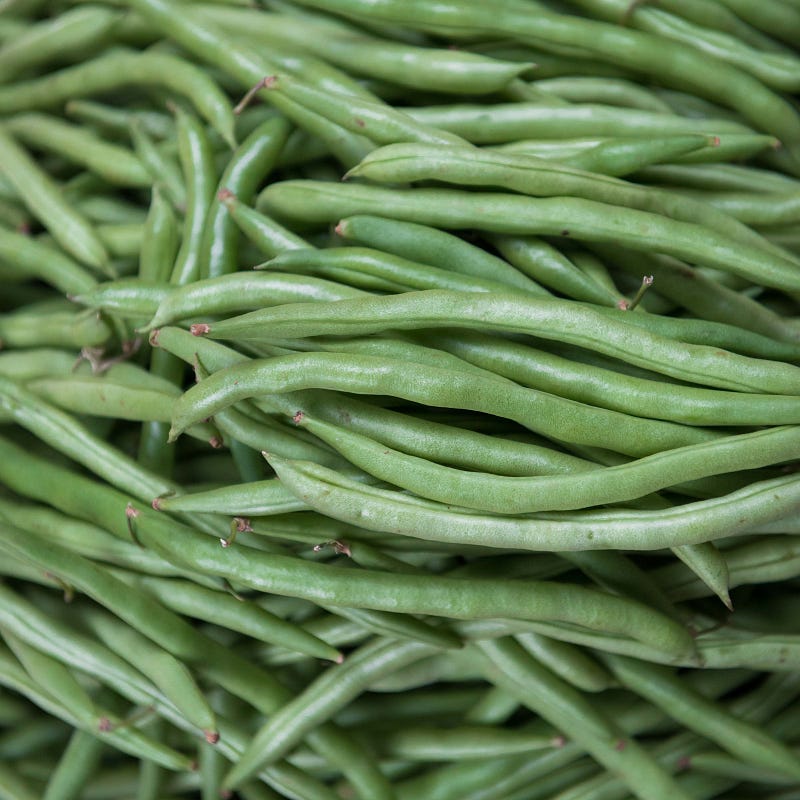
Beans

Beans can be grown in the ground or in containers and you can choose from pole (vining) or bush varieties to suit your growing conditions. There’s a wide range of types and varieties and you can choose based on how you want to eat or preserve them — fresh, dried, frozen or canned. You can also eat the flowers of runner beans and the leaves and flowers of fava beans. And here’s an additional bonus: Like any plant from the legume family, beans have nitrogen-fixing nodules on their roots that actually release nitrogen into the soil, leaving it more fertile for your next crop.

Lettuces

Lettuce is among the easiest of edibles to grow and they will do well in shady conditions. For an ongoing crop, instead of planting head lettuces, choose from among the loose-leaf varieties, also called “cut-and-come-again” lettuces. These types can be harvested before maturity when the leaves are just a few inches high. Snip the leaves with scissors about an inch from the soil level. Apply a light fertilizer and the leaves will regrow and be ready for another harvest in just a few weeks. You can buy seeds in mesclun mixes that add a lot of color and flavor to your salads and sandwiches.

Swiss Chard

For a truly long harvest, it’s hard to beat Swiss chard. If you cut only the outer stalks and leave behind the younger, inner leaves of the plant intact, you can keep the plants growing for months. In milder climates, you can keep it going for over a year! Chard is well suited for container growing and some of the more colorful varieties with bright yellow, pink, orange, or red stems look beautiful tucked in among ornamental plants in the garden. Grow it in sun, grow it in shade — it can even tolerate light frosts.

If you liked this article, here are some others you might enjoy:

Become a member of Medium.com and you’ll get full access to every story on Medium while your membership fee directly supports Claire Splan and thousands of other writers creating fresh stories you’ll want to read.

Gardening
Food
Outdoors
Edible Gardening
Gardening Tips
Recommended from ReadMedium