
What’s the Best Tomato to Grow?
The answer depends on your location and gardening conditions
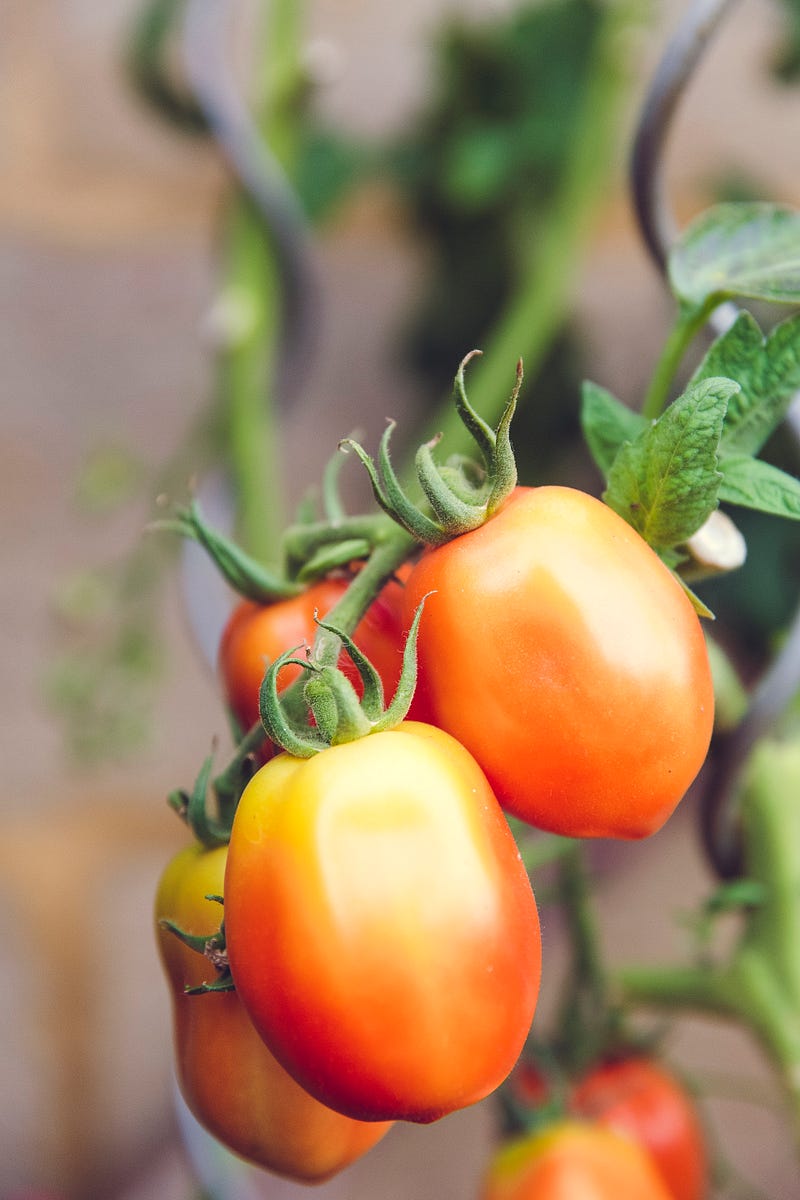
If you want to grow truly delicious tomatoes this summer, the first step is the most crucial to your success: picking the best variety for your climate and growing conditions. Make the wrong choice and you’ll get fruit that is smaller and blander than you were hoping for. Make the right choice and you can have a bounty of fruits that are ripe, juicy, and full of flavor.
And the time to choose is now, when seed companies are well stocked with a selection of tomato varieties that is more diverse and plentiful than what you’re likely to see in seedling form in your local nurseries later in the year. Shopping for seeds now will improve your chances for tomato success, but only if you pay attention to the details and don’t allow yourself to get seduced by the glossy catalog photos of tomato porn.
Here’s what to pay attention to when you shop for tomato seeds.
More heat = Bigger fruit
When selecting tomato varieties, keep in mind that the bigger the fruit, the more heat you need for ripening. Without a lot of heat, larger tomatoes may grow but not develop great flavor. That means cooler regions will have a harder time growing beefsteak tomatoes but may do fine with the smaller fruits, which can still pack a lot of flavor into a small package. That includes everything from the tiny currant and grape varieties to cherry, campari (tomatoes-on-the-vine), slicing, or maybe even paste/plum varieties.
Bush vs. vine
In addition to climate concerns, you should also pay attention to whether the plants are determinate or indeterminate.
- Determinate varieties are bushier, more limited in height, and can sometimes get by without staking or other support. They tend to bear the heaviest crop in a shorter time frame, which can be helpful if you want to plan on canning in big batches. Also, if you want to grow tomatoes in containers rather than in the ground, determinate varieties are your best option.
- Indeterminate varieties are more like vines and can grow to 6 or 7 feet with the proper support. Be prepared to provide some heavy-duty caging or a trellis for these plants; once they start fruiting, branches can get quite heavy and those small wire tomato cages you see in the garden centers are probably not going to be sturdy enough. Indeterminate plants are typically more productive than determinate types, bearing fruit over a longer period of time.
Tomatoes for mild climates
For areas with cool or short growing seasons, recommended varieties include ‘Early Girl’, ‘Fourth of July’, ‘Stupice’, ‘Gold Nugget’, and ‘Oregon Spring’. Smaller tomatoes (cherry, grape, or currant) tend to do well in cooler areas as well. Some of the favorites of the small tomatoes include ‘Sun Gold’, ‘Candyland’, ‘Sweet 100’, ‘Tumbler’, and ‘Juliet’. Look for seeds that mature in 75 days or fewer.
Tomatoes for hot climates
In hot-summer areas, you can take on growing the biggest of the varieties. Large beefsteak tomatoes do well in these regions; recommended hybrids include ‘Beefsteak’, ‘Big Beef ’, ‘Damsel’, and ‘Delicious’. Other heat-loving tomatoes to try include ‘Green Zebra’, ‘Pink Berkeley Tie Dye’, and ‘Solar Flare’. Those hot summers mean that you can broaden your choices to include varieties that require up to 85 days to mature.
Specialty varieties
Heirloom varieties gain more fans every year, but they do have some challenges in terms of their susceptibility to disease. For tomato lovers, the flavor of heirlooms may be worth the risk. Some favorite heirloom varieties include ‘Brandywine’, ‘Mortgage Lifter’, ‘Green Zebra’, ‘Black Krim’, ‘Cherokee Purple’, ‘Marvel Stripe’, and ‘Principe Borghese’.
Be on the lookout for grafted tomatoes, which are appearing on the market more frequently. By grafting heirloom varieties onto hybrid rootstocks that are more vigorous and disease resistant, growers have created plants that offer the flavor and variety of heirlooms without so many of the problems. Only a few growers are doing this so far, and the plants are more expensive than typical tomato plants, but they tend to be high-yielding and some people even report getting a second year of tomatoes from the plants.
Bonus tip
Want to find the ideal spot in your garden to grow tomatoes? Plant them against a south-facing wall or fence, which retains the heat from the afternoon sun and radiates it back onto the plants. Your tomatoes will love it!
For more information on growing tomatoes, check out my book, Not-So-Hot Tomatoes: Growing Delicious Tomatoes in Cooler Climates, available in ebook and paperback on Amazon.
Claire Splan is an award-winning garden writer and the author of California Fruit & Vegetable Gardening and California Month-by-Month Gardening.
Become a member of Medium.com and you’ll get full access to every story on Medium while your membership fee directly supports Claire Splan and thousands of other writers creating fresh stories you’ll want to read.


