
Growing Flowers for Flavor
Dress and spice up your dishes with edible flowers picked fresh from your garden
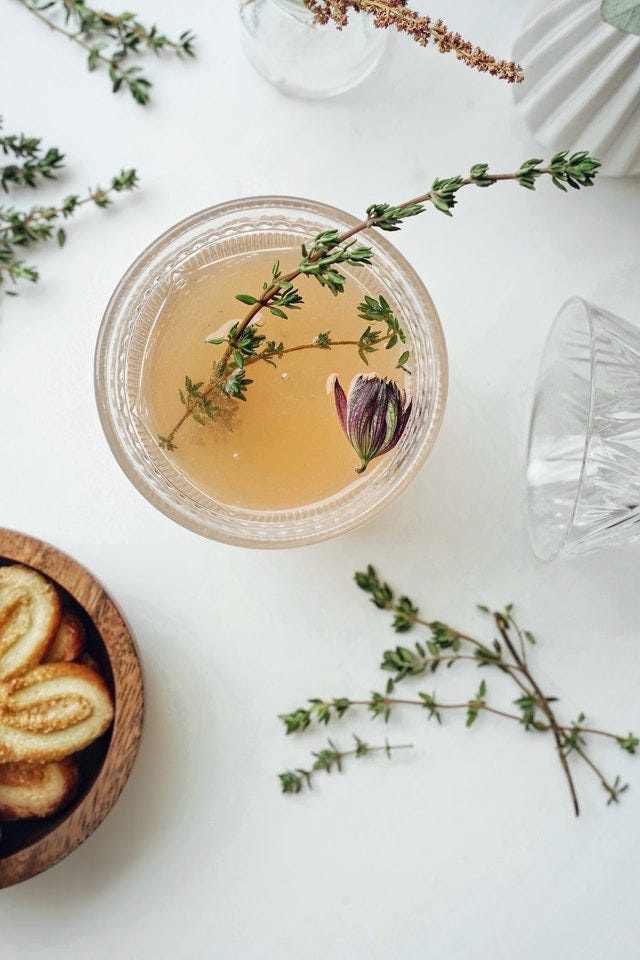
There’s more to growing edibles than just fruits, vegetables, herbs, and nuts. Don’t forget flowers! Some of the blossoms you already have growing could easily find their way into your lunchtime salad, decorate your favorite dessert, or add the finishing touch to an artisanal cocktail.
Here are some common flowers that you can grow to cook with or to safely garnish a dish:
- Bachelor’s button/cornflower (Centaurea cyanus)
- Bee balm/bergamot (Monarda didyma)
- Borage (Borago officinalis)
- Breadseed poppy (Papaver spp.)
- Calendula (Calendula officinalis)
- Carnation/Sweet William (Dianthus caryophyllus, barbatus)
- Chamomile (Matricaria recutita)
- Chrysanthemum (Chrysanthemum spp.)
- Daisy (Bellis perennis)
- Dandelion (Taraxacum officinale)
- Daylilies (Hemerocallis lilioasphodelus)
- Hibiscus (Hibiscus rosa-sinensis)
- Lavender (Lavendula)
- Lilac (Syringa vulgaris)
- Golden marigold (Tagetes tenuifolia)
- Nasturtium (Tropaeolum majus)
- Pansy (Viola × wittrockiana)
- Rose (Rosa)
- Scented geranium (Pelargonium)
- Sunflower (Helianthus annuus)
- Tuberous begonias (Begonia × tuberosa)
- Violet (Viola odorata)
Some of these flowers can be eaten in their entirety; others have only edible petals. For some, like the breadseed poppy and the sunflower, it’s the seeds that are edible. Roses not only have edible petals, but the rose hips (seedpods) can be used for jellies, teas, or other dishes.
It’s best to harvest the flowers in the morning and keep them in water if you’re not going to use them until later in the day. Rinse them well in cool water, making sure that no insects are hiding in the petals. Add the flowers to your dishes (especially hot or warm dishes) just before serving so they still appear fresh.
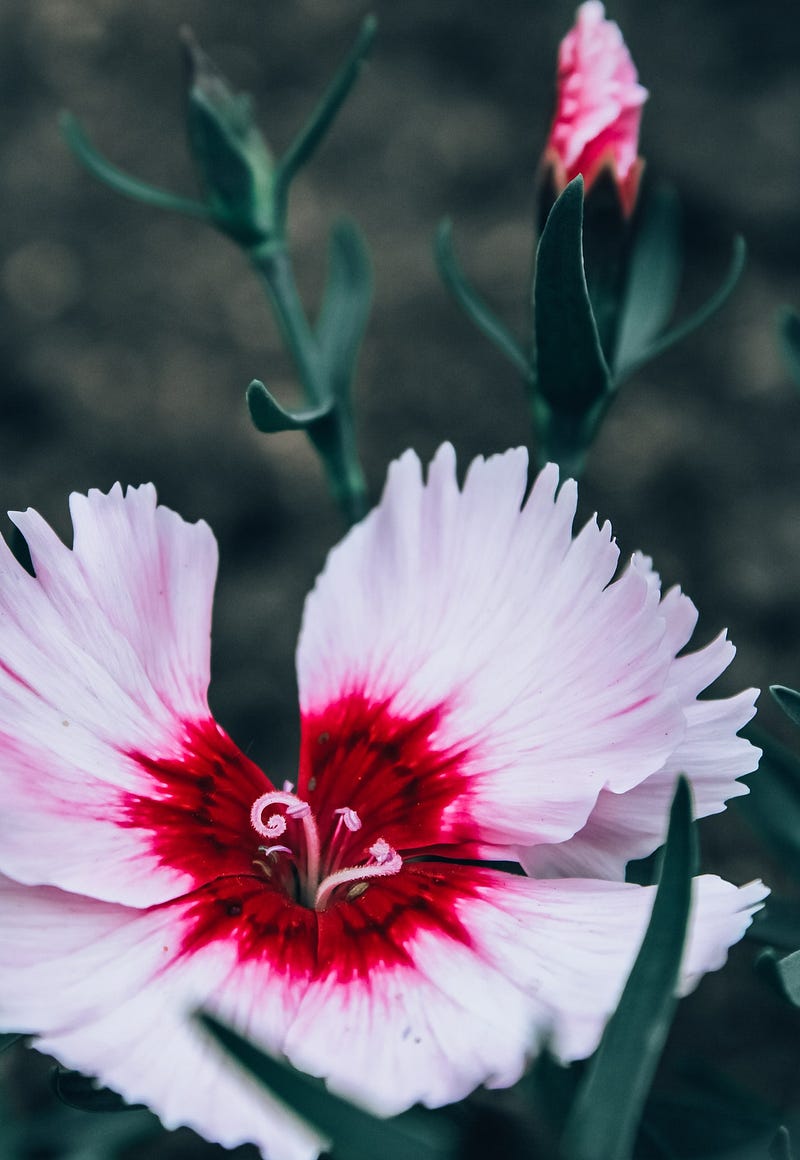
It is important to note that any flowers used in food must not be treated with pesticides. Also, never eat flowers you find growing on the side of the road — who knows what car emissions and other toxins they may have absorbed!
Some disclaimers: Some people can have allergic reactions, particularly to the pollen of some flowers. And since plants may have some parts that are edible and other parts that are highly poisonous, you should research any flower you use in food to make sure you are using only the edible parts.
If you liked this article, check out these stories too:
Become a member of Medium.com and you’ll get full access to every story on Medium while your membership fee directly supports Claire Splan and thousands of other writers creating fresh stories you’ll want to read.


