
So You Want to Move to Costa Rica?
It’s not easy, but here’s how.
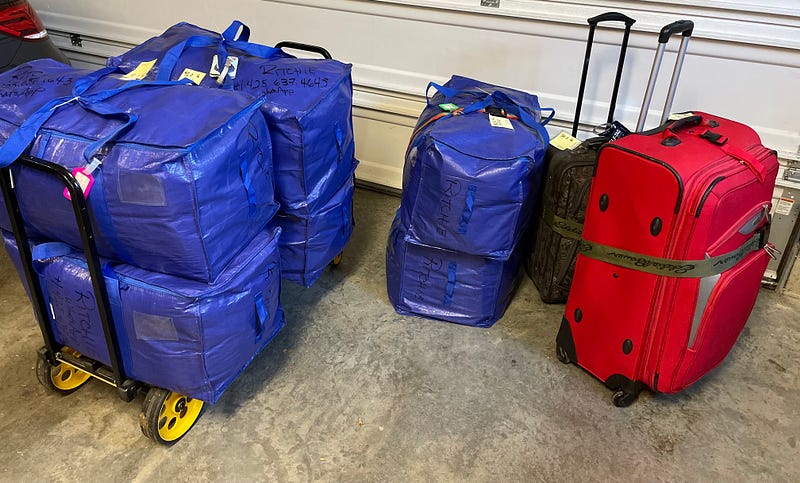
It’s a major life-changing decision to become an expat and an immigrant at the same time. There will be emotional issues and effects, but right now I’m going to talk about the basic mechanics of getting here and figuring out how to live in this magnificent country. It should go without saying (but I’m going to say it anyway) that speaking Spanish is a major plus.
Step One: Income
Make sure you have enough income (Social Security will probably suffice) to support yourself, after paying for your moving expenses, keeping enough stashed to rent or buy a comfortable place in a location you desire. See Step Five, below, for more on income requirements for pensioners.
You will not be permitted to work within the local economy, but you can earn money by setting up your own business or as a digital nomad. https://www.travelandleisure.com/travel-news/costa-rica-digital-nomad-visa
Step Two: Location, Location, Location
Do your research. There are few civilized places in the world, the USA not among them, where retirees on Social Security can afford to live. Portugal, Panama, Thailand, Costa Rica are at the top of that list. I’ve been traveling to Costa Rica for nearly two decades, love it here, and have a supportive network of friends to help with the transition.
It’s important to set foot on the ground here before making that big decision. Costa Rica is splendid in so many ways but it’s not for everyone.
Step Three: Downsize
Donate all your winter clothes. Do you really want to save a couple of outfits for that “someday trip back to the States in winter?” Forget it. Winter is when the weather is the most awesome in Costa Rica and no one in their right minds would leave here then. Wait until summer when it rains here (i.e., pours buckets) every afternoon.
Sell your car. Automobile specs are different here and local mechanics aren’t necessarily familiar with a lot of brands common in the USA. And, no matter how much you love your current vehicle, it won’t be worth the shipping and tax, which can be as much as 80% of your car’s current value. Regarding EVs, the infrastructure is not in place yet, but it’s coming. If you do bring your EV, plan to charge your car only at your residence, for now.
If you love your bed, bring it. Same for your favorite reading/napping sofa. Comfortable furniture is not a thing here.
Bring your favorite books. Get a Kindle or other eBook reader. Books are not readily available here, especially not en inglés. Sign up for Amazon Prime.
Step Four: Household Goods
Big, difficult decisions are in store for you.
Bring your kitchen stuff, for sure. Most things can be replaced here, but I’ve grown attached to the FiestaWare I’ve collected for decades, among many other items I just couldn’t part with. For example, I love the pots and pans I’ve had for 50 years and wouldn’t know how to cook without them. However, if you’re in your 20’s and 30’s, get rid of everything and start over. You’ll be glad you did. For the rest of us, it’s just not possible to cut those ties.
Favorite rugs, favorite art, linens, your pillows… bring what you can’t bear to leave behind, and sell off the rest. Your place in Costa Rica will likely be smaller than your current residence.
Find a reliable, trusted shipping agent who knows what they’re doing. I highly recommend GetItHereJerry.com. They ship by container and will deliver your goods, once the customs people have had their way with every item you own, all the way to your new residence in Costa Rica. It’s not quite that simple, but they’ll help you figure it out. Remember that every item you ship will be taxed, in some cases costing you more than you paid for the item.
Step Five: Immigration and Residency
For us oldsters, there’s a special category of residency called Pensionado. Briefly, you will need proof of $1000/month pension income for life, your original birth certificate, and a letter from the FBI that says you’re not a criminal. Here’s more on that: https://visaguide.world/retirement-visa/costa-rica/. I strongly recommend you hire a law firm to help you. It’s complicated, requires many steps, and there are multiple agencies involved. Do not attempt this on your own.
Step Five: Border Runs
While you’re waiting for resident status, you will be required to leave the country every 90 days. Your visa will be renewed for another 90 days when you return. Most expats here head for Panama or Nicaragua for this purpose, or occasionally return to their home country to visit relatives.
Step Six: Finding a Place to Live
This step should probably come first, but it’s not exactly straightforward. Everyone should visit this country a time or two at least, and explore all the different regions: Pacific Coast, North Pacific (Guanacaste), Southern Zone, The Caribbean coast, the interior (San Isidro De El General), mountain villages where the temperatures are mild and no air conditioning is needed, and so forth. Some of the beaches are overly touristy, expensive, and too hot for my tastes. The suburbs around San José can be lovely, but it’s crowded, traffic is unbelievable, and no me gusta. For many of us escaping the US (or wherever we’re escaping), it’s preferable to live among the locals, and sink into that delicious pura vida that has made this country so attractive to so many.
I would strongly suggest finding a temporary rental on Airbnb, or similar, and launch from there.
If you’re a retiree, it will be in your best interest to buy a casita or condo. Here, you will pay cash for the full purchase price and then own your place in the clear. You’ll need an attorney and probably an escrow company to help you. Moving large sums of money to Costa Rica is a big challenge because of rigorous banking protections against drug trafficking. But it can be done, and we all do it—with help.
Final Step: Make Your Decision and Get Started
Once my decision was final, it took almost three months to actually get here. I packed everything myself, and then handed all that over to a local moving company to palletize and shrink-wrap everything in preparation for loading onto a container.
I sold what I could sell—including my beloved Subaru CrossTrek—got plane tickets, booked a hotel near the SJO airport, hired a driver to meet me, bought a car in Costa Rica (from a friend), booked a rental house for a few months, and started shutting down my life in the States. I booked my shipping agent well ahead of time too.
Save time for lots of going-away parties. Find a ride to the airport, making sure there’s plenty of room in their car for all your many bags. I had 10 total.
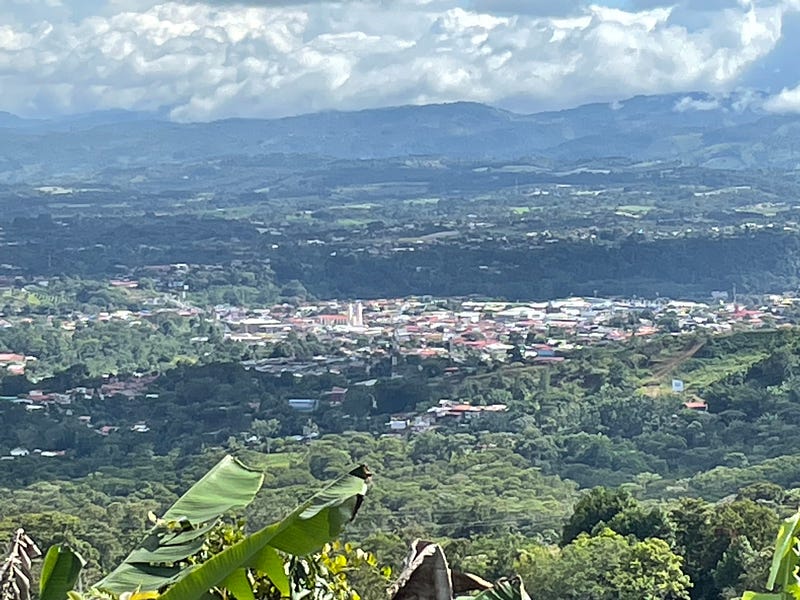
And finally, once you’ve arrived, allow yourself plenty of time to de-stress and get used to your new surroundings. Allow yourself a minimum of 21 days before you make any big decisions or spend any big money. By the beginning of the third week here you’ll start to relax a little, slow down, your skin will start to look and feel years younger, and you’ll begin that delicious envelopment in pura vida, a term that cannot be explained. You’ll know it when you feel it.
Welcome to my new world!
For more than you ever wanted or needed to know about this wonderful place, read on. I know you can’t resist. :D