
A Farmer’s Creative Sabbatical (2)
Tico Tales: Aprendizaje (Learning)
On my last journey to Costa Rica, I spent a morning walking the capital city of San José. On previous trips, I had missed opportunities to visit the Museo del Oro, which houses an incredible collection of pre-Colombian artifacts — from back when indigenous tribes lived in harmony with nature and as a vital part of it.
I was determined last time to spend a day exploring this mind-blowing museum and learning more about the culture and history of these amazing people.
Loosely translated (my Spanish is marginal, at best), a sign posted at the entrance to the museum states that it “was built in recognition of the connections we have with all other things and with the world. This process is complex, integral and nonlinear. It is the way that we have lived since before we were born.”
Today, the lands belonging to indigenous tribes, especially in Central and South America, are under extreme pressure from agriculture and development. Despite the Costa Rican government’s laudable efforts to protect and preserve the ecology here, a way of life in harmony with Nature is disappearing.
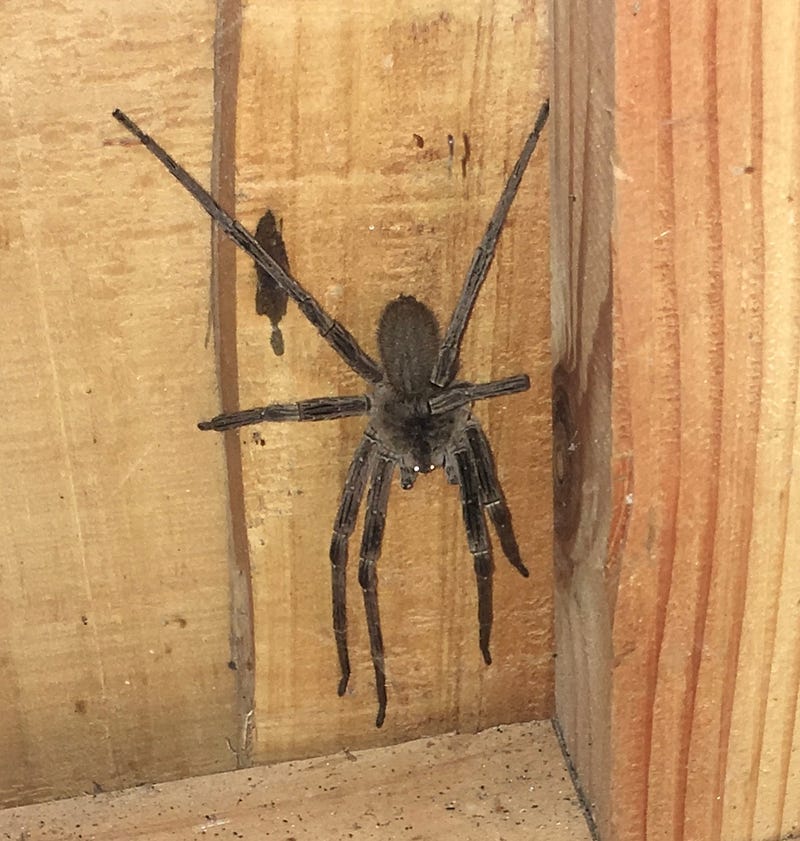
In Costa Rica, the saying is, “If you kill something, you have to eat it.” This includes that eight-inch tarantula I found living peacefully under the bathroom sink, or the random cucaracha scurrying across the kitchen counter at night.
People here understand that all creatures are valuable, even essential, to the web of life, to the total ecosystem that sustains all life on this planet. It’s a delicate balance where every action has an impact on everything else.
I’m not saying we should invite tarantulas to come live with us, but if one does, show her out kindly. She deserves to live too.
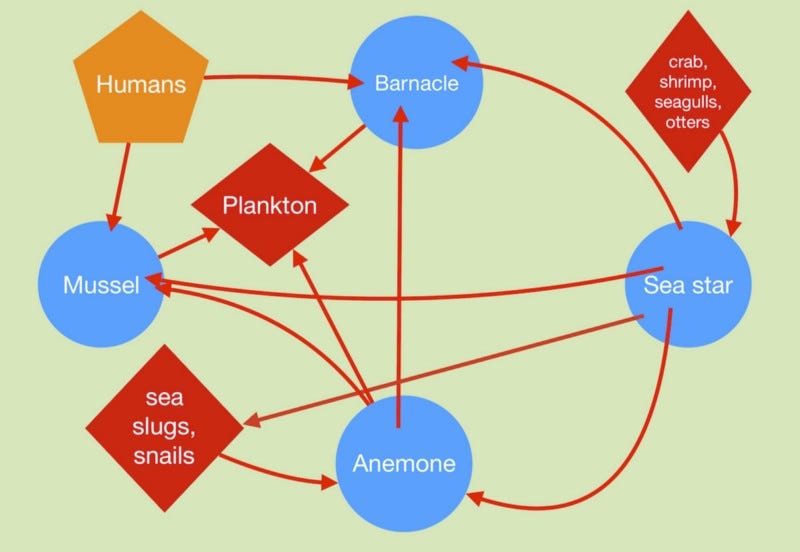
In the very first issue of Salish Magazine, there’s a simplistic diagram of a sampling of the connection pathways among just a few creatures that can be found in and around the Salish Sea in the Pacific Northwest, where I currently reside. Imagine for a moment adding birds and plants and other land and sea creatures to this diagram. Then add another layer about the water cycle and how the atmosphere itself affects and is affected by everything it touches.
Close your eyes now and imagine how the trade winds bring fresh oxygen from the South American jungles as a result of sunlight falling on jungle plants. If you can imagine this, perhaps you can imagine what the indigenous tribes of all the Americas understood — that all creatures, all cycles, all actions, all reactions are indelibly connected and impact everything else on this planet.
La Tierra is a fragile system, in a delicate balance, at a dangerous tipping point.

If you haven’t read 1491: New Revelations of the Americas Before Columbus, I highly recommend you do so. There are many lessons to be learned here that we can apply to our own daily lives.
After visiting the Museo del Oro and then reading this fascinating work, I wanted to just toss everything and go live in the jungle with the indigenous tribes.
Perhaps a bit extreme for a gringa woman approaching the end of her third quarter, nevertheless I’m attracted to the way these people understand and live their lives by these concepts, these connections, these relationships that we “civilized” people—addicted to the pursuit of wealth above all else—struggle so hard to grasp, to explain, to teach.
But, not everyone struggles with this at all, preferring to ignore Mother Nature in their relentless pursuit of “happiness,” i.e., wealth.
Our goal, as stewards of this beautiful, precious planet, should be to inspire everyone to understand, respect, and live in harmony with Nature, to nurture and sustain Her, to respect all living things, and to appreciate each creature’s vital role in its local ecosystem, and how each ecosystem is connected to all others around the world — by winds, by currents, by migrations.
Please. Tread lightly. There is no Planet B.
Thanks once again to WotWU and ScienceDuuude for graciously hosting this wanderer’s wistful words.
Note: A condensed version of this story was originally published in Salish Magazine.


