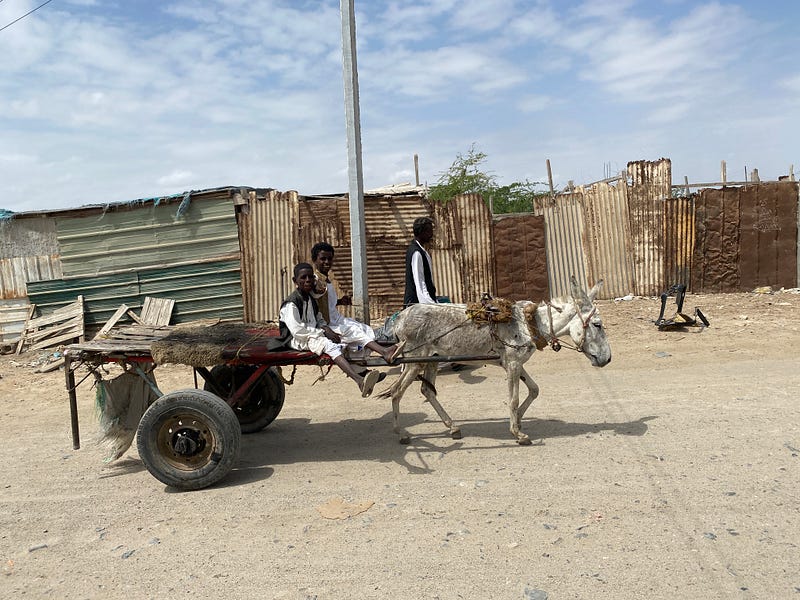
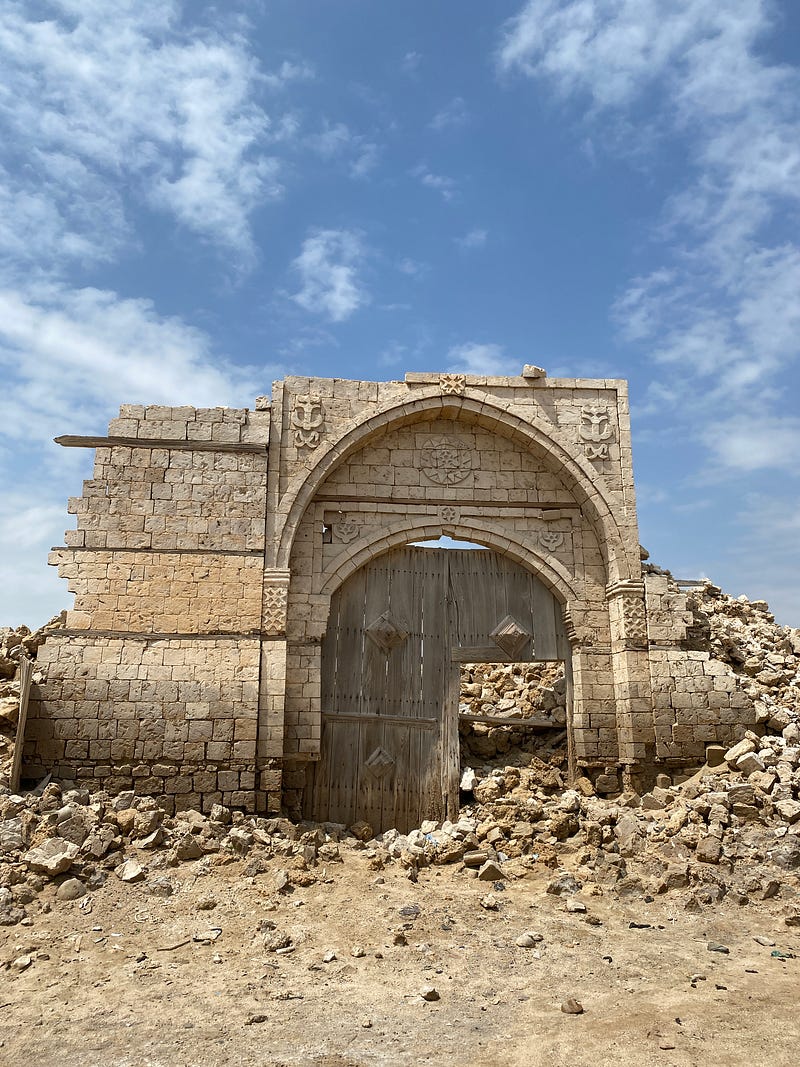
avatarJillian Amatt - Artistic Voyages

Free AI web copilot to create summaries, insights and extended knowledge, download it at here

6873

Abstract

a small fee a local man showed us around. Photo Credits: <a href="undefined">Jillian Amatt</a></figcaption></figure><p id="831c">When we made our way up to the roof, we got a bird's eye view of it all. It certainly is in a state of ruin but locals have banded together and are trying to raise money to restore it. I hope they succeed.</p><figure id="6ef4"><img src="https://cdn-images-1.readmedium.com/v2/resize:fit:800/1*RyfhJm1JHFsNZsXWt24BbQ.jpeg"><figcaption></figcaption></figure><figure id="3511"><img src="https://cdn-images-1.readmedium.com/v2/resize:fit:800/1*uCwM-9FAxeJANYJIoAucUQ.jpeg"><figcaption></figcaption></figure><figure id="6003"><img src="https://cdn-images-1.readmedium.com/v2/resize:fit:800/1*MuLgTBhePFFGr6kGGft3tA.jpeg"><figcaption>The view of the garden and Tinghir in the distance. The rooftop gave us a good view of the ruins. Photo Credits: <a href="undefined">Jillian Amatt</a></figcaption></figure><h2 id="4737">Egyptian Ruins</h2><p id="7479">Our next experience with ruins was in Egypt. Now, as I mentioned before, this was not where we saw the pyramids. Sadly, we did not have a great experience in Egypt (I mostly blame covid) and did not have a chance to see any of the major ruin sights in the country.</p><p id="021e">We did, however, stay on Elphantine Island for 3 weeks. The island is located in the Nile River outside of Aswan and it is just a short 3-minute boat ride to the mainland. On the island, there is a small museum and some ruins that we were able to walk around. I know they aren’t as spectacular as the big ones in Luxor, or Cairo, but they were still pretty fascinating.</p><p id="4e2e" type="7">There is nothing like finally seeing ancient Egyptian symbols carved into rock for the first time.</p><figure id="5540"><img src="https://cdn-images-1.readmedium.com/v2/resize:fit:800/1*3bklUvCLj1ZhwjHJnpHlzA.jpeg"><figcaption></figcaption></figure><figure id="29e9"><img src="https://cdn-images-1.readmedium.com/v2/resize:fit:800/1*uN4YVlRNBlsPFYlCkeLsLg.jpeg"><figcaption></figcaption></figure><figure id="aaa2"><img src="https://cdn-images-1.readmedium.com/v2/resize:fit:800/1*LGHQSmduA9AVo3BGI5fv9A.jpeg"><figcaption></figcaption></figure><figure id="c6d1"><img src="https://cdn-images-1.readmedium.com/v2/resize:fit:800/1*bZ_1qDorCW6Lit_My5HgWQ.jpeg"><figcaption>Egyptian carvings fill the rock surfaces and we sit in an old Egyptian bath. Photo Credits: <a href="undefined">Jillian Amatt</a></figcaption></figure><p id="53fe">In all honesty, though, I think I was more fascinated with the stunning location and the beautiful view that the ruins had. This is the view looking down the Nile River towards Luxor. On following evenings we would find ourselves below these ruins and taking in some pretty spectacular sunsets along the shore.</p><figure id="e83e"><img src="https://cdn-images-1.readmedium.com/v2/resize:fit:800/1*4FlxB5wqlRA4jXzkUlXywA.jpeg"><figcaption>The sandbanks on each side of the river are fascinating! Photo Credit: <a href="undefined">Jillian Amatt</a></figcaption></figure><figure id="7dc8"><img src="https://cdn-images-1.readmedium.com/v2/resize:fit:800/1*GBSIjMRBOlbYbS0ge38hww.jpeg"><figcaption></figcaption></figure><figure id="4431"><img src="https://cdn-images-1.readmedium.com/v2/resize:fit:800/1*L7CjFLLCX1BD7V9asyie1w.jpeg"><figcaption>The sunsets by the river were stunning. Photo Credits: <a href="undefined">Jillian Amatt</a></figcaption></figure><h2 id="2bc4">Sudanese Ruins</h2><p id="4f96">We traveled by bus from Egypt to Sudan at the end of January 2021. That was its own adventure that I will certainly write about at some point. We didn’t know too much about Sudan, but we had heard that they had their own pyramids.</p><p id="c4db" type="7">I know, I was as shocked as you probably are!</p><p id="b4cb">Because we had missed Egypt’s, we decided that seeing the Sudanese pyramids was a priority while we were in the country. We decided to travel from the capital city of Khartoum, out to the Red Sea and the coastal city of Port Sudan, by bus. On the way, we spotted the Pyramids of Meroë on the map and decided that we had better stop to check them out.</p><blockquote id="14be"><p>I did write a <a href="https://readmedium.com/sudan-has-pyramids-too-13757afe6510">whole article</a> about our experience, and also made a <a href="https://youtu.be/lFuDm9cWXqo">YouTube video</a> if you are interested in checking either of those out.</p></blockquote><figure id="a8f1"><img src="https://cdn-images-1.readmedium.com/v2/resize:fit:800/1*Qqp_jwVI4eEkk7m4CsxlwA.jpeg"><figcaption></figcaption></figure><figure id="a2bc"><img src="https://cdn-images-1.readmedium.com/v2/resize:fit:800/1*qIfTK99RM_zFLIUF7VntMw.jpeg"><figcaption></figcaption></figure><figure id="79a9"><img src="https://cdn-images-1.readmedium.com/v2/resize:fit:800/1*9kQ60-qASa0QavYDr_DZ8g.jpeg"><figcaption></figcaption></figure><figure id="d943"><img src="https://cdn-images-1.readmedium.com/v2/resize:fit:800/1*NH0-XCl7pU4oWa49e7-6aw.jpeg"><figcaption></figcaption></figure><figure id="c372"><img src="https://cdn-images-1.readmedium.com/v2/resize:fit:800/1*1F6rkp6HVLMFKp3_RtvTJQ.jpeg"><figcaption>The two in the first photo have been fully restored. They really stand out against the destroyed pyramids behind them. Photo Credits: <a href="undefined">Jillian Amatt</a></figcaption></figure><p id="8855">Sadly, most of these pyramids had their tops blown off by an Italian archeologist looking for treasures back in 1834, and I don’t think the destruction stopped after that. All of them have been carved or destroyed in other ways as well. But the Sudanese government is attempting to get the pyramids restored to their former glory. Well, I guess, they were. I doubt anything is being done these days considering what is <a href="https://readmedium.com/our-hearts-hurt-for-sudan-and-the-friends-we-made-there-43ef32995ffd">now happening in Sudan.</a></p><p id="7dc3">Our next experience with ruins in Sudan was at the coral city of Suakin. Yes, I did say coral. The ruined city was built on a small island that is connected by a bridge to the mainland and many of the buildings were built out of coral blocks that were harvested from the Red Sea.</p><p id="4c5f">Once a major port, this city was part of the same trade route that connects the sultan palaces in Morocco. Vast quantities of traders would come through this port from Saudi Arabia and beyond. It was fascinating to know that we were standing at yet another place that was also once one of the wealthiest regions in the world, on the other side of the African continent.</p><figure id="bedb"><img src="https://cdn-images-1.readmedium.com/v2/resize:fit:800/1*i_5WR5_qijqEGCUkoQbr2A.jpeg"><figcaption></figcaption></figure><figure id="6028"><img src="https://cdn-images-1.readmedium.com/v2/resize:fit:800/1*ln8kHEqdf7oPNd3Wwi8DVw.jpeg"><figcaption>M

Options

assive piles of rubble and the gate to the island. Photo Credits: <a href="undefined">Jillian Amatt</a></figcaption></figure><p id="339a">This island is home to Sudan’s first bank! What a great location for a bank, don’t you think?</p><figure id="4a7d"><img src="https://cdn-images-1.readmedium.com/v2/resize:fit:800/1*t48kHDuNdnpVai3dzlzW_w.jpeg"><figcaption></figcaption></figure><figure id="615b"><img src="https://cdn-images-1.readmedium.com/v2/resize:fit:800/1*tYkpk3mW9pu1vxBB2HJ9zA.jpeg"><figcaption>Sudan’s first bank in Suakin. Photo Credits: <a href="undefined">Jillian Amatt</a></figcaption></figure><p id="10de">And it is home to the country's second mosque. Not surprisingly, this building has been kept in the best shape.</p><figure id="75a4"><img src="https://cdn-images-1.readmedium.com/v2/resize:fit:800/1*0QBovOD5wU05SXE7LIikfw.jpeg"><figcaption></figcaption></figure><figure id="3205"><img src="https://cdn-images-1.readmedium.com/v2/resize:fit:800/1*YxukLyUdj4bQBp5sJBeY2w.jpeg"><figcaption>The second mosque in Sudan. Photo Credits: <a href="undefined">Jillian Amatt</a></figcaption></figure><p id="387c">In 1905, Port Sudan became the major port in the area and the people moved from Suakin and headed north. It’s such a shame that this hasn’t been kept in better shape, though there is a company that was in the process of building a hotel to attract tourists. Again, it’s hard to imagine that any progress is being made with that these days.</p><figure id="b23a"><img src="https://cdn-images-1.readmedium.com/v2/resize:fit:800/1*gf1pNz0JxLzf53SbnCoVHw.jpeg"><figcaption></figcaption></figure><figure id="07a7"><img src="https://cdn-images-1.readmedium.com/v2/resize:fit:800/1*IMYI8j-z-Aw6NzOlutoQbA.jpeg"><figcaption></figcaption></figure><figure id="6a11"><img src="https://cdn-images-1.readmedium.com/v2/resize:fit:800/1*6XBH0WAs-GsX0sGJybY8ig.jpeg"><figcaption>Old relics dot the landscape, including the Toyota! Photo Credits: <a href="undefined">Jillian Amatt</a></figcaption></figure><blockquote id="eedd"><p>I also made a <a href="https://youtu.be/Dz5ps5Vfd1s">YouTube video</a> about our time at Suakin which will give you a much better overall perspective of these ruins.</p></blockquote><p id="aad8">Sadly, not much goes on in Suakin these days and I think that there is likely more animals than people that live in the area. We have a friend we met in Khartoum that now lives there and he claims that he is the only dentist in the town.</p><figure id="35b6"><img src="https://cdn-images-1.readmedium.com/v2/resize:fit:800/1*mPcoWxh0wHIge_2878KOfg.jpeg"><figcaption></figcaption></figure><figure id="381a"><img src="https://cdn-images-1.readmedium.com/v2/resize:fit:800/1*m9PTSTUIETBhSwkOjfXUig.jpeg"><figcaption></figcaption></figure><figure id="15f4"><img src="https://cdn-images-1.readmedium.com/v2/resize:fit:800/1*EYcxCgxSRnSyfTilgq4ybA.jpeg"><figcaption></figcaption></figure><figure id="a57c"><img src="https://cdn-images-1.readmedium.com/v2/resize:fit:800/1*4cnS90L7woM4BLlIJlFWVg.jpeg"><figcaption></figcaption></figure><figure id="e423"><img src="https://cdn-images-1.readmedium.com/v2/resize:fit:800/1*Z7nPebWUN3vNvxqgWG88wg.jpeg"><figcaption>Life around Suakin, Sudan. 2021. Photo Credits: <a href="undefined">Jillian Amatt</a></figcaption></figure><p id="1476">Thanks for joining me on the African portion of our ruin experiences. They are all off the beaten track, so I hope you were able to learn new information and see photos that you have never seen before.</p><p id="05d6">Stay tuned for my reports on ruins from the Americas and Europe!</p><p id="a188">Check out some other writing about ruins in response to our monthly prompt:</p><p id="39df"><a href="undefined">Erie Astin</a> writes about the chaos of Rome’s ruins:</p><div id="c39d" class="link-block"> <a href="https://readmedium.com/the-eye-catching-chaos-of-romes-ruins-a3987510575c"> <div> <div> <h2>The Eye-Catching Chaos of Rome’s Ruins</h2> <div><h3>A fanciful stroll through the crumbling Eternal City</h3></div> <div><p>medium.com</p></div> </div> <div> <div style="background-image: url(https://miro.readmedium.com/v2/resize:fit:320/1*qOSrACPAS5QEVK0nrG2rIw.jpeg)"></div> </div> </div> </a> </div><p id="00fa"><a href="undefined">Vidya Sury, Collecting Smiles</a> takes us back to the 13th century:</p><div id="704e" class="link-block"> <a href="https://readmedium.com/a-day-trip-to-the-13th-century-80c46510e63c"> <div> <div> <h2>A Day Trip To The 13th Century</h2> <div><h3>Let’s Go To the Ruins of Somanathapura, Karnataka</h3></div> <div><p>medium.com</p></div> </div> <div> <div style="background-image: url(https://miro.readmedium.com/v2/resize:fit:320/0*NnOS-7WqJtmgbwku)"></div> </div> </div> </a> </div><figure id="9ea8"><img src="https://cdn-images-1.readmedium.com/v2/resize:fit:800/1*IDlDKuxoG0gmCX-cVp-Utw.png"><figcaption>Click above to learn more about us!</figcaption></figure><div id="8507" class="link-block"> <a href="https://readmedium.com/they-say-ive-been-to-52-countries-ca214784f5c4"> <div> <div> <h2>They Say I’ve Been To 52 Countries</h2> <div><h3>And I still feel like I am just getting started.</h3></div> <div><p>medium.com</p></div> </div> <div> <div style="background-image: url(https://miro.readmedium.com/v2/resize:fit:320/1*vSSxR6vXf1k340SEwOcViw.jpeg)"></div> </div> </div> </a> </div><p id="e954"><b><i>If you like my writing and want to read more, subscribe to Medium through my <a href="https://artisticvoyages.medium.com/membership">referral link</a> (I will earn a small commission) to get full access! Plus sign up <a href="https://artisticvoyages.medium.com/subscribe">here</a> to get my articles by email. We would also be happy if you considered <a href="https://ko-fi.com/artisticvoyages">leaving us a tip</a>:)</i></b></p><p id="2072"><i>We have been nomadic since 2017! Join our journey by hitting these links:</i></p><p id="1ac9"><a href="http://www.artisticvoyages.com/">Website</a> | <a href="http://www.instagram.com/artisticvoyages">Instagram</a> | <a href="http://www.facebook.com/artisticvoyages">Facebook</a> | <a href="https://www.linkedin.com/in/jillianamatt/">LinkedIn</a>| <a href="http://www.patreon.com/artisticvoyages">Patreon</a>|<a href="http://www.youtube.com/c/artisticvoyages"> YouTube</a> | <a href="http://www.medium.com/@artisticvoyages">Medium</a></p></article></body>

TRAVEL | AFRICA | ANCIENT RUINS | MONTHLY CHALLENGE

Ruins In Africa That Are Off the Beaten Track

Sultan Palaces, Ancient Pyramids, and a Coral City
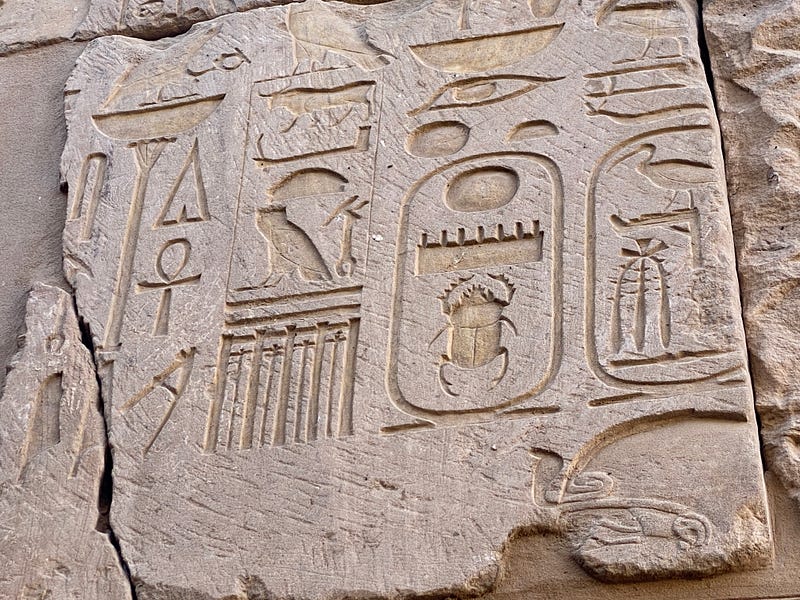
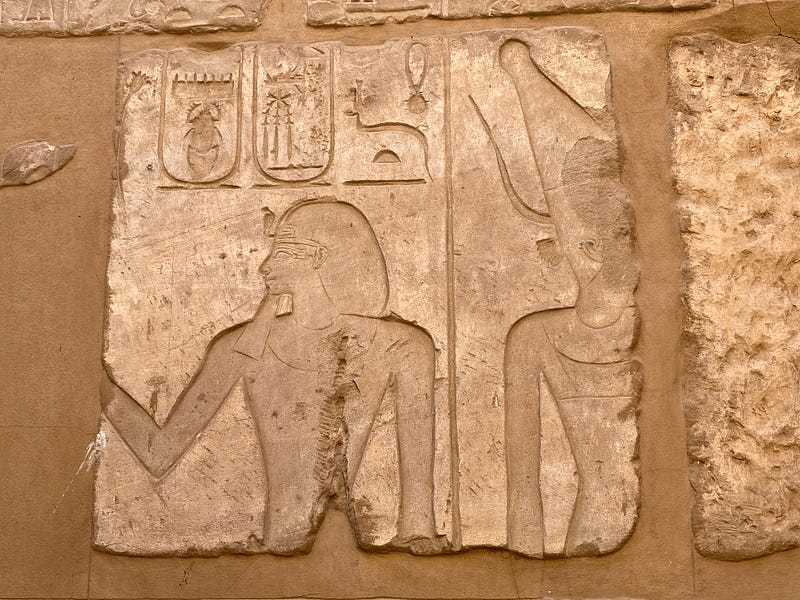
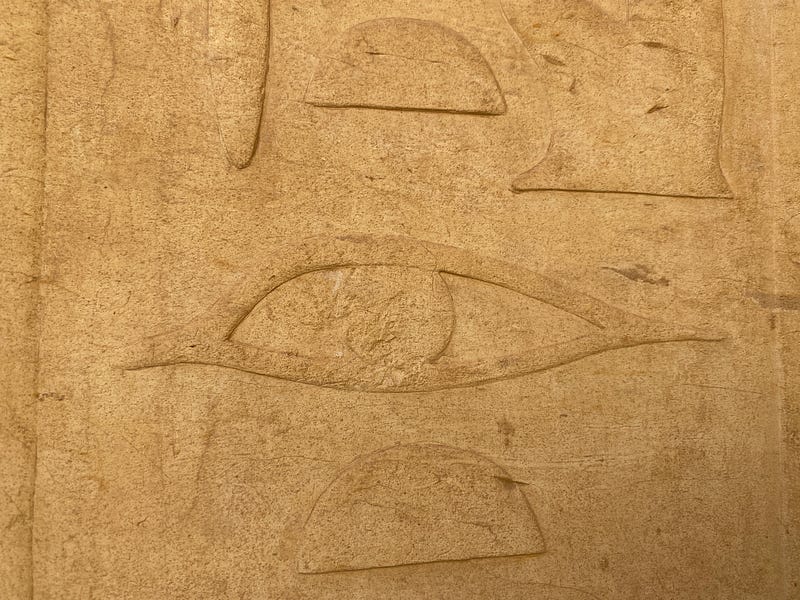
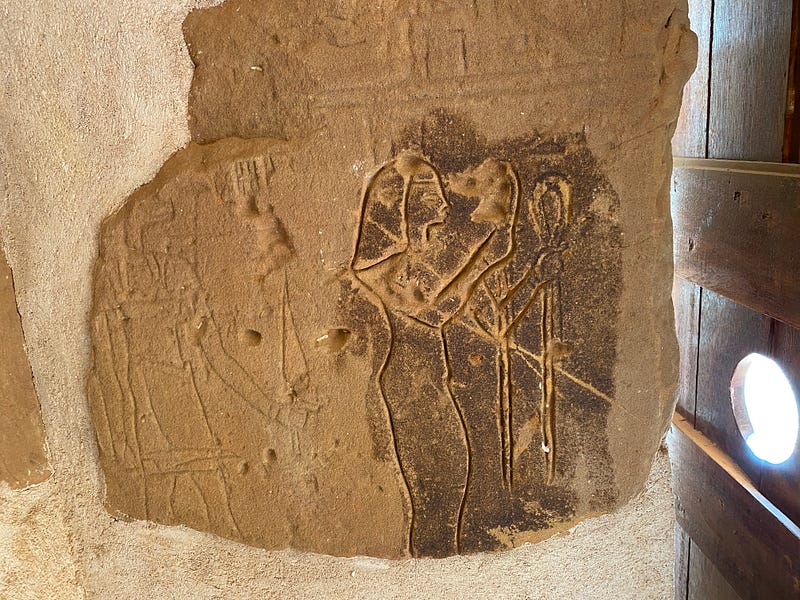
Some images carved into stone in Egypt. 2021. Photo Credit: Jillian Amatt

We aren’t history buffs, nor are we travelers that want to see and do it all. But seeing ancient ruins out in the world is fascinating and intriguing no matter how interested in history a person is.

Since traveling full-time for the past 5+ years, we know that it is impossible to experience everything that the world has to offer, so we honestly don’t even try. But, once in a while, we will be near a site that really does call to us. And when that happens, we heed the call and head out to see what we can find.

We have seen our fair share of ruins throughout our travels, and when I started to write this article, I realized that there was no way that I could fit them all into one story. So, instead, I have decided to split them up by continent.

Read on to learn about our experiences with ruins in Africa. I’ll warn you, the sub-title is a bit misleading as the pyramids I speak of were not found in Egypt!

Moroccan Ruins

Our experience with African ruins began in Morocco in early 2020. It was a mere 6 weeks before Covid hit the world, and we were traveling blissfully around the country.

One might argue that many of the buildings in Morocco could be classified as ruins as they are centuries old and a lot are in a state of disrepair. But we did officially visit a few old Sultan Palaces out at the edge of the Sahara Desert, which are definitely unoccupied and in ruin.

Over six hundred years ago, Morocco was home to one of the richest societies in the world! Massive trade happened in the country, as the region was known for its production of salt. Back in the day, it was the rarest and most sought-after commodity. Large caravans of nomadic people would travel over from areas beyond Saudi Arabia, and even Siberia, crossing the Sahara Desert for many months to trade their spices and gems for simple salt.
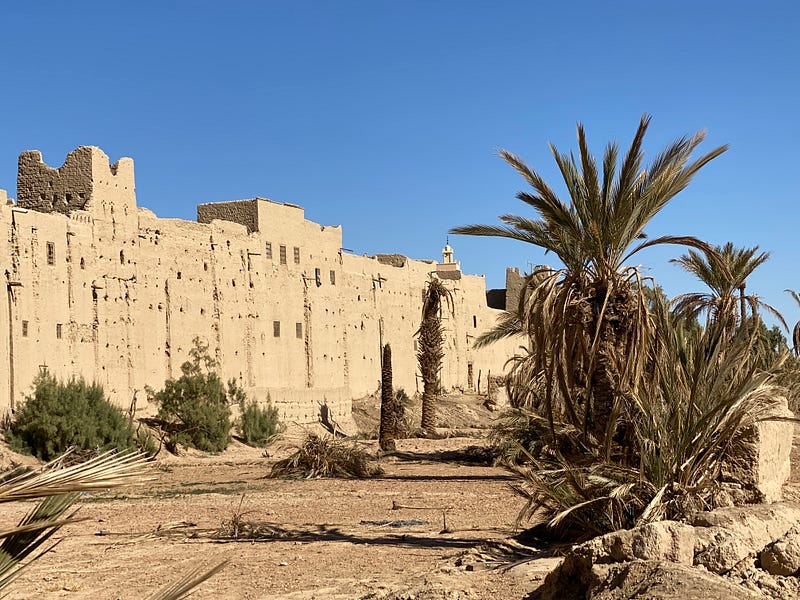
One of the many crumbling Sultan palaces near the Sahara Desert in Morocco. Photo Credit: Jillian Amatt

Upon entering into these structures, one is transported to another world. Within the walls would live large families that were once the wealthiest and most influential people in the country, if not this entire region of the planet.

The large fortresses were built mostly for protection from the marauding hoards that may have made their way through once in a while.

Sadly, at some point, everyone got tired of living out in the desert, and as the economy and the world changed, so did the people. Most have moved into the city centers, and these immense structures that are built of clay, sand and straw, have been left to the mercy of the elements.
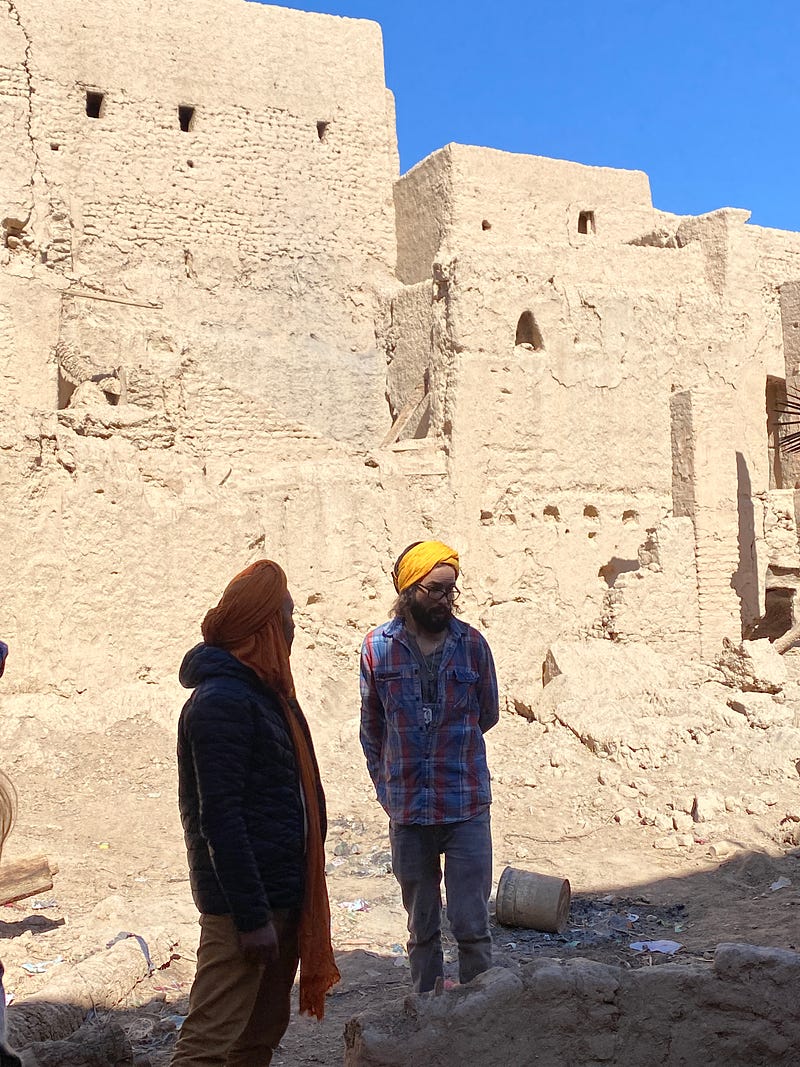
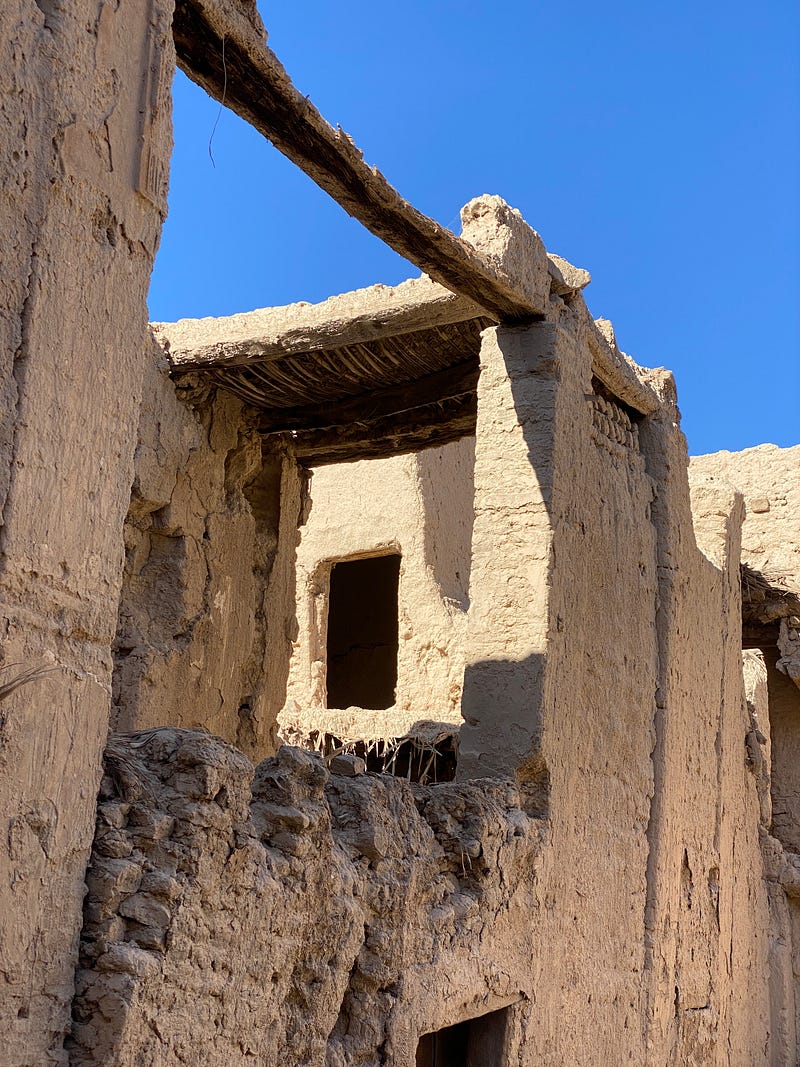
Walls collapse and wear down over time. Photo Credits: Jillian Amatt

Inside the dark and narrow passageways, there is relief from the scorching desert temperatures. But without lights, it was often difficult to see where we were going. Thankfully shafts of light would sneak their way in to help illuminate our passage.
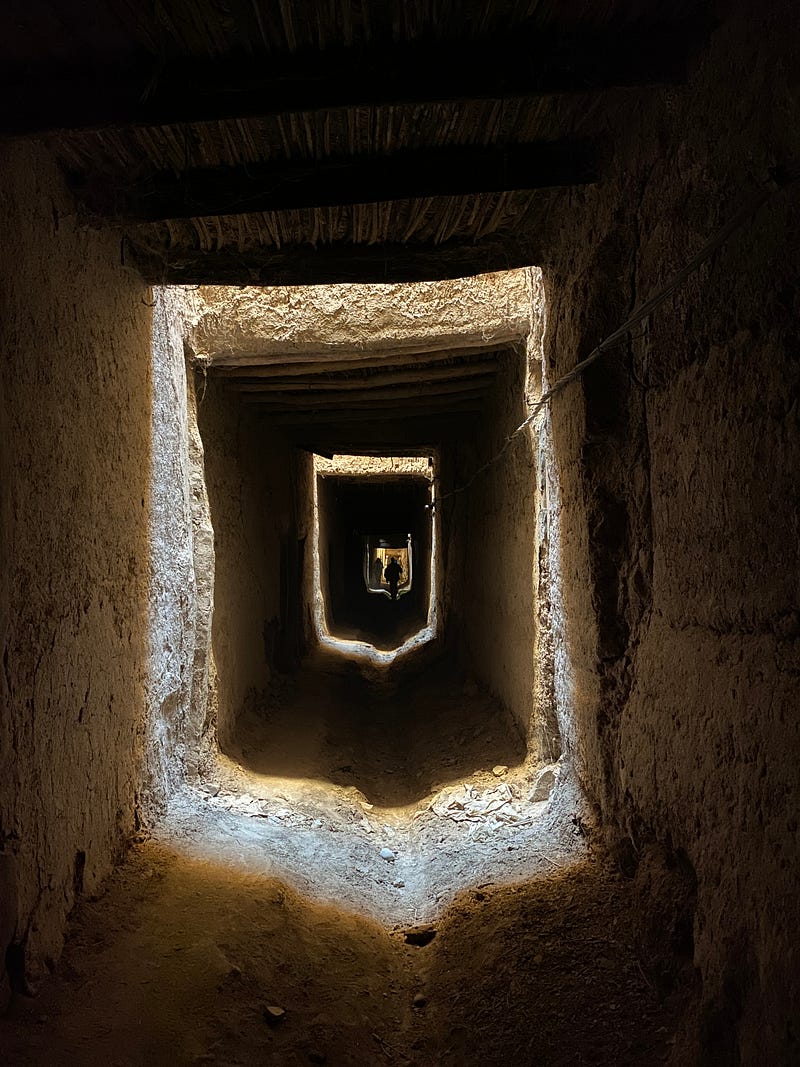
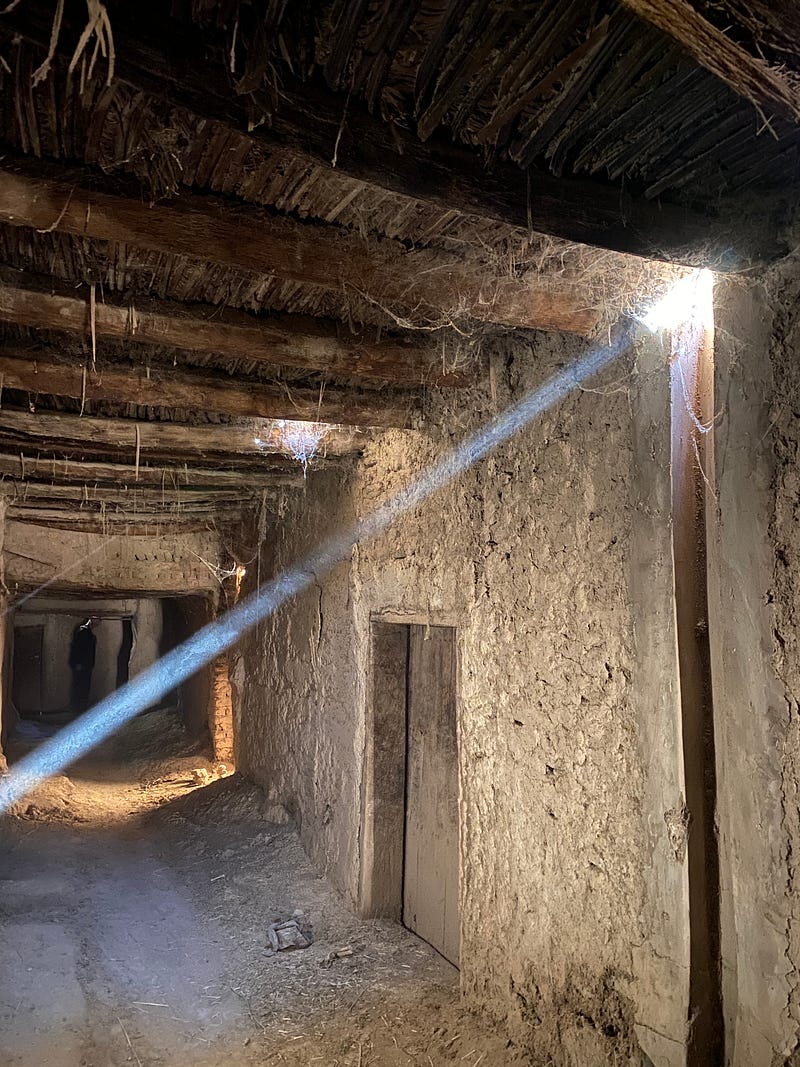
Ancient passageways weave through the immense structures. Photo Credits: Jillian Amatt

It was fascinating to think about the people who would have graced these hallways. They must have been decked in the nicest clothes and draped with gems and jewelry. These days it’s sure hard to imagine the sort of wealth that existed here.

Next, we found ourselves in a city called Tinghir, which sits in the central part of the country. We were there when they closed the borders and locked down transportation throughout the country due to covid. We didn’t leave the hostel we were staying at very much for the 2.5-month period of the lockdown, instead, we stayed inside and painted murals on many of its walls.

But one day, our host announced that he wanted to take us to an old mosque that was across the valley.

We donned our masks and headed out. Thankfully there was a large garden area behind his hostel, and we were able to travel through it, away from people and police officers that may have not been happy to see us out and about. These were certainly interesting times.

The mosque from outside. Photo Credit: Jillian Amatt

I realize that the outside doesn’t really look like a mosque, but the inside sure does.

For a small fee a local man showed us around. Photo Credits: Jillian Amatt

When we made our way up to the roof, we got a bird's eye view of it all. It certainly is in a state of ruin but locals have banded together and are trying to raise money to restore it. I hope they succeed.
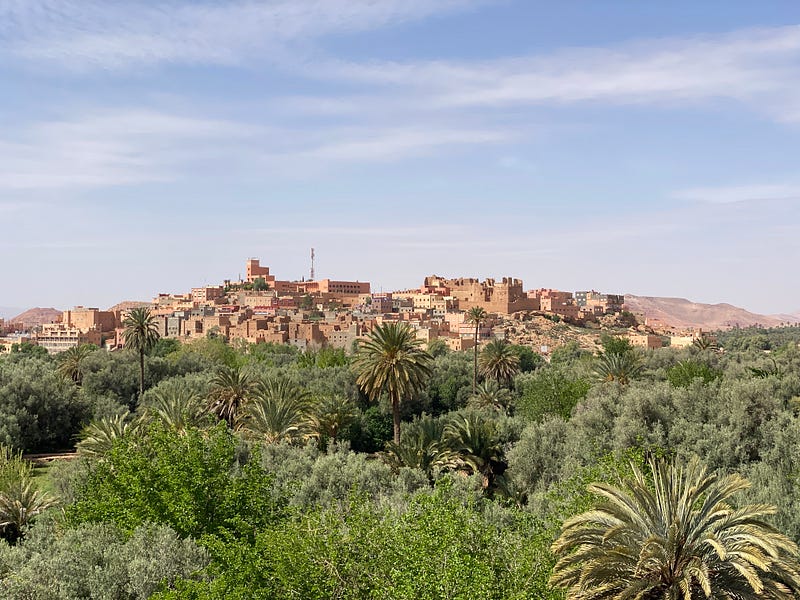
The view of the garden and Tinghir in the distance. The rooftop gave us a good view of the ruins. Photo Credits: Jillian Amatt

Egyptian Ruins

Our next experience with ruins was in Egypt. Now, as I mentioned before, this was not where we saw the pyramids. Sadly, we did not have a great experience in Egypt (I mostly blame covid) and did not have a chance to see any of the major ruin sights in the country.

We did, however, stay on Elphantine Island for 3 weeks. The island is located in the Nile River outside of Aswan and it is just a short 3-minute boat ride to the mainland. On the island, there is a small museum and some ruins that we were able to walk around. I know they aren’t as spectacular as the big ones in Luxor, or Cairo, but they were still pretty fascinating.

There is nothing like finally seeing ancient Egyptian symbols carved into rock for the first time.
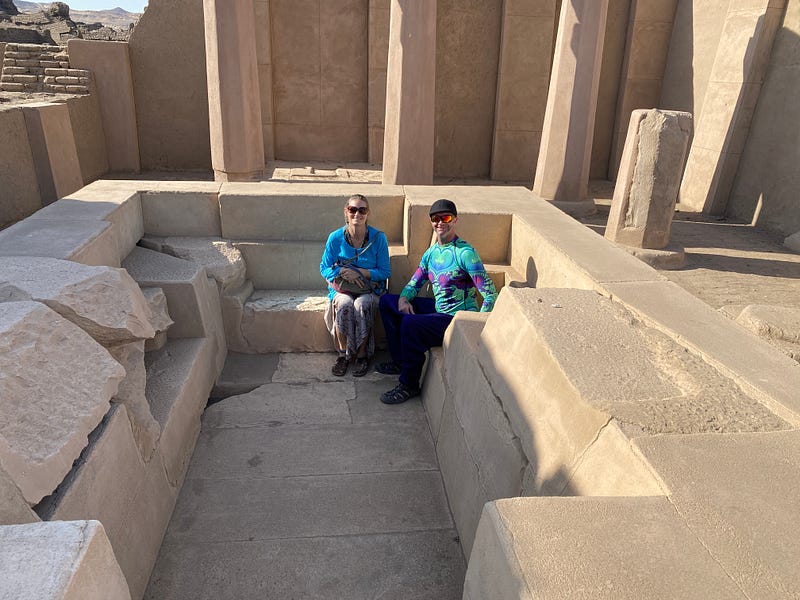
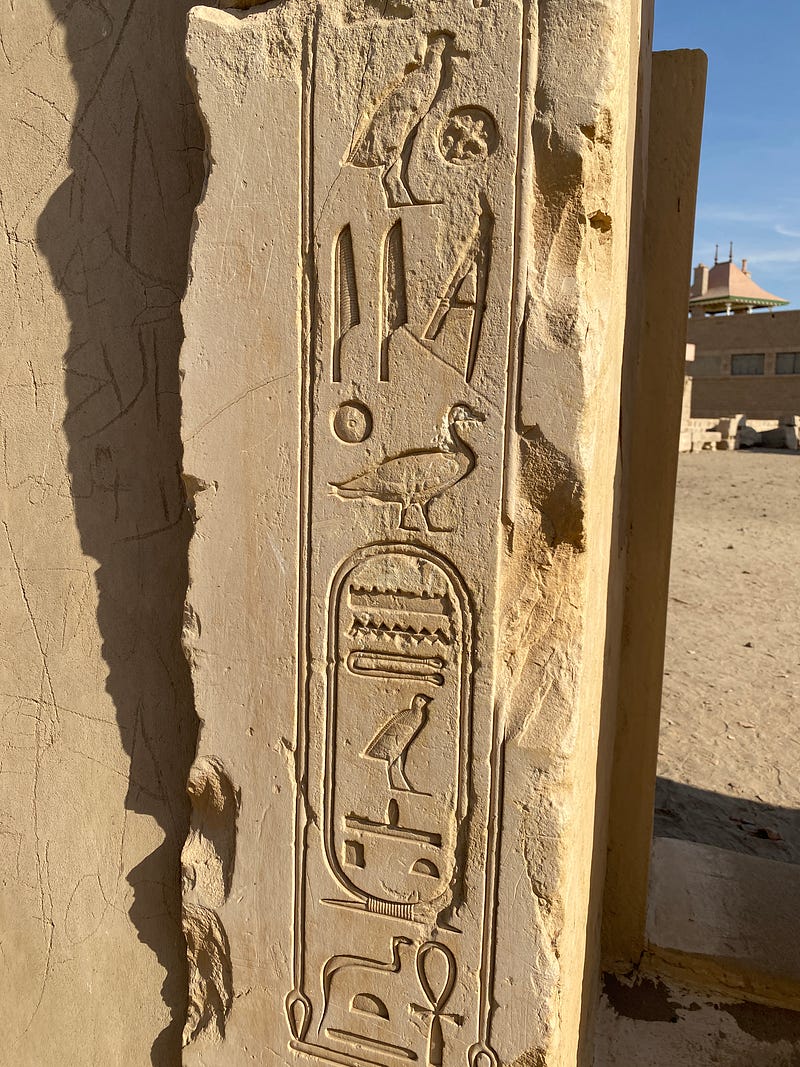
Egyptian carvings fill the rock surfaces and we sit in an old Egyptian bath. Photo Credits: Jillian Amatt

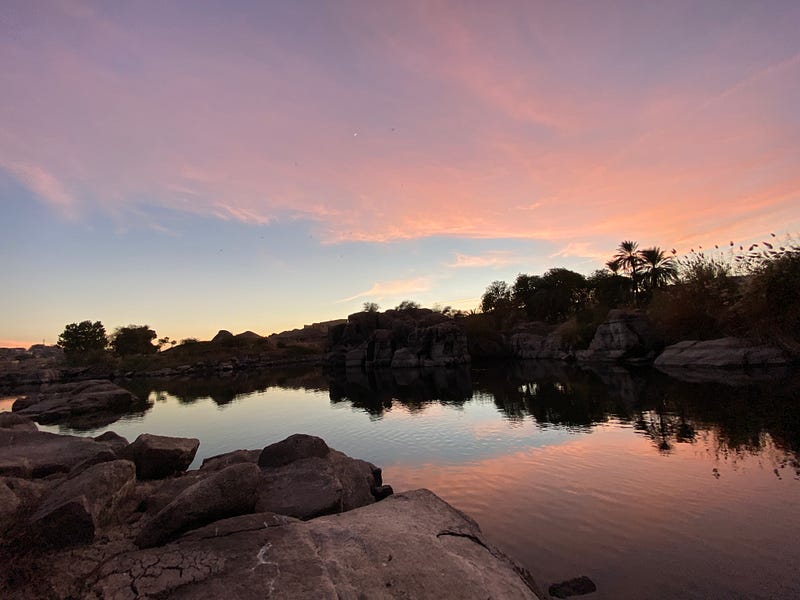
In all honesty, though, I think I was more fascinated with the stunning location and the beautiful view that the ruins had. This is the view looking down the Nile River towards Luxor. On following evenings we would find ourselves below these ruins and taking in some pretty spectacular sunsets along the shore.
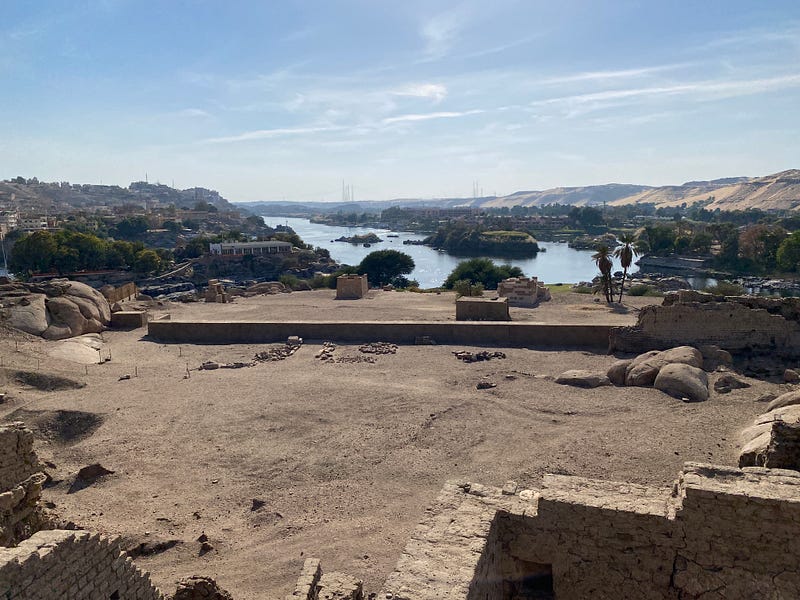
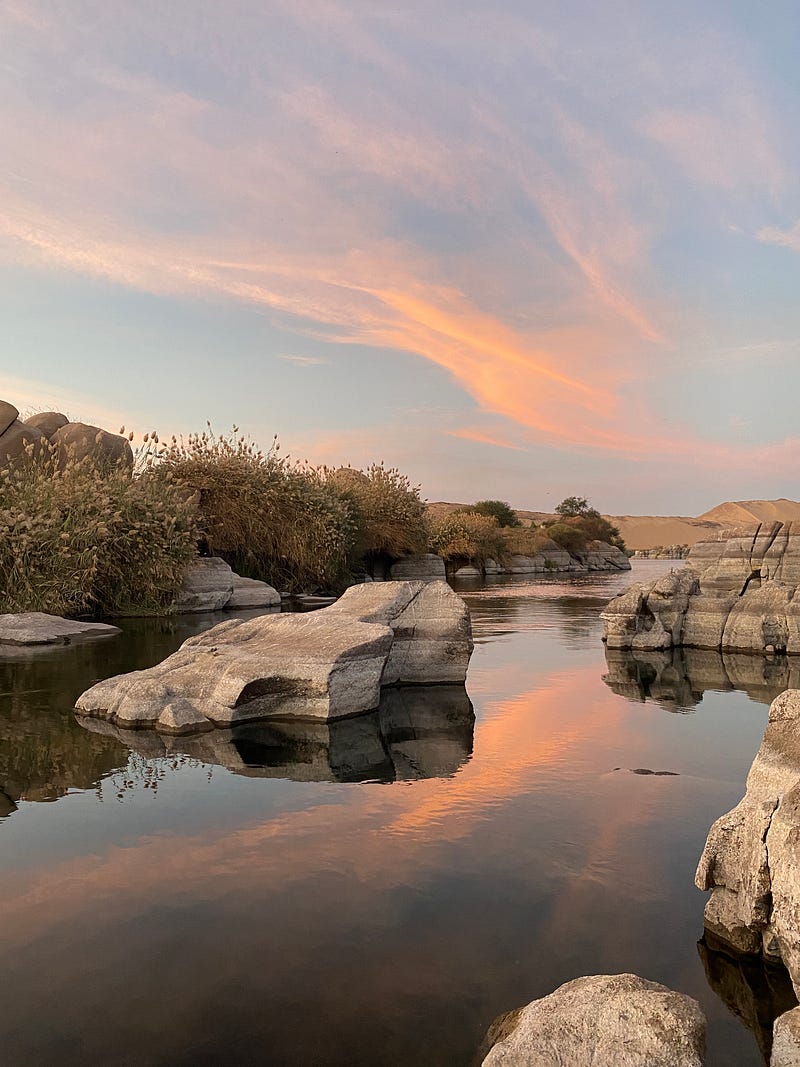
The sandbanks on each side of the river are fascinating! Photo Credit: Jillian Amatt
The sunsets by the river were stunning. Photo Credits: Jillian Amatt

Sudanese Ruins

We traveled by bus from Egypt to Sudan at the end of January 2021. That was its own adventure that I will certainly write about at some point. We didn’t know too much about Sudan, but we had heard that they had their own pyramids.

I know, I was as shocked as you probably are!

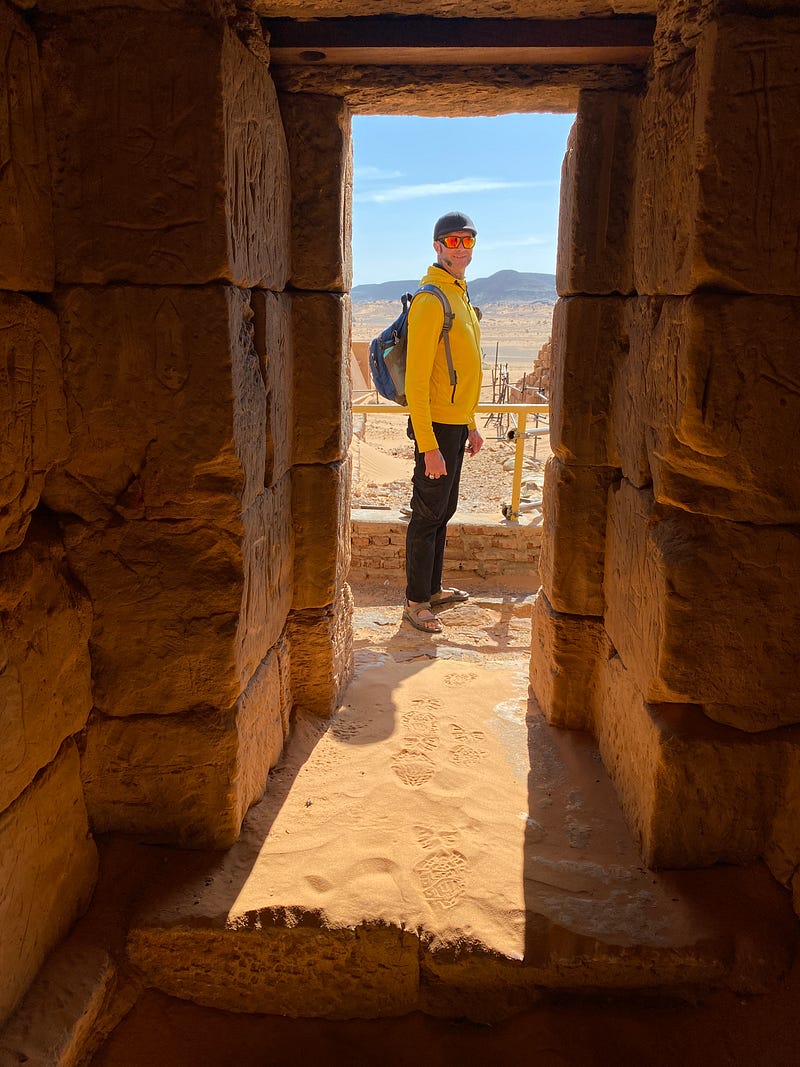
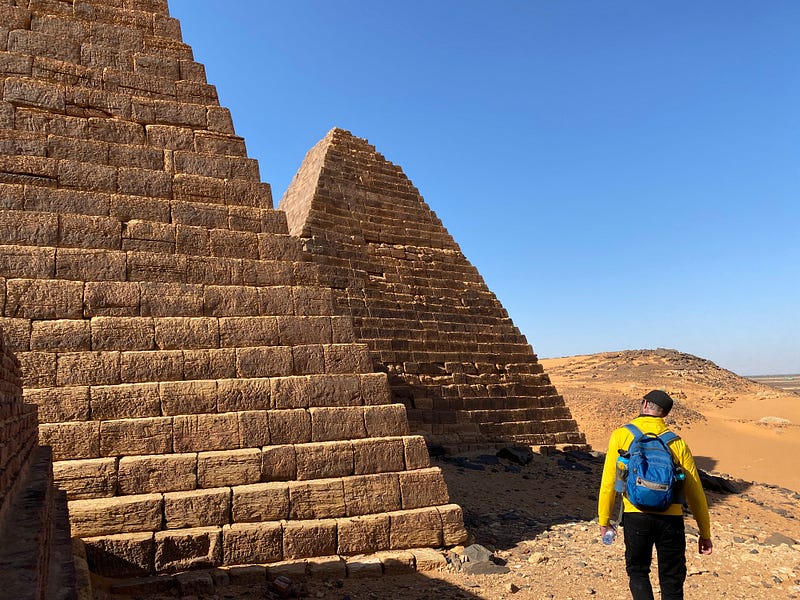
Because we had missed Egypt’s, we decided that seeing the Sudanese pyramids was a priority while we were in the country. We decided to travel from the capital city of Khartoum, out to the Red Sea and the coastal city of Port Sudan, by bus. On the way, we spotted the Pyramids of Meroë on the map and decided that we had better stop to check them out.

I did write a whole article about our experience, and also made a YouTube video if you are interested in checking either of those out.
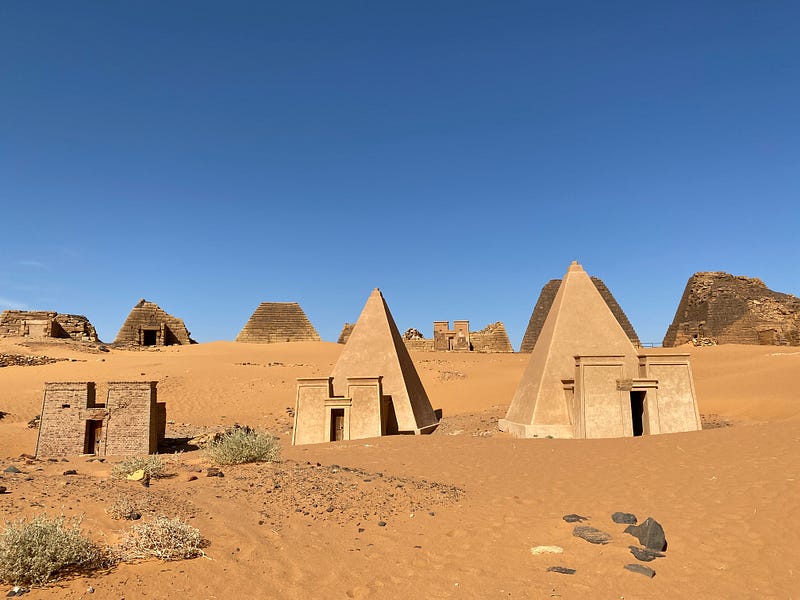
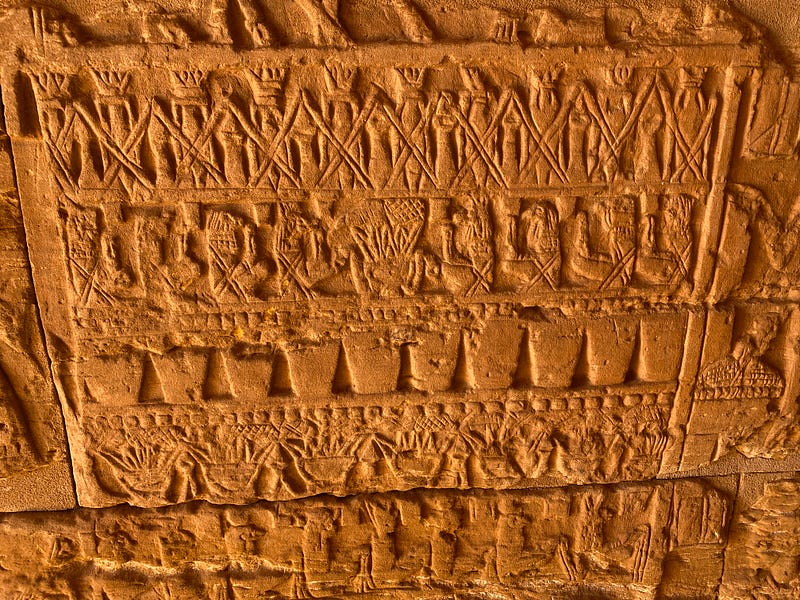
The two in the first photo have been fully restored. They really stand out against the destroyed pyramids behind them. Photo Credits: Jillian Amatt

Sadly, most of these pyramids had their tops blown off by an Italian archeologist looking for treasures back in 1834, and I don’t think the destruction stopped after that. All of them have been carved or destroyed in other ways as well. But the Sudanese government is attempting to get the pyramids restored to their former glory. Well, I guess, they were. I doubt anything is being done these days considering what is now happening in Sudan.

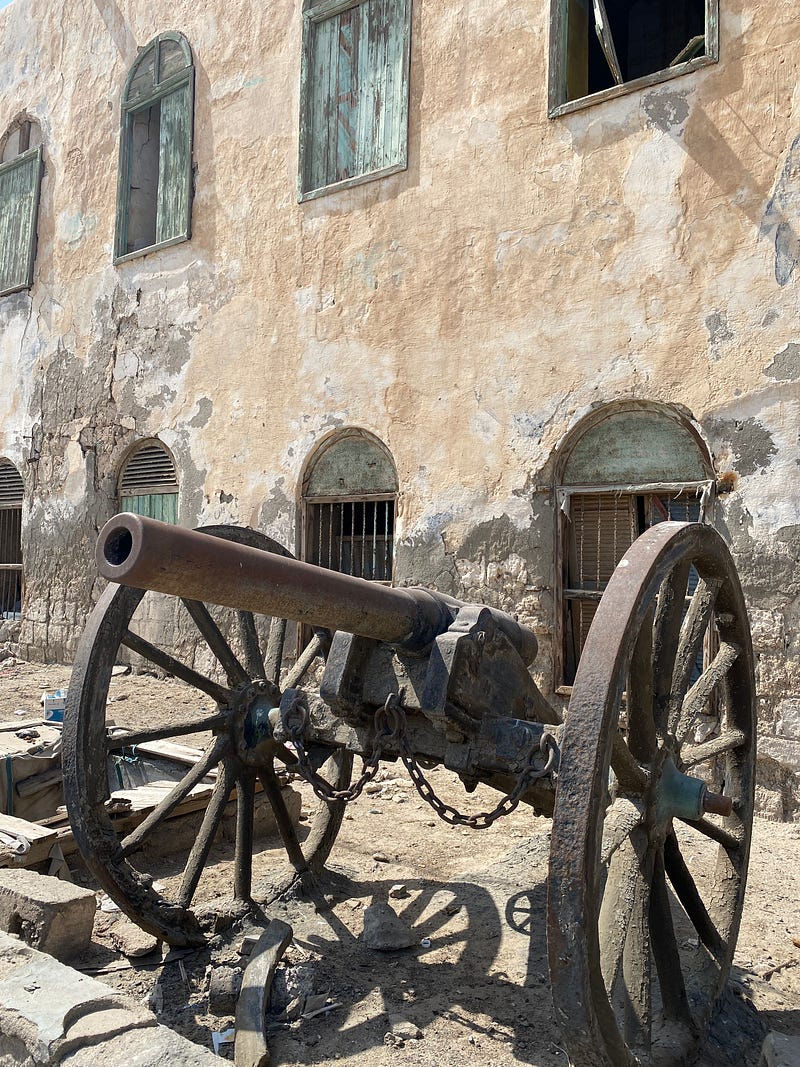
Our next experience with ruins in Sudan was at the coral city of Suakin. Yes, I did say coral. The ruined city was built on a small island that is connected by a bridge to the mainland and many of the buildings were built out of coral blocks that were harvested from the Red Sea.

Once a major port, this city was part of the same trade route that connects the sultan palaces in Morocco. Vast quantities of traders would come through this port from Saudi Arabia and beyond. It was fascinating to know that we were standing at yet another place that was also once one of the wealthiest regions in the world, on the other side of the African continent.
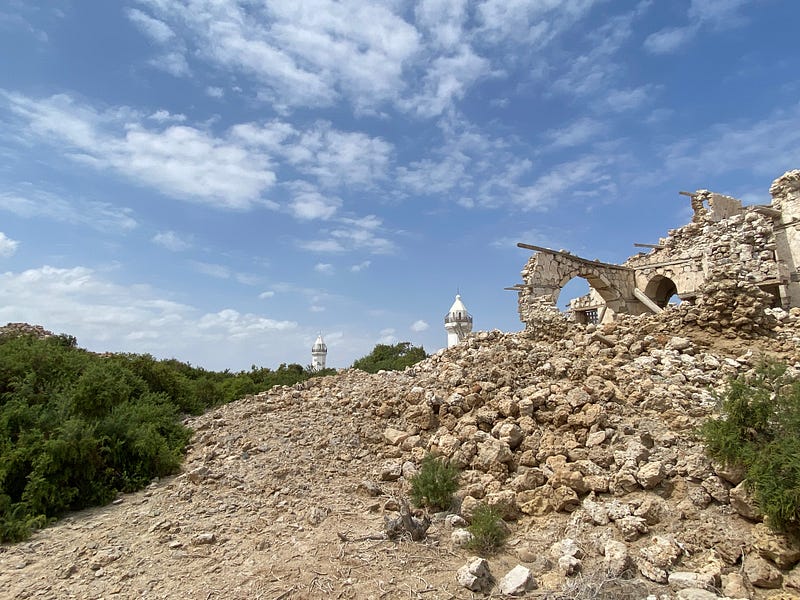
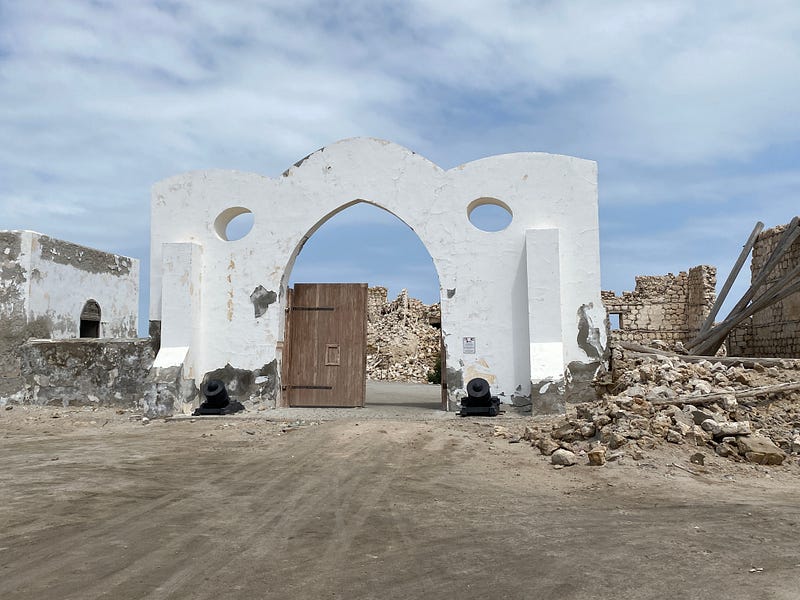
Massive piles of rubble and the gate to the island. Photo Credits: Jillian Amatt

This island is home to Sudan’s first bank! What a great location for a bank, don’t you think?
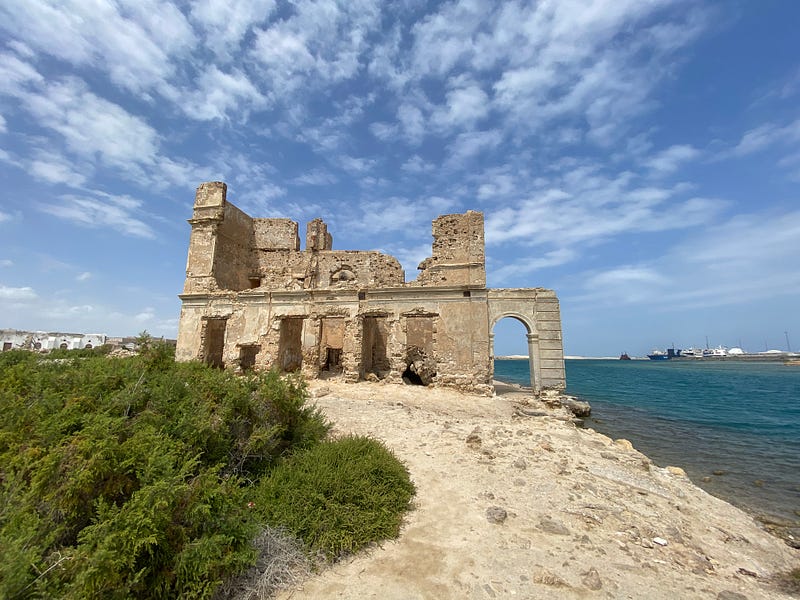
Sudan’s first bank in Suakin. Photo Credits: Jillian Amatt

And it is home to the country's second mosque. Not surprisingly, this building has been kept in the best shape.
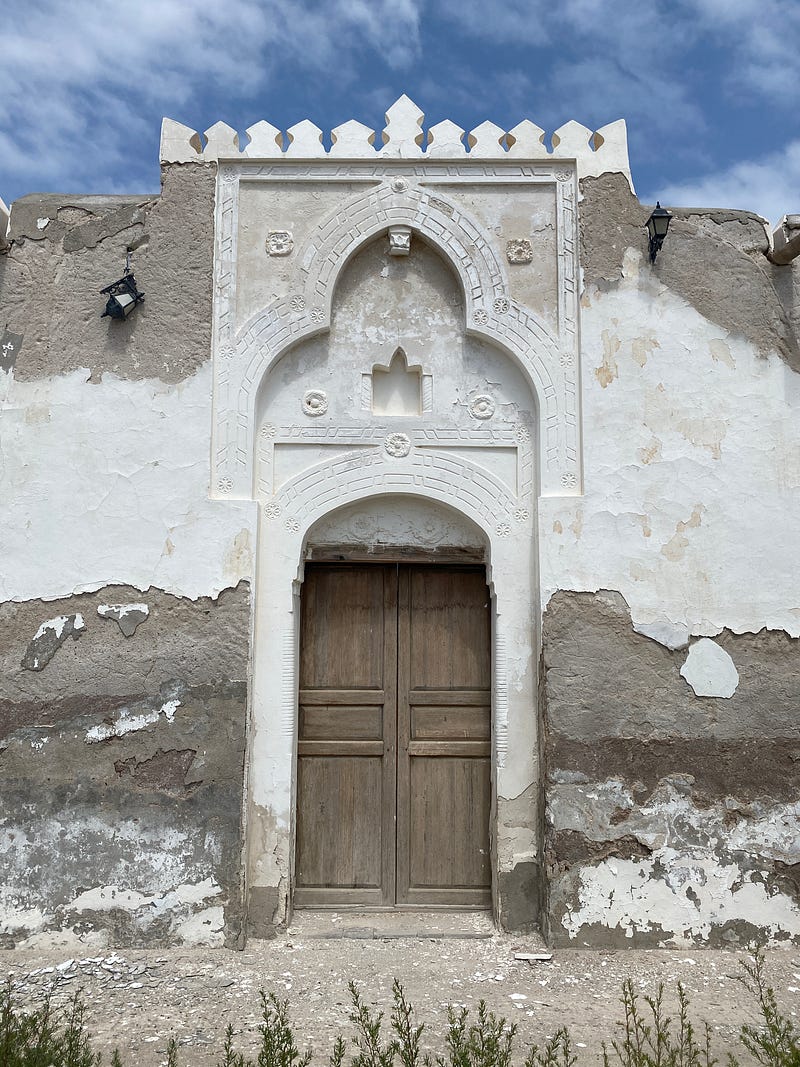
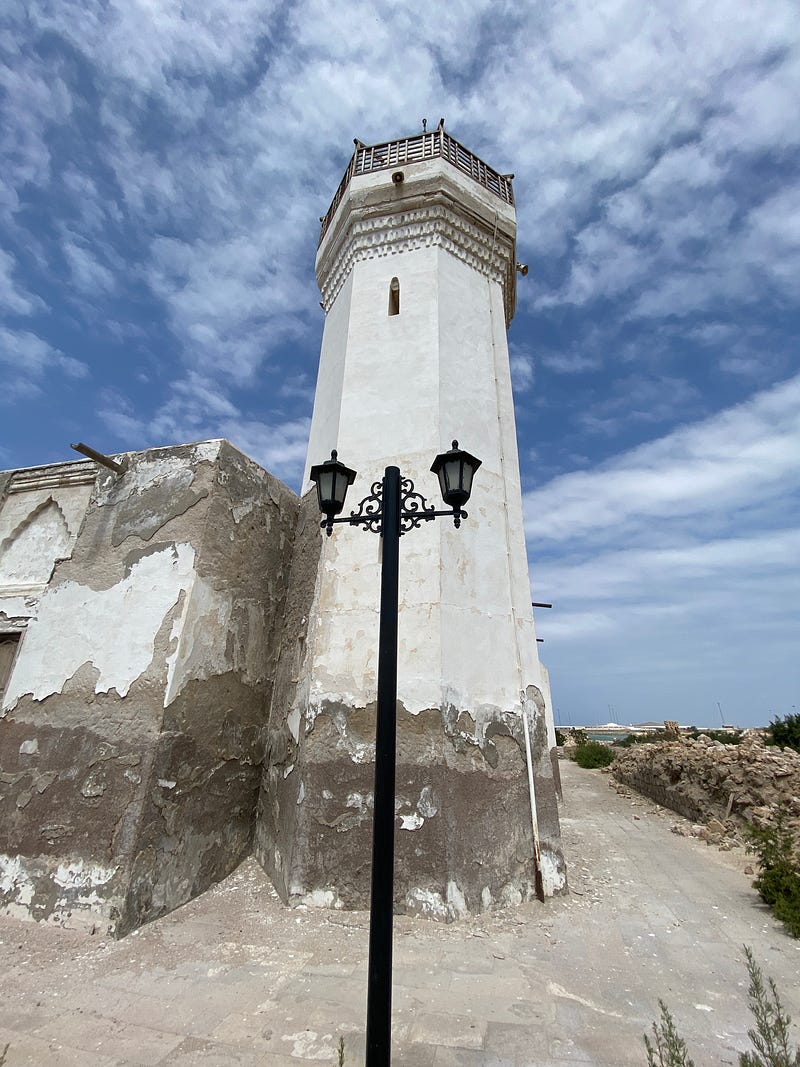
The second mosque in Sudan. Photo Credits: Jillian Amatt

In 1905, Port Sudan became the major port in the area and the people moved from Suakin and headed north. It’s such a shame that this hasn’t been kept in better shape, though there is a company that was in the process of building a hotel to attract tourists. Again, it’s hard to imagine that any progress is being made with that these days.
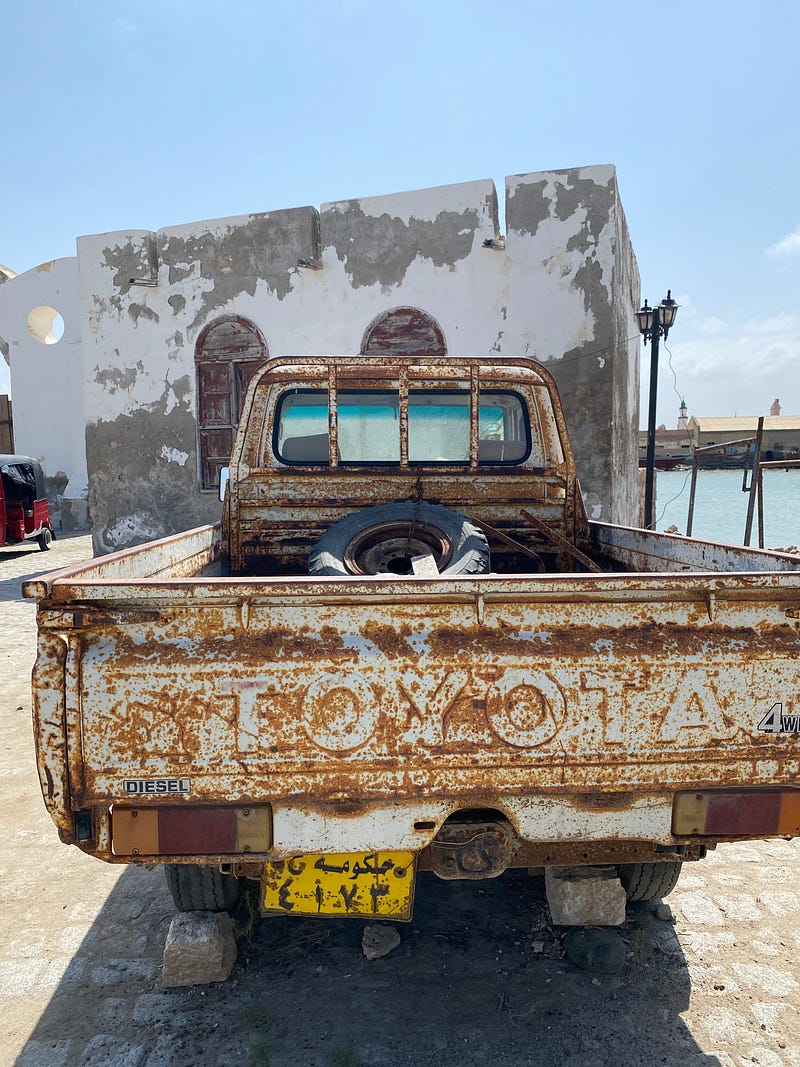
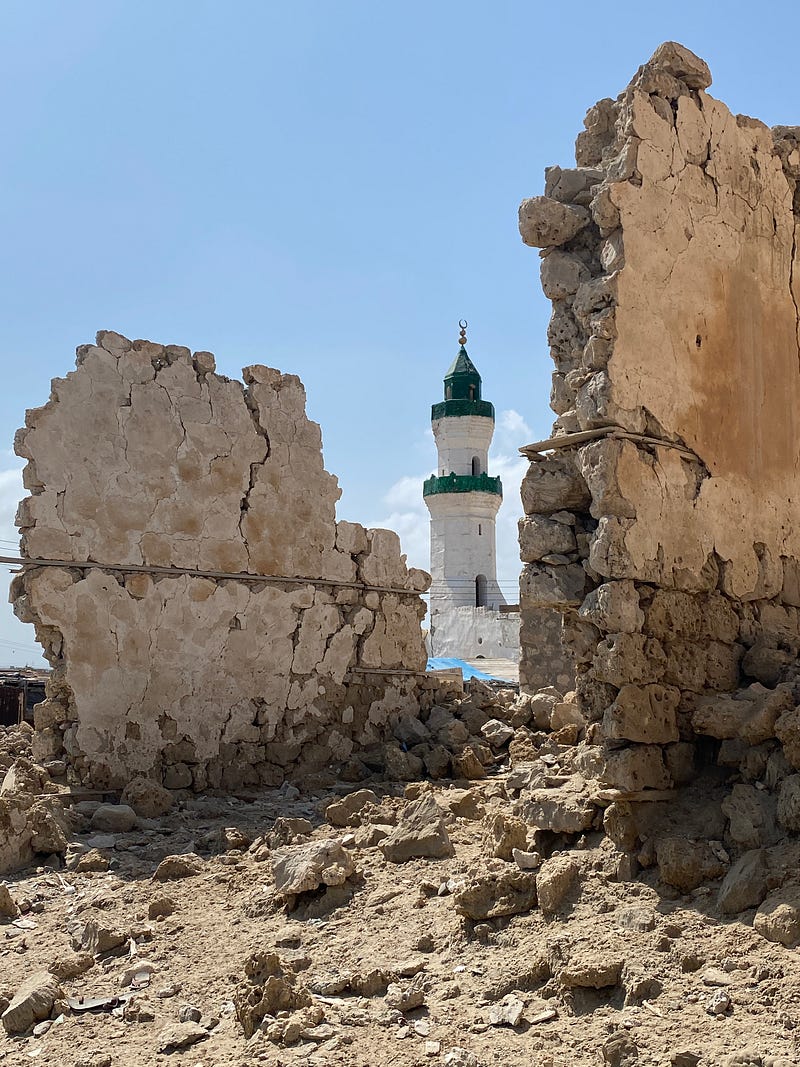
Old relics dot the landscape, including the Toyota! Photo Credits: Jillian Amatt

I also made a YouTube video about our time at Suakin which will give you a much better overall perspective of these ruins.

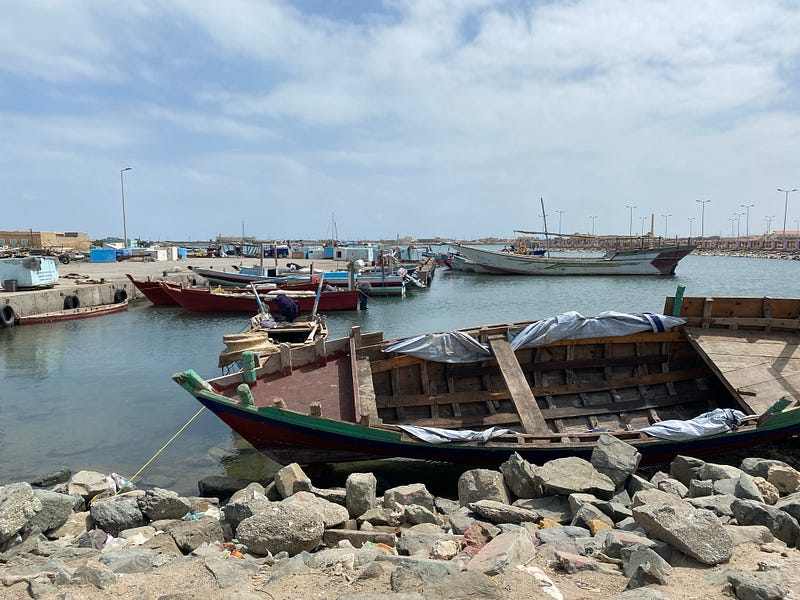
Sadly, not much goes on in Suakin these days and I think that there is likely more animals than people that live in the area. We have a friend we met in Khartoum that now lives there and he claims that he is the only dentist in the town.
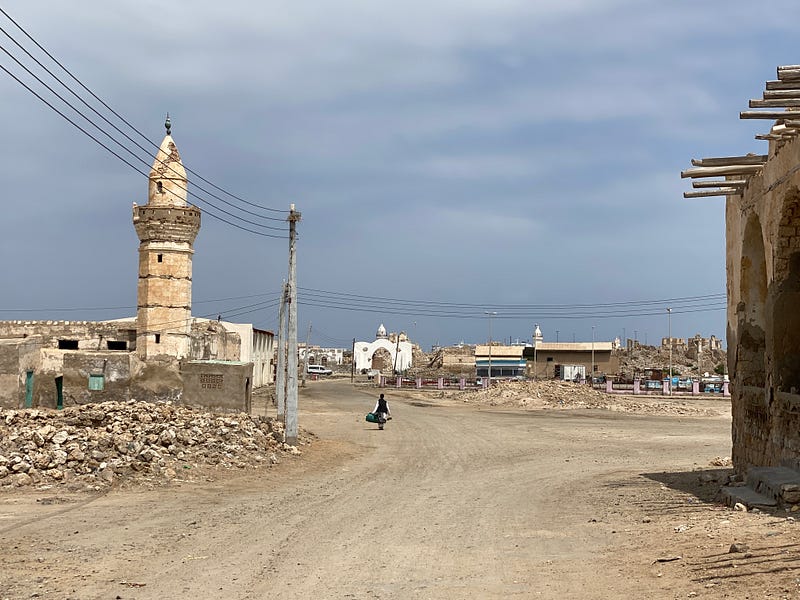
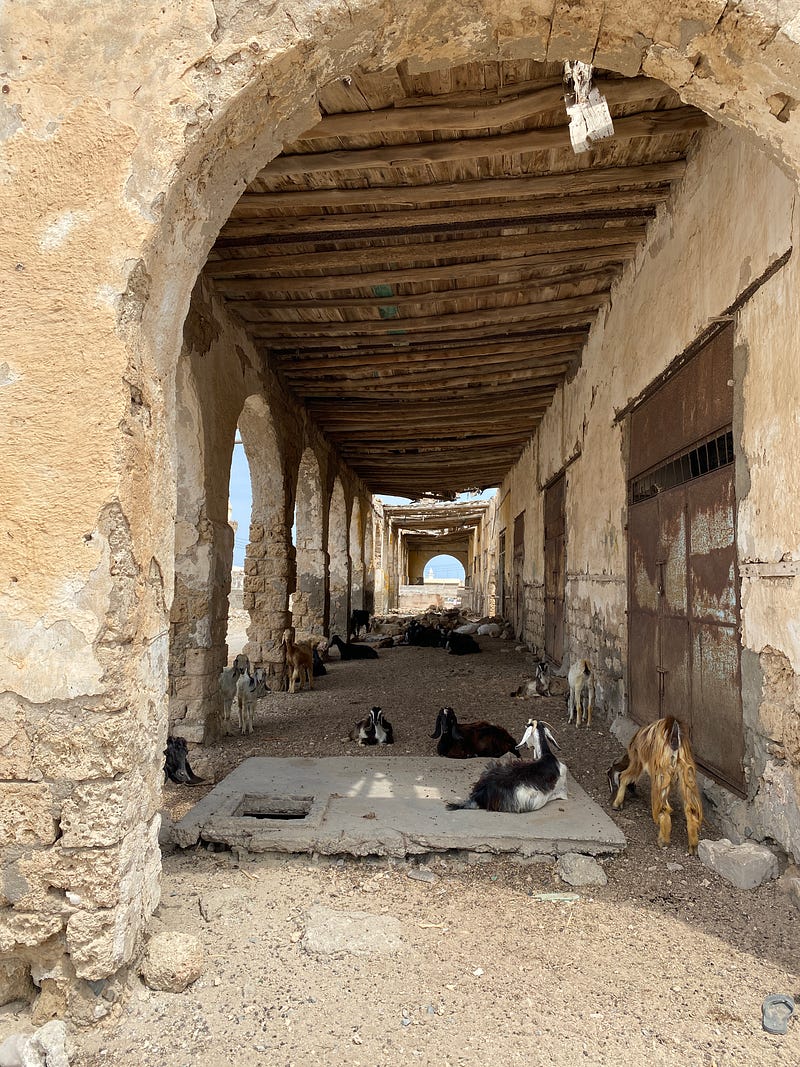
Life around Suakin, Sudan. 2021. Photo Credits: Jillian Amatt

Thanks for joining me on the African portion of our ruin experiences. They are all off the beaten track, so I hope you were able to learn new information and see photos that you have never seen before.

Stay tuned for my reports on ruins from the Americas and Europe!

Check out some other writing about ruins in response to our monthly prompt:

Erie Astin writes about the chaos of Rome’s ruins:

Vidya Sury, Collecting Smiles takes us back to the 13th century:

Click above to learn more about us!

If you like my writing and want to read more, subscribe to Medium through my referral link (I will earn a small commission) to get full access! Plus sign up here to get my articles by email. We would also be happy if you considered leaving us a tip:)

We have been nomadic since 2017! Join our journey by hitting these links:

Website | Instagram | Facebook | LinkedIn| Patreon| YouTube | Medium

Travel
Ruins
Africa
History
Monthly Challenge
Recommended from ReadMedium