
Prompt: American Haiku
“A real haiku’s gotta be as simple as porridge and yet make you see the real thing.”
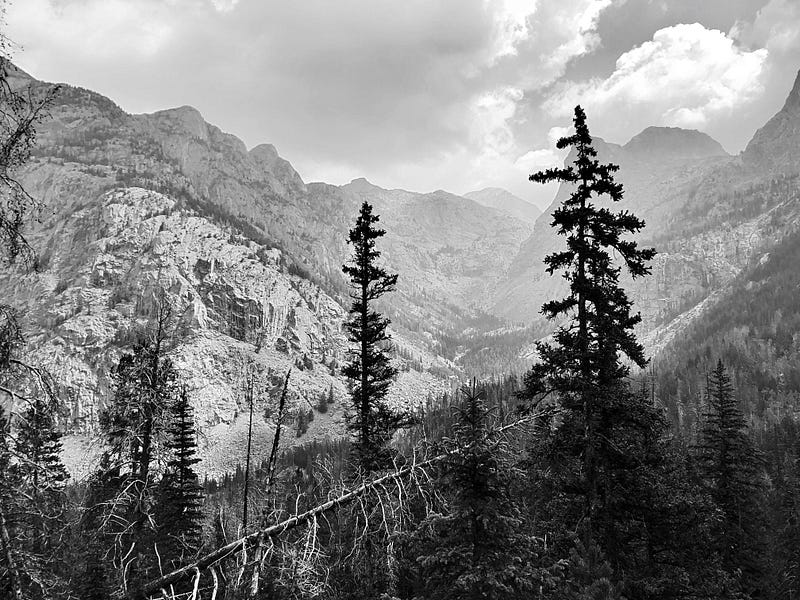
“‘Rocks on the side of the cliff,’ I said, ‘why don’t they tumble down?’ “‘Maybe that’s a haiku, maybe not, it might be a little too complicated,’ said Japhy. ‘A real haiku’s gotta be as simple as porridge and yet make you see the real thing, like the greatest haiku of them all probably is the one that goes “The sparrow hops along the veranda, with wet feet.” By Shiki. You see the wet footprints like a vision in your mind and yet in those few words you also see the rain that’s been falling that day and almost smell the wet pine needles.’” — Gary Snyder (Japhy)
I don’t know if you’re like me, but in the past weeks, I have craved simplicity. A friend told me this is the noisiest time in memory. I agree. So hard to turn off the non-stop fear. In the midst of chaos, loneliness. In the ceaseless communication, isolation. The world dictates how we are, never stops to ask, “really, how are you?”
The important disappears under the urgent, and I find it near-impossible to carve out creative time and headspace.
I think it’s the perfect time for haiku — a time for fleeting sparrow footprints, sunlit butterfly wings, Oklahoma windmills. For senses to replace knowledge, for simplicity to transmute fear into observation and acceptance. A time for Kerouac.
Chief Crazy Horse looks North with tearful eyes — The first snow flurry.
Jack Kerouac created a free-form style that has come to be known as American Haiku.
His description:
“I propose that the ‘Western Haiku’ simply say a lot in three short lines in any Western language. Above all, a Haiku must be very simple and free of all poetic trickery and make a little picture and yet be as airy and graceful as a Vivaldi Pastorella.” — Kerouac
Of course, Kerouac was not a slave to his own rules. Some of his haiku were two lines, some read best as a single line. There’s question as to whether they’re really haiku at all or whether they’re a similar style called senryu. I had to guess how to arrange the poems below in terms of line spacing. Some poems originally unpublished haiku in two-line format, and some really seem to be one-line. Kerouac followed the spirit rather than the law.
Kerouac’s best haiku were profoundly simple and ironic. As with the great Japanese poets, the key is “the turn,” that in so few words, the poem begins in one place and end in another altogether. Kerouac often landed somewhere transcendent.
“Haiku’s sister genre, senryu, is defined as following the same form as haiku, but where the latter deals with Nature, senryu is specifically about human nature and human relationships and is often humorous. Technically, haiku contains a seasonal reference; senryu does not. Unlike the more demanding haiku, senryu can employ what Kerouac saw as “poetic trickery”: simile, metaphor, and personification.” — Regina Weinreich
I absolutely love Kerouac’s “prose,” constructed by of several poems grouped together. I don’t think this is a foreign concept to haiku. The Japanese masters would drink sake and create haiku in a round-robin format. To read any poem as standalone is a bit disingenuous — it is always part of an ecosystem of art.
“‘Keep the eye STEADILY on the object,’ for haiku,” he exhorted himself in his notebooks. “WRITE HAIKUS THEN PAINT THE SCENE DESCRIBING THEM!” He also likened good haiku to good painting. The best haiku gave him “the sensation I get looking at a great painting by Van Gogh, it’s there & nothing you can say or do about it, except look in dismay at the power of looking.” — Regina Weinreich
Prompt: write a group of “American” haiku or senryu (please submit as a minimum of 5 together)
Paint the scene of your life right now. What is happening in you, around you? How can something simple, physical, become transcendent.
I look forward to what you create!!
Poems and commentary are found in Book of Haiku, Penguin, with excellent intro by Regina Weinreich. It’s amazing. The poems following are some of my favorites.
Links to poems submitted for Songs of Innocence vs. Experience are below. Tip of the hat to Austin Briggman, for primitive and graceless. Also, kudos to antoinette nevitt, for her genius line about Coronavirus:
I’m fairly sure we will science the hell out of this thing.
In fact, her poem, March 2020, could well be considered a grouping of American haiku. . .definitely the style I have in mind for this prompt.
Walking the same or different paths
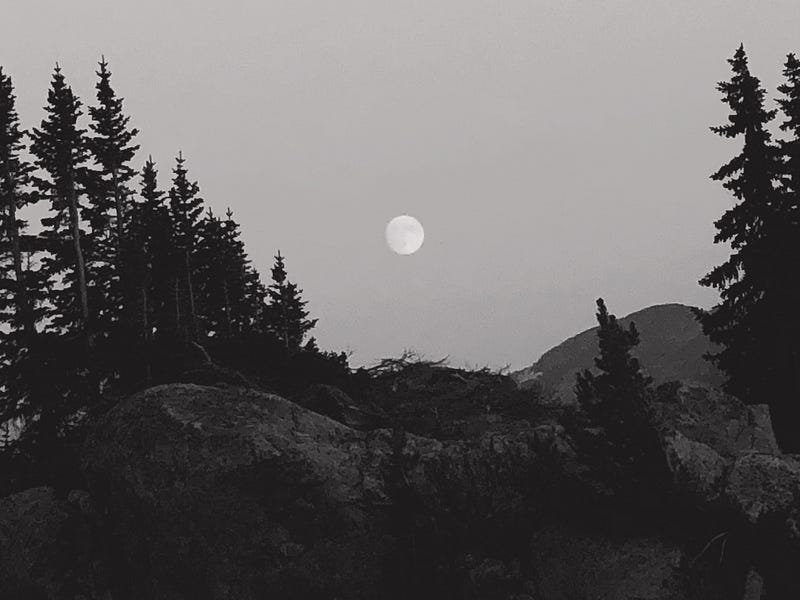
The moon follows each
Protected by the clouds, the moon
Sleeps sailing
Take up a cup of water from the ocean
And there I am
In the sun the butterfly wings Like a church window
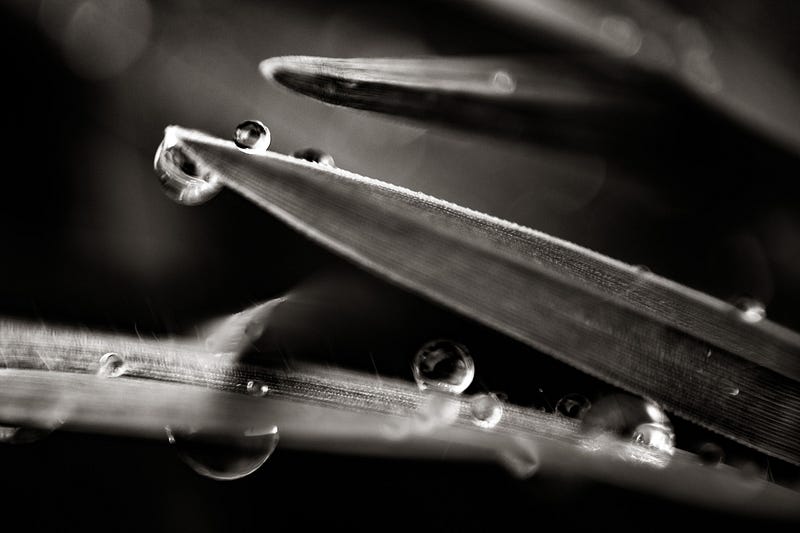
Rain’s over, hammer on wood — this cobweb Rides the sun shine
You’d be surprised how little I knew Even up to yesterday
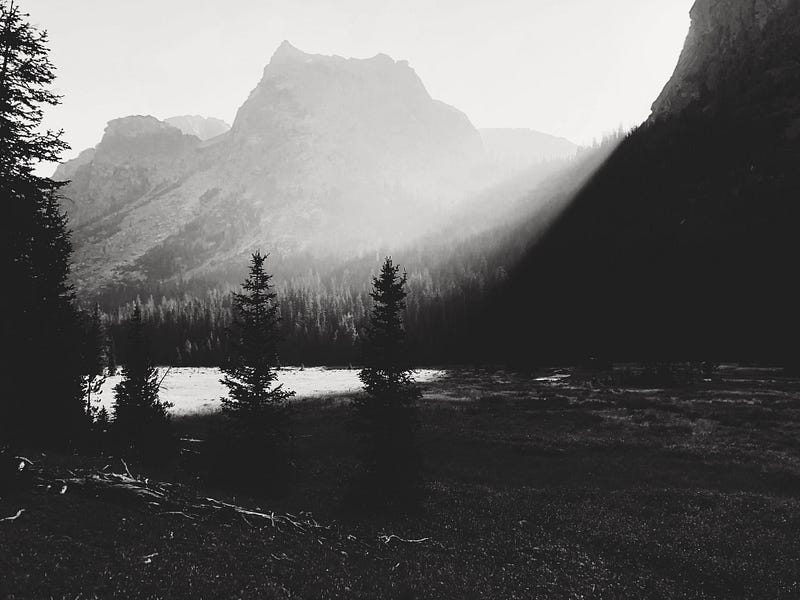
The storm went away as swiftly as it came and the late afternoon lake-sparkle blinded me. Late afternoon, my mop drying on the rock. Late afternoon, my bare back cold as I stood above the world in a snowfield digging shovelsful into a pail. Late afternoon, it was I not the void that changed.
Oklahoma — in any direction flat, pure, quiet. Cows rushing like dots as tho they were as far away as Nebraska. Grain elevators waiting for the farmers to come home from church. Grain elevators, like tall trucks waiting for the road to approach them. Radio antennae hard to see somewhere. . . . Windmills looking in every direction.
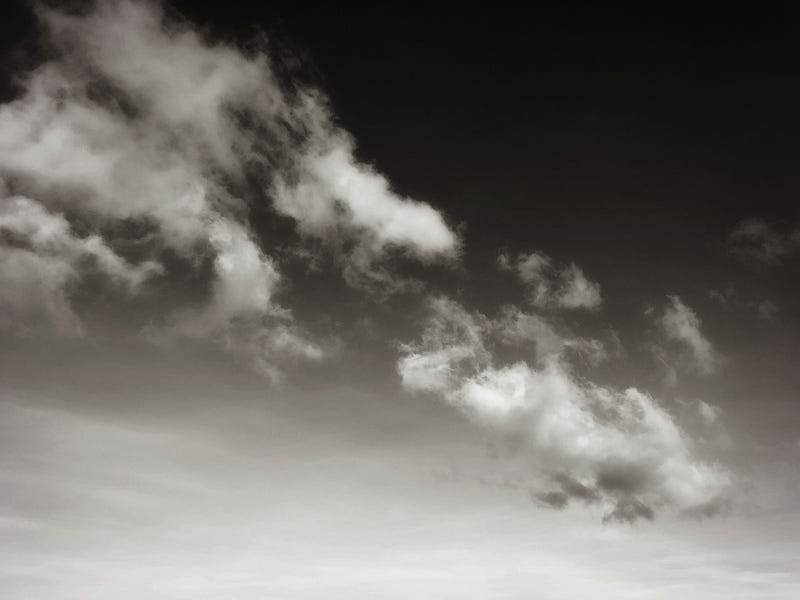
Iowa clouds following each other Into Eternity
Here comes the nightly moth, to his nightly Death, at my lamp
The cat: a little body being used By a little person
Train tunnel, too dark for me to write: that “Men are ignorant”
Came down from my ivory tower And found no world
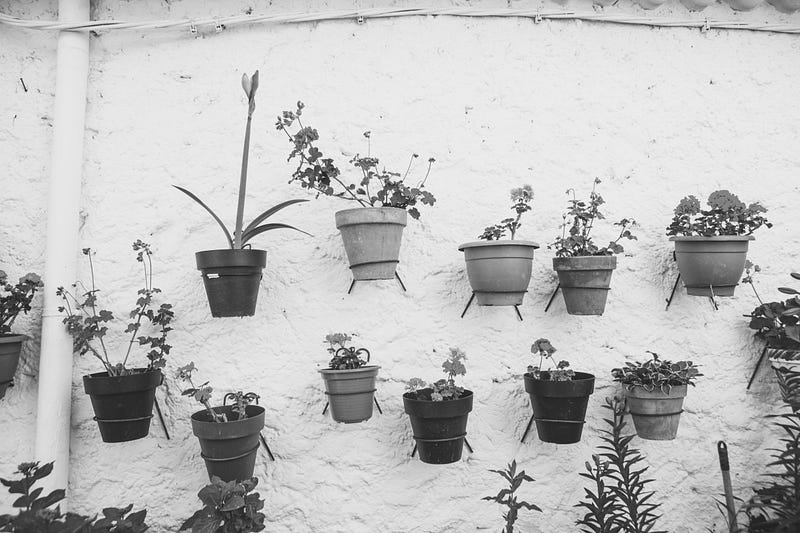
Flowers aim crookedly At the straight death
Two cars passing on the freeway — Husband and wife
October night, lights of Connecticut towns Across the sound
One flower on the cliffside Nodding at the canyon
The other man, just as lonesome as I am In this empty universe.
Previous Prompt:
Reponses:
Recent submissions for older prompts. Feel free to visit the archives anytime, especially if you were recently added as a writer.
Guérin Asante Sylvia Wohlfarth Dennett Anna Rozwadowska Lindsay Lonai Linegar Carver Bain Michelle Muses Aaska Ejaz Chiedza Kikumi LB Blue Fences kurt gasbarra
Jo Ann Harris FILZA CHAUDHRY Suwimali Bandara Kurt Gasbarra Crystal E.Wild Flower Sarah Book Amy Jo Reynolds antoinette nevitt Dennett Joe Váradi Austin Briggman Dana Sanford Shringi Kumari Anisesh Tracy Aston wimpy af Ashwini Dodani Vaishali Paliwal Leah J.🕊 Tapan Avasthi Maymuuna Seth Cason Brian Fehler Simon Heathcote Sonam Arora Nadine Morsch Ngang God’swill N. Lisa Tomey Shobha Roy D. E. Fulford poetsarah Gretchen Lee Bourquin 💗POM-poet!💗 Joey L. Sara Stasi Abigail Siegel M.J. Falke Samantha Lazar Tanya E. Denhere Markham J Moody Jack Burt Daphni Sawyer Esther Spurrill-Jones Gurpreet Dhariwal Somsubhra Banerjee