Summary
The webpage content provides a humorous take on programming, offering a collection of jokes, memes, and series articles on various tech topics, alongside resources for developers and insights from developer surveys.
Abstract
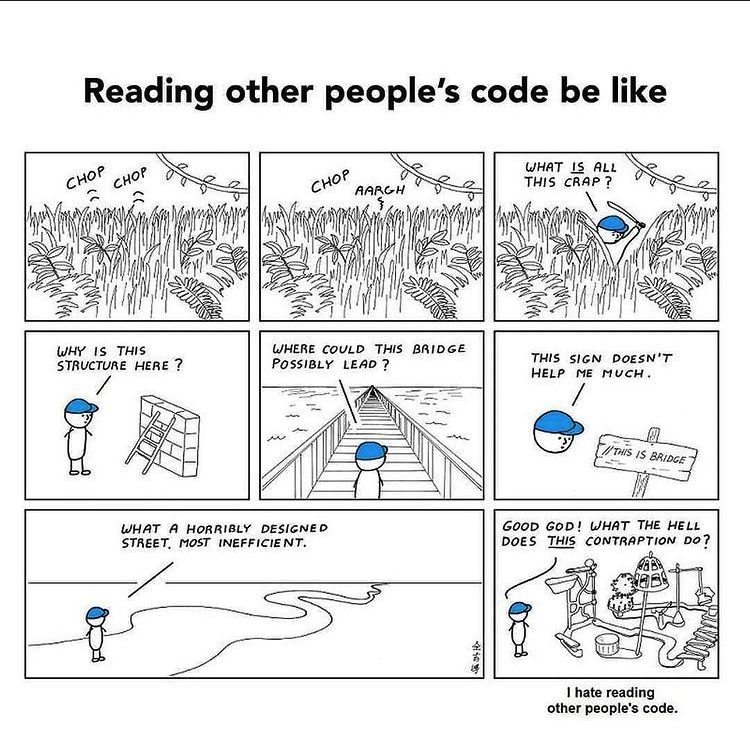
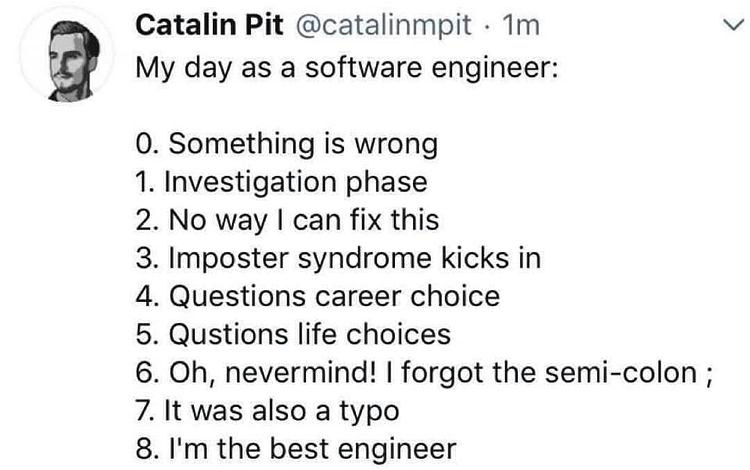
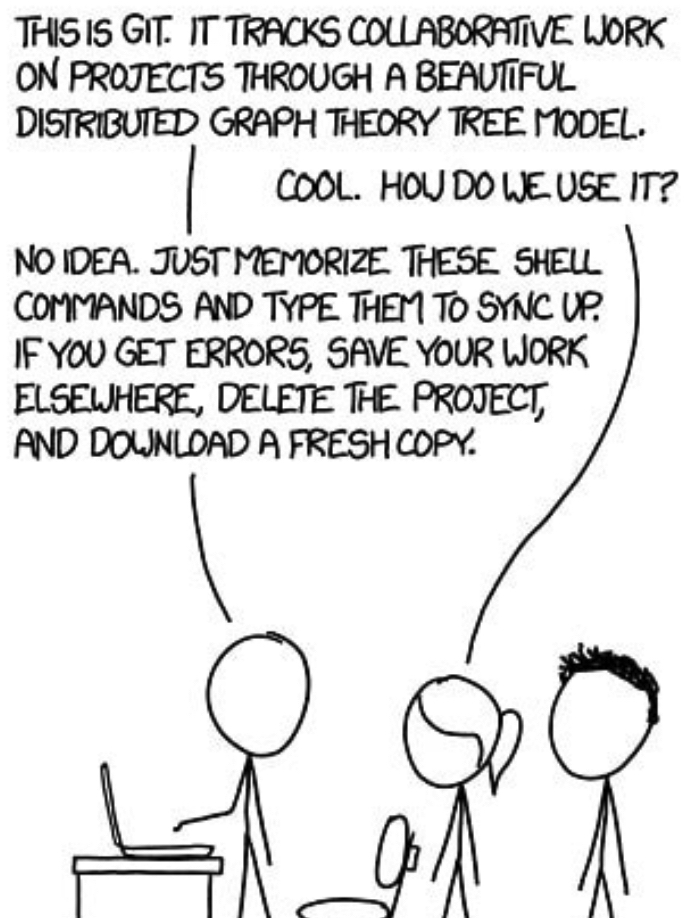
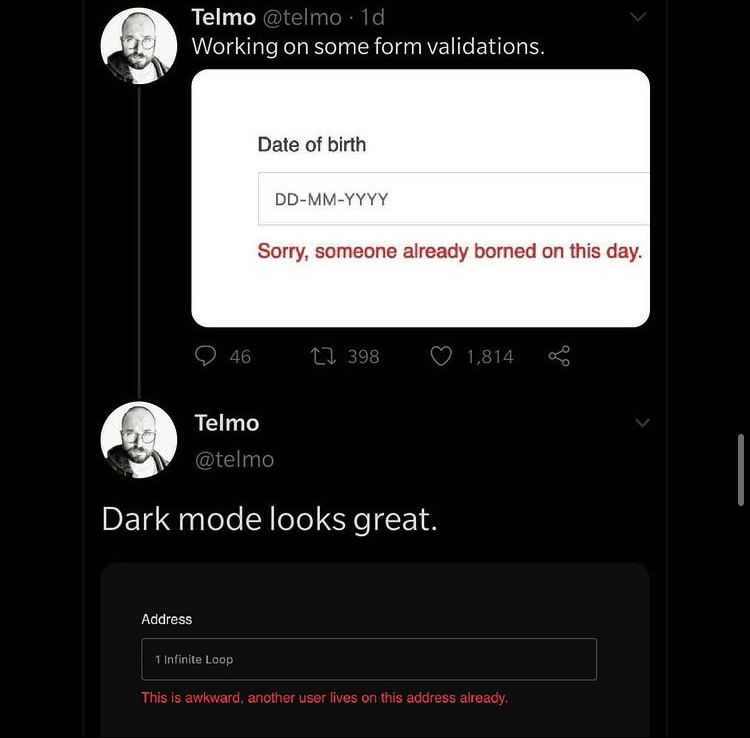
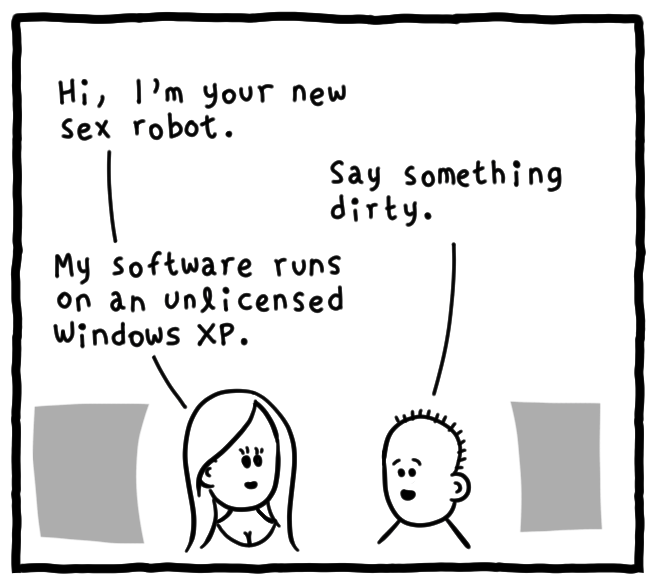
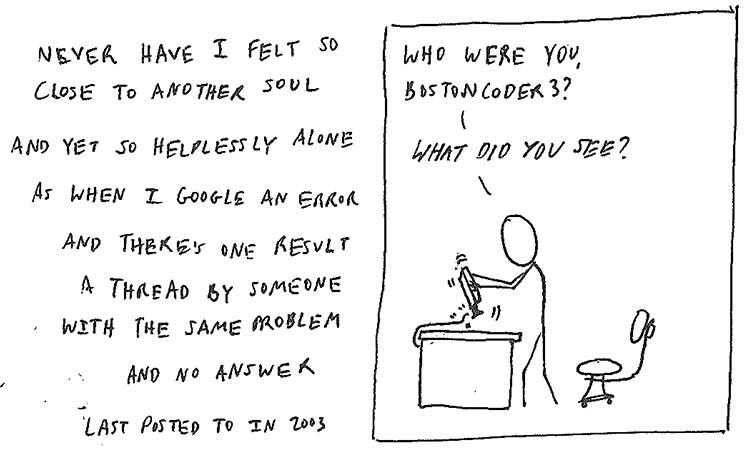
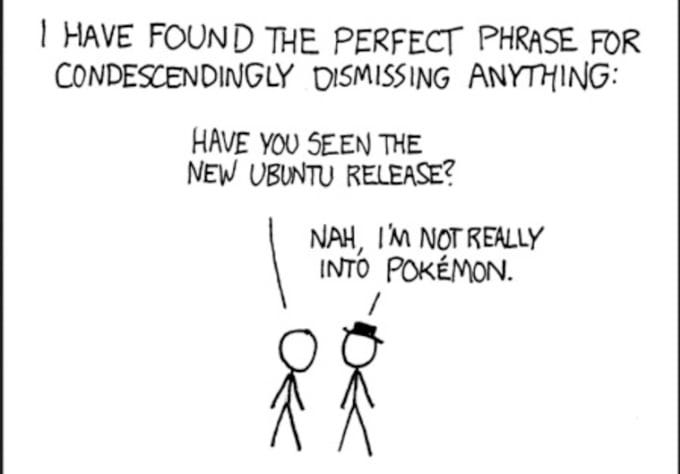
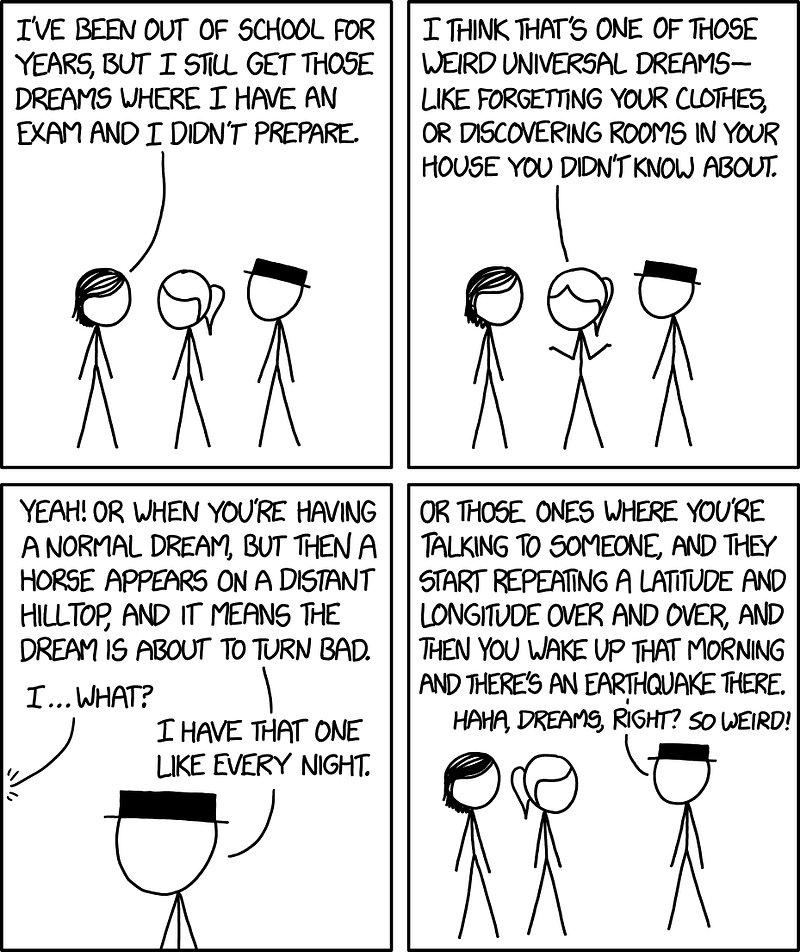
The webpage titled "Programming Humor Part 2" is designed to give programmers a light-hearted break from their demanding work with a series of jokes, memes, and amusing anecdotes about the tech industry. It acknowledges the challenging aspects of programming, such as sleepless nights and copious amounts of coffee, while encouraging a playful outlook. The page also serves as a repository of educational content, featuring links to comprehensive series on Machine Learning Ops, Natural Language Processing, Data Engineering, and other technical subjects. It promotes a newsletter for tech interview tips and projects, showcases exceptional GitHub repositories, and provides insights from surveys conducted by Stack Overflow, Hacker Earth, and Hacker Rank. Additionally, the page offers a glimpse into the humorous side of coding through hilarious code comments and programming jokes, and it concludes with recommendations for further reading on advanced Python techniques and data science methods.
Opinions
- The author uses sarcasm to highlight the lighter side of the demanding lifestyle of programmers.
- The page suggests that humor is a valuable tool for coping with the stresses of programming.
- It implies that staying updated with tech newsletters like "Tech Brew" can be beneficial for developers.
- The inclusion of survey insights from platforms like Stack Overflow and Hacker Earth indicates a belief in the importance of understanding developer demographics and work habits.
- The author seems to value the educational aspect of programming humor, as evidenced by the links to various learning series and advanced Python tutorials.
- The page promotes the idea that engaging with the tech community through resources like GitHub repositories is essential for growth and learning in the field.
- By featuring articles that compare programming languages to Game of Thrones characters, the author expresses an opinion that pop culture references can effectively communicate complex technical concepts.