
Pervitin — How Methamphetamine Fueled Nazi Germany
The drug that made Blitzkrieg possible

Nazi Germany 1939 — a little-known substance named Pervitin was pulsing through the nation’s veins. With a blend of ambition, addiction, and a euphoric illusion — this is the story of methamphetamine’s role in the rise and fall of the Third Reich.
The Birth of Pervitin
Pervitin, the brand name for methamphetamine, emerged as a pharmaceutical marvel in the early 20th century. Developed by the Berlin-based Temmler pharmaceutical company in 1938, it was initially marketed as a powerful over-the-counter medication. Dr. Fritz Hauschild, the scientist behind Pervitin, believed he had discovered a miracle drug that could alleviate fatigue, enhance performance, and elevate mood — a perfect tonic for a nation emerging from the shadows of economic depression.
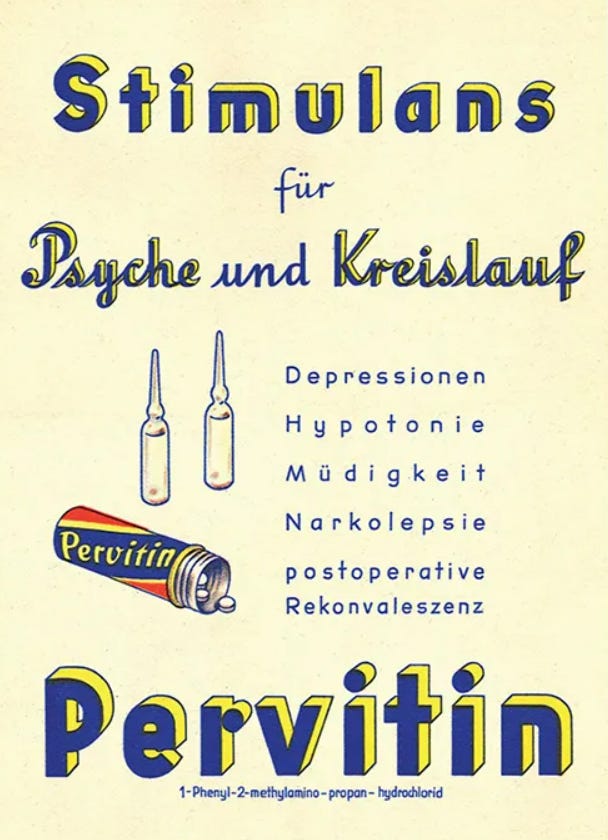
Temmler sent free “samples” to all doctors in Berlin, encouraging them to test the product themselves. They received envelopes with 3-milligram pills and a feedback card (the first dose is always free).
“This so-called ‘speedamin’ landed like a bomb, spread like a virus, sold like sliced bread and was as much of a fixture as a cup of coffee. Pervitin became a sensation”.
Norman Ohler — author of “Blitzed”.
The Wehrmacht’s Endorsement
As tensions escalated on the European stage, the German military quickly recognized the potential of Pervitin. In 1939, just as the invasion of Poland loomed, the Wehrmacht issued millions of Pervitin tablets to its troops.
Soldiers were now armed not only with weapons but also with a stimulant that promised heightened alertness and prolonged endurance on the battlefield. The drug became an integral part of the military strategy, a silent partner in the march towards conquest.
“In cases of especially hard strain, I have seen soldiers remain fresh for three days and three nights without sleep.” — Dr. Otto F. Ranke, a military doctor advocating for the use of Pervitin in the German army.
Blitzkrieg and Pervitin
The lightning-fast tactics of the Blitzkrieg, the German military’s rapid and overwhelming offensive, were greatly influenced by the use of Pervitin. The drug allowed soldiers to operate at peak performance for extended periods, leading to swift victories in campaigns across Europe. As tanks rolled and planes soared, a nation fueled by methamphetamine was seemingly unstoppable.
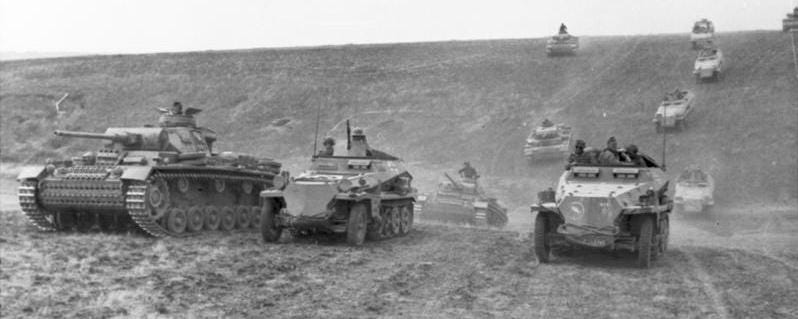
Thirty-five million tablets of methamphetamine were being distributed just before the advance attack into France. “They were being taken by the tank troops at regular intervals. Two pills had to be taken once the advance [started], and then after 12 hours another pill, and then after 12 hours another pill. This was written down in the so-called stimulant decree”. (Norman Ohler — Blitzed).
The Dark Side of the Euphoria
However, the euphoria surrounding Pervitin came at a cost. As the drug permeated the ranks of the German military, reports of its dark side emerged. Soldiers initially invigorated, soon experienced severe side effects such as anxiety, aggression, and paranoia. The quest for invincibility led to a perilous dependence on methamphetamine, sowing the seeds of a destructive addiction that would plague the nation.
“The men were like zombies… They were completely cut off from the world around them, and they no longer had any idea of time. They didn’t know where they were.” — Heinrich Böll, a German soldier describing the impact of Pervitin during the invasion of Poland.
The Civilian Surge
With the success of Pervitin on the military front, the drug found its way into the civilian realm. Marketed as a performance enhancer and mood elevator, Pervitin gained popularity among the German populace. Its over-the-counter availability made it easily accessible, and citizens embraced the stimulant as a means to cope with the challenges of a nation at war.
“It was marvelous. It was as if I had taken off in an airplane, high above all my daily worries and apprehensions.” — A German civilian describing the euphoric effects of Pervitin.
Temmler even went as far as selling boxed chocolates in collaboration with the manufacturer Hildebrand. Each “delicious” little serving contained no less than 14 milligrams of pure methamphetamine (nearly 5 times the amount in a Pervitin pill). The advertising byline was: “Making housework more fun — Hildebrand chocolates are always a delight”.
The Factory of the Future
German industries, already fueled by the fervor of war, turned to Pervitin to maximize productivity. Workers in factories and munitions plants were encouraged to take the drug to work longer hours with increased efficiency. The line between duty and dependency blurred, and Pervitin became a silent partner in the machinery of war production.
The Facade of Normality
Despite the escalating chaos of war, Pervitin allowed citizens to maintain a semblance of normalcy. As air raid sirens wailed and the specter of destruction loomed, methamphetamine provided an escape from the harsh realities of daily life. The illusion of invincibility persisted, even as the war began to take a toll on the collective psyche of the German people.
“Pervitin was the people’s drug. Everyone was convinced it was harmless and that it banished sleep.” — Anonymous German citizen reflecting on the widespread use of Pervitin.
The Phantom High
By the mid-1940s, the German military machine faced a dire reckoning. Soldiers, worn out by prolonged use, began experiencing the harsh realities of withdrawal. The phantom high that had propelled them through campaigns began to dissipate, leaving behind a lethargic and depleted force.
“The soldiers had become addicted. They were shaking. They were sick. It was total chaos.” — Dr. Otto F. Ranke, a military doctor, describing the withdrawal symptoms experienced by German soldiers.
Delusions of Grandeur
As the Allies closed in, Hitler, who himself was under the influence of a cocktail of drugs, remained ensconced in a distorted reality. Hitler’s physician Dr. Theo Morell, had administered regular and daily “vitamin injections” on him since 1936. The doctor kept meticulous track of the approximately 90 varieties of injections and pills he gave to Hitler. A potent and toxic mix of opiates, cocaine and animal hormones. The illusion of invincibility, once fueled by Pervitin, began to crumble. The Führer’s erratic decision-making and detachment from reality were symptomatic of a nation in the throes of drug-induced delusions.
“Hitler’s left arm twitched and shook, a result of his ever-increasing use of drugs, particularly opiates and methamphetamines.” — Norman Ohler, describing Hitler’s deteriorating health and drug dependence.

A Nation in Decline
As the war reached its climax, Germany faced not only military defeat but also the devastating impact of Pervitin on its civilian population. The illusion of prosperity propagated by the drug gave way to a harsh reality of economic ruin, shattered families, and a society grappling with the aftermath of addiction.
“Pervitin had deceived us…we were living in a different world from the one we had known before.” — An anonymous German citizen reflecting on the disillusionment that followed the war.


.jpg)
