[Opinion] It’s 2024, a whole new world is taking shape, and the Republicans need a new strategy!
Sign up for [The Weekend Brief] newsletter by Areas & Producers
George Friendman called the United States “an invented country”. This term alone would cause some significant debate and complicated thoughts. I agree with the fact that technological revolution has indeed been a key role in the development of the US culture, politics and identity over the years. And while I also agree withhis statement — “we’re different from the rest of the world” — I don’t think we should stop there without having a bigger discussion about why the US is different from the rest of the world.
I have strived to explain more details about why the US is different from the rest of the world. In doing so, I firstly want to give a shout out to Civic Ventures for sharing this original article by Nick Hanauer in TIME Magazine. It’s a perfect piece of content for anyone following the US economy and what’s in store for the 2024 US elections.
Admittedly, “Bidenomics” is not something that I have been following closely in my reading community. But I understand how important it will be for the upcoming elections, which is why I am sharing the main insights from this article with the world. Have a look at some of the key quotes below.
“Like Reaganomics before it, Bidenomics is largely an argument over economic cause and effect. Bidenomics argues that a large and thriving middle class is the primary cause of economic growth. ‘When the middle class does well, everybody does well,’ the President has repeatedly explained. This is the core proposition of Bidenomics: that prosperity grows from the bottom up and the middle out.”
US prosperity could grow from the bottom up and the middle out, but I don’t know about this situation for the rest of the world. I have a lot of international experience and I have found that the economic pendulum swings so much wider than bottom up or middle out in some countries. I don’t know if Americans quite get the global picture, but it doesen’t really matter, because when they go to the polls for the US election next year, they will be thinking about what’s best for their own financial and security interests. Whoever has their financial and security interests in mind is likely to win the US 2024 elections.
“One can see this embrace of middle-out economics both in Biden’s words and in his policy agenda. The White House website describes Bidenomics as ‘centered around three key pillars’ — public investments, empowering workers, and promoting competition — pillars that stand both in sharp contrast to the Reaganomics regime of tax cuts, wage suppression, and deregulation, and on a far stronger empirical foundation than the trickle-down alternative they seek to displace.”
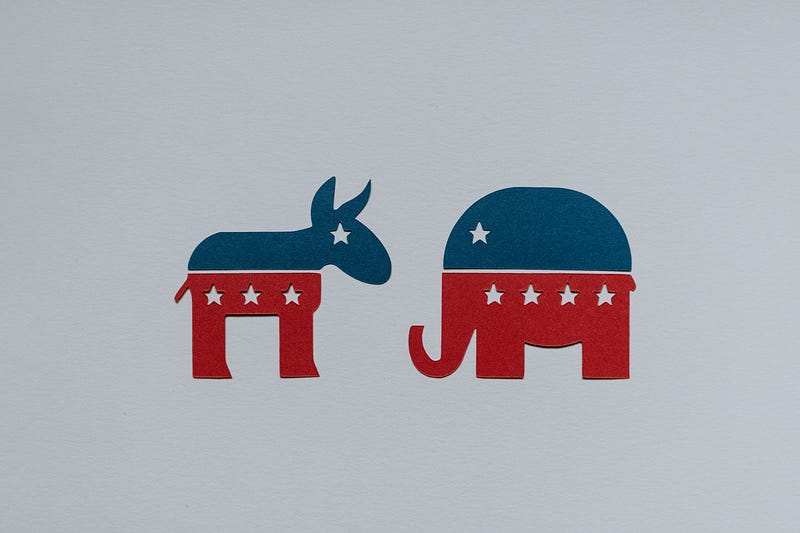
I skipped over some of the details about the Reaganomics vs Bidenomics framework for the US economy, but I want to share with you why the two agendas both matter in this upcoming election. The US Republicans have lost their edge with the Trump Administration, who basically ran on a platform that called out the US’ global competitors while shaming their political opponents domestically. Well, it’s 2024, a whole new world is taking shape, and the Republicans need a new strategy. The same strategy will not work twice, because the global pandemic opened up a lot of new problems in the US and global economy. What this Bidenomics framework intends to do is address all of these new problems and provide a kind of one-size-fits-all solution that even encourages certain levels of foreign investment and participation. I’m not sure if it’s going to win over the American citizens, though.
“Bidenomics offers a credible explanation: A large and thriving middle class is the primary cause of growth, and the only way to grow the middle class is to include more people in it. Across the broader Democratic agenda — on immigration, on education, on climate, on workers’ rights, civil rights, reproductive rights, marriage equality, health care, childcare, pay equity, the minimum wage, antitrust, trade, and on many other issues — the one thing that Democratic policies have in common is that they tend to be more inclusive than the Republican alternative.”
One thig that stands out to me is this broad agenda of the US Democratic party: why must they address so many issues at the same time? Wouldn’t the solutions for these issues be more consequential if they were addressed at different timelines? Perhaps my questions are not practical, but I certainly don’t agree that the Democratic agenda is the right one for the US economy right now. It’s become ever more important that the US face off with its foreign competitors in highly-senstive areas of technological growth and innovation. I’m all for diversity and inclusion, but I also wish that people would get over it and move on to what’s affecting the future of the global ecomomy. The US depends on the global economic growth more than most people in the US realize, so, if anything, I wish that the Bidenomics agenda would put a premium on this part of the learning strategy.
Read the full article in TIME Magazine: “Bidenomics Is Real Economics”
If you like my opinion on current affairs, check out some of the previous opinions I wrote for [The Weekend Brief] newsletter: