
One Month Per Country, Minimum
The benefits of very slow travel, featuring Peru
When my family began our worldschooling year, two or three weeks in a country felt luxurious. We researched our destination, choose spots within its borders to visit, booked accommodation for a few nights, and we were off and running.
A few months into the journey, though, we lagged. We languished at the breakfast table over scrambled eggs, left our hotels later in the morning, returned earlier in the afternoon to rest, and began skipping sites. Fast travel can be exhausting and is better saved for the typical American ten-day vacation.
When slow traveling, people sink deeply into a country. They learn the name of the fruit seller down the road, visit their favorite taco vendor multiple times, or discover the best cafe in which to work. The benefits of cultural immersion can be utterly transformative.
A note about privilege
Before I go further, let me acknowledge the elephant in the room: Many millions of people will never, can never travel outside of their home country for a month or even a day. The privilege inherent in this story is real and unfair.
While I’m not always comfortable with the privilege that comes with my country of origin, my passport, and my skin color, I also see that it comes with responsibility. A duty to notice my privilege and to equalize some of it through intentional spending, volunteering, and teaching my children to sit with that discomfort too, rather than retreating behind the gates of a subdivision.
We also have a duty to connect, build compassion for the experiences of others, find commonalities, and help create a more peaceful world. We can only do that through relationships, and slow travel helps develop those relationships.
If not one month, how about two?
My family just departed Peru after two months, and within that time, we saw various sections of the country: Lima, Cusco, the Sacred Valley, the northern Andes, and coastal cities like Trujillo and Chimbote.
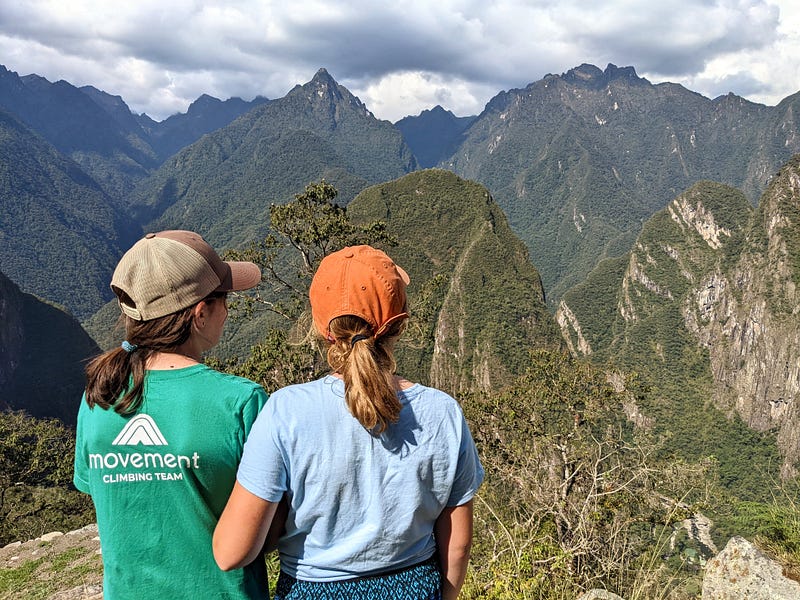
While we visited some of the primary tourist sites, we decided against the Nazca Lines, Lake Titicaca, and other areas in the south, instead choosing a small village in the northern mountains called Corongo. Invited by a host through workaway.info, we spent two weeks working at a rural library. The host, originally from Lima, had never seen a single book in a home in Corongo and knew that the nearest library was a six-hour bus ride away.
She decided to do something about the lack of books in the hands of children.
Our time in Corongo felt precious, purposeful, and profound, and we were grateful to trade buses filled with tourists for the experience. It could only have happened because we dedicated time.
People may have enough time, or they may have enough money. They usually don’t have enough of both.
Slow travel, of course, has disadvantages as well as advantages.
Advantages of slow travel
- Emphasizes connection and the quality of interactions
- Less expensive than faster travel
- Better for the environment
- Can be less structured and freer with time, unhurried
- Allows for serendipitous moments of discovery
- Benefits people who have trouble with change and transition, who like to nest, unpack, and spread out
- Provides more time to reflect, analyze, and grow
The most challenging part of slow travel
The primary disadvantage of very slow travel comes when travelers miss famous sites, “must-see” destinations, and tourist attractions. When we research our destination, numerous blogs, lists, and posts point us to specific places visited by most tourists. Glossy brochures in hotels, lovely photos in travel agencies we wander past, and offers by taxi drivers and tour guides tempt us to plan trips to these places.
And while we can, of course, take a couple of days to visit these sites, very slow travelers often forego them in favor of deeper, longer experiences in fewer spots.
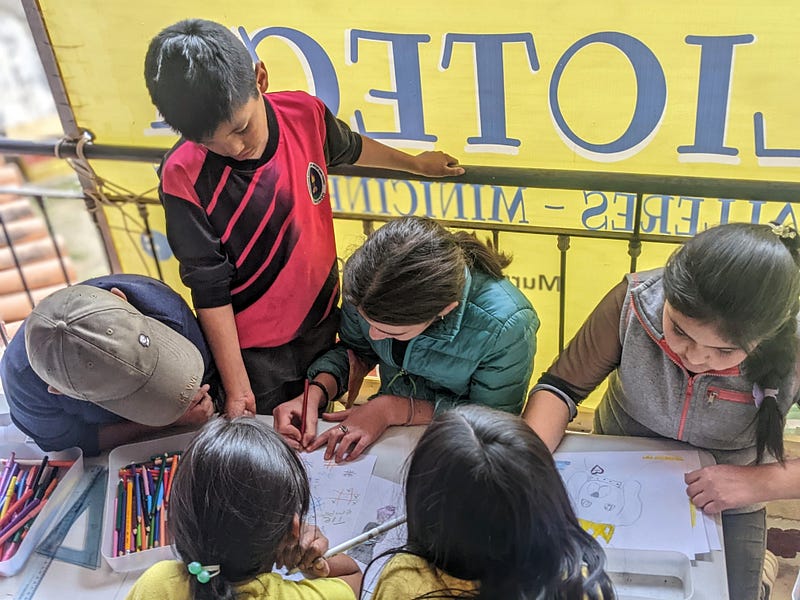
We see our children connecting with local people, perhaps practising a new language, and learning about daily life. We notice how differently a typical village looks (In the case of Peru, one that includes street dogs, trash-strewn creeks, unpaved roads, and seniors chatting in public squares) versus a touristy city (In the case of Cusco, city-funded cleaners keeping lanes free of trash, no visible street animals, whitewashed buildings, squares filled with foreigners, and roaming tourist police.)
We recognize the ways in which travelers receive a carefully crafted, sanitized version of a place if they only dash between tourist sites in private vans, and we know that our choices were worth it.
Stephanie Tolk is the founder of Deliberate Detour, a company that supports traveling families in making their dreams come true. She’s a co-author of the new book, Worldschooling: Innovative Parents Turning Countries into Classrooms. Stephanie also has a comprehensive course called Worldschooling: A Comprehensive Guide to Long-Term Travel for those interested in the lifestyle.
You might also enjoy: