
Cultural Immersion: A Soft Term with a Lot Of Muscle
A travel tale featuring Mali, West Africa
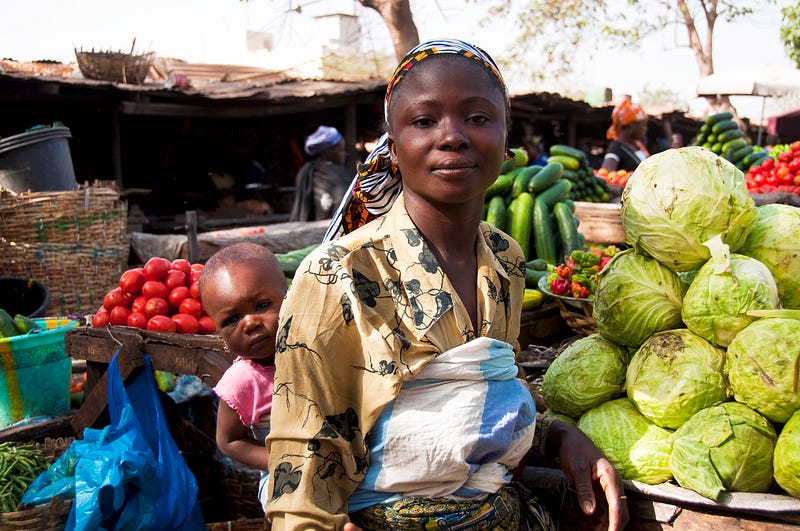
I awake in a small village in Mali, West Africa and pull water from the well in my enclosed yard. After carrying it to my roofless outhouse, I pour cups of lukewarm water — the perfect temperature on this hot day — over my hair in the shade of a thousand-year-old baobab tree. I cook oatmeal on my two-burner camping stove (for which I have to bike five miles and taxi another 50 to fill the tank) and then venture out into the village.
Greeting people properly is very important in Malian culture. We shake hands with all we meet, making eye contact and moving through an elaborate set of questions and answers, all meant to display honor and care. Speedy greetings show disrespect.
I visit with Shiaka, the chief of the village, who sits in the shade chatting with friends as his wives scrub the breakfast pots, nurse babies, or pound millet into flour for lunch. They pour me strong green tea thick with sugar, and we discuss crops, the weather, or soccer scores.
As I wander the narrow lanes flanked by mud-brick homes, I greet Madu, at work fixing bicycles, and Baflace, on his way to his mango orchard. I sit with women shelling peanuts, which they’ll turn into paste using a stone rolling pin on a stone surface, or roasted shea nuts, from which they’ll produce shea butter.
Later, I go home and prepare health lessons for the villagers, work in my garden, or read a thick novel beneath my passion fruit vines.
In my early days in the village, children were my constant companions, intrigued by the strange light-skinned woman who wasn’t married, owned many books, and wrote with her left hand. They marveled at the food I made (sandwiches of banana and peanut butter, pasta with pesto from my gigantic basil plants, oatmeal with peanut butter and honey), the voices of BBC reporters coming from my shortwave radio, and my American shoes.
Now, though, I was alone. After two years in Mali as a Peace Corps Volunteer, I had achieved the ultimate gift of immersion: I was virtually invisible.
What is cultural immersion?
As may be obvious from my mention of a shortwave, I served in Peace Corps at the end of the last century. While the time before the ubiquitous internet and smartphones naturally made immersion and its counterpart, separation from home, more feasible, sinking deeply into cultures is still possible.
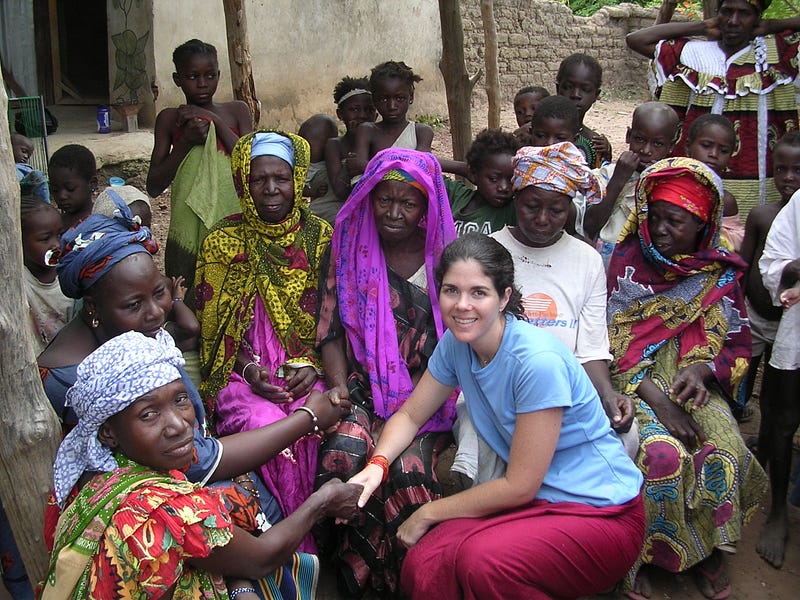
Immersion is a state of being fully involved, engaged, and accepted as a part of a community.
Why try to immerse into cultures?
When a traveler is fully immersed, they’re no longer treated as tourists. They’re offered prices equal to local people; they speak the language; they can fend for themselves. When they reach this milestone, tourists may slowly be embraced by the community, perhaps invited to weddings, offered up gossip, or presented with babies to soothe.
A world of subtlety opens up to the immersed traveler, where local people share previously hidden bits about cultural superstitions, myths, fears, secrets, past tragedies, or future hopes.
Those who have succeeded might understand that a Peruvian who says, “Fifteen minutes,” means thirty. Or that Czech people of all ages and abilities love to stroll in the mountains on sunny days. Or perhaps that Turks will walk miles across town to help a stranger. They may come to understand that Vietnamese pho is not all the same and that different restaurants, and even families, guard their unique recipes. They may learn that many Malians, while practising Muslims for the most part, believe that some people can transform into animals.
Immersion takes away our generalizations about a culture (Malians are some of the poorest people on earth) and hands us back richness (Mali is made up of dozens of ethnic groups, and not only can Tuaregs not understand Malinke — or Songoy or Bambara or Fulani, — but their dress and cuisine hold no resemblance to that of the Malinke.)
Why is it so difficult to truly immerse into other cultures?
For tourists, even for the most intrepid, off-the-beaten-track traveler, true immersion is difficult to achieve. Humans put each other in boxes and in relation to one another. Host/guest. Driver/passenger. Porter/hiker. Server/diner. Merchant/customer. Local/traveler.
We create expectations for one another based on these roles, and we make it exceedingly difficult to see one another any other way.
To gain access to the secrets of another culture, try these strategies:
- Stay a while. Like, longer than you think. A month at the minimum; A year is better.
- Move slowly. Don’t plan too much (or try what I call “unplanning”), and let serendipity take the lead.
- Park yourself in the center of things, and see what arises. Ideal locations might be public squares, parks, local markets, or popular cafes.
- Learn the language, and use it.
- Find a purpose. Volunteer, or create an arrangement with Workaway.
- Display your extroverted side, and communicate with people, even if you have to use hand gestures, Google translate, or charades.
Two final points
Cultures, communities, and towns do not exist for travelers merely to consume. While we hope to grow, learn, evolve and become better people through travel, we have a duty to remain aware of our impact. Every move we make sends ripples and provides messages.
Treat others — always, anywhere — as you would like to be treated.
Finally, while I became “virtually invisible” to my Malian villagers, I could never become Malian. I would never experience the hunger they sometimes feel or the sorrow of losing multiple friends to treatable diseases. I would hold malaria prophylactic in my mudbrick house, iodine for my drinking water, and sturdy walking shoes.
Not only would I never look Malian, but I possessed one immense privilege those kind folks would never have: When life became tough, I could board a plane and leave.
My Malian friends understood this. As I gave my last departure greetings amidst a sea of tears (mine, not theirs), they said this:
Logo min be sigi ji kono san chaman, o te se ka ke bama ye. — A log can spend a long, long time in a river, and it’ll never become a crocodile.
Stephanie Tolk is the founder of Deliberate Detour and the creator of the first complete worldschooling course on the market. Check out Worldschooling: A Comprehensive Guide to Long-Term Travel to learn how to plan a life-changing international journey that’s just right for your unique family.


