
What Is Worldschooling, and Why Are People Embracing It?
Interest in this post-pandemic travel lifestyle is exploding
In 2020, business leaders who never thought work-from-home was possible scrambled to arm their employees with VPNs and laptops to make socially-distanced productivity possible. As the pandemic wore on, with parents and students sharing devices and dining-room tables, new realizations bloomed.
“We don’t have to be here in this room!” we thought. “Can’t we work from anywhere?”
By the middle of 2022, the opportunity to work from anywhere had become possible for more than half of Americans. According to a survey by McKinsey & Company completed in June 2022, 58% of US employees had the opportunity to work from home several days per week with 35% able to work from home full time.
Those with means rented Airbnbs on beaches and took to RVs, spending hours on screens as they fulfilled job and school duties. When they signed off, they explored new towns, beaches, roadside attractions, and even countries, and continents. And with this expanded perspective, worldschooling blossomed.
What is worldschooling?
Worldschooling is a lifestyle in which parents educate their children through intentional interaction with the world outside of their borders.
Most worldschoolers travel for extended periods of time — for weeks, months, or years. To manifest a long-term journey, they must alter many aspects of their lives at home: find remote work, re-home their pets, sell material items, rent their home, convince relatives that they’re not mad, and more.
Because of all the work that goes into worldschooling, the term transcends the idea of merely educating their children.
Worldschooling, which demands massive life changes, is, in fact, a lifestyle.
What does worldschooling look like from day to day?
Families answer this question differently. Some stay in one town in a different country for six months. Others spend one month in many countries, exploring cultures on several continents. Still others travel quickly, moving to new hotels once every few days. Variations are endless.
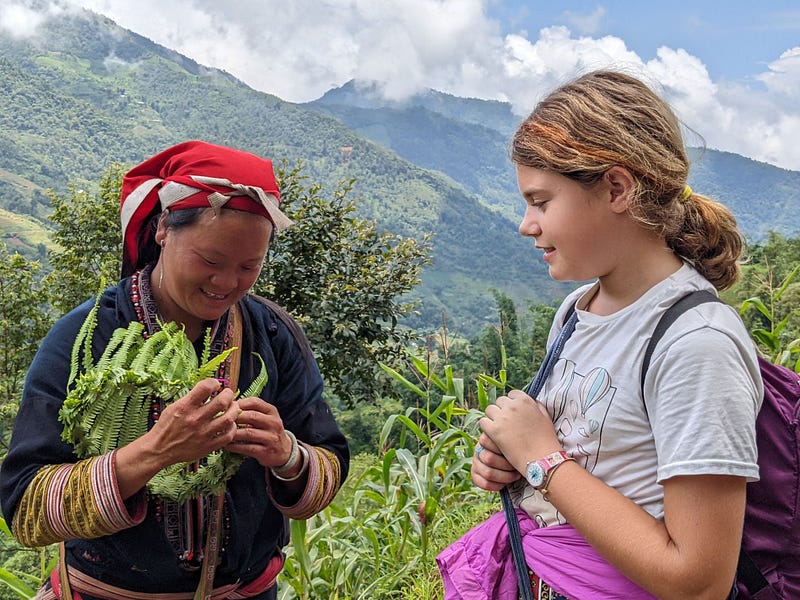
One thread ties these families together: they resist resorts, packaged tours, and international hotel chains, favoring cultural immersion. They may enroll their child in a batik workshop in Indonesia, join a parade they stumble upon in Ecuador, or hire a felucca in Egypt to visit lesser-known temples.
They eat corn slathered in a creamy, spicy sauce on the streets of Mexico City, slurp pho perfumed with star anise on a corner in Hanoi, or peel warm chestnuts on a sidewalk in Istanbul.
They may stay with host families, learn a new language, take public transportation, or volunteer at non-governmental organizations. Their goal is to absorb all of the richness that a new culture and environment can provide.
How do parents educate their children?
When parents consider adopting a worldschooling lifestyle, many concerns well up. How might we afford to travel? How will our children stay well-socialized and connected to peers? What will our families think?
But the one question that plagues most of us is this: How do I take responsibility for my child’s education? And the insecure among us add: Am I even capable?
Worldschoolers are essentially homeschoolers, and homeschoolers employ various models of education, striving to hit on the right fit for their unique family. A traveling family’s approach to education may evolve as parents learn what works for their children. Common models include:
- Remaining connected with public school at home through a similar curriculum they purchase
- Buying new curriculum from one of many for-profit companies that sprang up during the pandemic to serve homeschooled children
- Employing an unschooling approach, in which parents follow, nurture, and support a child’s passion
- Hiring a teacher to travel with the family or a group of families
- Cementing experiential learning through essays, research, or projects based on what the family is exploring abroad
- Using a hybrid approach that includes some online classes, parent-led lessons, journaling, art and workshops, or experiential learning
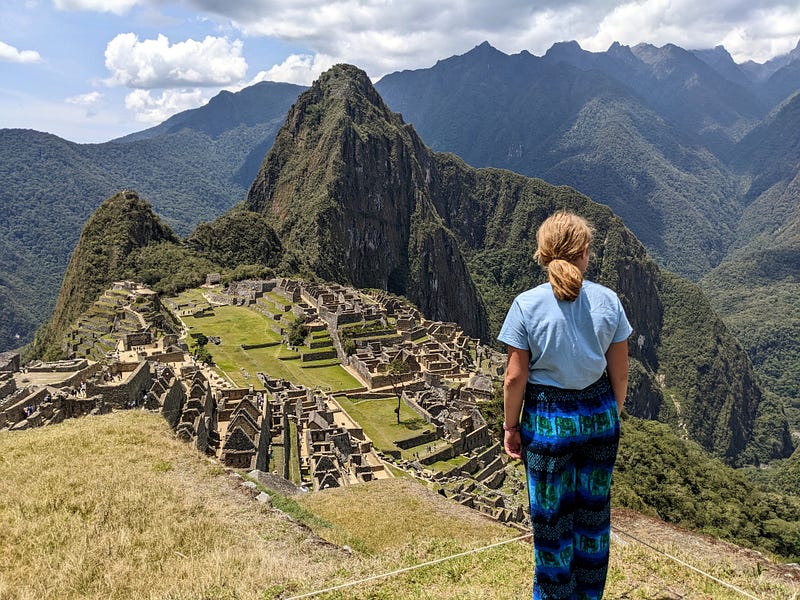
Most families take advantage of the richness outside their hotel room doors while traveling. For example, they absorb lessons in history, science, and social studies along with their children, exploring, discussing, and reading about Inca culture in Peru and the impact of Spanish conquistadors on the past and present, the communist past within the Czech Republic, the legacy of British colonialism in Sri Lanka, or the ecosystems within Costa Rican jungles.
Why is the worldschooling community growing?
Alternative education styles have existed for centuries, and adventurous families have always broken social norms to travel. The pandemic merged remote work with an abundance of online schooling options, making worldschooling more possible.
However, those who choose worldschooling have always been attracted to the gifts of travel, even when the lifestyle seemed less feasible.
Adventurous traveling families agree on this: travel can be one of the most life-altering activities one can pursue. Not only might children learn about the Roman Empire when in Rome, or the plight of sea turtles when in Turkey, but they may develop more patience, perseverance, empathy, and grit as they endure long bus rides, heat, insects, and taste new foods.
And worldschoolers tend to agree on one more thing: renting the house, storing the car, and managing unsupportive relatives was very much worth it in the end.
Stephanie Tolk is the founder of Deliberate Detour and the creator of the first complete worldschooling course on the market. Check out Worldschooling: A Comprehensive Guide to Long-Term Travel to learn how to plan a life-changing international journey that’s just right for your unique family.


