avatarColleen Sheehy Orme

Summary

The article "My Wedding Vow, Do You Take This Man?" humorously compares the lifelong commitment of marriage to a purchase with no return policy, emphasizing the lack of a "caveat emptor" warning in the emotional transaction of wedding vows.

Abstract

The author of the article reflects on the concept of "caveat emptor" (let the buyer beware) in the context of marriage, suggesting that just as one must be cautious when making a purchase, one should also be discerning when entering into a marriage. The piece is a witty take on the realization that, unlike with material goods, there is no opportunity to return a spouse if one is unhappy with the "purchase." The author laments the absence of advice about the emotional implications of the marriage vow, despite the significant investment of time, money, and emotion. The article highlights the irony of the wedding celebration, where guests cheer and participate without considering the potential long-term dissatisfaction of the couple. It underscores the idea that marriage is a commitment where one cannot simply "return" their spouse, despite the discovery that the person they married is not who they thought they were.

Opinions

  • The author implies that the principle of "caveat emptor" should apply to marriage, suggesting that individuals must thoroughly understand what they are committing to before taking their vows.
  • There is a critique of societal norms where weddings are celebrated with fanfare, yet there is a lack of honest dialogue about the potential pitfalls of marriage.
  • The article expresses frustration with the idea that marriage is seen as a final sale, with no option to reconsider the commitment once the reality of the relationship sets in.
  • The author humorously suggests that just as one would inspect a product before purchase, there should be a way to vet a spouse more critically before the marriage.
  • The piece conveys a sense of regret and disillusionment with the institution of marriage, as it does not allow for the possibility of reversing the decision if it turns out to be unsatisfactory.
  • The author points out the contradiction between the joyous celebration of weddings and the potential for future marital issues, indicating a disconnect between the public display of commitment and the private realities of marriage.

My Wedding Vow, Do You Take This Man?

Not do you take this narcissist?
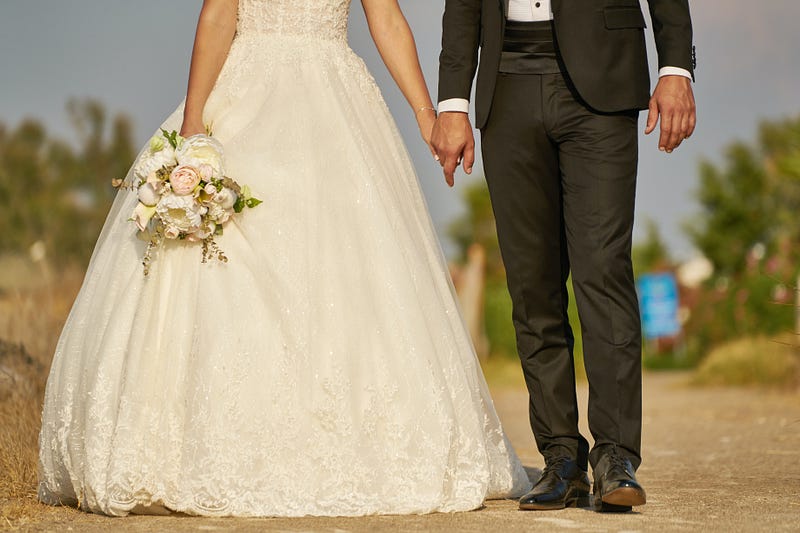
Photo by Engin Akyurt: On Pexels

I want to return my spouse.

Is that a problem? No one tells you about ‘emotional’ caveat emptor. In case you’ve never heard the term, it’s Latin and means ‘Let the buyer beware.”

It’s a business adage meaning you buy it you keep it.

But I no wanna!

Caveat emptor puts the onus on the purchaser. It’s up to you to check out the merchandise. Is it high quality? Is it in good shape? Does it work? Will it be durable? Will it be worth it?

Yada yada yada.

Some descriptions say it ‘places the burden’ on the buyer. Amen to that! Usually, this principle relates to products and services. Retailers are protected. Sellers are protected.

The ‘liability’ falls to you.

Can I get another Amen?

How is it possible? That no one has ever! I mean eva!

Told any of us spousal purchasing human beings, about caveat emptor. Open the package. Does it look like the picture? Does it do what it says it does? Look at it closely, what’s it made of? Will it work properly or malfunction?

Are you sure it’s legit?

Because now we’ve bought them 4eva.

No one explains being emotionally cheated in the vow transaction. Worse, you get dressed up for it. Spend tens of thousands of dollars on it. And invite your family and friends to witness this ill-fated purchase.

They cheer you on.

They drink, dance, and get down.

Maybe that’s the problem. They’re drunk doing the Cha Cha Slide. Instead of saying…

“You don’t need it.”

“Are you sure you really want it?”

“I dunno, it’s not that great.”

“Can you return it?”

But you know people, they don’t care how you spend. It’s your money, not theirs. No investment was lost to them.

If you like it, buy it.

And they’re too busy drinking from the open bar, doing the Macarena, and belting out We Are Family with grandma…

To notice your soon-to-be Achy Breaky Heart. You’re about to find out you’ve bought something you don’t want. Don’t like it. Don’t need it. Don’t even recognize it.

Don’t even remember buying this particular human being.

But you no wanna.

*Follow my quotes on Instagram or me on Twitter or LinkedIn or Facebook

Humor
Relationships
Love
Narcissism
Divorce
Recommended from ReadMedium