avatarGunnar De Winter

Free AI web copilot to create summaries, insights and extended knowledge, download it at here

1796

Abstract

href="https://en.wikipedia.org/wiki/Fetal_alcohol_spectrum_disorder">etal alcohol syndrome</a>, in which the mother’s alcohol consumption affects the fetus’ development). The microbiome also sends plenty of signals. Do these affect the development of the fetus?</p><h1 id="c23f">Building brains</h1><p id="caa9">Due to its complexity, a brain is very difficult to build. Or develop. No wonder that the process takes a lot of time and a carefully orchestrated molecular dance. A molecular dance that is very sensitive to nudges.</p><p id="55d6">And microbes, they can nudge.</p><p id="53ed"><a href="https://www.nature.com/articles/s41586-020-2745-3">A new study</a> investigated how the microbiome of pregnant mice affects the brains and behavior of their pups.</p><figure id="d45a"><img src="https://cdn-images-1.readmedium.com/v2/resize:fit:800/0*B1cy1VJAjEVAlLYA.png"><figcaption>Mouse brain (Wikimedia commons, DataBase Center for Life Science)</figcaption></figure><p id="09eb">Embryos from mice that were raised in germ-free conditions or were given antibiotics had different brains than the ones from moms with regular microbiomes.</p><p id="599a">More specifically, in non-microbiome exposed embryos the expression of genes responsible for building brain cells was reduced.</p><p id="0dcf">This was especially evident in a brain region called the <a href="https://en.wikipedia.org/wiki/Thalamus">thalamus</a>. One of the functions of the thalamus is sensory processing.</p><p id="c0d1">(Explore the mouse thalamus <a href="https://connectivity.brain-map.org/3d-viewer?v=1&amp;types=PLY&amp;PLY=864%2C856%2C567">here</a>. I’ve set it so that the thalamus is the red blob, visible after you click ‘transparency’ on the left.)</p><p id="25cd">The researchers examined whether this had noticea

Options

ble behavioral effects on the mice pups. Mice from ‘microbiome-impaired’ mothers had abnormal responses to heat, sound, and pressure compared to pups from mothers with a regular microbiome.</p><p id="0b12">To check whether the brain development of embryos in microbiome-depleted mothers could be ‘rescued’, the scientists inoculated the mothers without microbiome with different bacterial strains. It turns out that by exposing them to <i>Clostridium</i> species of bacteria, the brain development of the embryos proceeded as normal.</p><p id="9c25">The researchers also showed that maternal microbiomes produce a variety of metabolites that find their way into the blood and brain of the embryo. They suggest that some of these microbe-made metabolites are crucial for normal gene expression and brain development. In science-speak:</p><blockquote id="3165"><p>Our results support the idea that the maternal microbiome has an important role in promoting neurodevelopment in offspring, and further suggest that interactions between the microbiome and nervous system begin prenatally through influences of the maternal gut microbiota on fetal brain metabolomic profiles and gene expression. Thus, early to mid-gestation is a critical period during which the maternal microbiome promotes fetal neurodevelopment to support developmental processes that may underlie later-life behaviours in mice.</p></blockquote><p id="1ff0">Even though this study was done in mice, it could be important for human pregnancy as well. To prevent neural tube defects, folic acid is currently recommended for soon-to-be mothers, either through food or supplements. Perhaps, in the future, specific pre- or probiotics can be advised as well.</p><p id="77bf">Mothers, eat your kids to a healthy brain.</p></article></body>

Mother’s Microbes Shape The Brain of Their Unborn Children

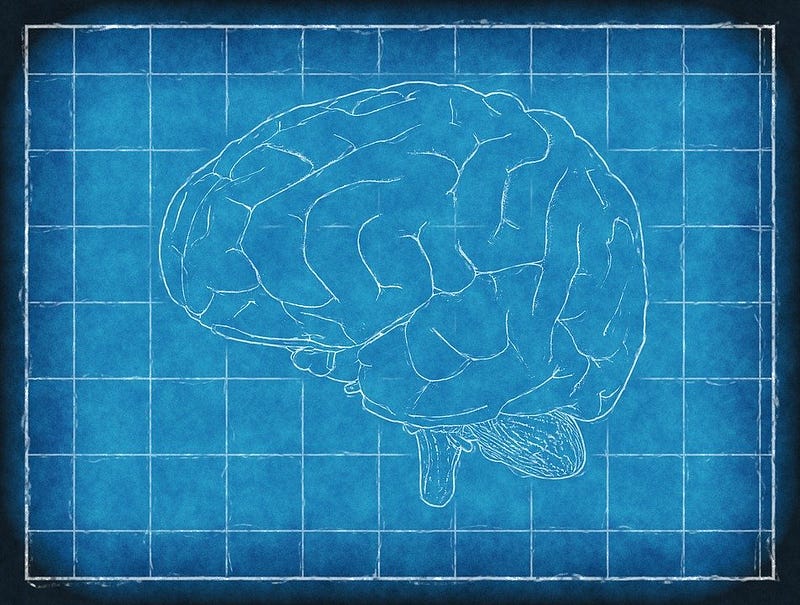
A mother’s microbiome produces chemicals that can influence the development of the fetal brain
(Pixabay, TheDigitalArtist)

Mom’s microbes

Microbiome is a term that refers to any microbial community that lives in or on a multicellular organism. So we have a skin microbiome, nasal microbiome, gut microbiome…

The popular gut microbiome is implicated in a lot of aspects of our daily lives, from how we process our food, over our propensity for certain diseases, to our risk for Alzheimer’s, and even our personality traits. It also affects our risk for cancer, and cancer cells themselves have a distinct microbiome. We might even leverage our gut microbes to improve chemotherapy.

We also know that exposure to the mother’s microbiome during birth (which differs for different types of delivery, for example, normal vs cesarean) has an effect on the baby’s microbiome.

What about pre-birth, though? In the womb, a fetus is very sensitive to the signals it receives from the mother (a well-known example is fetal alcohol syndrome, in which the mother’s alcohol consumption affects the fetus’ development). The microbiome also sends plenty of signals. Do these affect the development of the fetus?

Building brains

Due to its complexity, a brain is very difficult to build. Or develop. No wonder that the process takes a lot of time and a carefully orchestrated molecular dance. A molecular dance that is very sensitive to nudges.

And microbes, they can nudge.

A new study investigated how the microbiome of pregnant mice affects the brains and behavior of their pups.
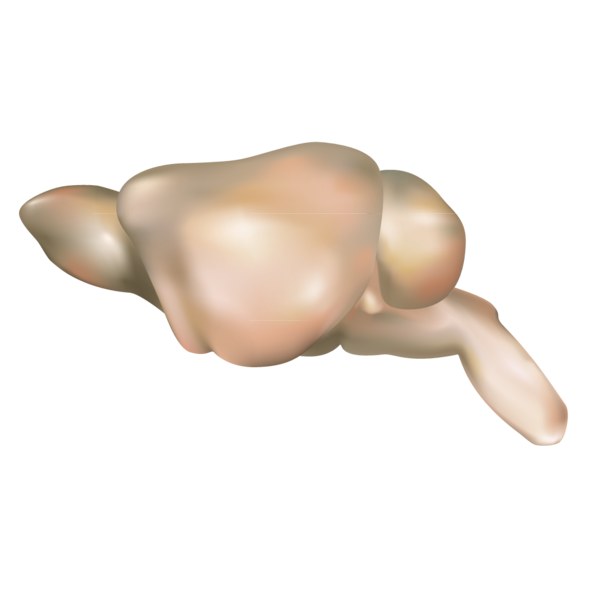
Mouse brain (Wikimedia commons, DataBase Center for Life Science)

Embryos from mice that were raised in germ-free conditions or were given antibiotics had different brains than the ones from moms with regular microbiomes.

More specifically, in non-microbiome exposed embryos the expression of genes responsible for building brain cells was reduced.

This was especially evident in a brain region called the thalamus. One of the functions of the thalamus is sensory processing.

(Explore the mouse thalamus here. I’ve set it so that the thalamus is the red blob, visible after you click ‘transparency’ on the left.)

The researchers examined whether this had noticeable behavioral effects on the mice pups. Mice from ‘microbiome-impaired’ mothers had abnormal responses to heat, sound, and pressure compared to pups from mothers with a regular microbiome.

To check whether the brain development of embryos in microbiome-depleted mothers could be ‘rescued’, the scientists inoculated the mothers without microbiome with different bacterial strains. It turns out that by exposing them to Clostridium species of bacteria, the brain development of the embryos proceeded as normal.

The researchers also showed that maternal microbiomes produce a variety of metabolites that find their way into the blood and brain of the embryo. They suggest that some of these microbe-made metabolites are crucial for normal gene expression and brain development. In science-speak:

Our results support the idea that the maternal microbiome has an important role in promoting neurodevelopment in offspring, and further suggest that interactions between the microbiome and nervous system begin prenatally through influences of the maternal gut microbiota on fetal brain metabolomic profiles and gene expression. Thus, early to mid-gestation is a critical period during which the maternal microbiome promotes fetal neurodevelopment to support developmental processes that may underlie later-life behaviours in mice.

Even though this study was done in mice, it could be important for human pregnancy as well. To prevent neural tube defects, folic acid is currently recommended for soon-to-be mothers, either through food or supplements. Perhaps, in the future, specific pre- or probiotics can be advised as well.

Mothers, eat your kids to a healthy brain.

Science
Health
Biology
Neuroscience
Development
Recommended from ReadMedium