
Gut Microbes Improve Chemotherapy
Chemotherapy remains the standard treatment for advanced cancer, but it doesn’t always work as well as hoped. Can our gut microbes help us?
A world in our gut
Microbiome is a term that refers to any microbial community that lives in or on a multicellular organism. So we have a skin microbiome (even a distinct armpit microbiome), nasal microbiome, gut microbiome… In the popular press, microbiome is also sometimes used specifically to refer to the gut microbiome.
And this popular microbiome is implicated in a lot of aspects of our daily lives, from how we process our food, over our propensity for certain diseases, to our risk for Alzheimer’s, and even our personality traits.
In a previous article, we also saw how our gut microbiome affected our risk for cancer, as well as how cancer cells themselves have a distinct microbiome. In that article, we mused on the potential of recruiting our microbes to help us in the fight against the many-headed monster that is cancer.
Microbes to the rescue
There were already hints that certain microbiome compositions seem to have a positive supportive effect during chemotherapy, but exactly what was going on remained very much a mystery.
A new study might provide a peek behind the curtain.
The study focused on a specific, relatively new for of chemotherapy, checkpoint inhibitor immunotherapy. Checkpoint inhibitors normally prevent our immune system from overreacting. But cancer cells can fool these inhibitors and activate them when it’s not needed. Basically, some cancer cells can go: “move along, immune system, nothing to see here”.
Checkpoint inhibitor immunotherapy activates these checkpoints again so that the immune system is stimulated by the cancer cells and mounts a response. (“Hey guys, double back something’s not right there.”)
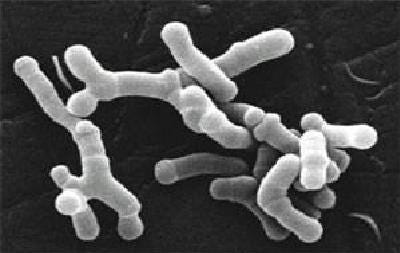
The researchers introduced bacterial species often associated with improved response to treatment for colorectal cancer into a mouse model for that cancer. They found that one of these bacteria — Bifidobacterium pseudolongum — produced a compound called inosine. The combination of inosin and checkpoint inhibitor therapy activated the anti-tumor response of T cells (important immune cells, a specific type of which is known as ‘killer cell’ and can kill cancer cells).
Result? Tumors in mice inoculated with inosin-producing bacteria alongside checkpoint immunotherapy shrank. A lot. Other mice? Not so lucky.
Similar results were obtained for melanoma and bladder cancer.
The authors conclude:
These data support the premise that modification of the microbiota or targeted bacterial therapies with defined microbial consortia may provide a promising adjuvant therapy to ICB [immune checkpoint blockade] in CRC [colorectal cancer] and other cancers. Although isolated from mice, all three ICB-promoting bacteria are also found in humans, indicating their potential for translation.
Be good to your gut, it might help you fight cancer.