
Gut Microbes and Human Personality
The microbes in our intestines are increasingly being implicated in various aspects of our lives, maybe even our personality traits
Meet the gut microbiome
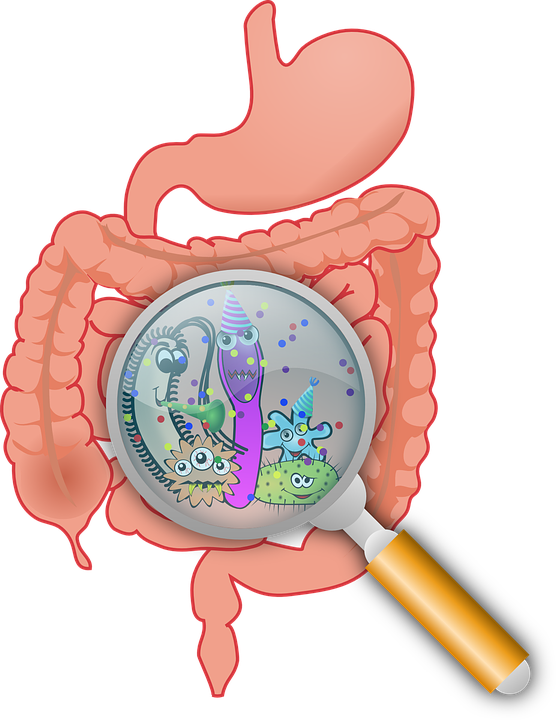
In our intestines, a tiny ecosystem of microbes exists. This collective is known as the gut microbiome (we also have a skin microbiome, nasal microbiome, etc.). All these microbiomes together are known as the human microbiome.
We are, quite literally, a multitude.
It might be a bit scary to realize that you’re carrying around a lot of intestinal inhabitants (the previous estimates of 10:1 microbial vs. human cells might be overblown, 1.3:1 seems more accurate, although this does not include viruses or fungi). But, microbes are not all bad. In fact, many microbes — including the ones in your gut — do very useful things. Your little gut-dwellers, for example, help you digest food, produce useful compounds (‘metabolites’), and so on.
Only recently, new technologies, such as improved shotgun DNA sequencing, and better software to characterize and identify genes, have allowed us to take a more detailed look at the microbial ecosystems we provide a home for. And the more we look, the more we’re finding that their tentacles (pseudopods? cilia?) extent far and wide.
Sure, we know microbes can make us sick, but the composition of your microbiome seems to be related to the propensity for issues as wide-ranging as asthma, obesity, cancer, diabetes… You name it, and the microbiome seems to be involved in some way.
Interestingly, gut microbiome composition has also been implicated in mental health issues such as depression, psychosis, schizophrenia, and developmental disorders such as autism. (Of course, mind-body dualism is dead, but it’s a persistent zombie, so distinguishing between ‘physical’ and ‘mental’ health issues is not exactly the right way to think about this. However, that’s a whole other — far more philosophical — discussion.)
Microbes and personality
Given the above examples of microbiomial (what a marvelous word) influence on aspects of our lives, is it really that much of a stretch to consider that our microbes affect some of our ‘regular’ personality traits?
Not really, but most studies so far have looked at animal models or diagnostic psychiatric symptoms (depression, psychosis, etc.).
A new study, in contrast, looked at general personality traits (the paper is open access, so do check it out). Over 650 adults — more woman than men, mostly from the US, on average 42 years old — received a fecal sample kit (a poop scoop?) to provide samples for analysis. Science doesn’t always smell like roses.
The participants also answered extensive questionnaires about their diet, lifestyle, health, and — of course — personality (this last one according to the well-known five-factor model of personality).
Both the diversity (how many different types of microbe are present) and composition (which specific types are dancing in your intestines) were correlated with many variables, such as eating pro- and prebiotic foods (seems obvious), body mass index, antibiotic use (another obvious one), cancer, infectious disease, immunodeficiency, and even dog ownership.
Personality traits were no exception. Here too, correlations with gut microbiome composition and diversity were found:
People with larger social networks were also found to have more diverse microbial communities,indicating that social behaviour may promote diversity of the human gut microbiome. By contrast, lower diversity was associated with increased levels of stress and anxiety, and these traits were also related to differences in overall composition of the microbial community. In addition, the intercorrelation analysis revealed that people who ate more foods with naturally occurring probiotics or prebiotics had significantly lower levels of anxiety, stress and neuroticism and were also less likely to suffer from a mental illness…
Pass me the tempeh and the kimchi.
Correlation, causation, complication
It is important to note that all of the above involves correlations. Gut microbiome composition and diversity are linked to personality (and other) traits, but that doesn’t necessarily mean microbes cause the stress, anxiety, personality traits, etc.
Perhaps more sociable people go out to eat with others more frequently, trying more different foods, affecting the microbiome. On the other hand, if microbiome species produce things such as serotonin, this can affect your behavior, which, in turn, affects your microbiome again, which, in turn… You get the picture.
Of course, the author of the study acknowledges this:
Interpreting results from this study also requires consideration of the bidirectional interactions between the gut microbiome and behaviour. As well as the behavioural effects of gut microorganisms, behaviour can in turn shape the composition of the gut microbiome.
Our microbiomes and ourselves (and our ‘selves’) are in a close symbiotic relationship with causal arrows flying all around the place and looping like crazy. Like all relationships, this one too isn’t perfect and can go awry.
Be kind to your gut, and it will be kind to you (and maybe even make you kinder).
Reference:
Johnson, K.V.A. (2020). Gut microbiome composition and diversity are related to human personality traits. Human Microbiome Journal. 15: 100069.