
MEMOIR | PROCRASTINATION | WRITING | LIFE | SELF
It’s Monday: You Consider Writing A Memoir
Can’t Decide? Best Plan Ever? Dreadful Idea?

Monday: Wow! It’ll Win a Pulitzer!
You’ve long wanted to write “your story.” But the usual procrastination, lack of time, and doubts intervened.
Then, whoosh, you’re on on a roll. You’d write two memoirs: one about your birth-family and you, and one about your adoptive-family and you. You’d even work on them at the same time.
You finish up a couple chapters in each book. Write about a reunion with your birth-mother and a reunion with your birth-father who died on D-Day and who was played by an actor in Band of Brothers. (Readers can read about him here.) Write about being adopted from the Colorado State Home for Dependent and Neglected Children.
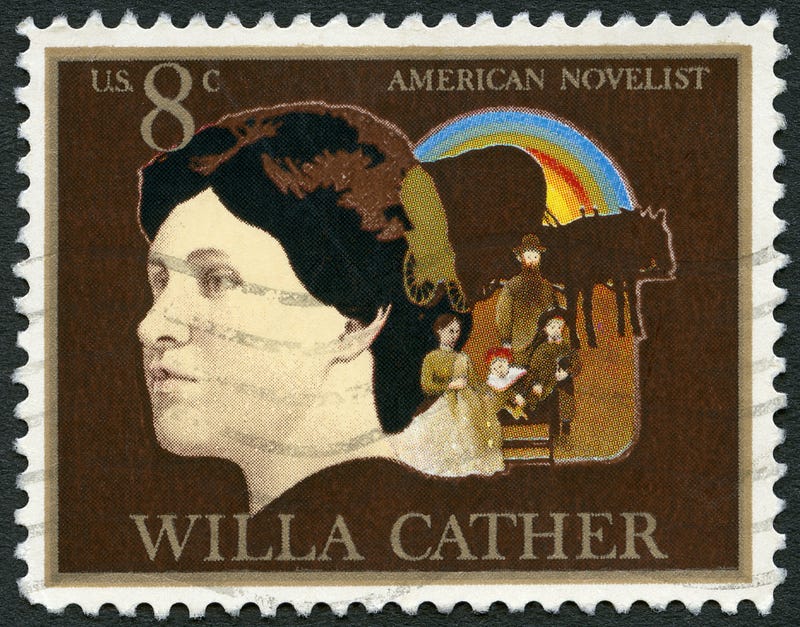
Spend more time editing than writing and decide what you’d written was good. Really good! Who knew you were such a talented writer? Obviously you’ll win a prize or two for each book. Maybe the Post Office will put your picture on a stamp, just as they did with your favorite author.
Tuesday: OMG, What Will Your Parents Think?
But wait? You’re telling stuff about your parents. Some of it isn’t very flattering. Some of it’s critical. Your parents would be angry, hurt, disappointed. So would your grandparents, aunts, uncles, cousins, maybe even your neighbors.
Maybe even people from the past with whom you lost touch 50 years ago. You’re spilling deep, dark secrets. Maybe these secrets should never see the light of day?
Uh oh, this memoir writing idea of yours isn’t such a hot idea after all. You procrastinate.
Wednesday: Get a Grip! Your Parents Died Years Ago
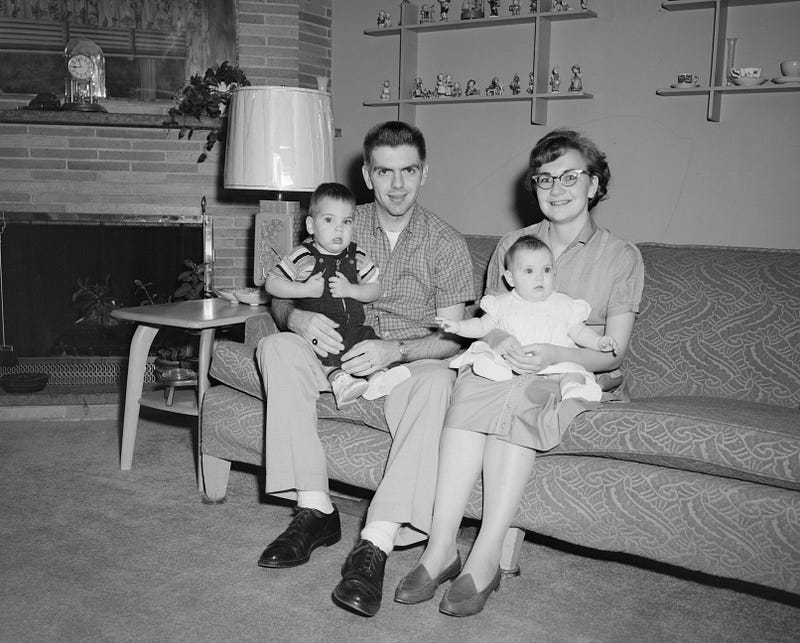
Clearly you’ve lost your mind. Your parents, grandparents, aunts, uncles, and all but one cousin have passed away. Surely you don’t think they’ll be reading your memoirs in the Great Beyond? And if that were a possibility, what difference would it make?
Stop being paranoid. What makes you think everyone you ever knew would read your books anyway? Write the memoirs. You’ve have lots of interesting stories if not a few bizarre stories. Some heart-warming stories too. Go for it!

Thursday: What Made You Think You Could Write?
You look at what you’ve written, what you’ve spent hours editing. You start to re-edit. In a flash of blinding light, you realize you are probably the worst writer the world has ever known. Your writing is an embarrassment. Obviously it should never see the light of day.
More procrastination.

Friday: It’s Trash. Delete the Whole Mess
You’re considering throwing what you’ve printed into the wastebasket. Permanently deleting every bit of your partially-written memoirs from your computer. Deleting every post of individual chapters you’ve put on social media and other writing forums, even right here on Medium and Illumination.
Procrastination rears it’s ugly head once again.
And then you remember how you burned your master’s thesis. How you never bothered to make the corrections in your PhD dissertation so it could be published. How it all ended when your editor gave up on you and retired.
Do you really want to do that again? (Readers will find this shoot-yourself-in-the-foot story here. )
Saturday: Hmm, Maybe You Should Write a Novel Instead?
You could kinda change directions. You could turn the two memoirs into one large novel. Then it wouldn’t be quite so personal. Nobody would ever know it was your story.
You could hide. Yes, do that. Wait a minute! You ghost-wrote a novel once. You hated doing it. Vowed you’d never do it again. Have you lost your mind?
You write a chapter anyway but change the names.

Sunday: Well, Maybe It’s a Possibility After all
You look at what you’ve written again. It’s fine. Some of it reads well. Of course before you publish either memoir, you’d have an editor take a look at each one. That’s the professional thing to do.
You read what you’ve written out loud. Most of it reads smoothly. Some of it’s funny. Some engages the heart strings. Some of it’s crazy enough to startle a reader into exclaiming “Wow.”
You’ve done a good job. Stop editing. Some will love it. Some will like it. Some won’t like it. Some will find it so boring, they’ll take a nap. Stop fretting. Get on with the next chapter.
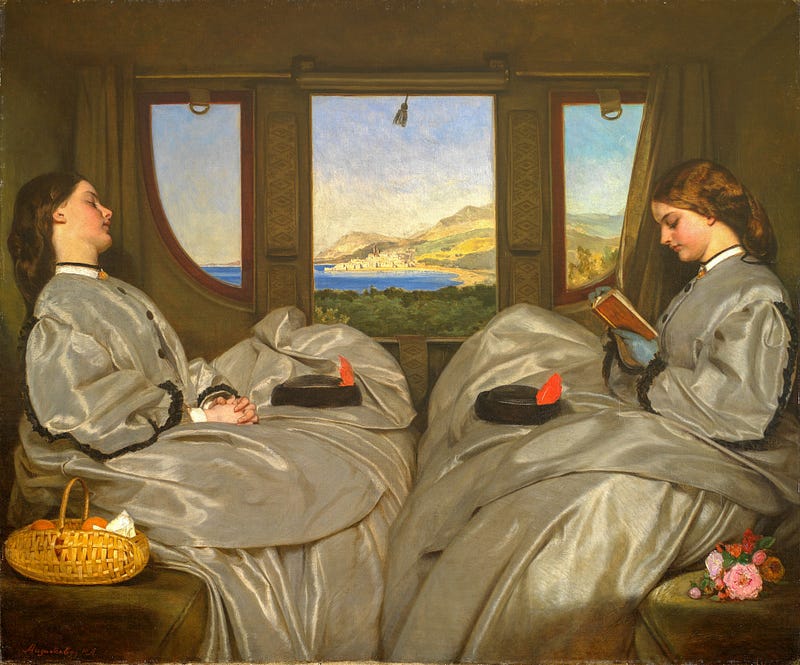
P.S. And please don’t spend an hour editing this story you’ve just written for Illumination! Go for a walk. Browse Facebook. Play with the cat. Do an errand. Clean up the kitchen. Anything but editing-obsession.
This is the 4th story of the acronym: ADOPT. A is for abandoned, D for Discouraged, O for Overwhelm from ADHD, P for Procrastination, and T for trauma. These five are common feelings and life issues that many adopted women experience. For a more comprehensive list, you’ll want to grab my free Adoption Checklist for Women: 25 Life Issues.
You might also like my musings on Staying at Home because of COVID 19: The Good, The Bad, and the Not So Ugly. Or perhaps my story about Losing the Letters of Willa Cather: An Adoption Story about Unworthiness.
You’ll find me at LivingWithAdoption.com. I also write about ADHD and random topics that strike my fancy. Thanks to raging ADHD, I’m writing two books at the same time: “Finding My Hero: An Adoption Memoir from World War Two” and “Growing Up Adopted: Love Wounded.”
In between writing, I coach adopted women, giving them tools that make healing faster than just talking.


