
Inflation: Navigating the Economic Storm
A Comprehensive Exploration of Inflation
One phenomenon looms large in the intricacies of economic forces, casting a pervasive shadow over nations and economies alike: inflation. This essay explores inflation's dynamics, delving into the complex interplay of monetary policies, market forces, and global dynamics.
Understanding Inflation
At its essence, inflation denotes the sustained increase in the overall price level of goods and services within an economy. This seemingly straightforward concept, however, holds profound implications, reshaping the purchasing power of money and prompting policymakers to walk the tightrope between stimulating growth and preventing an unchecked rise in prices.
Throughout history, a compelling lesson emerges, underscoring the indispensable role of maintaining low and stable inflation as a fundamental prerequisite for fostering a robust economy. This historical wisdom reveals that when inflation is kept at bay, the conditions for sustained full employment and growth in real wages are established and fortified.
The economic narrative woven by the annals of time teaches us that a stable inflationary environment acts as a linchpin, anchoring the foundations of an economy and facilitating an upward trajectory in employment rates and the real earning potential of individuals. In essence, the historical tapestry illustrates that the key to unlocking an economy's full potential lies in maintaining inflation at low and stable levels.
What Are The Causes of Inflation
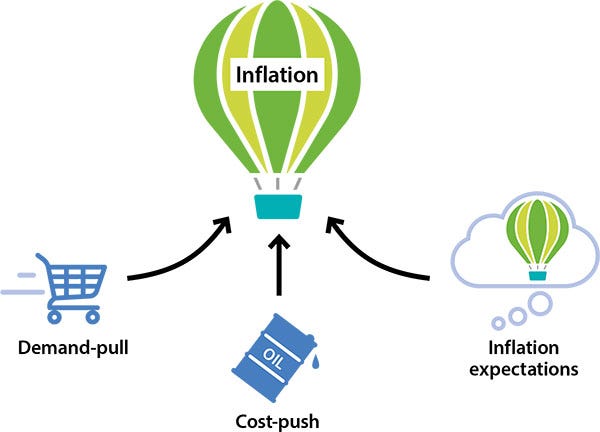
To unravel the intricacies of inflation, we must dissect its roots. Primarily driven by demand-pull and cost-push forces, inflation is set into motion by the delicate dance between consumer demand and production costs.
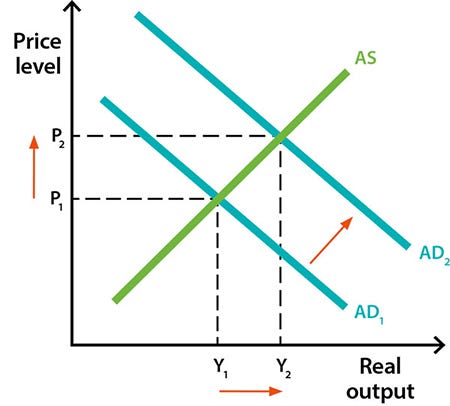
Demand-pull inflation arises when consumer demand outstrips the economy's capacity to supply goods and services. This surge in demand can be fueled by increased disposable income, ushering in a period where businesses struggle to keep pace, resulting in an inevitable rise in prices.
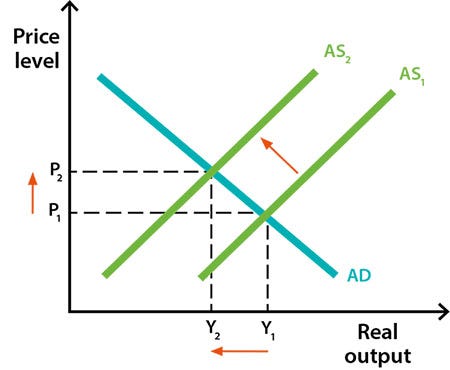
Conversely, cost-push inflation is propelled by the escalation of production costs, such as rising wages or disruptions in the supply chain, compelling producers to pass on these additional costs to consumers.
Monetary Policy and Inflation
Central to the battle against inflation are the tools wielded by central banks. Interest rates, the linchpin of monetary policy, are a powerful lever to influence economic activity. Central banks may tighten monetary policy by raising interest rates when inflation threatens to breach acceptable thresholds. This measure, though effective, comes with the delicate task of balancing economic growth against inflationary pressures.
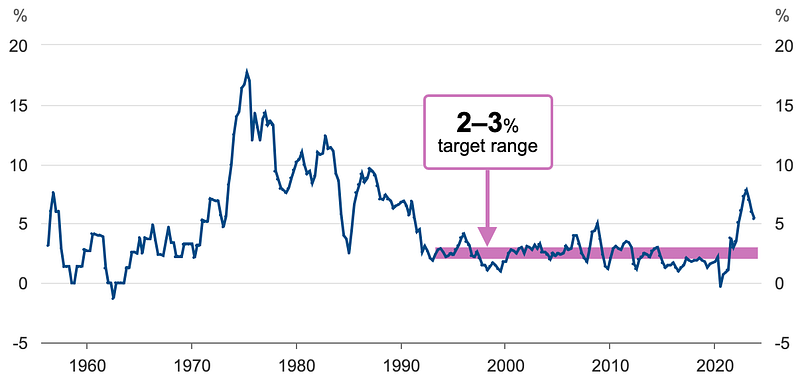
The preeminent gauge of inflationary pressures is none other than the Consumer Price Index (CPI). This widely recognized metric is comprehensive, encapsulating fluctuations in the prices of goods and services commonly purchased by households. Calculated autonomously by the Australian Bureau of Statistics (ABS), the CPI meticulously tracks the evolving landscape of consumer spending patterns. By focusing on the items integral to daily life, this index provides a nuanced understanding of how inflation directly impacts the cost of living for the average citizen. The meticulous calculation process employed by the ABS ensures that the CPI stands as an authoritative and reliable benchmark, offering policymakers and analysts a detailed lens through which to interpret economic dynamics and make informed decisions.
Inflation and Global Dynamics
In an era of global interdependence, inflation transcends national borders. Fluctuations in exchange rates, commodity prices, and international trade can amplify or mitigate inflationary pressures.
For instance, a surge in oil prices can reverberate worldwide, impacting transportation costs and the prices of goods with petroleum-based inputs. The intricacies of global supply chains further complicate the picture, as disruptions in one part of the world trigger ripple effects across continents.
As a multifaceted economic phenomenon, inflation can have far-reaching effects on global economic dynamics. Here are some examples of how inflation can impact the global financial landscape:
- Currency Depreciation: Persistent inflation can erode the purchasing power of a currency. As prices rise domestically, the currency's value may depreciate in the foreign exchange market. This depreciation can make exports more competitive and increase costs for imported goods, potentially contributing to trade imbalances.
- Interest Rates and Capital Flows: Central banks often respond to inflation by raising interest rates to cool down economic activity. Higher interest rates can attract foreign capital seeking better returns, influencing global capital flows. Countries with higher interest rates may experience an influx of foreign investment, while those with lower rates may face capital outflows.
- Global Supply Chains: Inflationary pressures can disrupt global supply chains. Rising production costs, driven by inflation, may prompt companies to reassess their sourcing strategies. This can lead to shifts in the geography of production and impact trade relationships as businesses seek cost-effective alternatives.
- Commodity Prices: Inflation can contribute to volatility in commodity prices. As production costs rise, particularly in energy and raw materials, global commodity markets may experience fluctuations. This, in turn, affects industries and economies heavily reliant on these commodities.
- Income Inequality: Inflation can exacerbate global income inequality. High inflation tends to erode the real value of fixed incomes and savings, disproportionately affecting lower-income individuals. The global disparity in the impact of inflation can contribute to social and economic challenges.
- Emerging Markets Vulnerability: Emerging economies are often more susceptible to inflationary pressures. These countries may need help managing inflation due to currency depreciation, external debt, and limited policy tools. Hyperinflation can destabilize economies and contribute to global economic uncertainties in extreme cases.
- Investment Decisions: Inflation influences investment decisions on a global scale. Investors seek assets that can outpace inflation to preserve their real returns. Countries with lower inflation rates may attract more foreign investment, while those experiencing high inflation may need help attracting capital.
- Policy Coordination: In a globally interconnected financial system, central banks and policymakers must coordinate efforts to address inflation. Disparities in inflation rates among significant economies can complicate monetary policy decisions and contribute to global economic imbalances.
- Debt Dynamics: Inflation affects the real burden of debt. High inflation can erode the real value of debt, benefiting debtors. However, if inflation is unexpected, lenders may demand higher interest rates to compensate for the increased risk, potentially leading to financial market volatility.
- International Trade Relations: Inflation differentials between countries can impact trade relations. Countries with lower inflation rates may experience currency appreciation, making their exports more expensive. This can lead to trade tensions and influence negotiations on trade agreements and currency policies.
Understanding these examples underscores the intricate ways inflation shapes the interconnected global economic landscape, necessitating cooperation and strategic responses from policymakers worldwide.
The Social Fabric of Inflation
Beyond economic models, inflation weaves itself into the social fabric, disproportionately affecting vulnerable segments of society. The erosion of purchasing power exacerbates income inequality and challenges notions of economic justice. Savers on fixed incomes find their nest eggs diminished, highlighting the need for adaptive investment strategies.
High inflation can have profound social and societal impacts, affecting individuals and communities in various ways. Here are some critical aspects of how high inflation can influence society:
- Eroding Purchasing Power: One of the most direct effects of high inflation is the erosion of purchasing power. As prices rise rapidly, the real value of money diminishes, impacting individuals' ability to afford essential goods and services. This disproportionately affects lower-income households, potentially leading to a declining standard of living.
- Income Inequality: High inflation can exacerbate income inequality. Rising prices are often felt more acutely by those with fixed incomes or wages that do not keep pace with inflation. This widening gap between the wealthy and the less affluent can increase social tensions and a sense of unfairness within society.
- Uncertainty and Financial Stress: Inflation introduces an element of uncertainty into financial planning. Individuals and families may need help to predict future expenses and budget effectively. This uncertainty can contribute to economic stress, particularly for those on fixed incomes or with limited financial resources.
- Impact on Savings and Investments: High inflation diminishes the real value of savings and investments. Individuals relying on savings for future expenses, such as education, homeownership, or retirement, may jeopardize their financial goals. This can lead to a sense of insecurity and hinder long-term financial planning.
- Interest Rates and Borrowing Costs: Central banks often respond to high inflation by raising interest rates. While this may help curb inflation, it can also lead to higher borrowing costs. Individuals with variable-rate loans or mortgages may experience increased financial burdens, potentially contributing to debt-related stress.
- Job Insecurity and Unemployment: High inflation can affect the labour market. Companies facing rising production costs may cut expenses, potentially leading to job losses. Job insecurity and unemployment can create social unrest and strain social safety nets.
- Impact on Fixed-Income Groups: Retirees and those on fixed incomes, such as pensioners, may be particularly vulnerable to the effects of high inflation. Their purchasing power can decline significantly if their income does not adjust to keep pace with rising prices, leading to increased dependency on social welfare programs.
- Social Mobility Challenges: High inflation can impede social mobility by creating economic barriers to upward mobility. If the cost of education, housing, and other essential services rises disproportionately, individuals from lower-income backgrounds may find it harder to access opportunities for advancement.
- Impact on Social Services: Governments may face challenges in maintaining and expanding social services during periods of high inflation. The increased cost of providing public services and potential budget constraints may result in cutbacks or reduced quality in education, healthcare, and other essential services.
- Public Perception and Trust: High inflation can erode public trust in economic institutions and government. Perceptions of economic mismanagement may arise, fostering scepticism about the effectiveness of policies and contributing to social discontent.
Understanding these social and societal impacts underscores the importance of addressing and mitigating the effects of high inflation to promote economic stability and social well-being. Policymakers must carefully consider the social implications of inflationary pressures when formulating and implementing economic policies.
Policy Dilemmas and Trade-offs
The battle against inflation requires policymakers to navigate a delicate dance. Striking the right balance between stimulating growth and taming inflation necessitates a nuanced understanding of economic nuances. The aftermath of the global financial crisis saw central banks experimenting with unconventional monetary policies, such as quantitative easing. The legacy of these measures remains, raising questions about their efficacy in a world still grappling with the repercussions of a once-in-a-century crisis.
One critical dilemma revolves around the use of interest rates as a tool to control inflation. While raising interest rates is an effective means of curbing inflation, it simultaneously risks slowing down economic growth. Policymakers find themselves caught in the crossfire, needing to strike the right balance between achieving price stability and fostering a conducive environment for employment and overall economic activity.
Another critical consideration is the well-established trade-off between inflation and unemployment, the Phillips curve. Policymakers must realize that attempts to reduce inflation may lead to higher unemployment and vice versa. The challenge lies in navigating the Phillips curve to find an optimal balance that promotes both price stability and full employment, recognizing the inherent trade-offs between these critical economic goals.
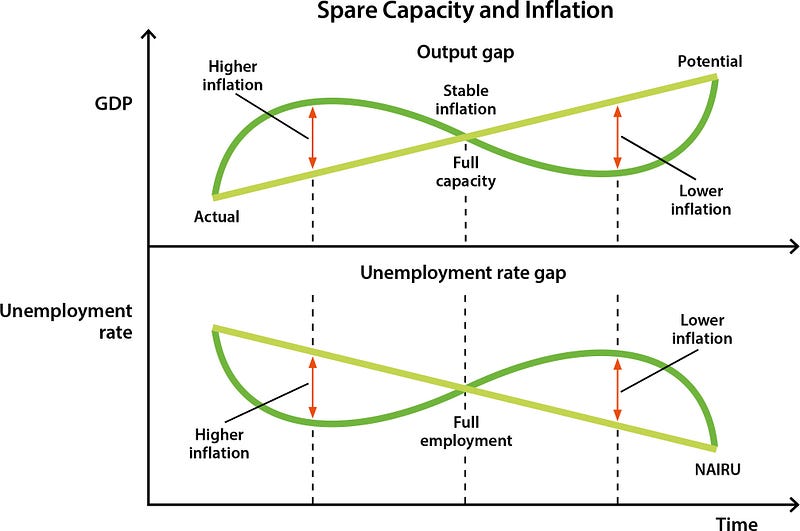
Fiscal policy, controlled by the government's spending and taxation decisions, introduces another layer of complexity. Policymakers must carefully coordinate budgetary and monetary policies to combat inflation effectively. Deciding on the right mix requires a nuanced understanding of the potential impacts on economic growth and employment, acknowledging that tight fiscal and monetary policies may result in a more significant economic slowdown.
In our interconnected global economy, actions one country takes to combat inflation can have reverberating effects on others. Policymakers face the dilemma of navigating potential spillover effects on international trade and financial stability. Cooperative efforts and effective communication with other nations become essential to avoid unintended consequences and foster a harmonious global economic environment.
Additionally, policymakers grapple with the tension between short-term relief and long-term sustainability. Some anti-inflation measures may provide immediate effects but could be detrimental in the long run. Striking the right balance requires careful consideration of the time horizons for different policy measures and their potential consequences over short and long durations.
The impact on fixed-income groups introduces another layer of complexity. Policies to curb inflation, such as interest rate hikes, may disproportionately affect fixed-income groups, including retirees and pensioners. Policymakers must consider the social implications of their actions and implement measures to protect vulnerable populations, potentially through targeted social programs or adjustments to tax policies.
Lastly, managing inflation involves influencing not just current conditions but also future expectations. Policymakers must address the dilemma of managing inflation expectations. If the public expects inflation to rise, it may become a self-fulfilling prophecy. Establishing credibility through effective communication and decisive action becomes crucial in managing these expectations and maintaining public confidence.
In navigating these multifaceted challenges, policymakers must prioritize a comprehensive approach that considers the interconnectedness of economic variables and the potential social consequences of their decisions. Managing inflation effectively requires adaptability and a keen understanding of the evolving economic landscape.
As a constant presence in the economic landscape, inflation demands perpetual scrutiny and adaptive policymaking. It is a phenomenon that transcends borders, impacting societies and shaping the destinies of nations. As we navigate the complex currents of inflation, remaining vigilant and adaptable is paramount. The solutions to this economic problem are as dynamic as the forces that propel it, emphasizing the need for policymakers and citizens to adjust their strategies as the disruption of inflation continues to shape our economic journey.
Until next time.
Thank you for reading! If you enjoy my writing, it will help me to follow and subscribe so I can keep contributing engaging content.
Subscribe Here For an Email Reminder of my next post.
Thanks for reading
- 👏 Please clap for the story (50 claps) to help the article to be spread
- 🌐 Share the story on Social Media
- 📝 Join the Medium Membership Program for only 5$ a month, and support other writers and me to keep up the tremendous work.


