
Nuclear Energy’s Resurgence
A Pledge for the Planet’s Climate
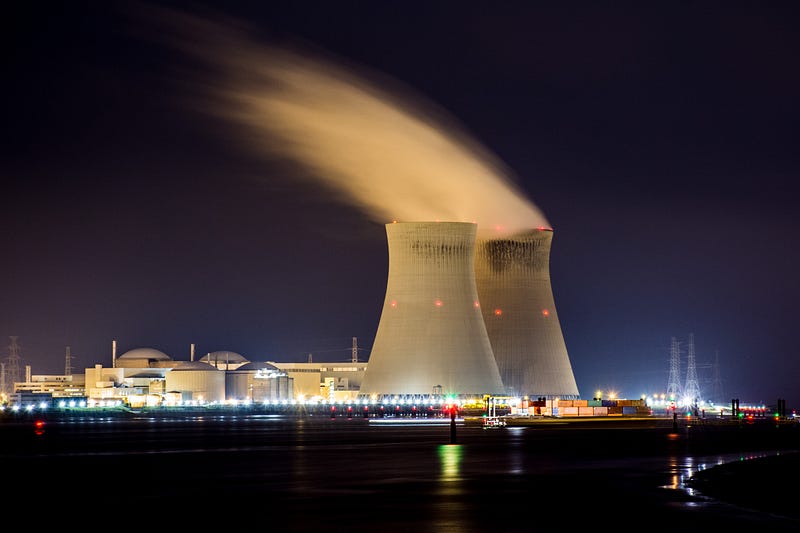
Dubai, December 2, 2023 — In a historic move, over 20 nations spanning four continents have unveiled a groundbreaking Declaration to Triple Nuclear Energy during the World Climate Action Summit at the 28th Conference of the Parties to the U.N. Framework Convention on Climate Change. This landmark declaration underscores the pivotal role of nuclear energy in achieving the ambitious target of global net-zero greenhouse gas emissions by 2050 and maintaining the crucial 1.5-degree Celsius cap on rising temperatures.
The declaration, signed by heavyweight nations including the United States, Japan, France, and the United Kingdom, emphasizes the importance of nuclear energy as the second-largest source of clean, dispatchable baseload power. It aims to triple global nuclear energy capacity by 2050, recognizing the analyses from organizations like the OECD Nuclear Energy Agency and the World Nuclear Association. According to these analyses, such an expansion must align with global net-zero emissions goals.
Acknowledging the Intergovernmental Panel on Climate Change’s projections, the declaration asserts that nuclear energy must approximately triple its global installed electrical capacity from 2020 to 2050 to realize the 1.5-degree scenario. It also highlights the findings of the International Energy Agency, emphasizing that decreasing nuclear power would complicate and escalate the cost of reaching net-zero emissions by 2050.
One key aspect of the declaration is its recognition of new nuclear technologies, which could occupy a modest land footprint, complement renewable energy sources, and offer flexibility beyond the power sector. The declaration envisages atomic energy’s role in decarbonizing challenging sectors such as hard-to-abate industries.
The commitment also underscores the International Atomic Energy Agency’s role in supporting member states in integrating nuclear power into their national energy plans, adhering to the highest safety, security, and safeguards standards. The “Atoms4NetZero” initiative is spotlighted as a vehicle for the exchange of expertise among stakeholders.
While emphasizing the importance of financing additional nuclear power capacity, the declaration calls for high-level political engagement to stimulate further action on nuclear power. It invites shareholders of international financial institutions, including the World Bank, to integrate nuclear energy into their lending policies and actively support nuclear power initiatives.
The signatories commit to working collaboratively to triple nuclear energy capacity by 2050, recognizing the unique circumstances of each participant. They also pledge domestic actions to ensure responsible atomic power plant operations are aligned with safety, sustainability, security, and non-proliferation standards. Furthermore, the declaration encourages investments in nuclear power, innovative financing mechanisms, and developing small modular and advanced reactors for diverse applications.
To foster a resilient supply chain, the declaration welcomes the extension of lifetimes for nuclear power plants, meeting the highest standards. It also encourages responsible nations to explore new civil nuclear deployment.
The annual review of progress, to be conducted on the margins of the COP, symbolizes the commitment to transparency and accountability. The declaration concludes by urging other nations to join this historic initiative.
Nuclear Energy: The Panacea for Zero Carbon Emission Energy
As the world grapples with the imperatives of climate change, this declaration signals a seismic shift in the global approach to energy production. Nuclear energy emerges as a linchpin in the journey towards net-zero emissions, offering a reliable, dispatchable, and sustainable alternative to traditional power sources.
In the face of this paradigm shift, examining nuclear energy’s pros and cons compared to renewables becomes paramount. While renewables like solar and wind are undeniably crucial components of the clean energy mix, their intermittent nature challenges grid stability. As the declaration underscores, nuclear energy provides steady and reliable baseload power, filling the gaps left by intermittent renewables.
The analysis from the OECD Nuclear Energy Agency and the World Nuclear Association makes it clear — the world needs to triple its nuclear energy capacity by 2050 to achieve global net-zero emissions. Nuclear energy, with its minimal carbon footprint, plays a pivotal role in bridging the gap between intermittent renewables and the consistent demand for power.
Despite the strides in renewable technology, the practicality of meeting global energy demands solely through renewables still needs to be questioned. The intermittency, weather dependency, and energy storage challenges associated with renewables necessitate a complementary energy source that is both constant and carbon-neutral.
Critics often point to safety concerns and the issue of nuclear waste as drawbacks of nuclear energy. They promise new nuclear technologies with smaller land footprints and improved waste management strategies. The commitment to operate nuclear power plants responsibly, in line with the highest standards, addresses safety concerns and underscores the determination to learn from past incidents.
In the evolving landscape of energy production, it is essential to recognize that a diversified portfolio is the key to resilience. Nuclear energy, with its ability to complement renewables, offers a robust solution to meet the challenges of climate change. As we look towards the future, the declaration to triple nuclear energy presents a compelling argument for a sustainable and carbon-neutral energy landscape, emphasizing that atomic power is not just an option but a necessity for a climate-resilient future.
Until next time.
Thank you for reading! If you enjoy my writing, it will help me to follow and subscribe so I can keep contributing engaging content.


